
What Domestic vs Overseas Sourcing Actually Costs AZ Buyers
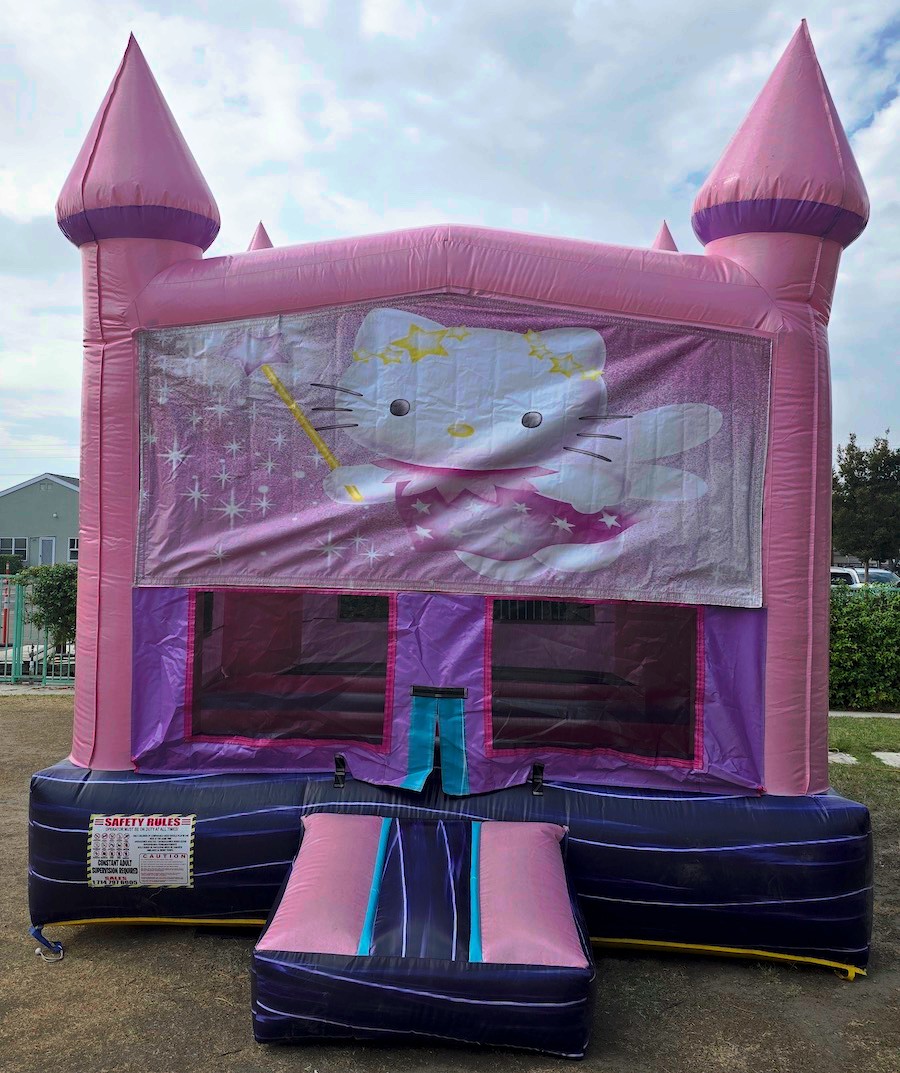
If you're building or expanding an inflatable rental fleet in Arizona, the first number you'll encounter is the unit price. A commercial bounce house from an overseas manufacturer might list for $800 to $1,500, while a comparable domestic unit could run $2,000 to $4,000 or more. That gap looks decisive on a spreadsheet, but experienced fleet operators know the sticker price is only the starting point of the conversation.
The real cost of any inflatable is what it takes to get that unit rental-ready, keep it in rotation, and replace it when it wears out. For AZ buyers, that calculation includes freight from the port of entry (often Los Angeles or Long Beach) to your Phoenix, Tucson, or Scottsdale warehouse, customs duties and import tariffs, inspection time, and any modifications needed to meet U.S. compliance standards. In 2026, tariff rates on imported commercial inflatables from certain countries have continued to shift with ongoing trade policy adjustments, so a landed cost estimate from 18 months ago may no longer reflect what you'll actually pay at the border.
Domestic manufacturers, particularly those operating in the Southeast and Midwest, typically quote lead times of two to four weeks. That speed matters when a unit tears mid-season and you need a replacement before your next weekend booking. Overseas orders commonly run eight to fourteen weeks from deposit to delivery, which means you're carrying more inventory risk and potentially turning away bookings during the gap. For a startup fleet in Arizona where summer demand peaks hard and fast, that lead time difference can directly affect your first-year revenue.
There's also the question of communication. Domestic vendors generally offer direct phone and email support, sample inspections before purchase, and the ability to visit a factory or showroom. Overseas sourcing often involves time-zone delays, language barriers in technical conversations, and the challenge of evaluating build quality from photos and spec sheets alone. None of that makes overseas sourcing wrong, but it does mean the due diligence burden is higher and the margin for error is smaller.
Freight, Customs, and Delivery Logistics for AZ Fleet Operators
Arizona's landlocked geography adds a layer of logistics complexity that coastal fleet operators don't face in the same way. Whether you're importing from overseas or buying from a domestic manufacturer in another state, your inflatables are traveling significant distance before they reach your storage facility.
For overseas shipments, the typical path runs from the manufacturer's port (often in China or Southeast Asia) to a West Coast port, then overland by freight carrier to Arizona. Freight costs for a full container load (FCL) versus a less-than-container load (LCL) vary considerably, and LCL shipments, which are common for smaller fleet purchases, carry higher per-unit freight costs and longer transit times because your cargo shares space and scheduling with other importers. A single 20-foot container might hold 15 to 25 commercial inflatables depending on size, so buying in volume is the most cost-effective way to import, but it also requires upfront capital and storage space you may not yet have.
Customs clearance adds another variable. Import duties on commercial inflatables are classified under specific HTS codes, and the applicable rate depends on the country of origin and current trade agreements. A licensed customs broker can help you navigate this accurately, and their fee is a legitimate cost to factor into your landed price per unit. Misclassifying goods or underestimating duties is a common mistake that can delay your shipment and create unexpected costs at the worst possible time.
For domestic freight, the calculus is simpler but still meaningful. Shipping a 15-by-15-foot commercial bounce house from a manufacturer in Georgia to a warehouse in Mesa, Arizona, typically runs $300 to $700 depending on carrier, transit speed, and fuel surcharges. Larger units like obstacle courses or dual-lane waterslides can cost more to ship and may require liftgate service or inside delivery coordination. Always get freight quotes before finalizing your purchase price, and build those costs into your per-unit ROI model from the beginning.
Unit Specs, Sizing, and Compliance Standards to Verify Before Buying
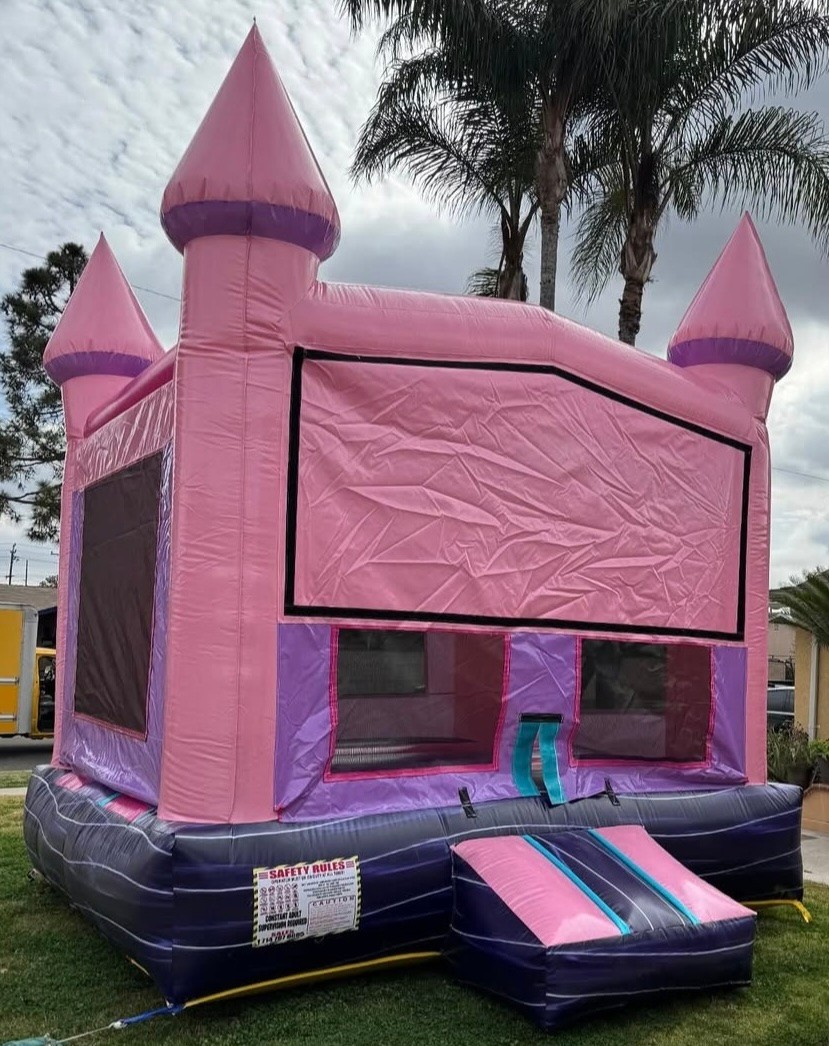
Not every inflatable sold as "commercial grade" actually meets the standards required for public use in Arizona. Before committing to any vendor, domestic or overseas, you need to verify that the units you're buying comply with ASTM F24 Committee standards for inflatable amusement devices, which govern materials, construction, anchoring systems, and safety labeling. Arizona event venues, parks, and HOA properties increasingly require proof of compliance before allowing inflatables on-site, and your insurance carrier will likely require it as well.
Ask every vendor for documentation confirming ASTM compliance, not just a verbal assurance. Reputable manufacturers will provide test reports, material certifications, and labeling that meets U.S. requirements. If a vendor can't produce this documentation, that's a meaningful signal about the quality and accountability of their operation.
On the spec side, pay close attention to vinyl weight (measured in ounces per square yard), blower motor specifications, and seam construction. Commercial-grade inflatables typically use 18-ounce vinyl or heavier for high-contact surfaces, with reinforced triple-stitched seams at stress points. Lighter materials may look similar in photos but wear significantly faster under daily rental use, especially in Arizona's intense summer heat where surface temperatures on an inflatable can reach well above ambient air temperature.
Sizing is another area where spec sheets require careful reading. Manufacturer dimensions often reflect the inflatable's footprint when fully inflated, but your setup space needs to account for anchor points, blower placement, and safety perimeter clearance. A unit listed as 15-by-15 feet may require a 20-by-20-foot clear area for safe operation. Verify actual setup dimensions with your vendor before purchase, and cross-reference against the venue types you plan to serve most often. Backyard setups in suburban Chandler or Gilbert have different space constraints than park events in Tempe or Peoria.
Blower compatibility is a practical detail that catches new fleet operators off guard. Some overseas units ship with blowers designed for non-U.S. electrical standards, requiring adapters or replacement motors before the unit is usable. Confirm that blowers are rated for standard U.S. 110-volt, 15-amp or 20-amp circuits, and check that the power cord length and plug type match what you'll encounter at typical Arizona event venues. Our power and extension cord guide for OC inflatables covers the electrical basics that apply equally to AZ operators setting up at parks and backyards.
Warranties, Vendor Support, and What Happens When a Unit Fails
A warranty is only as good as the vendor standing behind it. Before you buy, ask specifically what the warranty covers, for how long, and what the claims process looks like. Domestic manufacturers typically offer one to three years of coverage on materials and seams, with a clear process for submitting repair claims or returning defective units. Some offer repair kits and patch materials as part of the purchase, which matters when you're dealing with a small tear between rentals and need a same-day fix.
Overseas vendors vary widely in their warranty terms and their practical ability to honor them. A warranty that requires you to ship a damaged unit back to a factory in another country is not a functional warranty for a working rental business. What you actually need is a vendor who will send replacement parts, provide repair guidance, or credit your account for documented defects. Get these terms in writing before you wire any money.
Field repairability is an underrated factor in fleet economics. Commercial inflatables will sustain minor damage over time regardless of quality. Seam separations, small punctures, and blower motor wear are normal maintenance items. Units built with accessible seam construction and standard vinyl weights are far easier to repair in-house, reducing your downtime and repair costs. Ask your vendor whether repair patches and vinyl material are available for purchase separately, and whether they provide repair training or documentation.
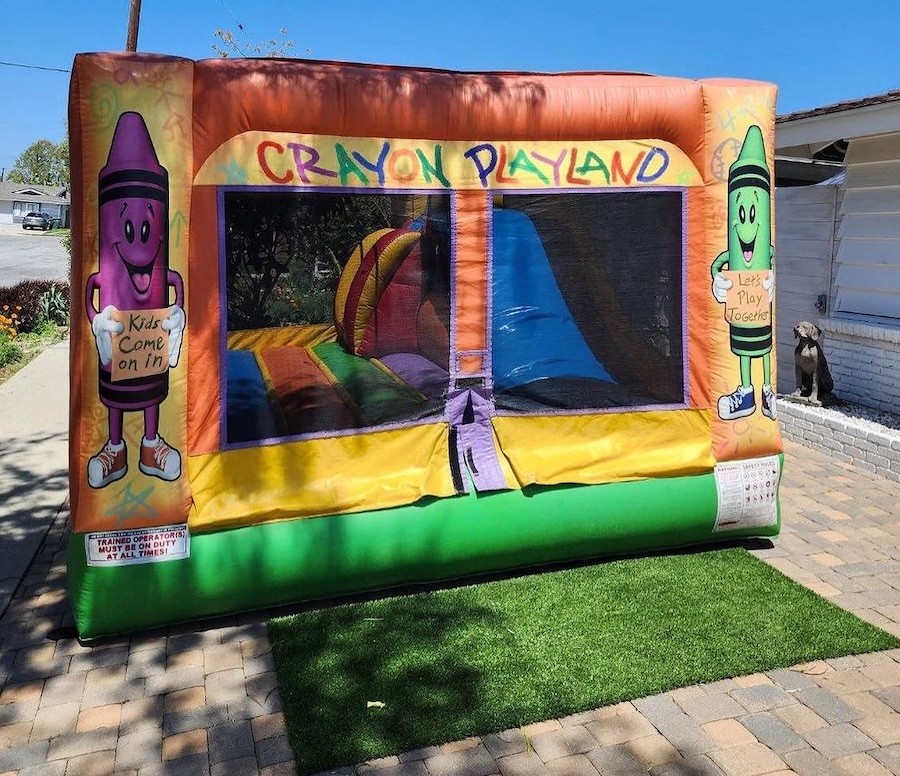
When a unit fails mid-season and you can't repair it quickly, you have two options: cancel bookings or find a replacement. That's why experienced fleet operators often maintain a relationship with a local rental company whose standards they trust. Seeing how a well-run operation like Jump High Rentals manages its Orange County fleet, including inspection protocols, cleaning standards, and unit rotation, can give AZ fleet buyers a practical benchmark for what quality management looks like at the operational level.
Building a Sustainable AZ Inflatable Fleet: Storage, Depreciation, and Inventory Planning
A commercial inflatable rental business is a capital-intensive operation, and the units themselves are depreciating assets. Understanding how to manage that depreciation is central to building a fleet that stays profitable over time rather than one that requires constant reinvestment just to stay operational.
Commercial inflatables typically have a useful rental life of three to seven years, depending on usage frequency, storage conditions, and maintenance quality. In Arizona's climate, storage conditions matter more than in many other states. Extreme summer heat accelerates vinyl degradation if units are stored in non-climate-controlled spaces. A unit stored in a 130-degree metal warehouse through an Arizona summer will age faster than one kept in a temperature-regulated facility. Factor climate-controlled storage into your overhead from the start, not as an afterthought.
Depreciation planning should inform your pricing model. If a unit costs $3,000 landed and has a five-year useful life with 150 rental days per year, you need to recover roughly $4 per rental day in depreciation alone before accounting for maintenance, storage, insurance, and labor. Most fleet operators build depreciation into their daily rental rate as a percentage of unit cost, then revisit that model annually as they gather real data on wear rates and repair frequency.
Inventory planning for an AZ fleet means thinking about seasonal demand curves, unit variety, and the balance between depth and breadth. Arizona's rental season peaks in spring (March through May) and again in fall (September through November), with summer demand dropping sharply in inland markets due to heat. A fleet built entirely for summer use will sit idle during your busiest revenue windows if you haven't accounted for the seasonal pattern. Prioritize units that perform well across dry and wet configurations, and consider how combo units (bounce house with slide) can serve multiple event types without requiring double the inventory.
For operators just starting out, the inflatable rental checklist for OC parties with 50 guests and the multi-unit inflatable rentals guide for large OC events offer practical frameworks for thinking about unit capacity and event-day logistics that translate directly to fleet planning decisions, regardless of your market.
Vendor relationships are a long-term asset, not just a transaction. Fleet operators who build ongoing relationships with one or two trusted suppliers, domestic or overseas, tend to get better pricing on repeat orders, faster support when issues arise, and earlier access to new product lines. Treat your sourcing relationships the way you treat your best client relationships: with consistent communication, clear expectations, and a willingness to invest in the partnership over time.
If you're evaluating what a well-maintained, operationally proven inflatable fleet looks like before you commit to your own purchasing decisions, browse the Jump High Rentals catalog to see the unit types and quality standards that serve Orange County events reliably. And if you have questions about how fleet management decisions translate to real-world rental operations, the Jump High contact page is a good starting point for that conversation.