
Why Safety Rules Are Part of Your Rental Product, Not an Afterthought
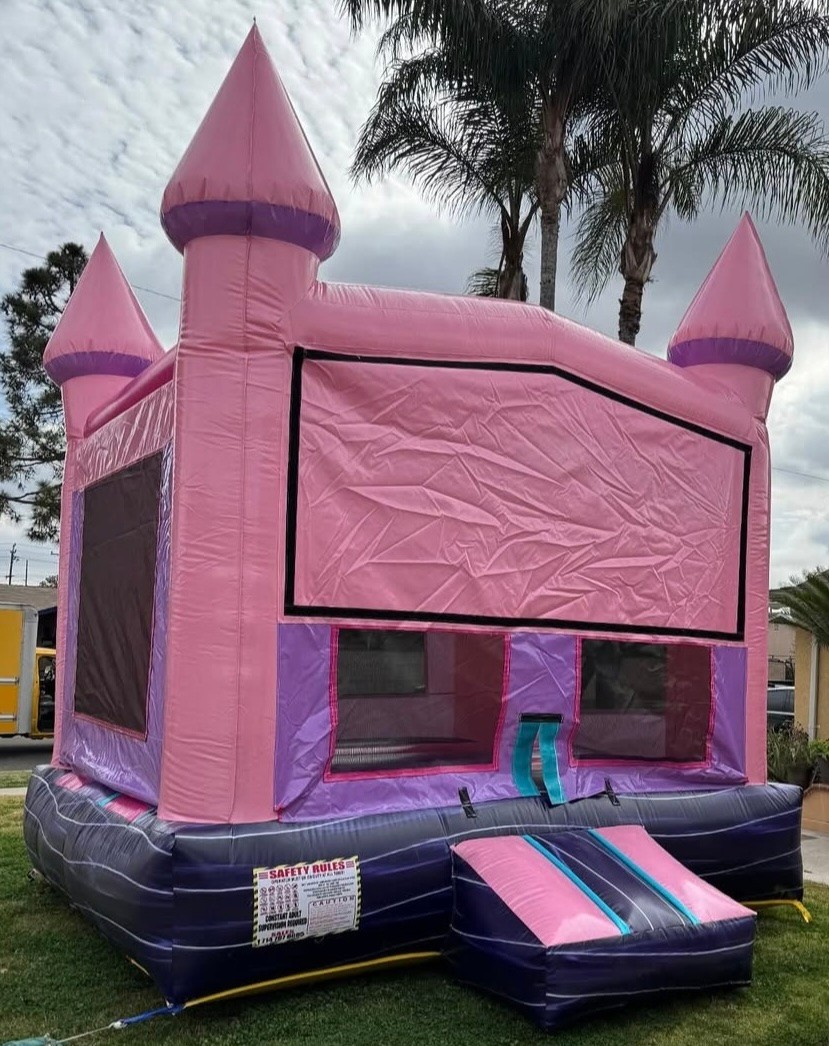
When you run a commercial inflatable rental operation, every unit you send out carries your name on it. The bounce house itself is the product, but the experience your customer has from delivery through pickup is what they remember and what they tell their neighbors about. Safety rules for kids are not a legal formality you hand off and forget. They are a core part of what you deliver, just as much as the blower motor and the anchor stakes.
Fleet owners who treat the pre-party safety briefing as an operational standard rather than a verbal suggestion tend to see fewer mid-event problems. Fewer problems mean fewer calls during the rental window, less equipment damage, and more customers who rebook. That is a straightforward business outcome, and it starts with making sure the kids at every event actually understand how to use the inflatable before anyone climbs inside.
This matters even more as you scale. When you are running one or two units on weekends, you can personally walk every family through the rules. Once your fleet grows to five, ten, or more units running simultaneously across different cities, you need a system that works without you standing there. Standardizing your safety briefing is how you protect your equipment and your reputation at the same time.
The Jump High Rentals guides library covers a wide range of operational topics for anyone thinking through how to run inflatables well. For fleet owners specifically, the principles behind every guide apply whether you are renting in Orange County or building a business in another market.
The Core Rules Kids Need to Hear Before Jumping
Before any child steps into a bounce house, they need to hear a short, clear set of rules in plain language. Not a paragraph of fine print, not a waiver read aloud. A brief, friendly explanation that sticks because it is simple and direct.
The most important rule is capacity. Every inflatable has a manufacturer-rated capacity, and that number exists because exceeding it puts stress on seams, anchor points, and the blower system. For kids, the practical version of this rule is: only a certain number of jumpers at a time, and an adult is watching the count. Your delivery team should communicate the unit-specific capacity to the host parent at setup, and that parent needs to know it is their job to enforce it during the event.
Age and size separation is the next rule that prevents most common injuries. Toddlers and older kids should not share a jumping space at the same time. The size difference creates a real risk of collision and falls. When you brief the host, make this concrete: younger kids get their own rotation, or a dedicated time window, rather than mixing freely with bigger jumpers.
No flips, no roughhousing, and no climbing the walls or netting are rules that protect both kids and your equipment. Stitching and netting can handle normal jumping loads, but repeated wall-climbing or attempted backflips put lateral stress on seams that normal use does not. Teaching kids that the bounce house is for bouncing, not gymnastics, keeps everyone safer and keeps your unit in better condition between rentals.
Shoes off before entering is a hygiene and safety rule combined. Shoes track in debris that can cause slipping, and hard soles can damage interior surfaces over time. This is an easy rule for kids to follow and easy for parents to enforce at the entrance.
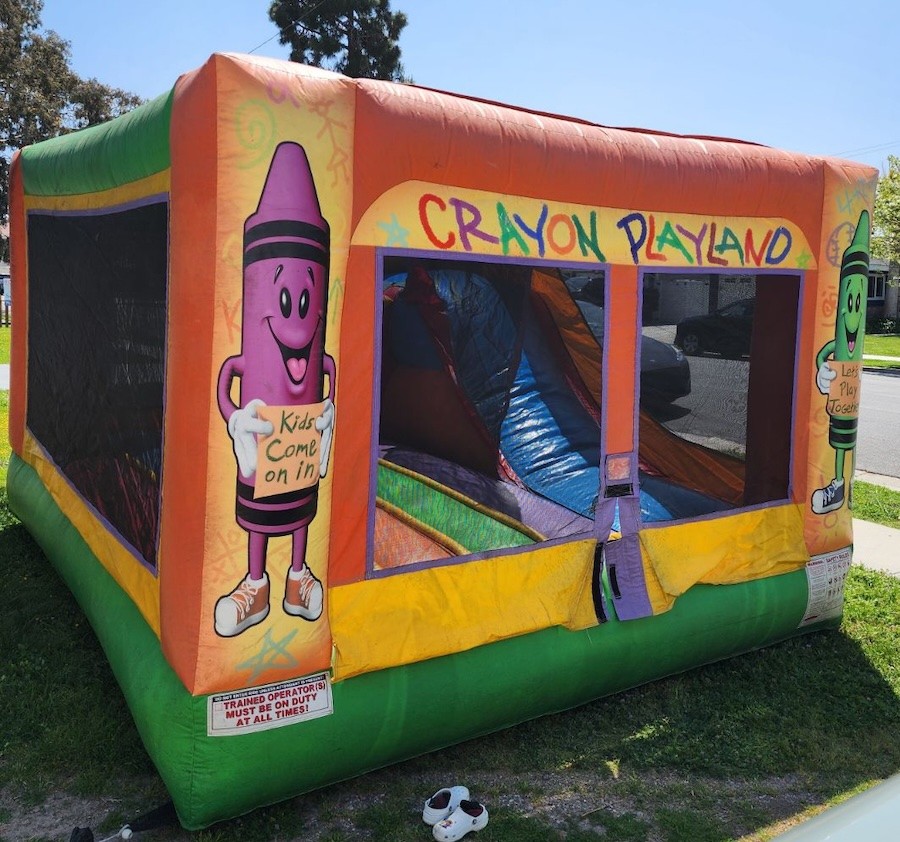
Finally, no food, drinks, or sharp objects inside the unit. This one protects your vinyl from punctures and staining. A juice box dropped inside a bounce house is a slip hazard and a cleaning problem. A forgotten toy with a hard edge is a puncture risk. Brief the host clearly on this, and consider including a simple sign or card that restates it at the entrance.
For more on how supervision works alongside these rules, the supervising kids on inflatables practical OC guide walks through what attentive adult oversight looks like during an event.
How Fleet Owners Can Standardize the Safety Briefing at Delivery
The challenge for any growing rental operation is consistency. Your delivery crew changes, your customers range from experienced party hosts to first-time renters, and the chaos of a setup window does not always leave room for a thorough conversation. Building a repeatable briefing system solves this.
Start with a written handout. A single laminated card or a printed sheet that lists the core rules in plain language gives the host something to reference after your crew leaves. Keep it short, five to seven rules at most, and write it at a reading level that a parent can read aloud to a group of kids in under two minutes. Include the capacity number for the specific unit you delivered, filled in by your crew at setup.
Train your delivery team to deliver the same verbal briefing at every drop-off, regardless of how experienced the customer seems. A two-minute walkthrough at the end of setup is the standard, not optional. Cover the capacity limit, the age and size separation rule, no shoes, no food, and who to call if the blower stops or the unit shows any sign of deflation. That last point matters because customers who know what to do in a minor equipment situation are less likely to panic or let kids continue jumping on a partially deflated unit.
Consider a brief sign-off step where the host acknowledges the briefing. This does not need to be a formal document, but a simple verbal confirmation that they heard the rules and understand the capacity limit creates a shared moment of accountability. It also signals to the customer that you take this seriously, which builds confidence in your operation.
For events with larger guest counts, the inflatable rental checklist for OC parties with 50 guests offers a useful framework for thinking through what the host needs to manage on their end. The same logic applies to any large event regardless of geography.
Equipment Conditions That Reinforce the Rules You Teach
Safety rules only work when the equipment supports them. A bounce house with worn anchor points, a blower that struggles to maintain pressure, or netting that has visible stress tears sends a contradictory message: the operator says safety matters, but the equipment tells a different story.
For fleet owners, this means building a regular inspection routine into your operations. Before every rental, check the blower for proper inflation and consistent pressure. Inspect seams and stitching for any signs of wear, especially at high-stress points like corners and entrance frames. Check anchor stakes and sandbags to confirm they are in good condition and that your crew is using them correctly at every setup.
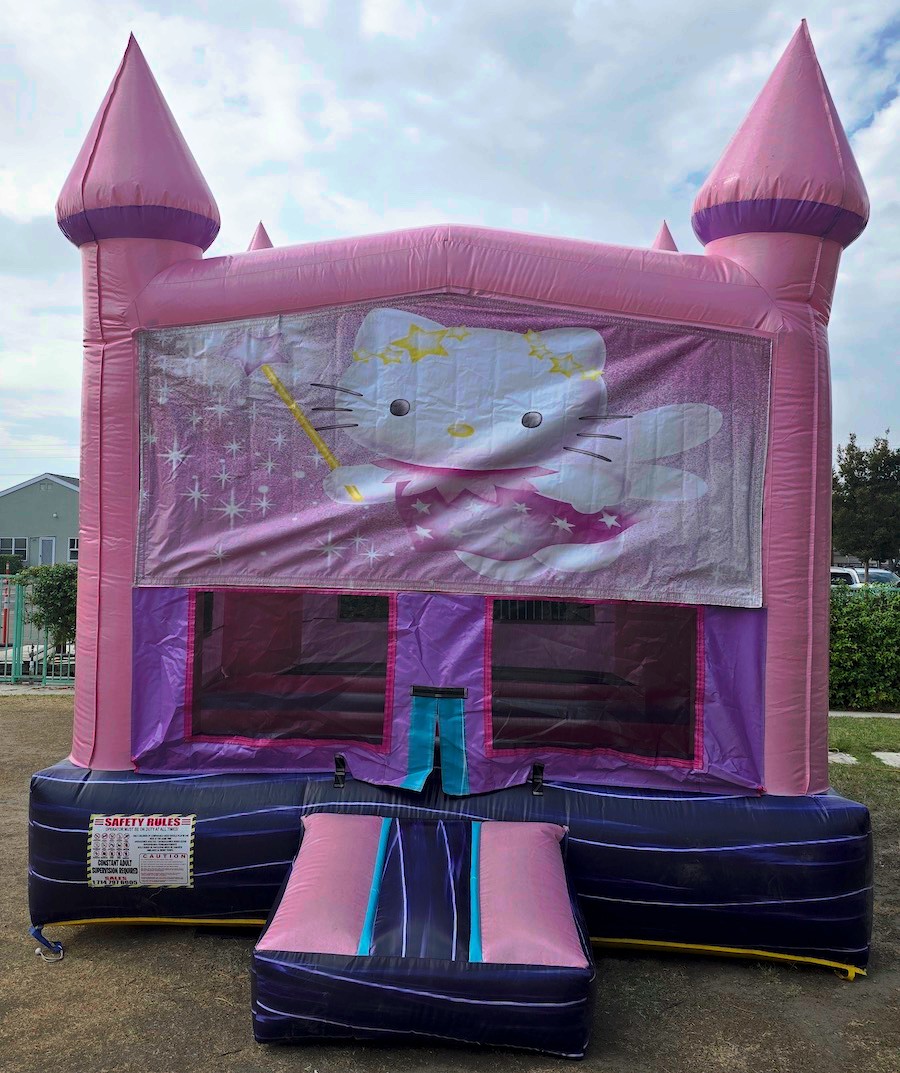
The bounce house anchoring and staking setup guide covers the mechanics of proper anchoring in detail. For fleet owners, this is not just a setup tip. It is a maintenance standard that your crew should follow consistently, because an improperly anchored unit is a liability regardless of how well you briefed the host.
Cleanliness also reinforces your safety message. A unit that arrives visibly clean signals to the host and the kids that this equipment is cared for. It also reduces the chance that debris left from a previous rental creates a slip or puncture hazard. The how inflatables are cleaned and sanitized in OC guide outlines what a thorough cleaning process looks like between rentals.
When your equipment is in excellent condition, the safety rules you teach carry more weight. You are not just asking kids to follow rules on a worn-out unit. You are showing them that the equipment itself is ready for safe use, and that the company behind it takes that seriously.
Building a Safety-First Reputation That Grows Your Rental Fleet
In the inflatable rental business, reputation travels fast. A family who has a smooth, safe experience at a birthday party tells other parents. A school or church that runs a clean, well-supervised event with your equipment books you again for the next one. The inverse is also true: a single incident tied to unclear rules or poorly maintained equipment can follow a small operation for years.
Building a safety-first reputation is not about marketing language. It is about operational consistency. Every delivery follows the same briefing protocol. Every unit goes out clean and fully inspected. Every host receives the same clear information about capacity and rules. When that is your standard, customers notice, even if they cannot articulate exactly why they trust you more than the next company on the list.
For fleet owners thinking about scaling, this consistency becomes a competitive advantage. Larger customers, schools, HOAs, churches, and corporate event planners, tend to ask more questions about how you operate before they book. A clear answer about your safety briefing process, your inspection routine, and your equipment standards is often what moves you from a quote to a confirmed booking. Those customers also tend to book larger orders and return year after year.
The bounce house rules to share with your guests guide offers a customer-facing version of many of the same principles covered here, which you can adapt into your own handout materials.
If you are building or expanding a rental fleet and want to think through event-day logistics, delivery standards, or how to set up your operation for consistent growth, the Jump High Rentals contact page is a good place to start a conversation. The rentals catalog and the FAQ are also useful resources for understanding what a well-run inflatable rental operation looks like from the inside out.
Safety rules reviewed with kids before the party are not a checkbox. They are the foundation of a rental experience that protects everyone involved, keeps your equipment in service longer, and builds the kind of trust that turns a single booking into a long-term customer relationship.