
Why Warranty Terms Matter More Than Unit Price
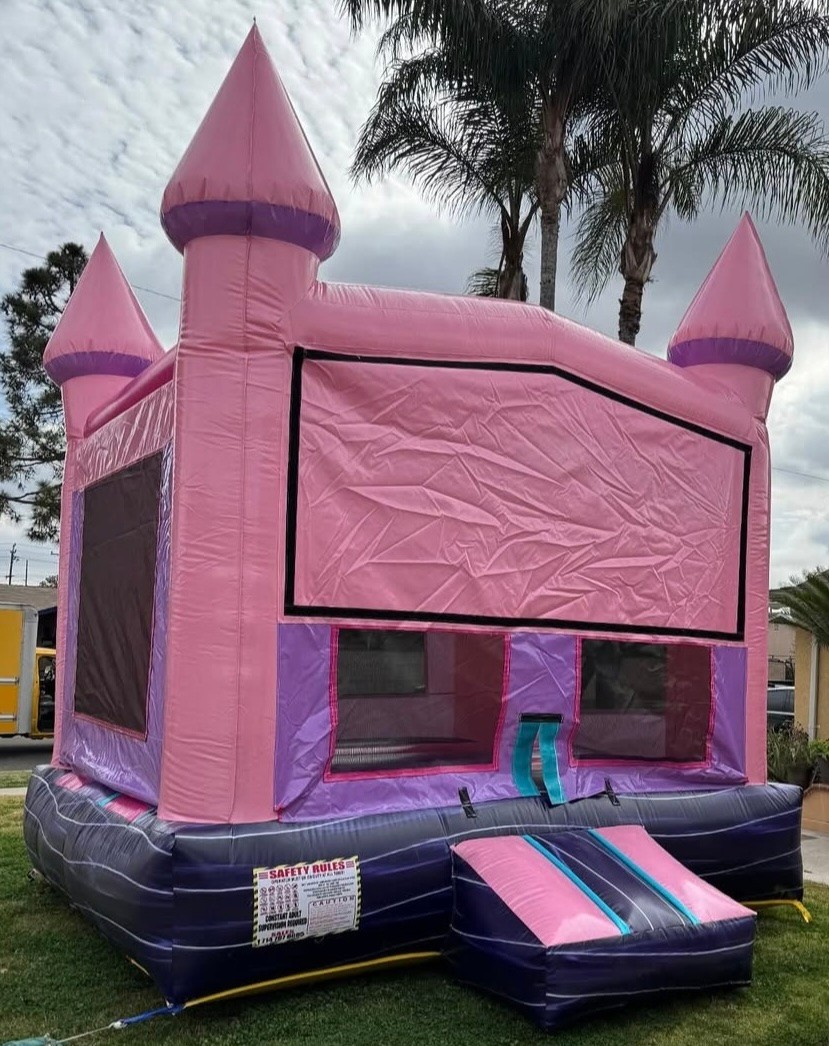
When you're building a commercial inflatable fleet, the sticker price on a bounce house or waterslide is only the beginning of the financial story. The warranty terms attached to that unit determine how much you'll actually spend over the next three to five years of rental cycles. A $3,000 unit with a weak warranty can cost you far more in repairs, downtime, and replacement parts than a $4,500 unit backed by a vendor who stands behind their product.
Fleet buyers in Oregon and across the country often make the mistake of treating warranty coverage as an afterthought, something to skim after the purchase decision is already emotionally made. That's exactly when deceptive or thin warranty language does the most damage. A commercial inflatable gets used hard. Seams split, blower ports wear, anchor points fray, and vinyl panels take UV abuse across hundreds of rental days. Without meaningful warranty protection, every one of those repair events comes out of your operating margin.
The practical question isn't whether a unit has a warranty. Nearly every manufacturer offers one. The real question is whether that warranty will actually protect your investment when something goes wrong six months into your first busy season.
Red Flags Hidden in Warranty Language
The most damaging warranty terms are the ones that sound reasonable until you need to use them. Watch for these patterns in any contract before you sign.
Vague "commercial use" exclusions are the most common trap. Some warranties cover inflatables for "residential or light commercial use" without defining what "light" means. If your unit runs four to six rental days per week during peak season, a vendor can argue that usage pattern voids coverage. Push for explicit language that defines acceptable rental frequency or confirms full commercial rental use is covered.
Seam and stitching carve-outs appear in warranty documents as phrases like "normal wear and tear is excluded." Seams are the most failure-prone part of any inflatable. If seam separation is categorized as wear and tear rather than a manufacturing defect, you're paying for every repair out of pocket. A credible manufacturer will warrant seams against defects for at least one to two years on commercial-grade units.
Parts availability windows that are shorter than the warranty period itself are another red flag. A vendor might offer a three-year warranty but only guarantee parts availability for eighteen months. Once replacement blowers, zipper pulls, or anchor D-rings go out of stock, your warranty becomes unenforceable in practice even if it's still technically active on paper.
Arbitration-only dispute clauses buried in the fine print can limit your options if a vendor refuses a legitimate claim. This doesn't make a warranty worthless, but it does mean you should understand the process before you're in a dispute rather than after.
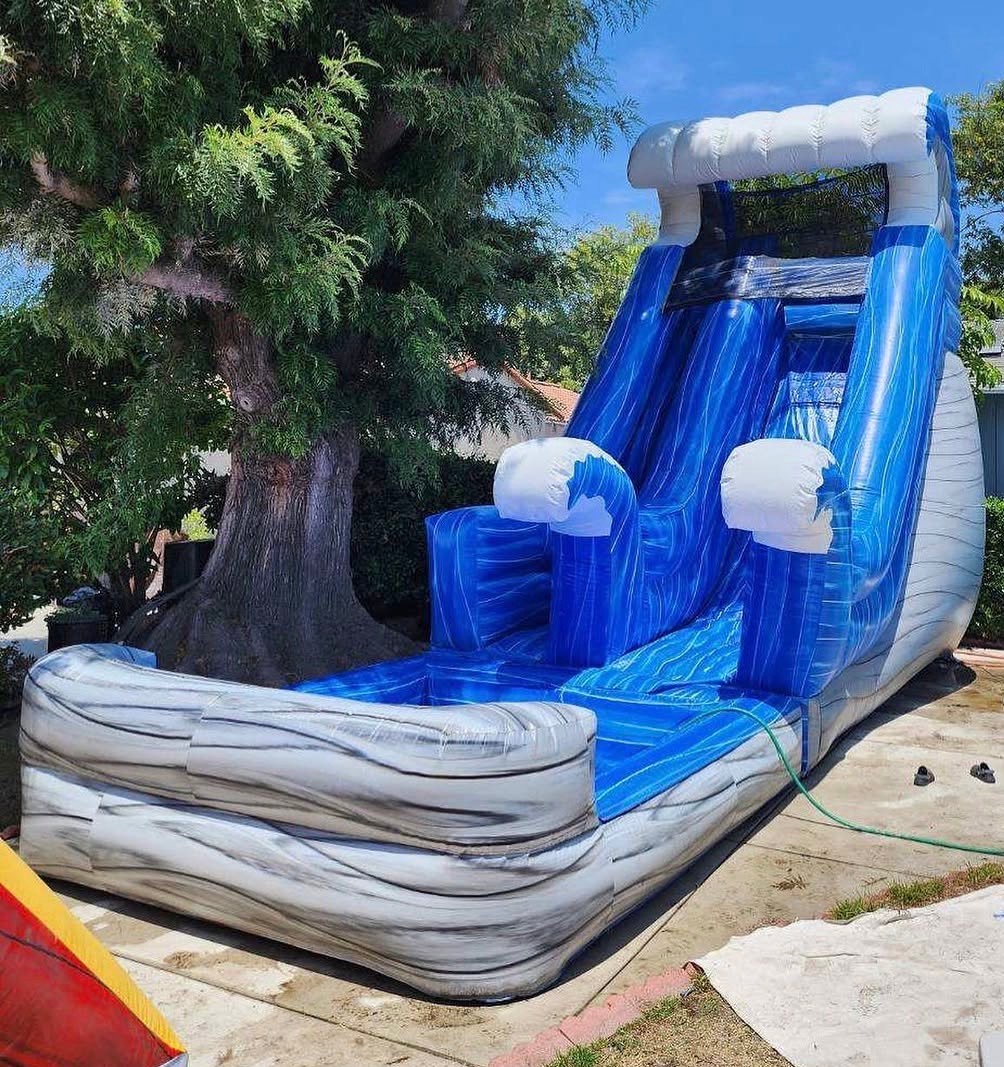
Pro-rated coverage that drops steeply in year one is worth scrutinizing closely. Some warranties cover 100 percent of repair costs for the first 90 days, then drop to 50 percent by month six. For a fleet buyer who may not deploy a new unit immediately after purchase, that coverage window can expire before the unit has even completed its first full rental season.
Vendor Support Gaps That Cost You Rental Days
A warranty document is only as good as the vendor behind it. Support gaps, not just contract language, are where fleet buyers lose rental revenue they can never recover.
Response time commitments are rarely spelled out in warranty terms, but they matter enormously. If a unit fails on a Friday afternoon before a Saturday event, a vendor who takes five to seven business days to respond to a warranty claim has effectively handed you a cancellation and a refund request. Ask vendors directly: what is your average response time on warranty claims, and do you have a process for urgent repair situations?
Repair versus replace policies vary widely. Some vendors will ship replacement panels or blowers quickly. Others require you to ship the entire unit back to their facility, which can mean two to four weeks of downtime for a large obstacle course or waterslide. For fleet buyers, a unit sitting in a freight queue is a unit not generating revenue. Understand the repair logistics before you buy, not after.
Authorized repair networks matter if you're operating in Oregon or another state where the manufacturer doesn't have a local service center. Ask whether the vendor has authorized third-party repair shops in your region, or whether all warranty work must go through a single facility. A manufacturer with no regional repair presence is a meaningful operational risk for a fleet owner outside their home market.
Documentation requirements for warranty claims can also create friction. Some vendors require detailed incident reports, photos taken within 24 hours of damage, and written confirmation from a certified inflatable inspector before they'll process a claim. None of those requirements are unreasonable on their own, but if you don't know about them in advance, you may miss a claim window simply because you didn't document the damage correctly on the day it occurred.
Freight, Delivery, and Damage Claim Pitfalls
Commercial inflatables ship as large, heavy freight, and the handoff between manufacturer and carrier is where damage claims get complicated. Understanding this process before you order protects your investment from the moment a unit leaves the factory.
Inspect every shipment before signing the delivery receipt. This is the single most important step fleet buyers skip. Once you sign a clean delivery receipt, you've accepted the shipment as undamaged. If you later discover a torn seam, a crushed blower housing, or a punctured panel, the carrier will point to your signature as evidence the damage didn't happen in transit. Open crates or unwrap packaging on-site if at all possible, and note any visible damage on the delivery receipt before the driver leaves.
Understand who files the freight claim. Some manufacturers handle freight claims on your behalf if damage occurs in transit. Others require you to file directly with the carrier, which means navigating the carrier's claims process with your own documentation. Ask your vendor which model they use and what their track record looks like on freight damage resolution.
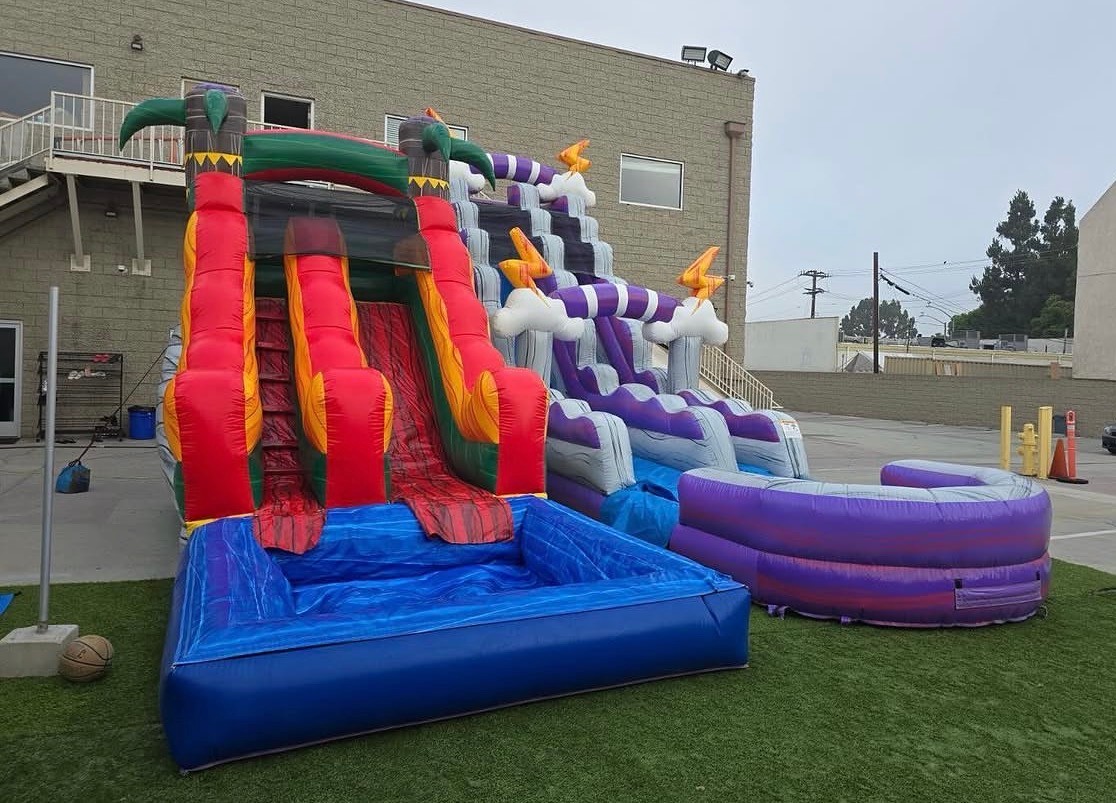
Crating versus blanket wrap affects damage risk significantly. Crated units arrive better protected than blanket-wrapped freight, but crating adds cost and the crate itself becomes your problem to dispose of. For high-value units like large waterslides or multi-lane obstacle courses, crating is usually worth the added freight cost. For smaller bounce houses, blanket wrap with proper padding may be sufficient. Get clarity on how your specific units will ship before you finalize the order.
Lead times and seasonal demand create their own risk. If you order in March for a Memorial Day launch and the manufacturer is running six to eight weeks out, a freight delay of even ten days can push your first rental weekend into jeopardy. Build buffer time into your purchasing calendar, and confirm the manufacturer's current lead time at the moment you place the order, not the lead time listed on their website from three months ago.
How to Vet a Vendor Before You Commit
The best time to evaluate a vendor's warranty reliability is before any money changes hands. A few direct steps can reveal a great deal about how a manufacturer will treat you when something goes wrong.
Ask for references from fleet operators in your region. A manufacturer who sells commercial inflatables regularly should be able to connect you with other rental business owners who have filed warranty claims and can speak to the experience. If a vendor hesitates or offers only testimonials from their own website, that's worth noting.
Request a sample warranty document before you request a quote. Some vendors will only share warranty terms after you've expressed purchase intent, which puts you in a weaker negotiating position. A confident manufacturer with strong warranty terms will share the document early. Reading it before you're emotionally invested in a specific unit makes it easier to spot problems objectively.
Check ASTM compliance and safety certifications. Commercial inflatables should meet ASTM F2374 and F2375 standards for design and operation. A vendor who can't confirm their units are built to current ASTM standards may also be cutting corners on materials and construction quality, which will show up in warranty claims down the road.
Look for vendor longevity and domestic support presence. A manufacturer who has been in business for ten or more years and has a U.S.-based customer service team is meaningfully different from a newer importer with overseas-only support. Warranty claims require ongoing communication, and time zone gaps and language barriers add friction to every interaction.
Negotiate warranty terms before finalizing the purchase. Fleet buyers purchasing multiple units have leverage. Use it. Ask for extended seam warranties, parts availability guarantees, or expedited claim response commitments in writing. A vendor who won't negotiate any warranty terms on a multi-unit order is telling you something about how they'll handle disputes later.
If you're early in the process of building a rental fleet and want to understand how commercial inflatables perform in real-world rental conditions before committing to a purchase, renting from an established local operator is a practical way to evaluate unit types, capacity, and durability firsthand. The team at Jump High Rentals works with Orange County events of all sizes and can speak to how different inflatable categories hold up across rental seasons. You can also browse the Jump High rentals catalog to see the unit types that perform well in high-frequency rental environments, which is useful context whether you're buying for Oregon or anywhere else. For more planning resources, the Jump High guides library covers everything from fleet inventory planning to delivery logistics.