
Bounce House Safety Checklist for OC Supervising Adults
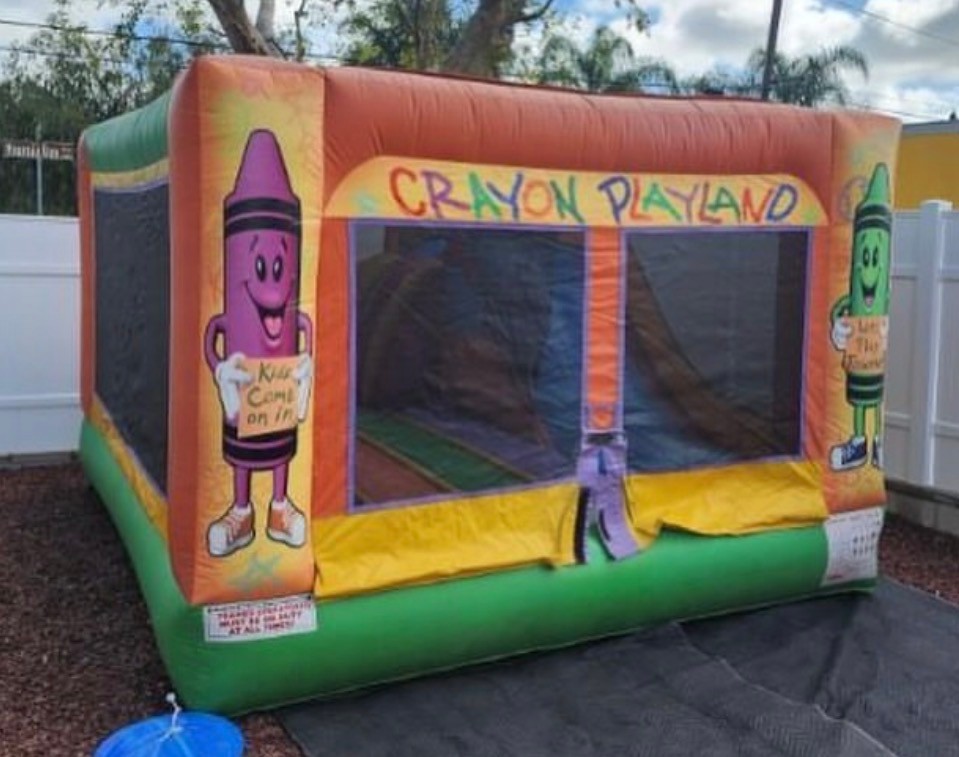
Renting a bounce house for a backyard birthday in Orange County is one of the easiest ways to keep a crowd of kids happy for hours. The setup crew handles the heavy lifting, and the kids handle the rest. But between delivery and pickup, the supervising adults at your party carry real responsibility. A little preparation goes a long way toward making sure everyone goes home happy and unhurt.
This checklist is written for the parent or adult host who wants to feel genuinely ready, not just vaguely aware that "someone should watch the bounce house." Use it the day before your event, during setup, and throughout the party itself.
Before the Party: Site Prep and Setup Checks
Good supervision starts before the first child arrives. The condition of your yard and the quality of the setup directly affect how safe the inflatable will be for the next several hours.
The day before your rental: Walk the setup area and clear it completely. Remove sprinkler heads, lawn decorations, dog toys, and any pet waste. Mow the grass if it has grown tall, since long grass can hide debris and make staking harder. Trim or flag any low-hanging branches that might brush against the inflatable once it is fully inflated.
Confirm the path from your driveway or gate to the setup spot is wide enough for the delivery crew to move the unit without obstacles. Jump High Rentals crews bring everything needed for a proper installation, but a clear path helps the process go smoothly and keeps your yard from getting torn up in the process.
During setup: Stay present while the crew works. Watch where the stakes go and ask questions if anything looks unclear. Professional crews use heavy-duty metal stakes, typically 30 to 40 inches long, placed at regular intervals around the unit. On concrete or hard surfaces where stakes cannot go into the ground, sandbags provide the anchoring weight instead.
Check the power connection before the crew leaves. Most inflatables run on a standard 20-amp circuit. The extension cord should be a GFCI-rated cord, and the outlet it plugs into should be on a dedicated circuit if possible. If your nearest outlet is more than 25 feet from the setup spot, let the rental company know in advance so they can plan accordingly.
Before the crew leaves, confirm the blower is secured and that children will not be able to reach it. The blower area is off-limits during the entire event.
Before Kids Enter: Rules, Capacity, and Supervision Stations
The five minutes before children start bouncing are the most important five minutes of your party. This is when you set expectations clearly, and when you position your adult supervisors so there are no blind spots.
Set up a shoe and jewelry station near the entrance. A small bin or basket near the inflatable entrance makes it easy to enforce the no-shoes, no-jewelry rule consistently. Flip-flops, sneakers, and accessories with sharp edges or buckles can cause injuries inside the bounce house. Make the station visible so parents dropping kids off understand the rule without needing a separate explanation.
Announce the rules out loud before the first group enters. Cover these basics: no running, no flipping, no climbing the walls, and no pushing. Keep the announcement short and friendly. Kids respond well to clear instructions delivered with a smile.
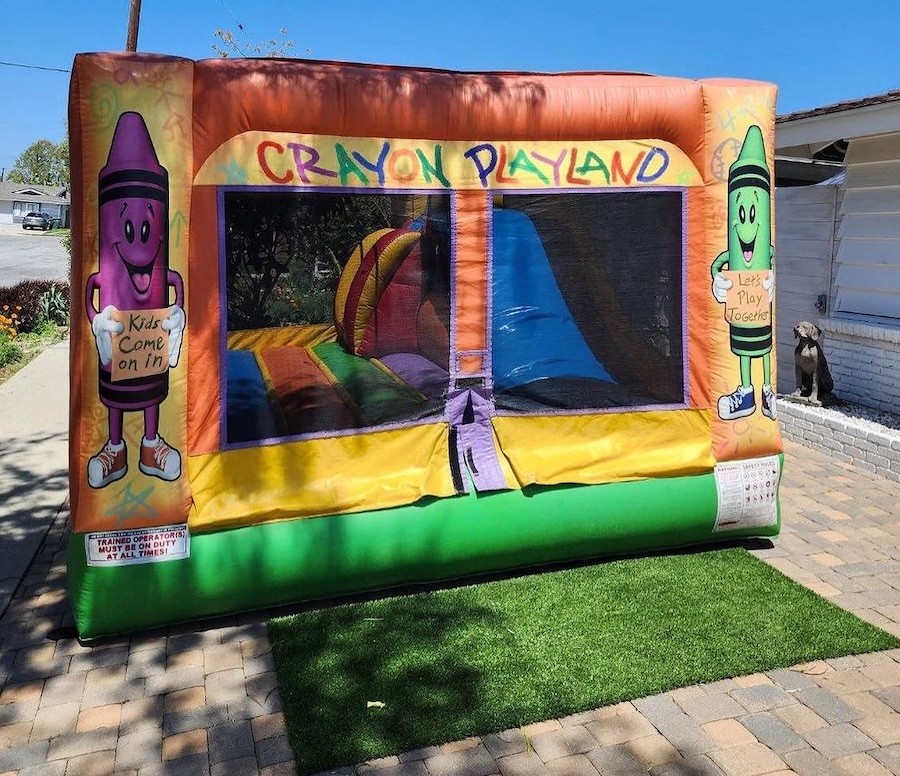
Group children by age and size before they enter. Mixing a five-year-old and a twelve-year-old in the same bounce session creates a size mismatch that raises the risk of collision injuries. Organize kids into age brackets and set a rotation schedule so each group gets dedicated time inside.
Enforce capacity limits strictly. The manufacturer's recommended occupancy number is not a suggestion. Overcrowding is one of the most common causes of bounce house injuries. Post the capacity number near the entrance and assign one adult the specific job of counting children in and out.
Position your first supervisor with a full line of sight. The supervising adult needs to see every corner of the interior, not just the entrance. Stand to the side of the unit, not directly in front of the entrance, so you can see the full interior through the mesh netting.
During the Event: What Supervisors Should Watch Every 30 Minutes
Supervision fatigue is real. An adult who has been watching the bounce house for 90 minutes straight is far less alert than one who just rotated in. Build a rotation schedule into your party plan before guests arrive.
Rotate supervisors every 30 minutes. Write the schedule down and share it with the other adults at your party. Treat it like a real assignment, not a casual suggestion. When the outgoing supervisor hands off, they should give a quick verbal update: how many kids are inside, whether any rules have been broken, and whether anything looked unusual.
Check the anchor points and blower connection at each rotation. A quick visual check takes 30 seconds. Look for any stakes that have shifted, any sandbags that have moved, and confirm the blower is still running steadily. If the inflatable looks saggy, wrinkled, or distorted in any section, remove children immediately and check the blower connection before allowing anyone back in.
Monitor weather conditions hourly. Orange County weather is generally mild, but afternoon wind can pick up quickly, especially in inland areas and hillside neighborhoods. Check wind speed on your phone at each supervisor rotation. If winds reach 15 mph, shut down and deflate. Do not wait to see if conditions improve.
Plan water breaks every 20 minutes during warm weather. OC summers are warm enough that children bouncing in direct sunlight can overheat faster than they realize. Set a timer and call a water break on schedule. Position a water station close to the bounce house so kids do not have to walk far. If the inflatable surface feels hot to the touch, mist it lightly with water to cool it down before children re-enter.
Address rule violations immediately. Running, flipping, and pushing should result in a brief time-out from the bounce house. Consistent enforcement keeps the environment safer for every child inside and signals to all the kids that the rules are real.
Here is a quick reference for what to check at each supervisor rotation:
- Anchor stakes and sandbags are in their original positions
- Blower is running steadily and the cord has not been disturbed
- Current wind speed is below 15 mph
- Capacity limit is being observed at the entrance
- No shoes or jewelry have made it inside
- Children are grouped by age with no large size mismatches
- Water break is on schedule if temperatures are warm
When to Shut Down: Weather, Heat, and Deflation Warning Signs
Knowing when to end the bounce house session is just as important as knowing how to run it safely. The goal is not to be the adult who ruins the party. The goal is to be the adult who made the right call before something went wrong.
Shut down for wind above 15 mph. If the inflatable is visibly swaying, if flags or loose clothing are fluttering strongly, or if your weather app shows wind speeds at or above 15 mph, deflate the unit. Wind is the most common weather-related cause of bounce house incidents. Do not wait for a gust to become a problem.
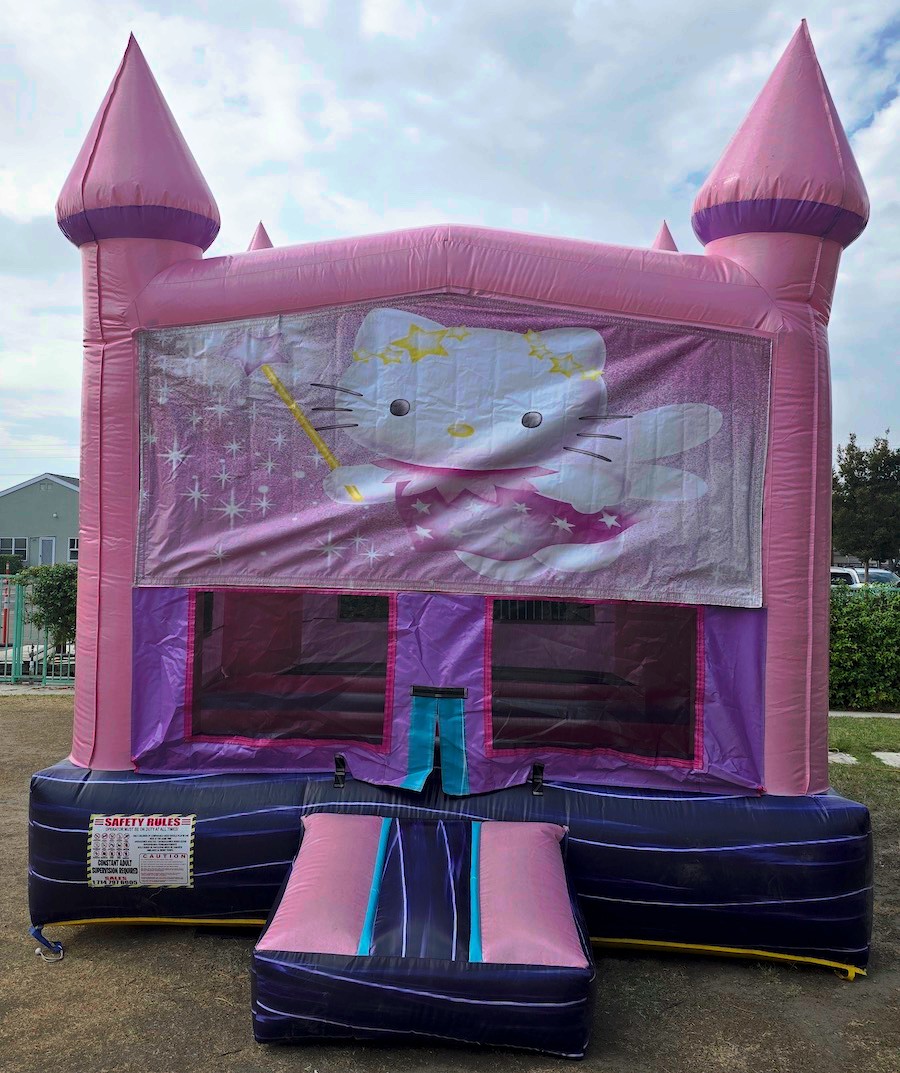
Shut down for rain if the unit is not rated for wet use. Standard bounce houses are dry units. If rain starts, deflate and cover the unit. Wet vinyl becomes slippery and significantly raises the risk of falls. If you rented a waterslide or a combo unit rated for water use, check with Jump High Rentals about the specific guidelines for that unit before the event.
Shut down if the inflatable deflates partially during use. A sagging or distorting inflatable means the blower is not maintaining pressure. Remove all children immediately. Check whether the blower is still plugged in and running. Do not allow children to re-enter until the unit is fully inflated and you have confirmed the blower is functioning correctly.
Shut down if the surface is too hot to touch. In direct summer sun, dark-colored vinyl can heat up enough to cause skin discomfort or burns. If the surface feels uncomfortably warm to your hand, move the unit to a shaded area if possible, mist it with water, and wait for the surface temperature to drop before allowing children back in. This is a genuinely common situation during OC summer parties, so it is worth checking the surface temperature before the first session of the day.
Common Mistakes OC Parents Make (and How to Avoid Them)
Even well-prepared hosts can fall into a few predictable patterns. Here are the ones that come up most often at backyard parties across Orange County.
Assuming one adult can supervise alone for the whole party. One person watching 15 kids for three hours is not realistic. Supervision fatigue sets in, attention drifts, and small rule violations go uncorrected. Plan for at least two adults in rotation from the start, and make sure both know the schedule before guests arrive.
Letting older kids and toddlers bounce together. The size difference between a three-year-old and a ten-year-old is significant inside a bounce house. Keep age groups separate, even if it means shorter individual sessions for each group. The kids will still have plenty of fun, and the risk of collision injuries drops considerably.
Skipping the pre-entry rules announcement. It feels awkward to stop a group of excited kids and give a safety speech. Do it anyway. Kids who hear the rules clearly before they enter are far more likely to follow them throughout the session.
Ignoring the afternoon wind. Morning setup often happens in calm conditions. By early afternoon, especially in areas like Irvine, Anaheim Hills, or Rancho Santa Margarita, wind can pick up noticeably. Keep checking conditions throughout the event, not just at setup time.
Not knowing where the blower plug is. In an emergency, you need to be able to deflate the unit quickly. Before the party starts, locate the blower, trace the extension cord to the outlet, and make sure every supervising adult knows exactly where the plug is. This takes two minutes and could matter a great deal if something unexpected happens.
Leaving the setup crew unattended during installation. You do not need to hover, but staying present during setup means you can ask questions, understand how the unit is anchored, and confirm the power connection before the crew leaves. That knowledge makes you a more confident supervisor for the rest of the event.
Jump High Rentals delivers bounce houses, obstacle courses, waterslides, and party inflatables across Orange County with full setup and pickup included. When the crew arrives at your home, they walk you through the unit so you feel confident before the first child steps inside. If you have questions about setup requirements, power needs, or which inflatable fits your yard and guest count, reach out before your event date. A quick conversation before delivery makes the day of your party much smoother.
Ready to book? Contact Jump High Rentals to check availability for your date and find the right inflatable for your backyard.