
Why Freight Specs Matter Before You Place an AZ Order
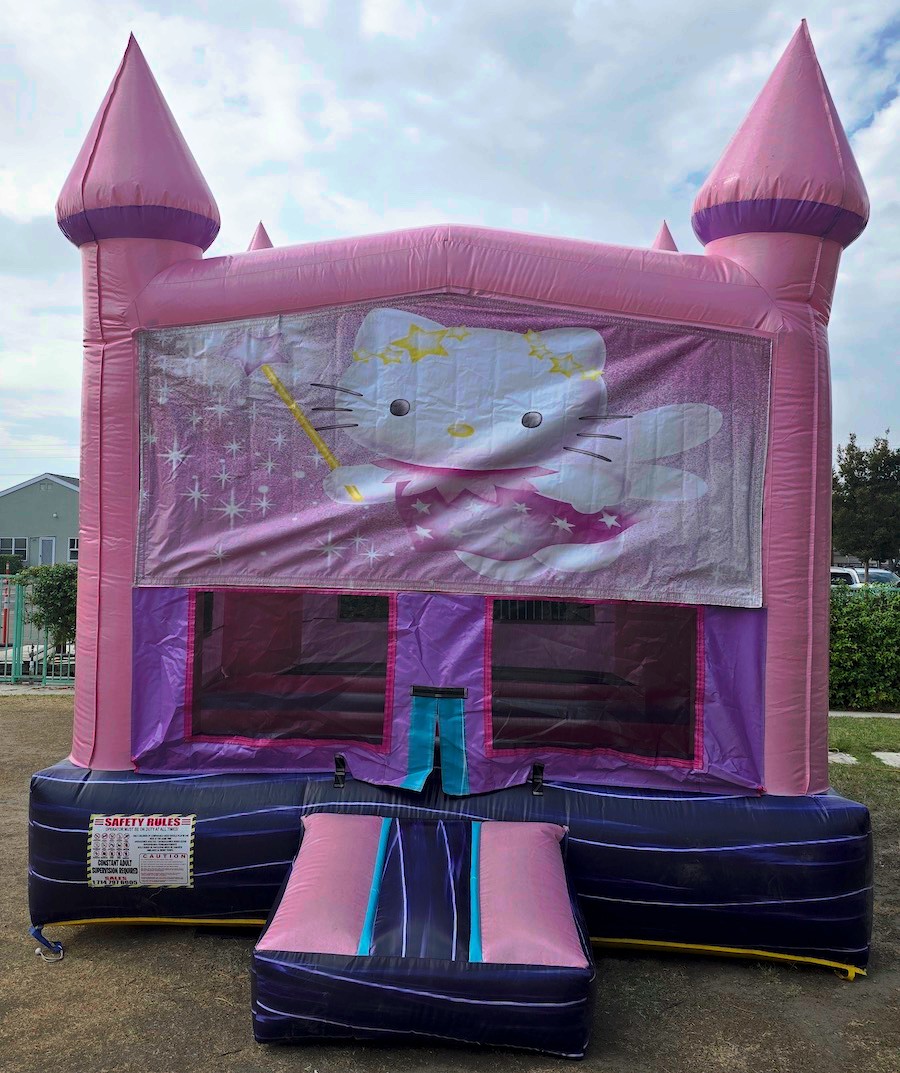
If you're sourcing commercial inflatables for a rental fleet in Arizona, the unit price on the manufacturer's quote sheet is only part of the story. Freight costs, crating requirements, and lead times can add thousands of dollars to your landed cost per unit, and a single miscommunication with a carrier can delay your launch by weeks. Getting clear on freight specs before you sign a purchase order is one of the most practical things you can do to protect your capital.
Arizona's geography shapes this more than buyers often expect. Whether you're receiving a shipment in Phoenix, Tucson, Flagstaff, or a smaller market like Prescott, your distance from major West Coast ports and domestic distribution hubs affects both your freight rate and your delivery window. LTL (less-than-truckload) carriers serving AZ routes from Los Angeles or Long Beach typically add a day or two compared to California-based buyers, and fuel surcharges on those lanes have remained elevated through 2026. If you're ordering from an overseas manufacturer, the port-to-door leg is where most of the cost variability lives.
Beyond cost, freight specs determine whether your units arrive in usable condition. Commercial inflatables are large, heavy, and awkwardly shaped. A bounce house or obstacle course that ships without adequate crating or internal bracing can arrive with torn seams, bent blower mounts, or compressed vinyl that takes days to fully re-inflate and inspect. Knowing what to require from your supplier before the order ships saves you from filing damage claims and waiting on replacements during your busiest booking season.
Crating Standards for Commercial Inflatables: What to Expect
Commercial inflatables don't ship like standard retail freight. A mid-size bounce house typically rolls or folds down to a bundle weighing 200 to 400 pounds, while a full obstacle course or large combo unit can exceed 600 pounds per pallet. The way that weight is packaged determines how carriers handle it and whether it survives the transit intact.
Reputable domestic manufacturers generally ship on reinforced wood pallets with the inflatable tightly rolled, wrapped in poly sheeting, and banded with heavy-duty strapping. Some suppliers add a plywood top cap to protect the bundle from forklift tines and stacked freight. For overseas orders, crating standards vary significantly by factory. Higher-end Chinese manufacturers often use export-grade wooden crates with internal foam blocking, which is the format you want to request in writing. Lower-tier suppliers may ship in cardboard-wrapped bundles that are adequate for ocean transit but vulnerable during the domestic drayage leg from the port to your AZ warehouse.
When reviewing supplier quotes, ask specifically whether the unit price includes export crating or whether crating is billed separately. Some factories charge $80 to $200 per unit for proper wooden crating, and that cost is worth paying. Also confirm whether the blower ships inside the crate with the inflatable or as a separate carton. Blowers shipped loose are a common source of transit damage, and replacing a commercial blower can run $150 to $400 depending on the unit size.
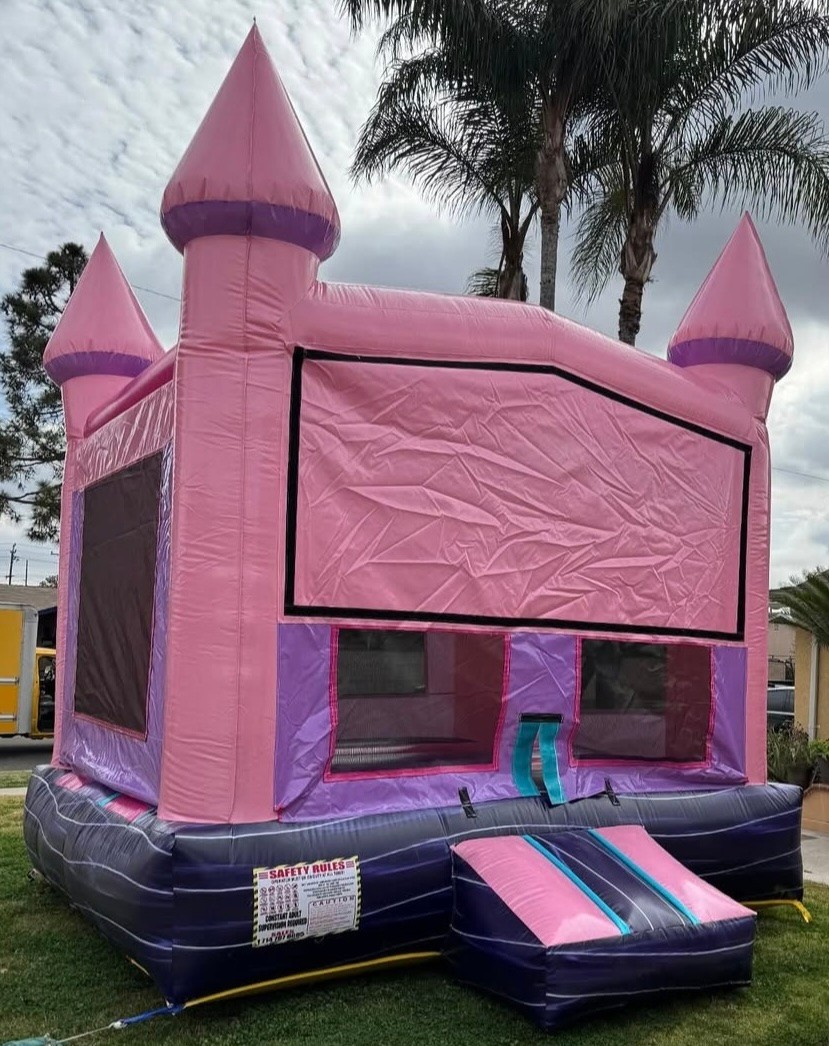
ASTM F2374 compliance should be a baseline filter in your sourcing process. Units that meet this standard are built to commercial-grade specs, which generally means heavier-gauge vinyl, reinforced stitching at stress points, and proper anchor attachment points. Manufacturers who can document ASTM F2374 compliance tend to take crating and quality control more seriously across the board, making them lower-risk freight partners as well. The ASTM International standards catalog is a useful reference if you want to review the standard's scope before your next supplier conversation.
Realistic Lead Times: Domestic vs. Overseas Suppliers
Lead times for commercial inflatables in 2026 fall into two broad categories depending on whether you're sourcing domestically or overseas, and the gap between them is substantial.
Domestic suppliers, meaning manufacturers or distributors based in the United States, typically quote lead times of two to four weeks for in-stock units. Custom orders or units requiring specific color combinations or branding can push that to six to eight weeks. Domestic freight from a Midwest or Southeast manufacturer to an AZ delivery address generally adds three to seven business days via LTL carrier, depending on the origin point and whether you're in a major metro or a rural area. The main advantage of domestic sourcing is predictability. You're not subject to port congestion, customs holds, or ocean freight rate spikes.
Overseas suppliers, primarily manufacturers in China, offer lower per-unit costs but require significantly longer planning horizons. Production lead times from Chinese factories typically run four to eight weeks after order confirmation and deposit receipt. Ocean transit from a South China port to the Port of Long Beach or Los Angeles adds another three to five weeks under normal conditions. Customs clearance, drayage from the port, and LTL delivery to your AZ location can add another one to two weeks. In a best-case scenario, you're looking at eight to twelve weeks from order to delivery. In a year with port congestion or customs delays, fourteen to sixteen weeks is realistic.
The practical implication for AZ fleet buyers is straightforward. If you're planning to launch or expand your fleet for spring and summer bookings, overseas orders need to be placed by January at the latest to arrive with any buffer. Domestic orders give you more flexibility, but even those require a four to six week runway if you want units inspected, cleaned, and ready before your first rental date. Building a simple procurement calendar and working backward from your target launch date is one of the most effective planning tools you can use.
Receiving and Inspecting Your Shipment in Arizona
How you receive a freight shipment matters as much as how it was packed. Most commercial inflatable shipments arrive via LTL carrier, which means the driver is responsible for getting the pallet to your dock or driveway, not for unloading or unpacking. If you don't have a loading dock or a forklift, arrange a liftgate delivery in advance. Liftgate service typically adds $75 to $150 to the freight bill, but it's far cheaper than trying to hand-unload a 400-pound pallet from a standard trailer.
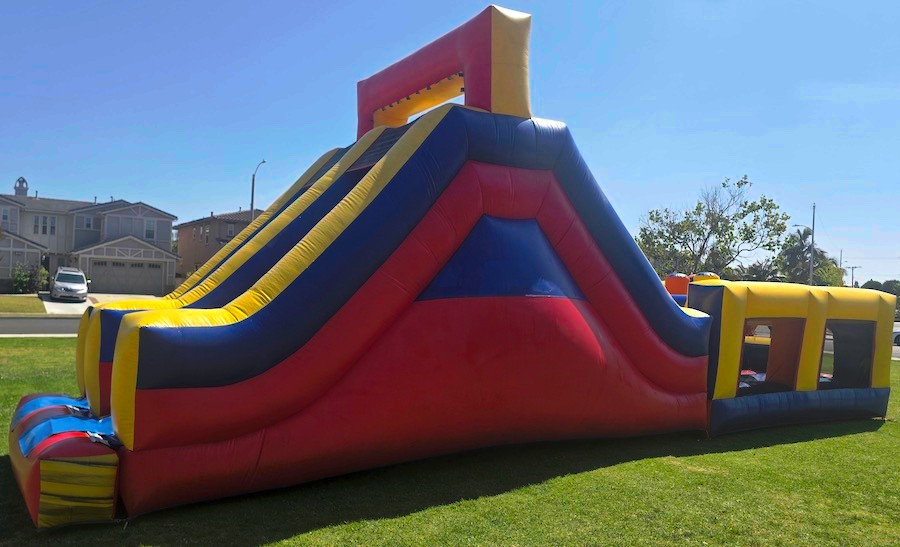
Before the driver leaves, inspect the exterior of every carton and crate for visible damage. If you see crushed corners, punctures, or broken banding, note it on the delivery receipt before signing. Signing a clean delivery receipt for a visibly damaged shipment significantly complicates any freight claim you file later. If the damage is severe, you have the right to refuse the shipment and contact your supplier immediately.
Once the freight is inside, unroll or unfold each unit on a clean surface and inflate it fully before doing a detailed inspection. Check seams along the perimeter, at the base, and at any attachment points for the slide or obstacle elements. Look for pinholes by running your hand slowly along the surface while the unit is pressurized. Inspect the anchor loops and D-rings for proper stitching and hardware. Test the blower for correct airflow and listen for unusual motor noise. Document everything with photos and video, even if the unit looks fine. That documentation is your baseline record for warranty purposes and for tracking wear over time.
For units sourced overseas, also verify that the data plate is present and legible. The data plate should reference ASTM F2374 compliance, list the manufacturer's name and country of origin, and specify the unit's capacity and age range. A missing or illegible data plate is a red flag that warrants a conversation with your supplier before the unit goes into rental rotation.
Storage and Inventory Planning After Delivery
Once your units pass inspection, proper storage is the next capital decision. Commercial inflatables stored incorrectly degrade faster, which shortens their rental lifespan and increases your cost per rental day. The two biggest enemies are moisture and heat, both of which are significant concerns in Arizona's climate.
Store inflatables in a climate-controlled space whenever possible. Extreme heat accelerates vinyl degradation and can cause adhesive seams to separate over time. If climate control isn't feasible for your entire storage area, prioritize it for your highest-value units. At minimum, keep units off concrete floors using pallets or shelving to prevent moisture wicking, and ensure the storage area has adequate ventilation. Units should be completely dry before rolling and storing. Even residual moisture from a wet rental can cause mold growth inside a tightly rolled inflatable within a few days.
Inventory planning for an AZ fleet also means thinking about seasonal demand curves. Arizona's outdoor party season peaks in the fall and spring, when temperatures are comfortable for outdoor events. Summer heat suppresses demand for dry inflatables but can sustain waterslide rentals if you serve markets with pool access or shaded venues. Planning your unit mix around those demand patterns helps you avoid over-investing in inventory that sits idle during peak heat months.
If you're still calibrating what unit types and sizes perform best in the rental market before committing to a wholesale purchase, browsing Jump High's rental catalog is a practical research step. Seeing which units are actively rented in the Orange County market gives you a real-world reference for sizing, capacity, and the combo configurations that generate the most bookings. The Jump High guides library also covers capacity planning and unit selection in detail, which translates directly to fleet composition decisions regardless of your market. When you're ready to talk through specific questions about unit specs or sourcing, the contact page is the right starting point.