
What PVC Weight Grades Mean for Commercial Inflatables
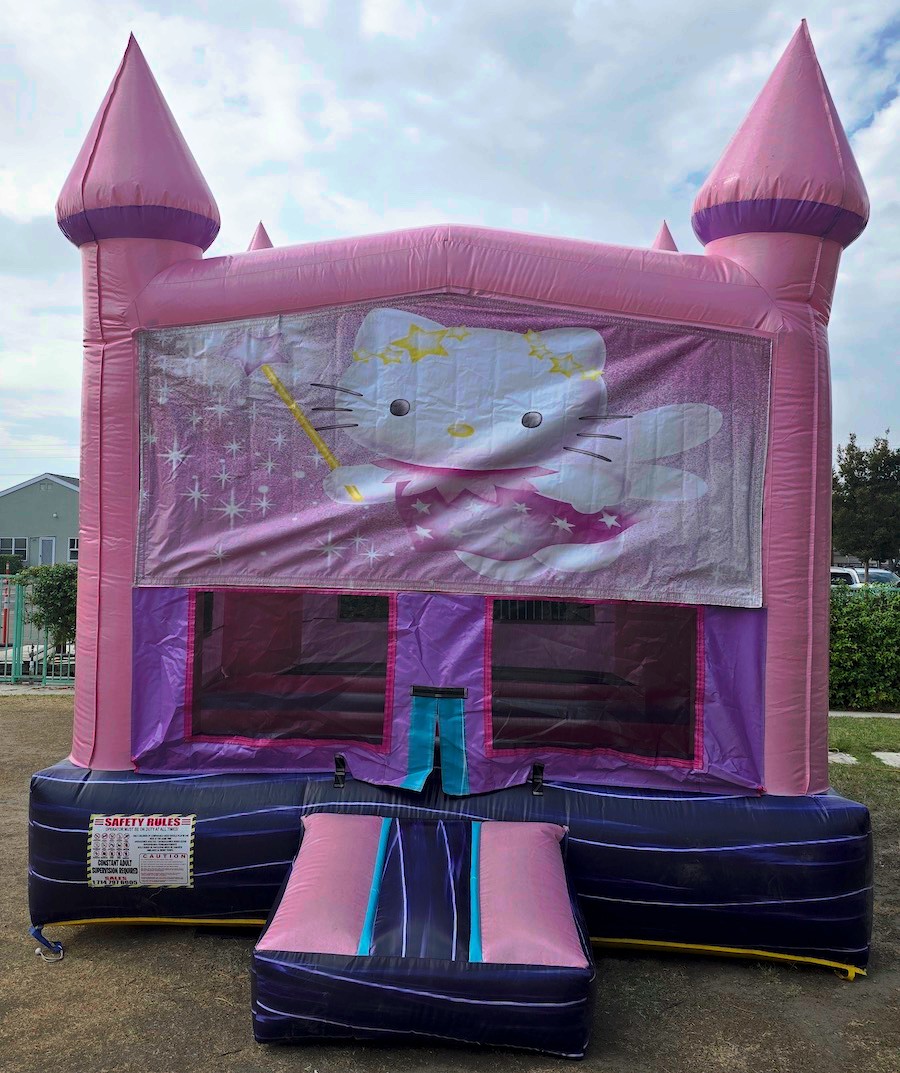
PVC weight grade is the single most important spec on a commercial bounce house purchase sheet, and it is also the one most buyers skim past. The number you see listed as "13 oz," "15 oz," or "18 oz" refers to the weight of the vinyl per square yard, and that measurement directly predicts how the unit holds up under daily commercial use, how much it costs to ship, and how long it will last before you are budgeting for a replacement.
To put it plainly: a 13 oz unit is the lightest and least expensive to buy, but it is built for light-duty or residential use. A 15 oz unit is the industry standard for most commercial rental fleets. An 18 oz unit is the heavy-duty tier, preferred for high-traffic events, obstacle courses, and operators who want maximum lifespan from each asset. Knowing where your business falls on that spectrum before you place an order saves you from buying the wrong inventory twice.
The vinyl itself is a laminated material, typically a polyester mesh scrim sandwiched between two layers of PVC coating. Heavier grades use a denser scrim and thicker coating layers, which is why the weight climbs. That added material is not just bulk; it translates directly into tear resistance, seam strength, and UV tolerance, all of which matter when a unit is inflated six to eight hours a day on weekends throughout a warm season.
If you are evaluating a vendor's spec sheet and the listing only says "commercial grade" without specifying an ounce weight, that is a red flag worth following up on. Reputable manufacturers will state the PVC weight clearly, often alongside the thread count of the internal scrim. Browsing a working rental fleet like the one at Jump High Rentals gives you a practical reference point for what commercial-grade units actually look like in service.
How Material Grade Affects Freight Costs and Delivery to WY
Heavier PVC means a heavier unit, and a heavier unit means higher freight costs. This is a straightforward relationship, but it catches new fleet buyers off guard when they are comparing purchase prices without factoring in the full landed cost.
A standard 15 oz bounce house in the 13-by-13-foot range typically ships in a bag weighing between 150 and 200 pounds. An 18 oz version of the same footprint can push 250 to 300 pounds or more. For buyers in Wyoming, that weight difference matters because WY sits outside the primary freight lanes that connect major inflatable manufacturers (most of whom ship from the Southeast, Midwest, or direct from overseas ports in California and Texas). LTL (less-than-truckload) freight rates to WY destinations like Cheyenne, Casper, or Gillette carry a distance surcharge that amplifies the per-pound cost.
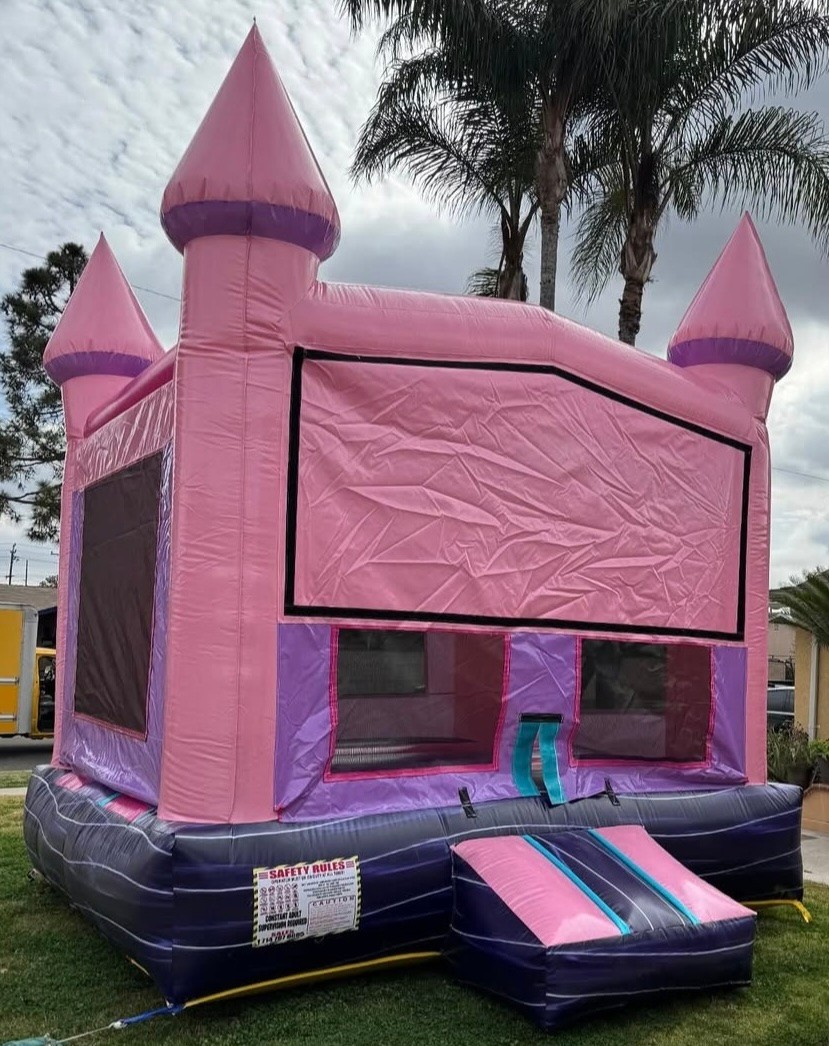
When you request a freight quote for commercial inflatables shipping to WY, ask the vendor for the dimensional weight alongside the actual weight. Carriers bill whichever is greater, and large inflatables in oversized crates often trigger dimensional weight pricing even when the actual poundage is moderate. An 18 oz obstacle course that ships in a crate measuring 8 feet by 4 feet by 4 feet can generate a dimensional weight calculation that adds hundreds of dollars to the invoice.
One practical approach for WY fleet buyers is to consolidate orders. Shipping three or four units on a single LTL pallet or in a shared container from a manufacturer cuts the per-unit freight cost significantly compared to ordering one unit at a time. If you are sourcing from a manufacturer that ships full containers, ask whether they have any consolidation programs or partner with a freight broker who serves the Mountain West region regularly. The Jump High Rentals contact page is a reasonable starting point if you want to ask an active operator about vendor relationships and sourcing logistics.
Durability, Repair Costs, and Warranty Expectations by Grade
The durability gap between 13 oz and 18 oz PVC is not subtle. Under commercial rental conditions, a 13 oz unit may show seam stress, pinhole leaks, and surface abrasion within one to two seasons of regular use. A quality 15 oz unit, properly maintained, typically holds up for three to five years of weekend-heavy rental schedules. An 18 oz unit from a reputable manufacturer can realistically serve a fleet for five to eight years before requiring significant repair investment.
Repair costs scale with the grade in an interesting way. Heavier vinyl is more expensive to patch per square foot of material, but you will patch it far less often. Lighter vinyl patches are cheaper, but you may find yourself making repairs every few months on a busy unit. Over a three-year window, the repair cost on a 13 oz unit often exceeds the price premium you would have paid to buy a 15 oz unit at the outset.
Warranty terms are a useful proxy for how much confidence a manufacturer has in their own product. Most reputable commercial inflatable manufacturers offer one to three years on seams and stitching for 15 oz units, and some extend that to three to five years on 18 oz products. Watch for warranties that exclude "commercial use" in the fine print; a warranty that only covers residential use is essentially worthless for a rental fleet operator. Ask the vendor directly whether the warranty applies to units rented out for profit, and get the answer in writing before you place the order.
The Jump High Rentals FAQ covers some of the maintenance and inspection questions that come up in active rental operations, which can help you frame the right questions when evaluating vendor support.
Matching PVC Grade to Your Fleet Size and Revenue Goals
The right PVC grade for your fleet depends on how many events you plan to service per month, what types of events those are, and what your replacement budget looks like. These three factors together determine whether the premium for 18 oz material pays off or whether 15 oz is the smarter allocation of startup capital.
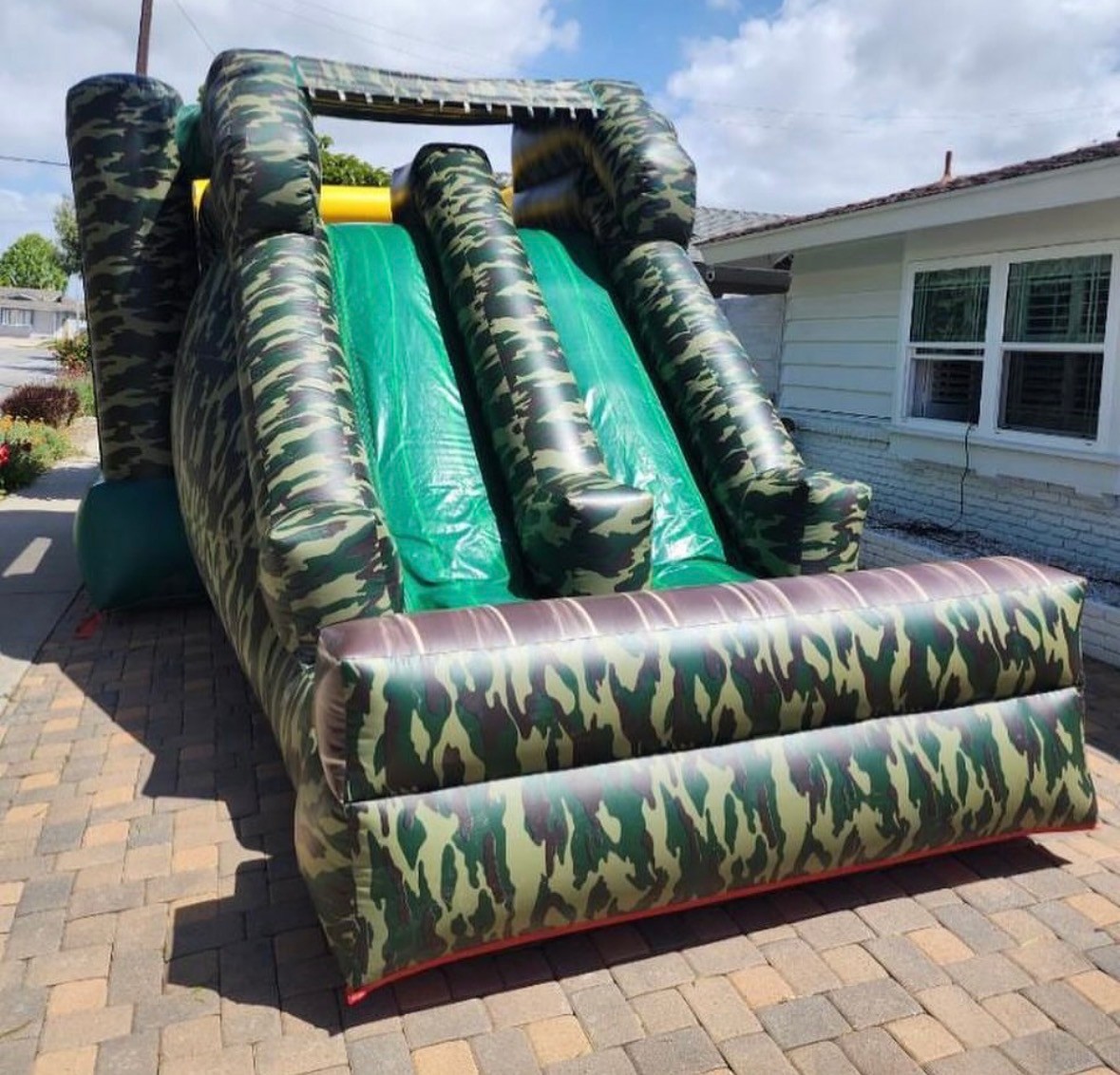
For a new operator launching with two to four units and targeting weekend birthday parties and small community events, 15 oz is the practical starting point. The units are lighter (easier for a two-person crew to handle), less expensive to ship, and still durable enough for the volume a new business typically generates in the first year. Spending the extra capital on 18 oz units before you have confirmed your booking volume is a common over-investment mistake.
For an operator who already has a working client base and is adding obstacle courses, waterslides, or combo units that see heavy use at school carnivals, HOA block parties, and corporate picnics, the jump to 18 oz starts to make financial sense. Those unit types take more physical stress than a standard bounce house because multiple kids interact with climbing walls, slides, and tunnels simultaneously. The seam stress is higher, and the surface abrasion from shoes and repeated contact adds up faster.
A useful rule of thumb: if a unit will be rented more than 30 times per year, price out the 18 oz version and calculate whether the lower repair and replacement frequency justifies the higher upfront cost over a five-year horizon. For units rented fewer than 20 times per year, 15 oz typically delivers the better capital efficiency. You can explore what a working commercial fleet looks like in practice by reviewing the Jump High Rentals inflatable lineup as a benchmark for unit types and configurations.
Storage, Depreciation, and Long-Term Value by Material Weight
Storage is a cost that new fleet buyers consistently underestimate, and PVC weight plays a direct role in how much space your inventory requires. A 15 oz bounce house rolls into a bag roughly the size of a large duffel, while an 18 oz unit of the same footprint rolls heavier and sometimes bulkier depending on the manufacturer's construction method. Over a fleet of ten units, that difference in storage density can mean the difference between fitting your inventory in a standard 10-by-20-foot storage unit and needing to upgrade to a larger space.
Depreciation works differently for commercial inflatables than for most equipment categories. Unlike vehicles or electronics, a well-maintained 18 oz inflatable does not lose value on a straight-line schedule. A unit that has been cleaned after every rental, stored dry, and repaired promptly when minor damage occurs can retain 40 to 60 percent of its resale value after three years of use. A 13 oz unit under the same conditions may retain 10 to 20 percent, simply because the market for used light-duty inflatables is thin and buyers know the remaining lifespan is short.
For WY operators who may face a shorter outdoor rental season due to weather, the depreciation math shifts slightly. Fewer annual rentals mean less wear per year, which can extend the usable life of a lighter-grade unit. A 15 oz bounce house that sees 15 to 20 rentals per year in a WY climate may outlast a 15 oz unit in a year-round market like Southern California that runs the same unit 40 to 50 times annually. Factor your local season length into the grade decision, not just the national averages you will find in manufacturer marketing materials.
If you are building a fleet from scratch and want to understand how an active Orange County rental operation approaches unit selection, maintenance, and long-term inventory planning, the Jump High Rentals guides library covers a range of operational topics that translate well to fleet buyers in any market. And when you are ready to talk specifics about sourcing, vendor questions, or what commercial-grade specs look like in daily operation, the Jump High Rentals contact page is the right place to start that conversation.