
Why Capacity Limits Matter for Bounce House Safety
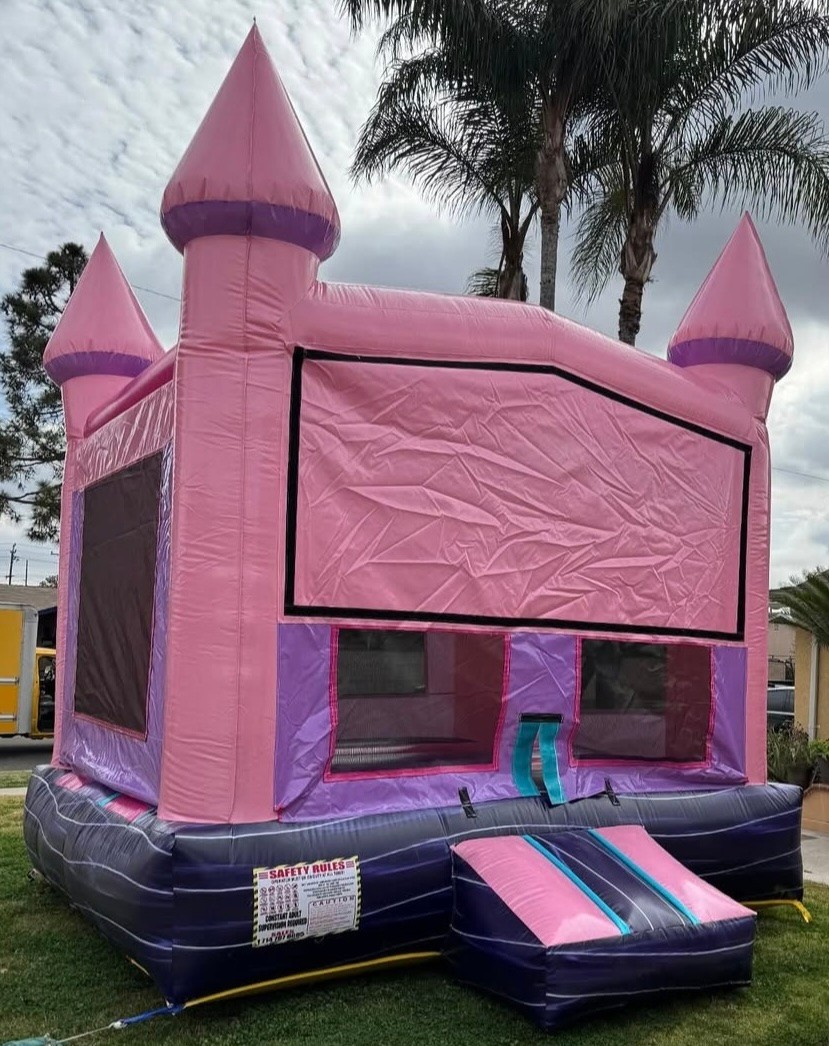
When you picture a bounce house full of kids at a birthday party in Irvine or Anaheim, the image is pure joy. But behind that fun is a number that matters a great deal: the maximum capacity printed on every inflatable unit. That number is not a suggestion. It reflects the weight limits and structural ratings that manufacturers build into each unit, and staying within it is one of the most direct ways you can keep kids safe during your party.
Overcrowding an inflatable creates real risks. When too many children bounce at the same time, the floor becomes unpredictable. Kids collide more often, lose their footing, and the unit itself can shift or deflate unevenly under excess weight. The Consumer Product Safety Commission has documented that most bounce house injuries happen when multiple children are bouncing together, particularly when there is a significant size or age difference among them. Keeping the count within the rated limit reduces that risk meaningfully.
There is also a practical reason to care about capacity: a crowded bounce house is simply less fun. Kids who cannot move freely stop bouncing and start bumping, which leads to tears instead of laughter. Respecting the limit actually improves the experience for everyone inside.
At Jump High Rentals, every unit in the fleet is rated by the manufacturer, and the team shares those limits with you at booking so you can plan your rotation schedule before the party even starts. If you want a deeper look at what those ratings mean in practice, the inflatable capacity limits guide on the Jump High site walks through the numbers in plain language.
Capacity by Unit Type: A Practical OC Parent Breakdown
Different inflatable styles have very different capacity ratings, and understanding those differences helps you choose the right unit for your guest list rather than guessing on the day.
Standard bounce houses (13x13 footprint) are the most common unit for backyard birthdays. A 13x13 bounce house typically accommodates six to eight children at one time, assuming an average weight of around 50 pounds per child. That figure applies to kids roughly between ages four and ten. If your guest list skews older or heavier, the safe simultaneous count drops closer to four or five. These units are a great fit for a smaller birthday in a Costa Mesa or Tustin backyard where the guest list runs between fifteen and twenty-five kids total, because you can rotate groups in and out every ten to fifteen minutes.
Larger standard bounce houses (15x15 or 16x16 footprint) step up the simultaneous capacity to roughly eight to ten children of similar age and weight. The extra floor space gives kids more room to move without colliding, which is especially helpful when you have a mix of ages. If you are hosting a party in a Yorba Linda or Anaheim backyard with thirty or more kids on the list, a larger bounce house keeps the rotation moving without long waits.
Combo units combine a bounce area with a slide, climbing wall, or basketball hoop in a single inflatable. Because the interior is divided between the bouncing floor and the slide lane, the effective bounce capacity is usually four to six kids at a time, even though the overall footprint may be larger than a standard unit. The slide portion typically allows one child at a time. Combo units are popular for mixed-age groups because older kids gravitate toward the slide while younger ones bounce, which naturally distributes the load.
Obstacle course inflatables work differently from bounce houses. Instead of a shared bouncing floor, kids move through tunnels, pop-ups, and climbing walls in a linear path. Capacity is measured by how many children can safely be inside the course at once, which is typically eight to twelve depending on the unit's length. Because kids are moving through rather than jumping in place, the collision risk is lower, but the weight limit per section still applies. These units are a strong choice for school events or church carnivals where you want continuous throughput rather than a stationary bounce zone.
Waterslide inflatables have the most straightforward capacity rule: one rider on the slide at a time, with a small waiting area at the top. The total number of kids who can use the unit simultaneously is limited by the climb-and-slide cycle, not by a shared floor. For a summer party in a Newport Beach or Laguna Hills backyard, a waterslide keeps kids moving in an orderly line, which makes supervision easier. You can read more about waterslide-specific setup considerations in the waterslide safety rules guide for OC parents.
How Guest Count Affects Which Unit to Book
Knowing the simultaneous capacity of a unit is only half the equation. The other half is your total guest count and how long the party runs.
A simple way to think about it: divide your total number of kids by the simultaneous capacity of the unit, then multiply by the average rotation time (usually ten to fifteen minutes). That gives you a rough sense of how long each child waits before their next turn. For a party of twenty kids with a unit that holds six at a time and ten-minute rotations, every child gets a turn roughly every thirty minutes. That is a comfortable pace for most backyard birthdays.
If your guest count climbs above thirty or forty kids, a single standard bounce house will create long waits that test everyone's patience. At that point, you have two good options: upgrade to a larger unit or add a second inflatable. A combo unit paired with a standard bounce house, for example, effectively doubles your simultaneous capacity and gives kids two different experiences to rotate between. The inflatable rental checklist for OC parties with 50 guests covers multi-unit planning in detail if you are expecting a larger crowd.
Age mix matters here too. If you have a wide range of ages, from toddlers up to ten-year-olds, consider separating the bounce time by age group rather than mixing everyone together. Younger children are at greater risk of injury when bouncing alongside older, heavier kids, even when the total count is within the rated limit. Designating the first thirty minutes for the little ones and then opening the unit to older kids is a practical approach that many OC parents use successfully.
Backyard Space vs. Capacity: What OC Yards Actually Allow
Capacity ratings assume the unit is set up correctly with adequate clearance on all sides. In Orange County backyards, the available space often determines which unit you can realistically use, and that in turn shapes the capacity you are working with.
Most standard 13x13 bounce houses need a setup area of roughly 15x15 feet to account for the blower, anchor stakes, and safety buffer. A 15x15 unit needs closer to 18x18 feet of clear space. Obstacle courses, which can run 30 to 50 feet in length, need a long, narrow footprint that many residential backyards in cities like Garden Grove or Fountain Valley simply cannot accommodate.
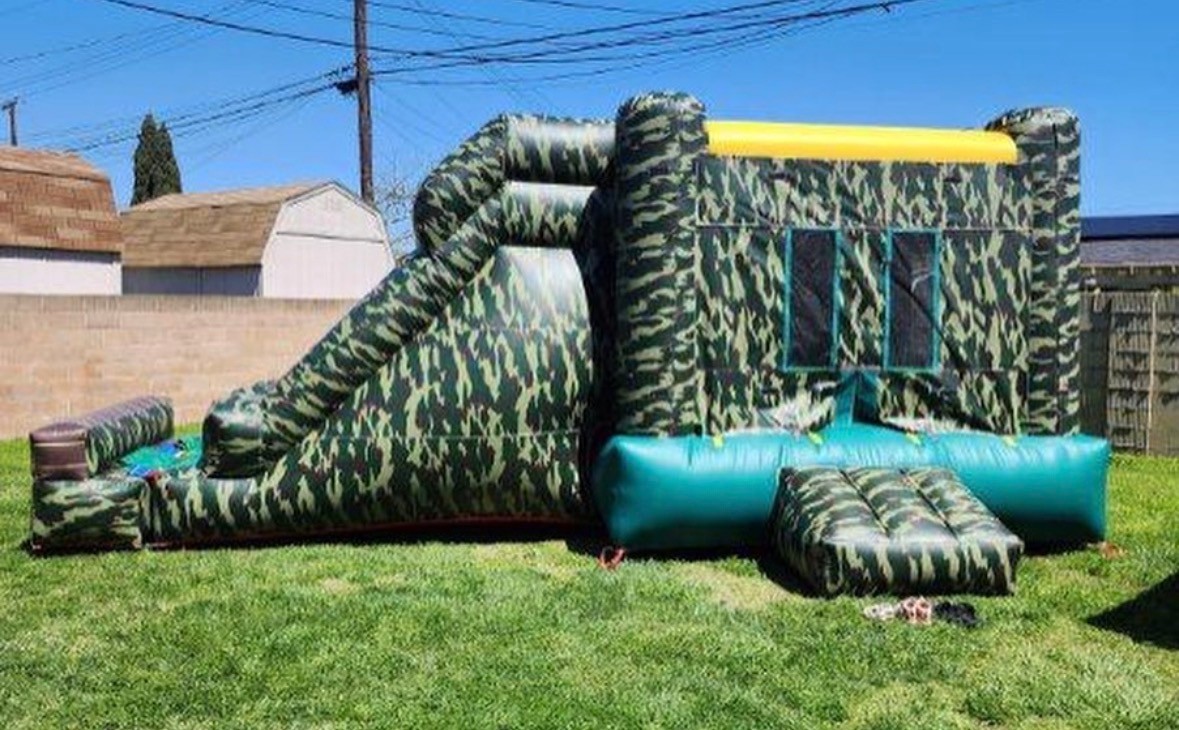
Before you fall in love with a particular unit, measure your usable backyard space and share those dimensions when you book. The Jump High team uses those measurements to confirm which units will fit safely and which ones would require a different configuration. If your yard is on the smaller side, a compact bounce house with a lower simultaneous capacity may actually serve your party better than a larger unit that cannot be anchored properly. The guide on how to pick the right bounce house size for your backyard is a helpful starting point for that conversation.
Surface type also plays a role. Grass is the preferred setup surface because stakes anchor securely and provide a softer landing zone if a child falls near the entrance. Concrete, pavers, and artificial turf each require different anchoring approaches, and the setup crew will adjust accordingly. A unit that is not anchored correctly can shift under load, which changes the effective bounce area and can create hazards near the entrance opening.
FAQ: Bounce House Capacity Questions OC Parents Ask Most
How many kids can fit in a 13x13 bounce house? The standard answer is six to eight children at one time, based on an average weight of around 50 pounds per child. If your guests are older or heavier, plan for four to six simultaneous users to stay within the weight rating.
Can adults bounce too? Most standard bounce houses have a weight limit of 800 to 1,000 pounds total for the bouncing floor. One or two adults can technically be within that range, but adults bouncing alongside small children significantly increases the collision risk. Many rental companies, including Jump High, recommend keeping adults off the bounce floor when young children are using it.
Does the capacity change for wet use? Yes. When a unit is used with water, the surface becomes slippery, which increases the risk of falls even at normal capacity. Reducing the simultaneous count by one or two children when using a wet combo unit is a sensible precaution. The supervising kids on inflatables guide has practical tips for managing mixed wet and dry use at the same party.
What happens if too many kids get in at once? Beyond the injury risk, exceeding the weight limit can stress the seams and anchor points of the unit. Reputable rental companies include capacity limits in their rental agreements, and the setup crew will walk you through the rules before they leave. Having a designated adult monitor at the entrance is the most effective way to keep the count in check throughout the party.
Should I rent two units for a big party? If your guest list exceeds thirty kids, a second unit almost always improves the experience. Two smaller units often cost less than one large specialty unit and give you more flexibility to separate age groups. Reach out to the Jump High team to talk through the right combination for your headcount and yard size.
Choosing the right unit for your guest list does not have to be complicated. Start with your total number of kids, factor in the age range, measure your backyard, and let those three pieces of information guide the conversation. Browse the Jump High rentals catalog to see which units are available in your area, or check the FAQ page for more answers to common booking questions. When you are ready to match a unit to your specific party, the team is happy to help you get it right.