
First Year Inflatable Fleet Planning for OK Operators
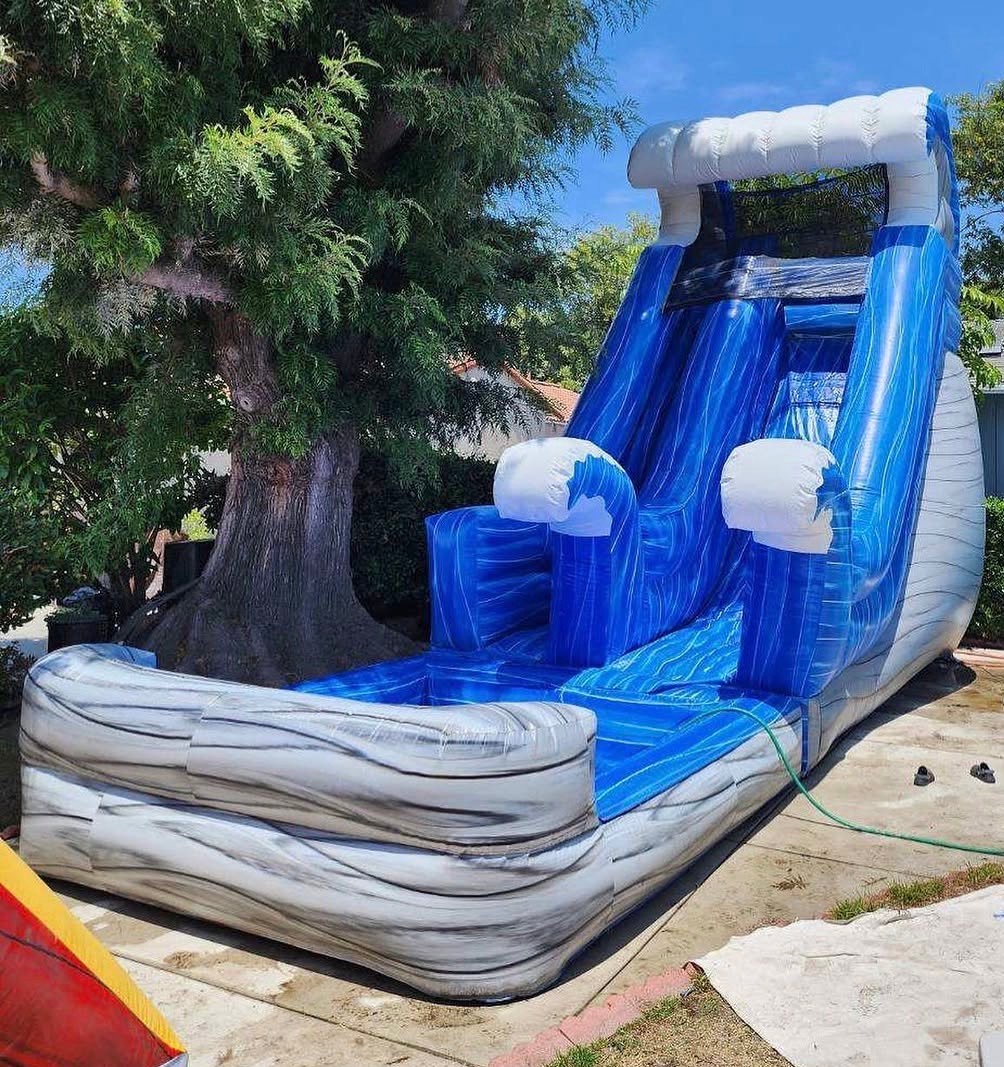
Starting an inflatable rental business in Oklahoma is one of the more accessible paths into event industry entrepreneurship, but the first year is where most new operators either build a profitable foundation or overextend themselves with the wrong inventory. The decisions you make before your first unit arrives, from which models to purchase to how you handle freight into OK, will shape your margins for the next three to five years. This guide walks you through the practical side of fleet planning: sizing your starter inventory, choosing commercial-grade units that generate consistent bookings, understanding freight realities, and protecting your investment through smart storage and vendor relationships.
If you want a real-world reference for which unit types see the most demand in a mature rental market, browsing Jump High's rental catalog gives you a useful window into what customers actually book, even if your market is Oklahoma rather than Orange County.
How to Size Your Starter Fleet for Oklahoma Demand
Start with three to five units, not ten. New operators consistently underestimate how much time each unit requires for cleaning, inspection, minor repairs, and logistics coordination. A lean fleet lets you learn those rhythms without burning out or letting maintenance slip, which is exactly when equipment gets damaged or customers get disappointed.
Oklahoma's event calendar has a clear shape. Spring runs from late March through May, driven by school field days, church festivals, and end-of-year celebrations. Summer peaks hard in June and July, when waterslide demand surges and backyard birthday parties stack up on weekends. Fall brings a second wave through October, fueled by harvest festivals, church fall carnivals, and HOA community events. Winter is slow, which makes it your window for equipment maintenance, storage organization, and planning your spring marketing push.
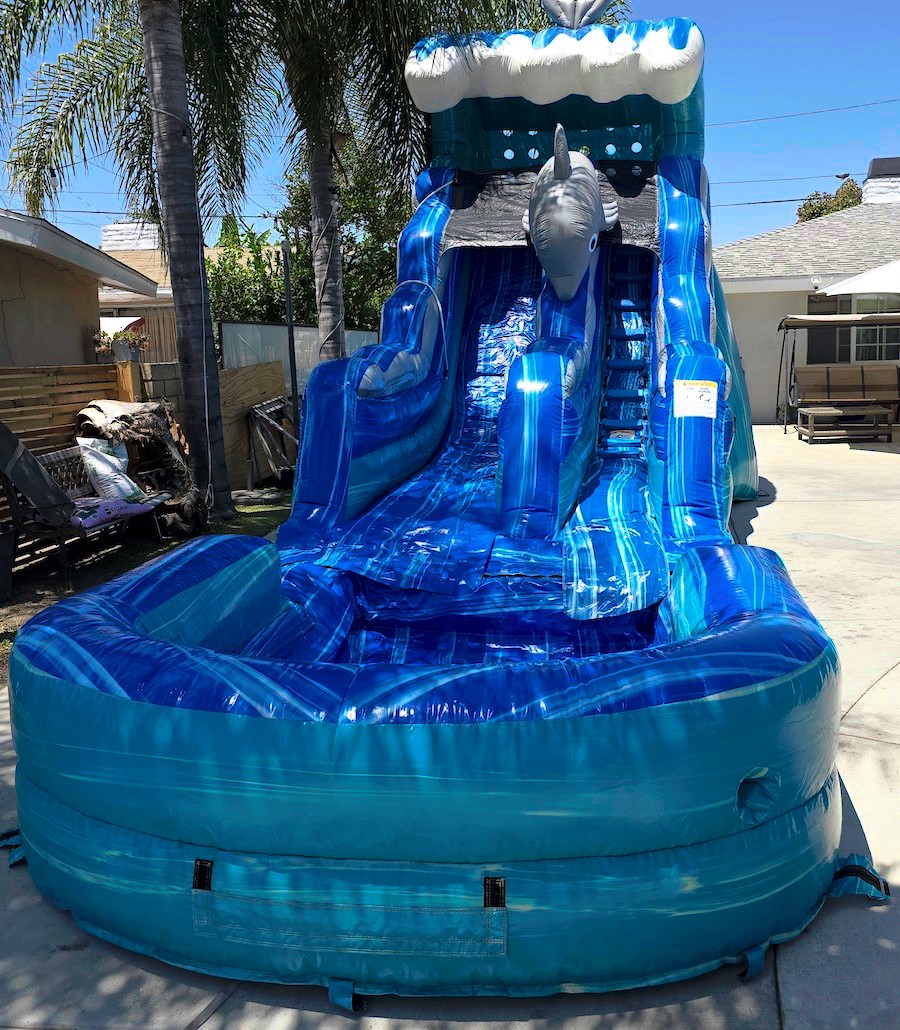
For a starter fleet, think in terms of coverage rather than variety. One mid-size dry bounce house (roughly 13x13 to 15x15 feet) handles the broadest range of birthday and school bookings. One combo unit (bounce house with attached slide) gives you a step up in perceived value and lets you compete for slightly larger events. One waterslide, ideally a dual-lane model in the 18-to-20-foot range, covers your summer peak demand. Those three units alone can generate meaningful revenue across Oklahoma's primary booking seasons before you add anything else.
Resist the urge to buy themed units in your first year. Unicorn castles and superhero domes look appealing in manufacturer catalogs, but generic bright-color units book more consistently across mixed demographics. Themes narrow your audience; versatility widens it.
Choosing Commercial-Grade Units That Earn Their Keep
Commercial-grade inflatables are not the same as the residential units sold at big-box stores, and the difference matters enormously for a rental business. Commercial units are built from heavier-weight vinyl (typically 18-ounce to 21-ounce material), use reinforced stitching at stress points, and are designed to handle repeated daily setups and takedowns across hundreds of rental cycles. Residential units are not built for that load and will fail quickly under rental conditions.
When evaluating manufacturers, look at the blower motor specs alongside the unit itself. Underpowered blowers cause partial inflation in heat, which is a safety concern and a customer service problem. For Oklahoma summers, where temperatures regularly push into the mid-90s and above, you want blowers rated for continuous duty with adequate CFM (cubic feet per minute) output for the unit's volume. Ask manufacturers for their recommended blower pairing for each unit, not just the minimum spec.
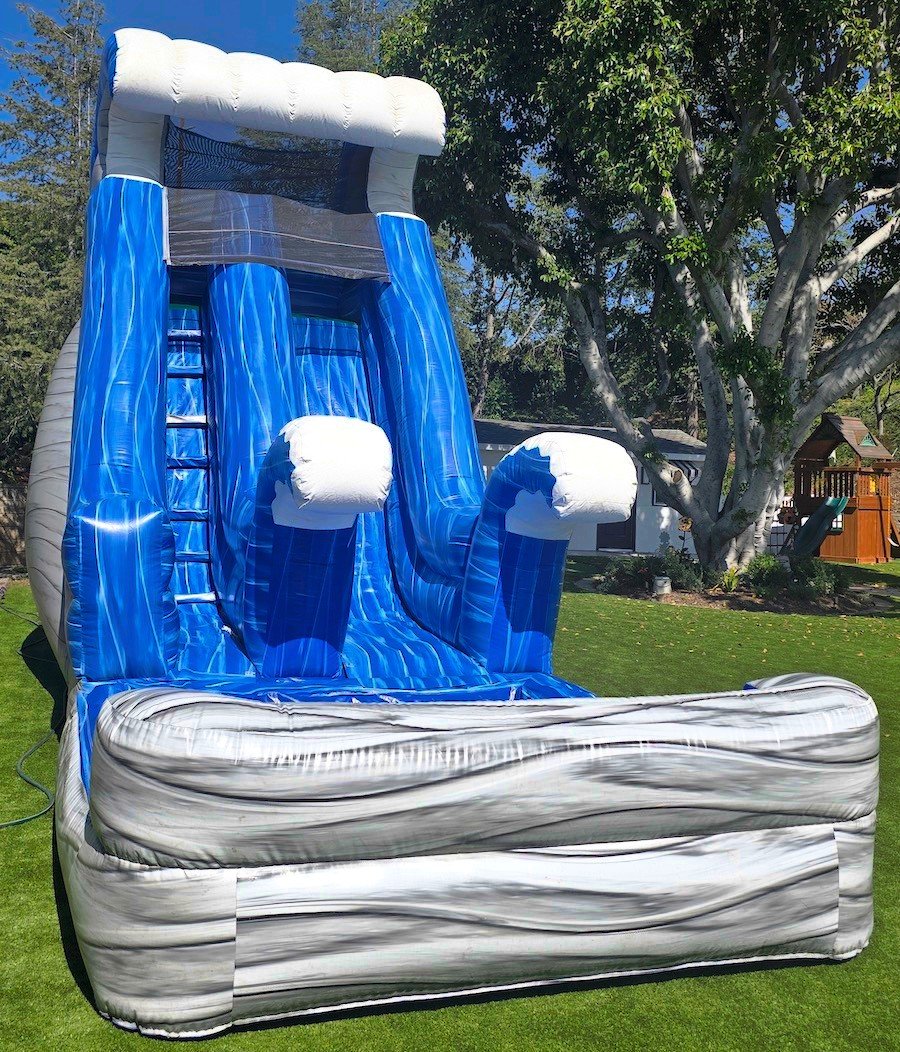
Stitching type matters too. Double-stitched and quad-stitched seams at the jump area and slide entrance points hold up far better than single-pass stitching. Ask vendors to specify their seam construction before you commit. A unit that costs $200 less upfront but requires seam repairs after 30 rentals is not actually cheaper.
For Oklahoma operators, combo units tend to deliver the strongest ROI in the first year because they replace two separate bookings with one higher-value rental. A family that might have booked a basic bounce house for $150 will often pay $225 to $275 for a combo unit, and you are delivering one unit instead of two. That math compounds quickly across a full spring and summer season.
You can also use Jump High's guides as a practical reference for how experienced operators think about unit selection and event fit, even when the geographic context differs from your own market.
Freight and Delivery Costs When Shipping Inflatables to OK
Freight is one of the most underestimated line items for new inflatable business operators, and it can meaningfully affect your unit economics if you do not plan for it carefully. Commercial inflatables ship as freight, not parcel, which means you are dealing with LTL (less-than-truckload) carriers, freight brokers, and dimensional weight pricing rather than a simple UPS label.
Oklahoma sits in a reasonably central freight position relative to the major inflatable manufacturers, many of whom operate out of the Southeast, Midwest, or import through West Coast ports. That said, LTL rates into Oklahoma markets like Tulsa, Oklahoma City, and smaller regional hubs vary significantly by carrier and season. As of 2026, LTL freight for a single commercial bounce house typically runs between $180 and $380 depending on origin, weight, and whether the shipment is crated or blanket-wrapped. Combo units and waterslides, which are heavier and bulkier, can push freight costs to $400 or higher per unit.
Crating adds cost upfront but reduces damage risk substantially. A crated unit arrives with corner protection and a rigid frame that prevents blower ports and anchor points from being crushed during transit. Blanket-wrapped shipments are cheaper but require careful inspection on arrival. Always note any visible damage on the carrier's bill of lading before signing, because disputing freight damage after the fact is significantly harder than documenting it at delivery.
Ask your vendor whether they have preferred carrier relationships that offer negotiated rates. Some manufacturers include freight in their quoted price; others quote FOB (freight on board) from their facility, which means freight is entirely your responsibility to arrange and pay. Clarify this before comparing quotes from multiple vendors, because an FOB quote that looks $300 cheaper may actually cost more once freight is added.
Factor freight into your per-unit cost calculation from the start. If a bounce house costs $1,800 and freight adds $280, your real acquisition cost is $2,080. That number is what you use to calculate your payback period, not the sticker price.
Warranty and Vendor Support: What to Demand Before You Buy
A commercial inflatable warranty is only as useful as the vendor's willingness to honor it, and new operators often discover this the hard way after a seam failure or blower issue six months into their first season. Before you purchase, ask for the warranty terms in writing and read them carefully.
Standard commercial inflatable warranties cover the vinyl material and seams for one to three years, with blower motors often carrying a separate shorter warranty of six to twelve months. Watch for exclusions around "normal wear," which some vendors define broadly enough to exclude most real-world damage scenarios. A warranty that excludes seam separation from "repeated use" is not protecting you against the most common failure mode in a rental operation.
Ask vendors specifically whether they stock replacement parts for the units they sell. Replacement blower motors, anchor straps, and repair patch kits should be available directly from your vendor without a multi-week wait. If a vendor cannot confirm parts availability, that is a meaningful risk for your business continuity.
Vendor responsiveness is worth testing before you buy. Send a detailed pre-purchase question by email and note how long it takes to get a substantive answer. A vendor who takes four days to respond to a sales inquiry will likely take longer when you have a warranty claim. The Jump High FAQ offers a useful model for the kind of transparent, direct communication that builds operator confidence, and you should expect the same standard from any vendor you work with.
For a deeper look at warranty red flags specific to commercial inflatable purchases, the existing Jump High guide on evaluating warranty and vendor support covers the key questions to ask before committing to a supplier.
Storage, Depreciation, and Protecting Your Investment
Commercial inflatables depreciate, but how fast depends almost entirely on how well you store and maintain them. A unit that is cleaned, dried completely, and stored in a climate-controlled space will last significantly longer than one that is rolled up damp and left in an outdoor shed through an Oklahoma summer.
Oklahoma's climate presents specific storage challenges. Summer humidity combined with high temperatures creates ideal conditions for mold and mildew inside rolled inflatables, which degrades vinyl and creates health concerns for users. Winter temperature swings can make vinyl brittle if units are stored in unheated spaces and then inflated in cold conditions. A climate-controlled storage unit or dedicated indoor space is not a luxury for Oklahoma operators; it is a practical requirement for protecting your asset value.
For depreciation planning, most commercial inflatables have a useful rental life of five to eight years with proper maintenance, though high-use units may show significant wear by year four. A unit purchased for $2,000 that generates $400 in net revenue per month during peak season (roughly 25 to 30 rental days across spring and summer) can pay for itself within one season if bookings are managed well. That math assumes you are tracking your actual costs, including cleaning supplies, minor repairs, fuel for delivery, and storage overhead, not just gross rental income.
Build a simple maintenance log for each unit from day one. Record every rental, every cleaning, and every repair. That documentation protects you if a warranty claim arises, and it gives you real data on which units are earning their keep and which ones are sitting idle. When you are ready to expand your fleet in year two, that log tells you exactly what to buy more of.
If you have questions about fleet planning, unit selection, or how to think about your first Oklahoma rental season, the Jump High contact page is a good starting point for a direct conversation with people who understand the inflatable rental business from the inside.