
What the Supervisor Job Actually Looks Like
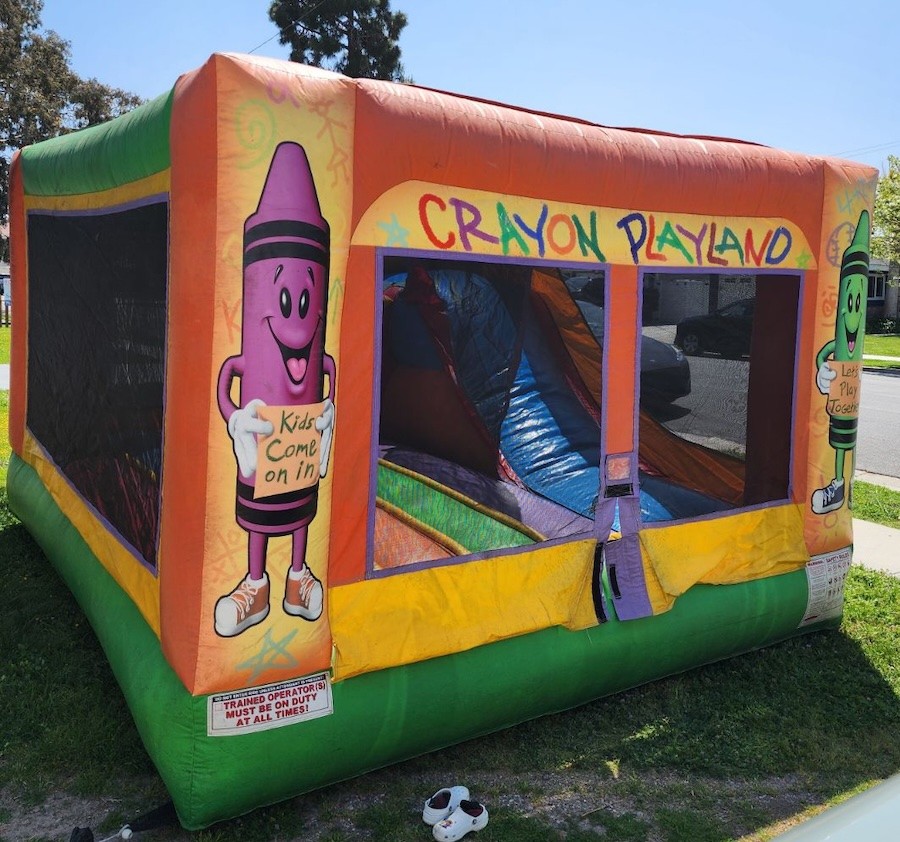
Standing next to a bounce house at a birthday party can feel like a vague assignment. Someone hands you the role, the kids start lining up, and suddenly you are responsible for something without a clear picture of what "responsible" actually means in practice. The good news is that bounce house supervision is a real, manageable job once you know what to focus on.
The core of the role is simple: one adult stays at the entrance, watches who goes in and out, and keeps the energy inside from escalating into roughhousing. That is it. You are not expected to be a referee for every argument or a lifeguard-level professional. You are a consistent, present adult who keeps the group safe by enforcing a few clear rules.
The most important word in that description is "one." At school carnivals, church festivals, and HOA block parties, the most common supervision gap is not a lack of adults nearby. It is that three adults each assume one of the others is watching the inflatable. Assigning a single named supervisor for each rotation period solves this immediately. If you are hosting a backyard birthday in Anaheim, Irvine, or anywhere across Orange County, designate your supervisor before the first child steps inside, not after the chaos starts.
Your job at the entrance has three parts. First, you count kids in and out so the unit never exceeds its posted capacity. Second, you check that shoes, glasses, jewelry, and any sharp accessories come off before entry. Third, you watch the interior for flips, rough collisions, or crowding near the entrance, and you step in calmly when any of those happen. A clear rule sign posted near the entrance helps enormously, especially at larger events where kids you do not know personally will be cycling through.
For a practical overview of the rules worth posting, the bounce house rules guide from Jump High Rentals is a useful starting point you can share with guests ahead of time.
Capacity and Age Grouping: The Two Rules That Prevent Most Problems
Most bounce house injuries happen when too many kids are inside at once, or when a big kid and a small kid collide because they were grouped together without thinking. Capacity limits and age grouping are not bureaucratic rules. They are the two adjustments that do the most work to keep a party day safe and fun.
Every inflatable has a posted capacity on its label or in the rental instructions. Smaller residential units typically accommodate around four to six children at a time. Medium units handle roughly six to eight, and larger commercial-grade inflatables can manage eight to ten with proper supervision. These numbers account for safe bouncing space, not just physical fit. Packing in more kids than the limit allows does not just increase collision risk. It also puts extra stress on the inflatable itself and makes it harder for your supervisor to track what is happening inside. You can find more detail on how these numbers work in the inflatable capacity limits guide.
Age grouping matters just as much as headcount. A six-year-old and a ten-year-old bouncing together are not evenly matched in size, weight, or impulse control. The safest approach is to keep same-age groups together rather than running an open free-for-all. At a backyard birthday where most guests are the same age, this happens naturally. At a school event or family gathering with a wide age spread, you will want to set up timed rotations by age group. A simple rotation schedule, posted near the entrance, makes this easy to communicate to parents and volunteers alike.
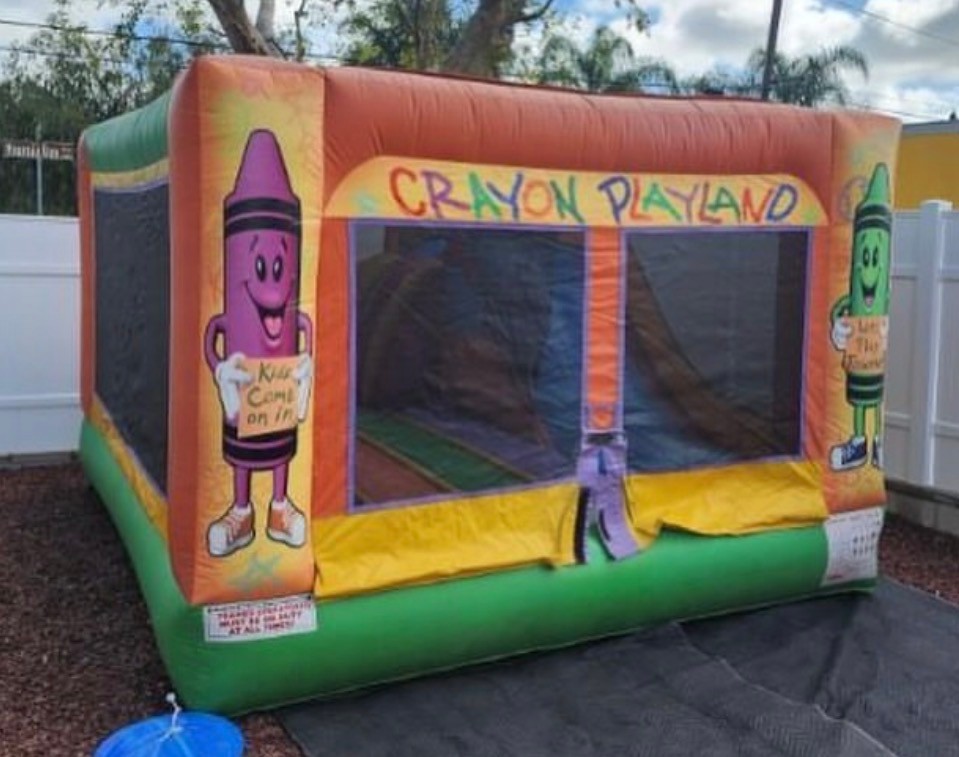
Age guidance for bounce houses is unit-specific rather than universal. Toddler-friendly inflatables are designed with lower ceilings, softer surfaces, and smaller dimensions that suit younger children with close adult supervision. Standard bounce houses are generally better suited for children who are school-age and older. When you book with Jump High Rentals, the team can walk you through which units fit your guest age range so you are not guessing on party day. If your event includes a wide mix of ages, the bounce house rentals for toddlers guide covers what to look for in a toddler-appropriate setup.
Timed rotations also solve a social problem that capacity limits alone cannot fix: arguments over turns. When kids know a rotation is coming, the pressure to stay inside as long as possible drops. Short, predictable turns keep the line moving, reduce crowding at the entrance, and give your supervisor natural checkpoints to reset the group count.
Before the First Kid Steps In: Setup and Pre-Use Checks
A well-supervised bounce house still needs to be set up correctly before supervision begins. The pre-use check is a two-minute walk-around that catches problems before any child enters, and it is worth doing even when a professional crew has handled delivery and inflation.
Start with the surface. The inflatable should be sitting on a level area with no visible slope or dip underneath it. Grass is generally the preferred surface for residential setups. If your party is on a paved area, concrete, or artificial turf, the anchoring method changes. Grass setups typically use ground stakes, while hard surfaces require weighted sandbags. Either way, the unit should not shift or slide when you push gently against the side. For more on surface-specific setup, the concrete vs. grass setup guide and the artificial turf anchoring guide both cover what to check.
Next, confirm the inflatable is fully and evenly inflated. Soft spots or sagging walls suggest the blower is not running at full capacity or that there is a connection issue. The blower should be running continuously during use, and the power cord path should be clear of foot traffic. A tripped cord mid-party means a deflating unit with kids inside, which is exactly the scenario you want to avoid. The power and extension cord guide explains cord length and outlet requirements in plain terms.
Finally, do a quick visual check of the interior and exterior surfaces. Look for any visible damage, tears, or debris inside the jumping area. If Jump High Rentals delivered your unit, the crew will have already completed their own setup inspection, but a second set of eyes never hurts. Cleanliness matters too. Parents at Orange County parties consistently mention hygiene as a top concern, and you can read about how inflatables are cleaned between rentals in the inflatable cleaning and sanitizing guide.
Weather, Wind, and When to Call It
Orange County has some of the best party weather in California, but even a sunny afternoon can shift quickly, especially in coastal areas or during Santa Ana wind season. Knowing when to pause or stop bounce house use is part of the supervisor's job, and the threshold is clearer than most people expect.
Wind is the primary weather concern for inflatables. Most rental industry guidance places the safe operating limit at around 15 to 20 miles per hour of sustained wind. At that speed, an inflatable can become unstable even when properly anchored. You do not need a weather app open all afternoon, but if you notice the unit straining against its anchors, the entrance flap blowing sideways, or kids struggling to stay balanced inside, those are physical cues to stop play and check conditions. The wind speed and inflatable safety guide covers this in more detail and is worth reviewing before your event date.
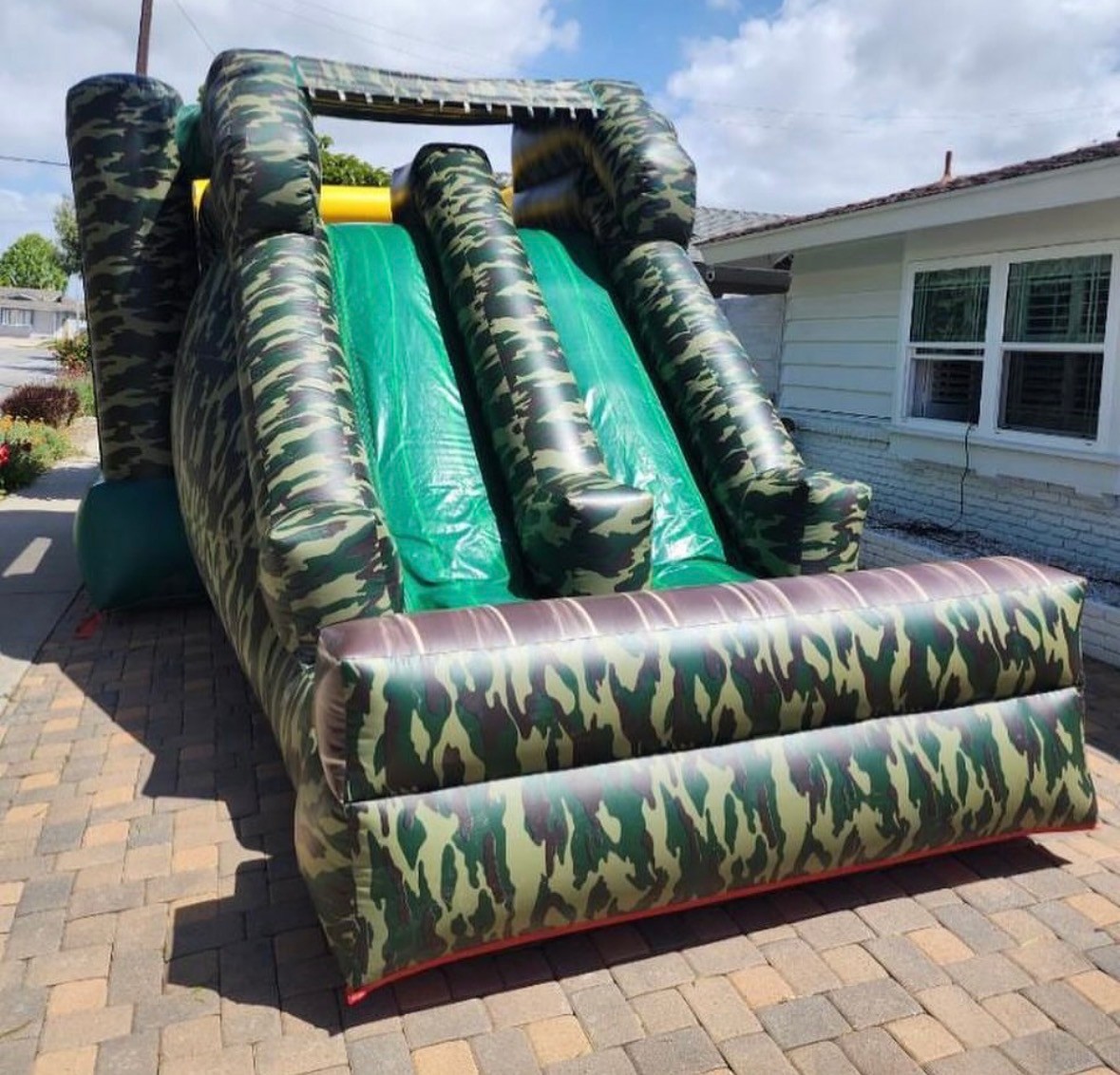
Rain and lightning are immediate stops, no judgment call required. Wet surfaces inside a bounce house become slippery, and any electrical storm in the area means the unit comes down. If your party date falls during an uncertain weather window, the rainy day policy guide explains how Jump High handles weather-related changes and what your options look like.
Heat is a factor that often gets overlooked. On a hot OC summer afternoon, the interior of an inflatable can become significantly warmer than the outside air. Short rotations, shaded rest areas nearby, and easy access to water help keep kids comfortable. The keeping the bounce house cool guide has practical tips for warm-weather parties.
A Printable Supervisor Checklist for OC Party Day
Everything covered in this guide comes down to a handful of actions you can run through in sequence. Here is a simple checklist you can print, post near the entrance, or hand to a volunteer who is stepping into the supervisor role for the first time.
Before the first child enters, confirm the inflatable is fully inflated and the blower is running. Check that the unit is level, anchored, and free of debris inside. Verify the power cord is out of foot traffic. Post the capacity limit and basic rules where kids and parents can see them.
During play, keep one adult assigned to the entrance at all times. Count kids in and out against the posted capacity. Require shoes, glasses, jewelry, and sharp objects to be removed before entry. Keep age groups together and use timed rotations if the guest list is mixed. Stop flips, wrestling, and crowding near the entrance immediately and calmly. Watch for signs of overheating or fatigue and rotate kids out for water breaks.
For weather, check wind conditions before the party starts and monitor throughout. Stop play if wind feels strong or the unit becomes unstable. Stop immediately for rain or any lightning in the area.
At the end of the rental period, make sure all children are out before the blower is turned off. Keep kids away from the unit during deflation.
That is the whole job. It is practical, it is doable, and it makes a real difference in how the day goes for everyone.
When you book with Jump High Rentals, setup, a safety walkthrough, and clean equipment are included with every delivery across Orange County. The team arrives ready to get the unit running so your supervisor can focus on the kids, not the logistics. Browse the full inflatable rental catalog to find the right unit for your guest count and backyard, or visit the FAQ if you have questions before you book. When you are ready, the contact page is the fastest way to get your date confirmed.