
Obstacle Course Inflatable Lifespan for TX Fleet Buyers
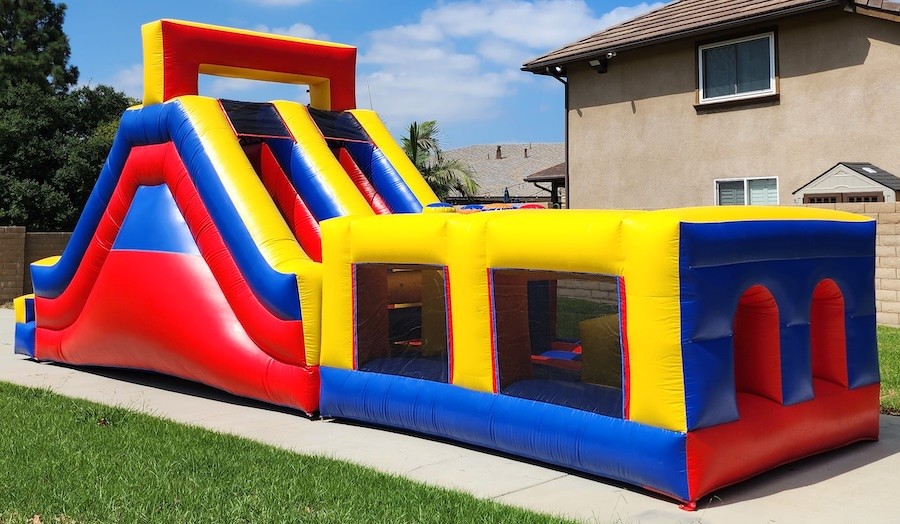
Commercial obstacle course inflatables are among the most demanding units in any rental fleet. They take more contact, more stress, and more setup cycles than a standard bounce house, and in Texas, the environment adds another layer of pressure that buyers need to factor into every purchase decision. If you're building or scaling a fleet in TX, understanding realistic lifespan expectations before you buy is just as important as comparing unit specs or negotiating freight costs.
This guide walks through what you can actually expect from a commercial obstacle course inflatable, how Texas conditions affect that timeline, and how to build a maintenance and replacement strategy that keeps your ROI on track.
How Long Do Commercial Obstacle Course Inflatables Actually Last
The honest answer is that lifespan varies widely depending on material quality, usage volume, and how well the unit is maintained. A well-built commercial obstacle course made from 18-oz reinforced PVC vinyl, stored properly and inspected regularly, can realistically last anywhere from five to eight years in active rental use. Some operators push units past the eight-year mark with consistent repairs and careful handling. Others see significant degradation in three years if the unit runs heavy event schedules without structured maintenance.
The distinction between commercial-grade and consumer-grade materials matters enormously here. Units built for residential use are typically constructed from lighter 13-oz or 14-oz vinyl and are not designed to handle the repeated inflation cycles, foot traffic, and outdoor exposure that a rental fleet demands. When you're sourcing for a TX fleet, the material spec sheet should be one of your first evaluation points, not an afterthought.
Seam construction is the other major variable. Double-stitched and heat-welded seams hold up significantly better than single-stitch construction under high-use conditions. Obstacle course units, in particular, experience stress at seams near climbing walls, pop-up obstacles, and tunnel entry points because those areas absorb concentrated impact from participants. A unit that looks structurally sound on the exterior can have seam fatigue building internally, which is why visual inspection alone isn't enough.
For fleet planning purposes, a conservative working assumption is a five-to-seven-year active lifespan for a commercial-grade obstacle course unit running moderate to heavy event volume in TX. That baseline helps you build depreciation schedules, set replacement reserves, and evaluate whether a unit's purchase price makes sense relative to its projected rental revenue over that window.
Texas Conditions That Accelerate Wear on Obstacle Course Units
Texas presents a specific combination of climate and event-season factors that shortens inflatable lifespan faster than more temperate markets. Understanding these variables helps you make smarter sourcing decisions and set realistic expectations for your maintenance budget.
Heat is the primary accelerant. Prolonged exposure to temperatures above 95 degrees Fahrenheit causes PVC vinyl to become more pliable and stress-prone, particularly in areas that are under constant tension during inflation. In TX, summer event seasons regularly push surface temperatures on dark-colored inflatables well above ambient air temperature. Units left inflated for extended periods in direct sun accumulate UV degradation faster than units used in shaded or climate-moderated environments. If your fleet operates heavily from May through September, you're running your units through the most punishing conditions the material will face.
UV exposure compounds the heat problem. Prolonged sun exposure breaks down the plasticizers in PVC vinyl over time, causing the material to become brittle and crack-prone. This process is gradual and not always visible until the material is under stress. Operators in TX who run outdoor events without shade structures are accelerating this degradation cycle with every event.
Dust and abrasive soil conditions in many parts of TX also contribute to surface wear, particularly on the underside of units. Fine particulate matter works into seams and stitching during setup and takedown, acting as a mild abrasive over hundreds of cycles. Thorough cleaning after each event isn't just a hygiene practice; it's a direct investment in unit longevity.
Finally, TX event seasons tend to be long and high-volume. A unit that runs 40 events per year in a moderate climate might run 60 or more in TX given the extended outdoor season. Higher utilization rates compress the effective lifespan of any unit, which means your replacement planning timeline needs to account for actual event volume, not just calendar years.
Inspection and Maintenance Routines That Extend Unit Life
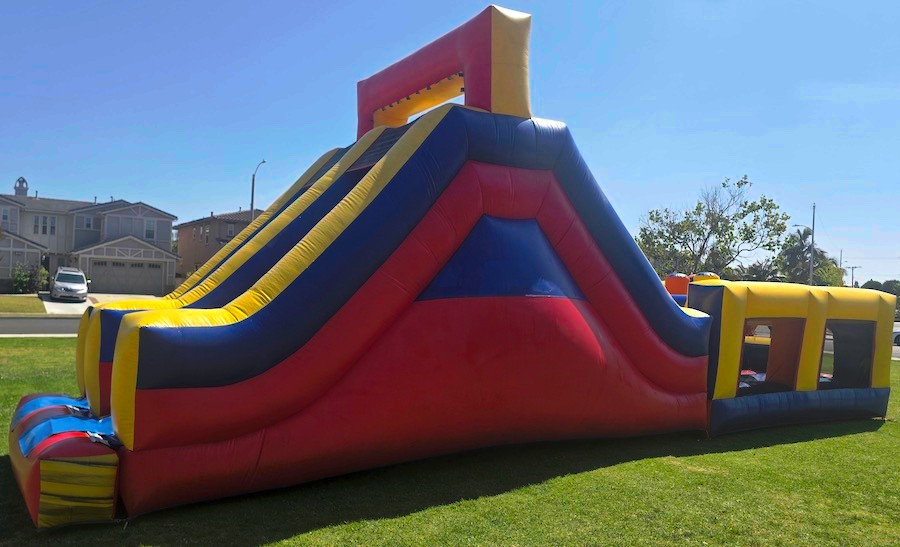
A structured inspection and maintenance routine is the single most effective way to extend the working life of your obstacle course units. Operators who treat maintenance as a scheduled operational task rather than a reactive response to visible damage consistently get more years and more revenue from each unit.
After every event, the unit should be fully deflated, cleaned, and inspected before storage. Cleaning should address both the interior and exterior surfaces, with particular attention to seams, anchor points, and high-contact areas like climbing walls and slide surfaces. Any moisture left in the unit during storage creates conditions for mildew and material degradation, so thorough drying before folding and storing is non-negotiable in TX's humid coastal and transitional zones.
Seam inspection should happen on a regular cycle, not just when a problem becomes visible. Run your hands along interior seams during each post-event inspection and look for separation, bubbling, or soft spots that indicate adhesive or weld failure. Catching a seam issue early means a straightforward repair; catching it after it has propagated means a more expensive fix or a retired unit.
Blower motor condition directly affects how the unit performs and how much stress the material absorbs during inflation. An underpowered or failing blower causes the unit to run partially deflated, which increases material stress and creates uneven load distribution across seams. Checking blower performance at each setup and replacing motors on a proactive schedule rather than waiting for failure is a low-cost way to protect a much larger investment.
Storage conditions matter as much as field maintenance. Units should be stored in a climate-controlled or at minimum shaded environment, folded without sharp creases at the same stress points, and kept off concrete floors where moisture can wick upward. In TX, a storage facility without climate control can reach temperatures that accelerate material degradation even when units are not in use.
The ASTM International standards for inflatable amusement devices provide a useful technical baseline for inspection criteria and material performance expectations. Aligning your internal inspection checklist to those standards gives you a defensible framework and helps identify when a unit is approaching the end of its serviceable life.
When to Repair vs. Retire an Obstacle Course Inflatable
Every fleet operator eventually faces the decision of whether to invest in repairing a unit or pull it from inventory. The calculus depends on repair cost relative to remaining revenue potential, the nature of the damage, and how the unit's condition affects your fleet's reliability and reputation.
Minor seam repairs, small punctures, and surface abrasions are generally worth repairing if the unit is otherwise structurally sound and has meaningful rental life remaining. A professional vinyl repair using compatible patching material and proper adhesion technique can restore a seam or surface to near-original strength. These repairs are relatively inexpensive and extend the unit's revenue-generating life without significant risk.
The calculation shifts when damage is structural rather than surface-level. Widespread seam fatigue across multiple stress points, delamination of the vinyl layers, or damage to the internal baffling that affects inflation integrity are signs that a unit is approaching retirement. Repairing one failing seam on a unit where the material is broadly degraded is a short-term fix that will require repeated intervention. At some point, the cumulative repair cost exceeds the value of the remaining rental revenue, and continuing to operate the unit becomes a liability rather than an asset.
A useful operational benchmark is to track repair costs as a percentage of the unit's original purchase price on an annual basis. When annual repair costs consistently exceed 15 to 20 percent of the original purchase price, the unit is typically a retirement candidate. This isn't a rigid rule, but it provides a structured way to make replacement decisions based on data rather than intuition.
Appearance matters too, particularly for obstacle course units where the visual condition of the inflatable is part of the product experience. Faded colors, visible patching across high-visibility surfaces, and worn graphics signal age to customers and can affect booking rates. A unit that is structurally sound but visually tired may still be worth retiring if it's dragging down your fleet's perceived quality.
Replacement Planning and Inventory Strategy for TX Fleet Owners
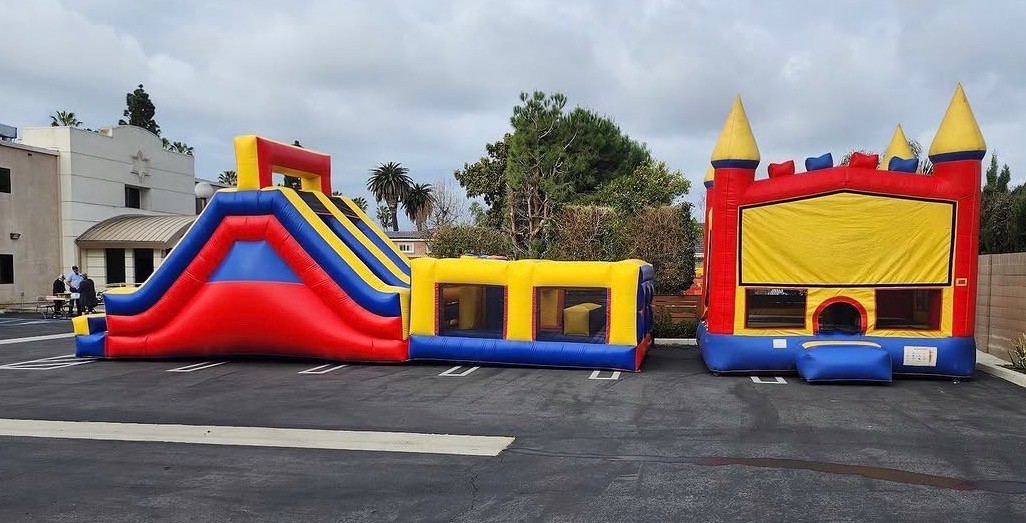
Replacement planning works best when it's built into your fleet management system from the beginning rather than addressed reactively when a unit fails. For TX operators running obstacle course units at high utilization rates, a rolling replacement schedule that anticipates end-of-life rather than reacting to it keeps your inventory fresh and your cash flow predictable.
A practical approach is to assign each unit in your fleet an estimated retirement date based on purchase date, utilization rate, and observed condition. Review those estimates annually and adjust based on actual maintenance history. This gives you a forward-looking view of when capital expenditure for replacement units is likely to hit, which helps with financing decisions and vendor sourcing timelines.
Sourcing lead times for commercial obstacle course units can run four to twelve weeks depending on the manufacturer, customization requirements, and freight logistics. TX operators sourcing from manufacturers outside the state need to factor in freight costs and delivery windows when planning replacements. Waiting until a unit is out of service to begin the sourcing process means lost revenue during the gap. Building a two-to-three-month lead time into your replacement planning prevents that gap from affecting your booking capacity.
Warranty terms from the manufacturer are an important part of the total cost calculation when evaluating purchase options. A unit with a three-year seam and material warranty from a reputable manufacturer represents a different risk profile than a lower-cost unit with limited warranty support. For fleet buyers, warranty coverage on high-stress components like seams, blower attachment points, and climbing wall reinforcements directly affects your repair cost exposure during the early years of a unit's life.
Inventory diversification also plays a role in managing replacement risk. A fleet that relies heavily on a single obstacle course model is more exposed to revenue loss when that unit needs repair or retirement than a fleet with multiple unit types that can partially substitute for each other. As you plan replacements, consider whether adding a complementary unit type alongside a direct replacement improves your fleet's overall resilience.
If you're evaluating obstacle course units for purchase or comparing sourcing options, the Jump High Rentals catalog is a practical reference point for understanding current unit configurations and sizing. For questions about specific units, freight logistics, or fleet planning, the Jump High team is available to help with sourcing guidance tailored to your TX operation. You can also browse the guides library for additional resources on inflatable fleet management and event planning logistics.
Building a TX obstacle course fleet that performs reliably over multiple seasons comes down to buying the right units, maintaining them consistently, and replacing them on a schedule that reflects actual wear rather than optimistic assumptions. The operators who get the most out of their investment are the ones who treat lifespan planning as a core part of their business model from day one.