
What Makes a Bounce House Truly Commercial Grade
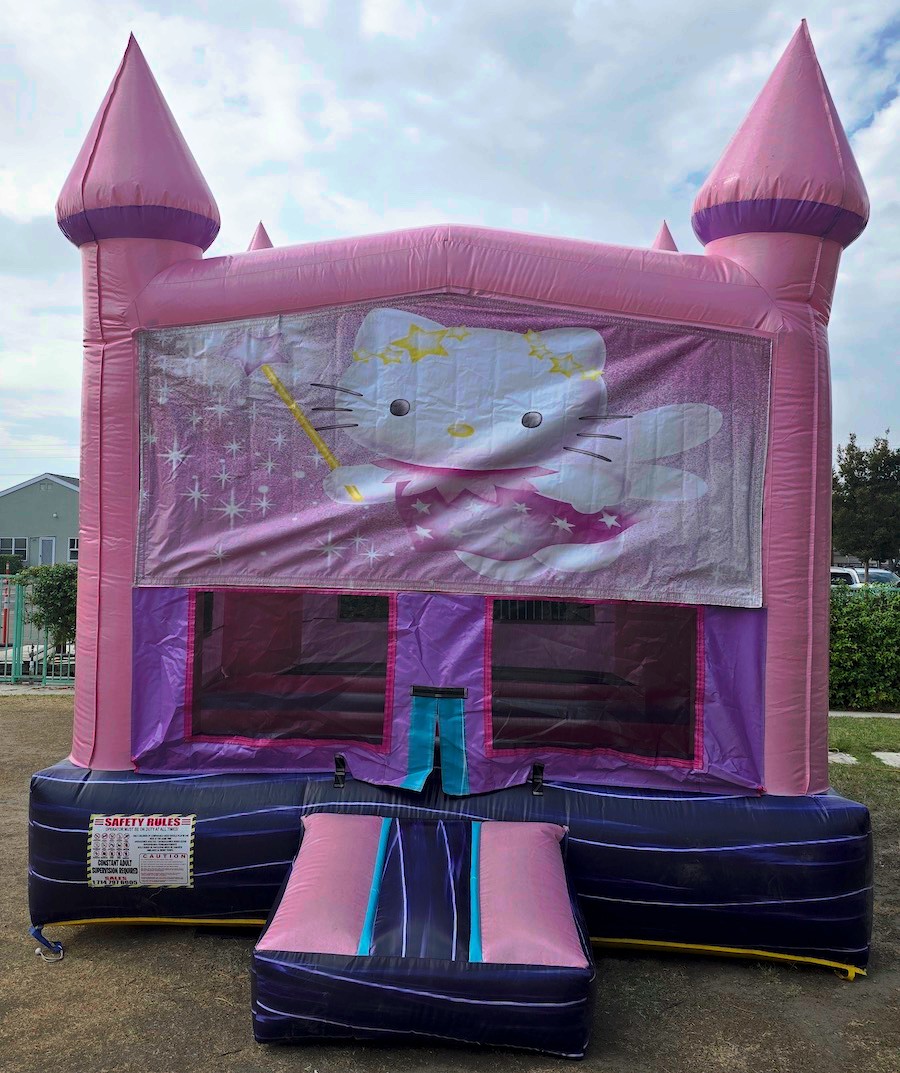
Commercial grade means the unit is built to survive repeated daily rentals, not a single backyard birthday. A true commercial bounce house uses 18-oz virgin vinyl (sometimes listed as 18-oz PVC) rather than the lighter 13-oz or 14-oz material common in residential units sold at warehouse stores. That heavier material resists punctures, holds its shape under continuous blower pressure, and tolerates the UV exposure that comes with outdoor use across a full rental season in a sunny state like CO.
Beyond material weight, look at the thread count and stitch pattern on the seams. Commercial units use double- or quad-stitched seams with reinforced stress points at corners, anchor loops, and entry arches. A residential unit may look similar in a product photo, but the seam construction is where the difference becomes obvious when you run your fingers along the interior walls and bounce chamber edges.
The blower motor spec matters just as much as the vinyl. Commercial units are designed for continuous-duty blowers rated at 1.5 HP or higher. If a listing describes a unit as "commercial grade" but ships with a residential-style blower, that is a warning sign worth investigating before you commit to a purchase price.
The Physical Inspection Checklist: Seams, Blowers, and Stitching
A hands-on inspection is the most reliable way to separate a well-maintained unit from one that has been patched repeatedly and is nearing the end of its useful life. If you are buying remotely (which is common when sourcing from a manufacturer or wholesaler), request a detailed video walkthrough and ask the seller to inflate the unit fully before filming.
Start at the seams. Run your hand along every interior seam line and look for separation, fraying, or visible repair patches. A patch or two is not automatically disqualifying, but clusters of patches in the bounce chamber floor or on the walls near the entry point suggest the unit has absorbed heavy use. Ask how old each repair is and whether the seller used manufacturer-approved vinyl cement or a field patch kit.
Move to the anchor loops and D-rings. These are the attachment points for ground stakes, and they take significant lateral stress during windy conditions. Loose stitching around any anchor loop is a structural concern, not a cosmetic one. Check the entry arch and step area as well, since those surfaces wear faster than the bounce chamber walls.
For the blower, plug it in and listen. A healthy commercial blower runs at a consistent hum without rattling or surging. Check the blower bag connection for wear, and confirm the unit reaches full inflation within the manufacturer's stated time (typically two to four minutes for a standard bounce house). If the unit takes significantly longer or never reaches firm pressure, the blower may be undersized or the unit may have an undetected air leak.
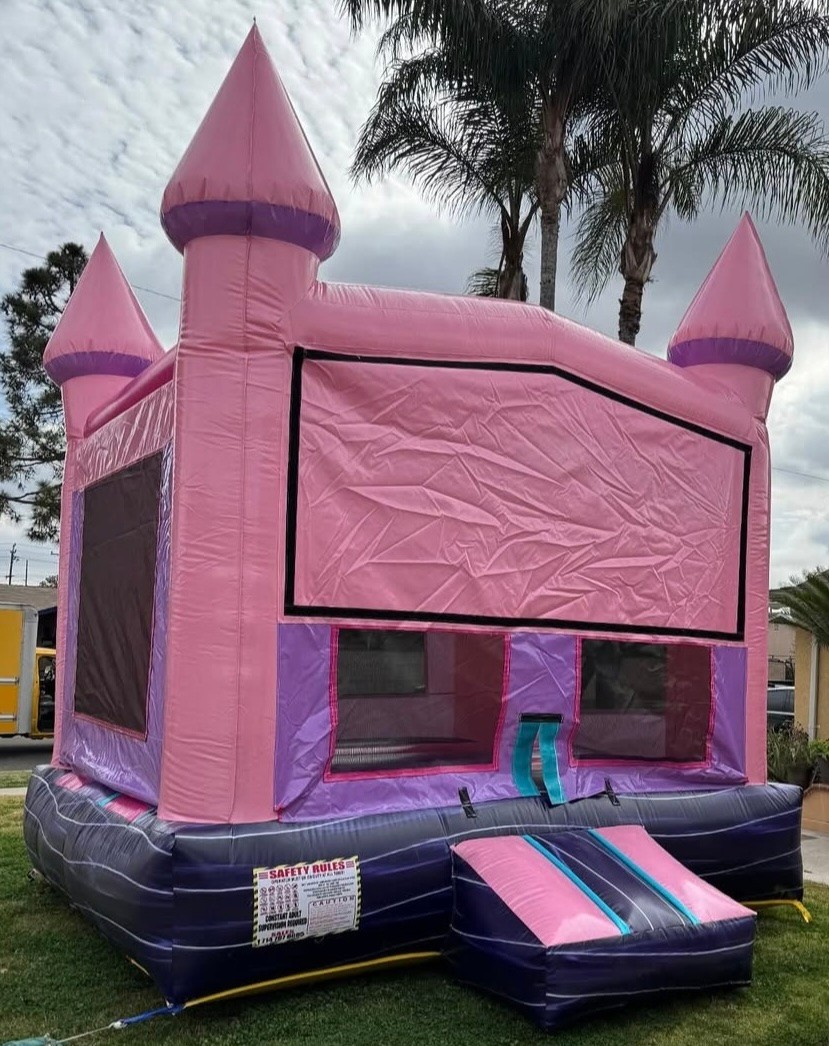
Finally, inspect the netting panels. Torn or sagging netting is a safety issue that affects your ability to rent the unit legally in many states. Replacement netting is available, but factor that cost into your offer if repairs are needed.
How to Evaluate Vendor Documentation and Warranty Terms
Documentation is where many first-time commercial buyers get caught off guard. A reputable manufacturer or wholesaler should provide a ASTM F2374 or ASTM F2375 compliance statement with the unit, since those are the published safety standards for inflatable amusement devices in the United States. If a seller cannot produce any compliance documentation, that gap creates real operational risk when you apply for a business license or event permit in CO.
Warranty terms vary widely in this industry. Some manufacturers offer a one-year limited warranty covering manufacturing defects in seams and vinyl. Others offer two years on the structure with a shorter coverage window on the blower motor. What matters most is not the length of the warranty but what the process looks like when you actually file a claim. Ask the vendor directly: do they require you to ship the unit back at your expense, or do they send replacement panels? How long does a claim typically take to resolve? A vendor who cannot answer those questions clearly is telling you something important about their post-sale support.
Also request the unit's serial number and manufacturing date before you finalize any purchase. This lets you verify the unit's age independently and check whether it falls within any active recall or safety notice. The Consumer Product Safety Commission maintains a searchable recall database that is worth checking for any commercial inflatable model you are seriously considering.
For used units purchased through a reseller, ask for the maintenance log if one exists. Reputable rental operators track repairs, cleaning cycles, and blower replacements. A unit with a documented maintenance history is worth more than an identical unit sold "as-is" with no records, even if the asking price is the same.
Freight, Delivery, and What Arrives at Your Door in CO
Buying commercial inflatables for a CO-based fleet almost always means freight shipping, not a local pickup. Most commercial bounce houses ship on a pallet, rolled and strapped, with a crate or heavy-duty cardboard boxing depending on the manufacturer. Freight costs from major manufacturing hubs (often in the southeastern United States or directly from overseas factories) to Colorado typically run between $200 and $600 per unit depending on weight, dimensions, and whether you have a commercial loading dock at your delivery address.
If you are receiving freight at a residential address or a storage unit without a dock, you will need to arrange liftgate service. That is an add-on fee from the freight carrier, usually $75 to $150, and it is easy to overlook when comparing total landed costs between vendors. Always ask the seller for the unit's freight class and approximate shipping weight before you request quotes, since those numbers determine the carrier's rate.
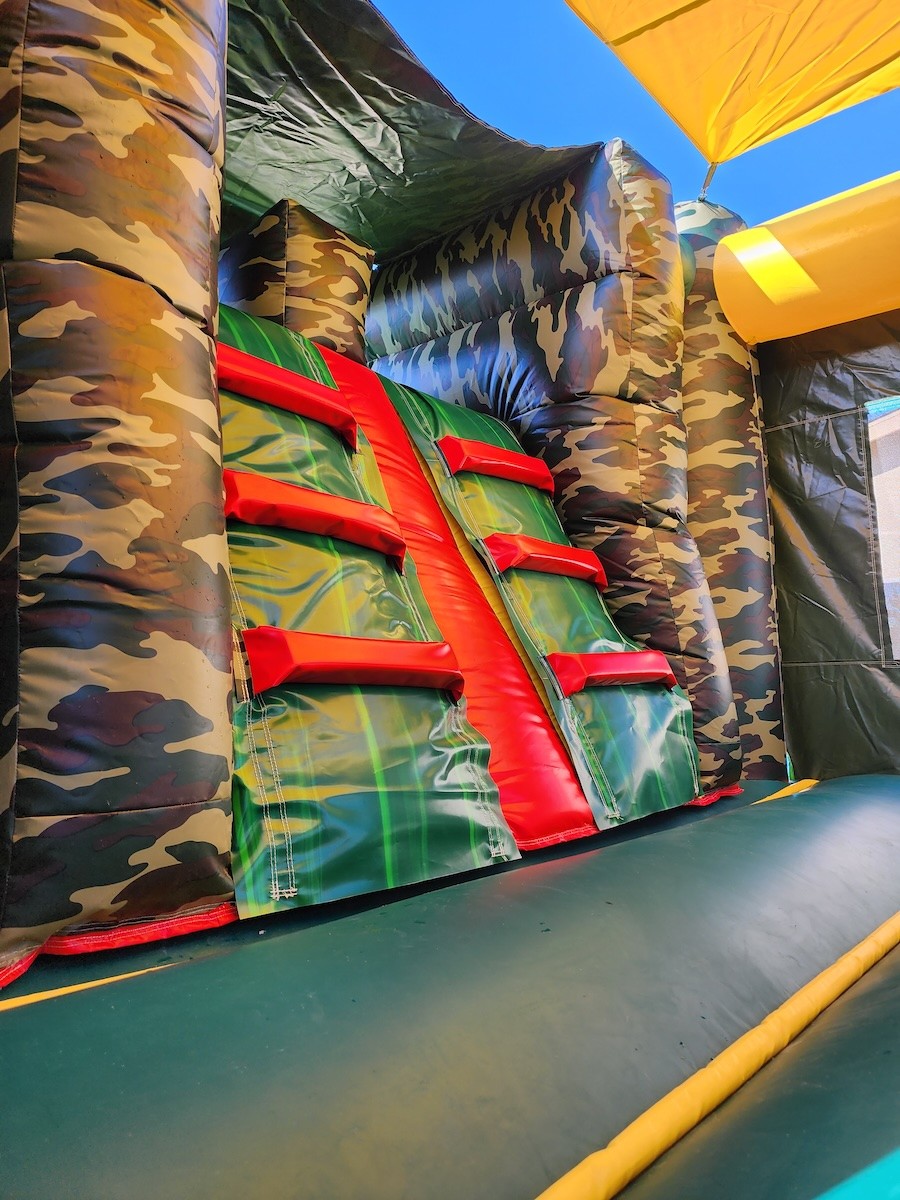
When the shipment arrives, inspect it before signing the delivery receipt. Look for visible damage to the crate or pallet wrap. If the packaging shows impact damage, note it on the delivery receipt and photograph everything before opening. Filing a freight damage claim after you have signed a clean receipt is significantly harder. Once you open the packaging, inflate the unit immediately to confirm it holds pressure and matches the product description. Most vendors have a short window (often 48 to 72 hours) for reporting concealed damage, so do not wait.
For buyers sourcing directly from overseas manufacturers, lead times typically run eight to fourteen weeks depending on production schedules and port congestion. Factor that timeline into your inventory planning, especially if you are building a fleet ahead of a peak rental season. Operators in CO who plan to be ready for summer bookings generally need to place orders no later than late winter to account for production and transit time.
Turning Inspection Results Into a Smart Buying Decision
Once you have completed a physical or video inspection and reviewed the documentation, the goal is to translate your findings into a clear-eyed purchase decision. A unit that passes every inspection point and comes with full documentation is worth paying a fair market price for. A unit with minor issues (a small patch, a slightly worn entry step, a blower that is functional but older) may still be a good buy if the seller adjusts the price accordingly and you have budgeted for the repair or replacement cost.
The units that deserve the most scrutiny are the ones that look clean in photos but lack any documentation. In the commercial rental business, a bounce house without compliance records or a traceable manufacturing history creates friction at every stage: permitting, insurance underwriting, and customer trust. Buying a well-documented unit from a reputable source is almost always the better long-term investment, even if the upfront cost is higher.
If you are building a fleet from scratch, it also helps to think about unit compatibility. Buying multiple units from the same manufacturer means your blowers, repair vinyl, and replacement parts are likely interchangeable, which simplifies your maintenance workflow and reduces the number of spare parts you need to stock.
For operators who want to understand how Jump High Rentals approaches fleet quality from the rental side, the guides hub covers topics including inflatable sourcing, inventory planning, and seasonal fleet strategy. If you have specific questions about what to look for in an active rental fleet, the contact page is the right place to start a conversation. Buyers who are still weighing whether to purchase or rent commercially may also find the FAQ useful for understanding how professional operators evaluate unit quality before it ever reaches a customer's backyard.
The inspection process takes time, but it is the step that separates operators who build durable, profitable fleets from those who spend their first season managing repairs instead of bookings. Go in with a checklist, ask for documentation, and do not skip the inflation test.