
Choosing between a waterslide rental for a pool party and a standalone inflatable water slide is one of those decisions that feels simple until you start thinking through the details. Both options deliver a serious fun factor for Orange County summers, but they work differently, require different yard setups, and suit different guest lists. Getting this choice right before you book saves you from scrambling on the day of the party.
This guide walks through the real differences so you can pick the option that fits your backyard, your guests, and your summer plans.
What Makes a Pool-Party Waterslide Different From a Standalone Slide
A pool-party waterslide is designed to complement an existing pool. The slide itself typically launches riders toward or alongside the pool, turning the pool into the landing zone. The idea is to give swimmers a more exciting entry point and add variety to what might otherwise be a standard swim party. If your backyard already has a pool and you want to build on that setup, this style of rental can make the event feel like a full water park experience.
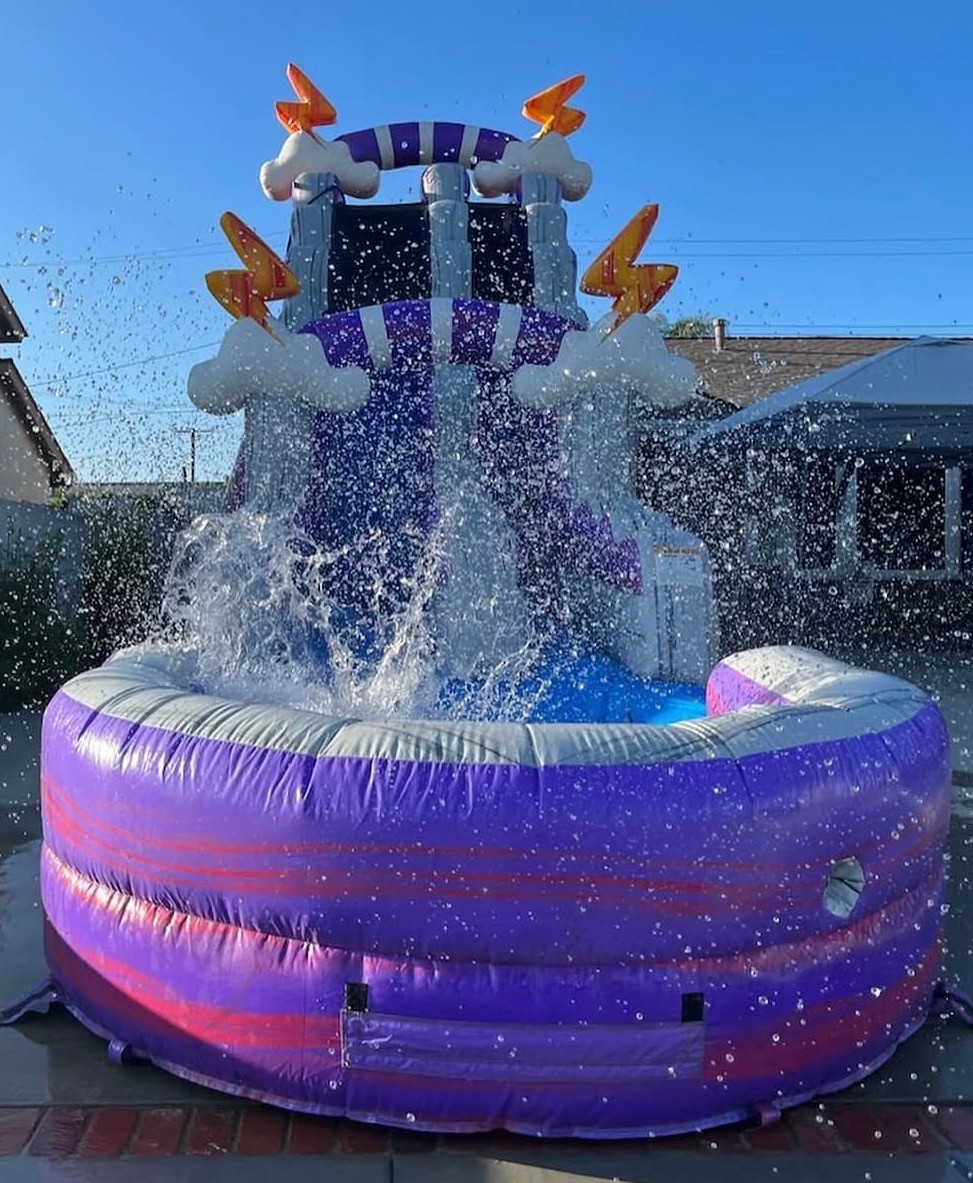
A standalone inflatable water slide works as a self-contained attraction. It includes its own splash zone or landing pad at the base, so it does not depend on a pool at all. Water runs down the slide from a connected hose, and riders land in a shallow pool or cushioned splash area built into the unit. For families without a pool, or for parents who want the slide to be the main event rather than a pool add-on, a standalone unit is usually the more practical and flexible choice.
The key difference comes down to dependency. A pool-party setup requires you to manage two water attractions at once, which affects supervision, guest flow, and logistics. A standalone slide gives you one focused attraction that is easier to monitor and organize.
Space, Surface, and Setup: What Your Yard Actually Needs
Before you decide which style to rent, measure your yard carefully. Both types of waterslides need more room than most parents expect, and the slide footprint is only part of the calculation.
For a pool-party waterslide, you need enough space for the slide structure itself, a clear entry path, and safe clearance around the pool edge. Guests will be moving between the slide and the water, so traffic flow around the pool matters as much as the slide dimensions. Crowding near a pool edge is a safety concern worth planning around.
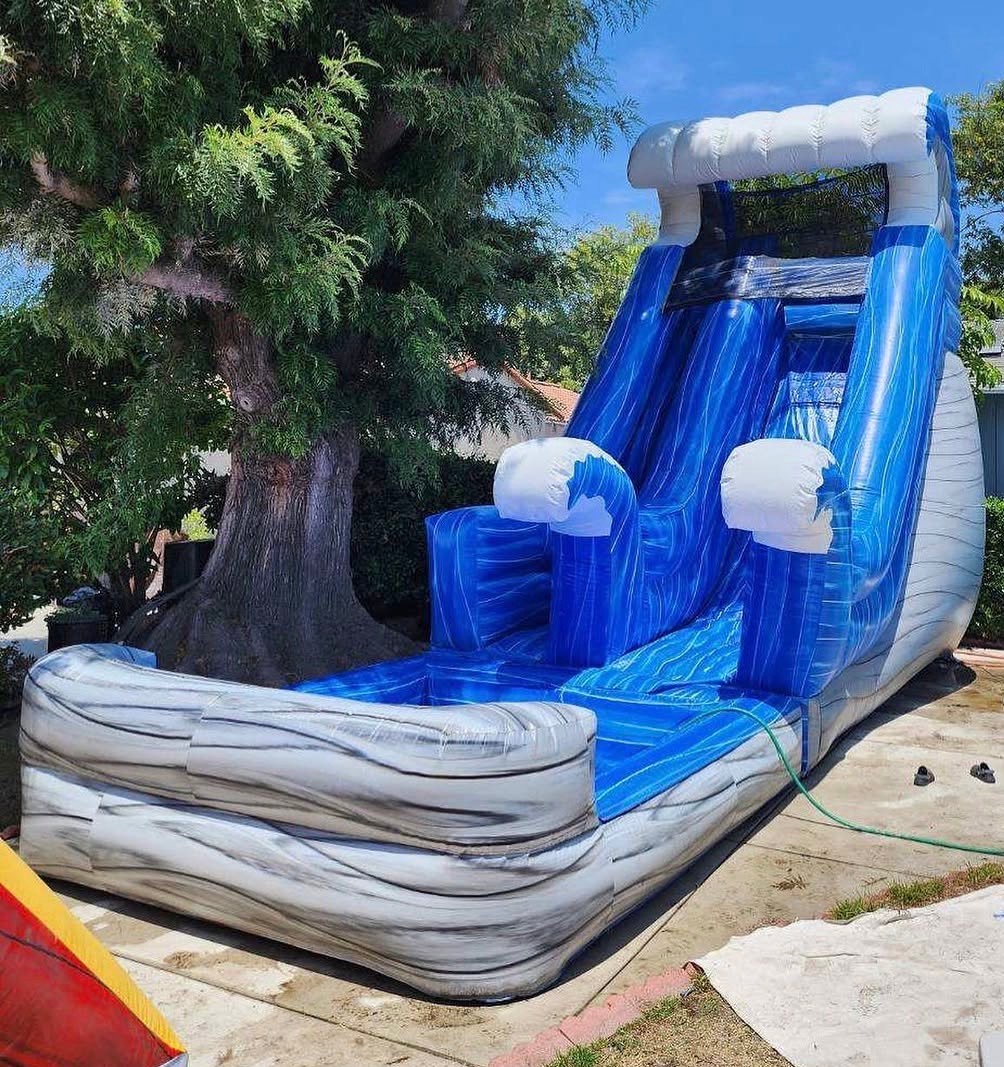
For a standalone inflatable water slide, the footprint includes the slide body, the splash zone at the base, a queue area where kids wait their turn, and a clear delivery path from the street or gate to the setup location. Rental companies like Jump High Rentals need to move the unit through your yard, so gate width, stairs, and distance from the street all factor into whether a particular unit can be set up at your address.
A few practical things to confirm before booking either type:
- Measure the usable flat area in your yard, not just the total square footage
- Check your gate width (most inflatables need at least 36 to 44 inches of clearance)
- Identify where your water hookup and electrical outlet are located
- Note whether the ground is flat grass, artificial turf, or concrete, since each surface has different anchoring requirements
- Consider whether the setup area is shaded or in full sun, which affects both safety and comfort on a hot OC afternoon
Standalone slides are generally easier to place in a wider range of yard configurations because they do not need to align with an existing pool. If your yard is narrow, has an irregular shape, or has limited access, a standalone unit often gives you more flexibility.
Supervision and Guest Flow at Water Attractions
Water attractions are not set-it-and-forget-it rentals. Both pool-party waterslides and standalone slides require active adult supervision throughout the event, and the supervision demands are different for each.
With a pool-party setup, you are managing two zones simultaneously. Adults need to watch the slide entry and exit, monitor the pool area, and keep an eye on the transition between the two. If your guest list includes younger children or mixed age groups, this dual-zone setup can stretch your supervision capacity quickly. It is worth thinking honestly about how many responsible adults will be present and whether they can cover both areas at once.
A standalone slide simplifies this because there is one attraction with a clear line, a defined entry point, and a single exit zone. Adults can position themselves at the base of the slide and manage turn-taking without also monitoring a separate pool. For parties where you want a more organized, predictable flow, this setup tends to work better.
Guest flow also affects the overall energy of the party. A standalone slide creates a natural queue and a visible focal point, which helps kids understand where to go and what to do next. Pool parties can feel more free-form, which is great for older kids who can self-regulate but can become chaotic with younger guests or large groups.
Matching the Slide to Your Guest List and Age Group
The right waterslide for a group of eight-year-olds is not necessarily the right choice for a party that includes toddlers, teenagers, and adults. Matching the unit to your actual guest list makes a real difference in how safe and enjoyable the event is.
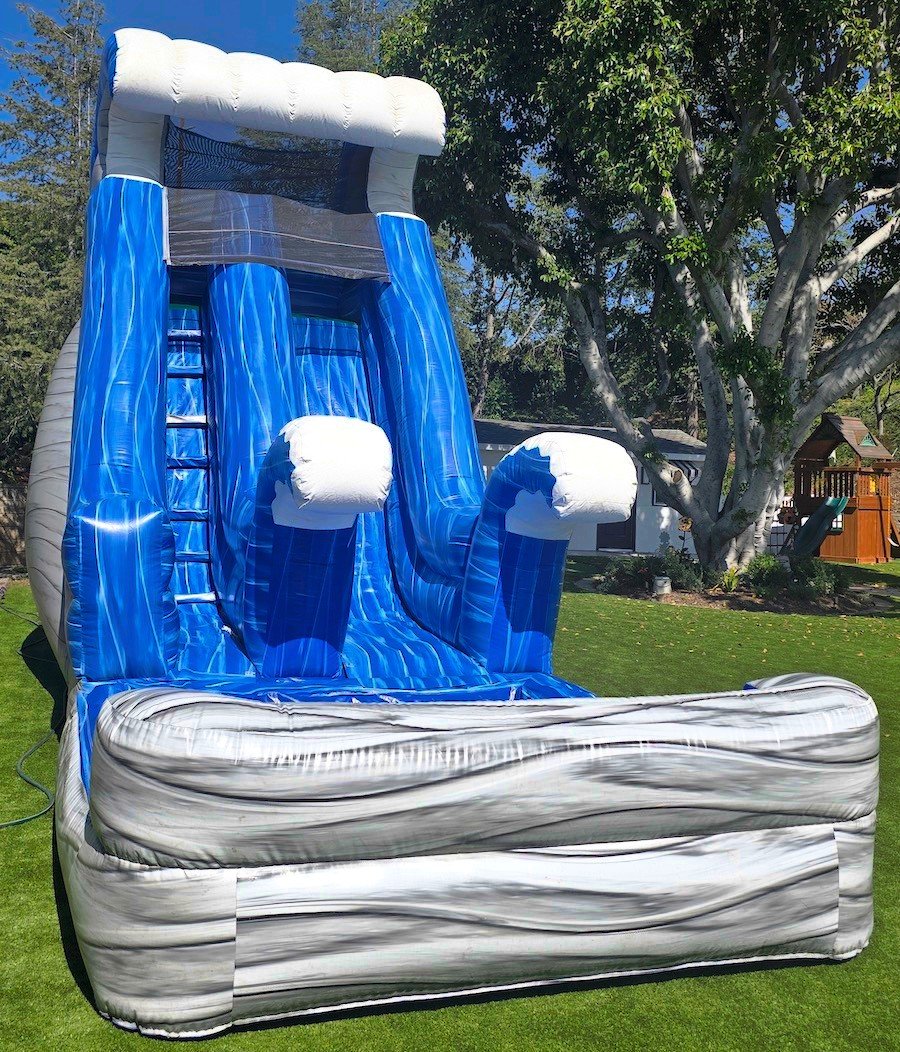
Standalone inflatable slides come in a range of sizes. Compact residential units are designed specifically for backyard use and work well for family birthdays with younger children. Larger units with steeper drops and longer runs are better suited to older kids and bigger parties. When you contact Jump High Rentals, sharing your guest count and the approximate age range helps narrow down which unit is the right fit.
Pool-party waterslides tend to appeal most to older kids and teens who are already comfortable swimmers. If your guest list skews younger or includes children who are not strong swimmers, a standalone slide with a shallow splash zone may be a safer and more age-appropriate option.
For mixed-age parties, some families rent a smaller standalone slide specifically for younger children while older guests use the pool. This approach keeps age groups separated and makes supervision more manageable, though it does require enough yard space for both setups.
How to Book the Right Waterslide Rental in Orange County
Summer 2026 booking windows in Orange County fill up earlier than most parents expect. Weekend dates in June, July, and August tend to go first, so reaching out to confirm availability a few weeks in advance is a smart move.
When you contact Jump High Rentals, come prepared with a few key details: your party date, the approximate size of your yard, your gate width, whether you have a pool, and your expected guest count. This information helps the team recommend the right unit and confirm whether delivery and setup are straightforward for your address.
Jump High Rentals handles delivery, professional setup, and pickup across Orange County, so you are not managing the logistics of moving or inflating the unit yourself. The team can also walk you through water and power requirements for the specific unit you are considering, which takes the guesswork out of prep.
Whether you are leaning toward a pool-party waterslide to enhance an existing pool setup or a standalone inflatable slide to create a self-contained summer attraction, the right choice starts with knowing your yard and your guests. Browse the waterslide options at Jump High Rentals or reach out directly to confirm which unit fits your space before the best summer dates are gone.