
How to Choose Commercial Inflatable Units for an AZ Rental Fleet
Building a profitable inflatable rental fleet in Arizona starts with one decision that shapes everything else: which units you buy first. The temptation for new fleet operators is to load up on variety, grabbing a waterslide here, an obstacle course there, and a themed bouncer for good measure. In practice, the operators who scale fastest in AZ tend to do the opposite. They identify two or three unit types with broad event appeal, buy multiples of those, and expand from there once cash flow is predictable.
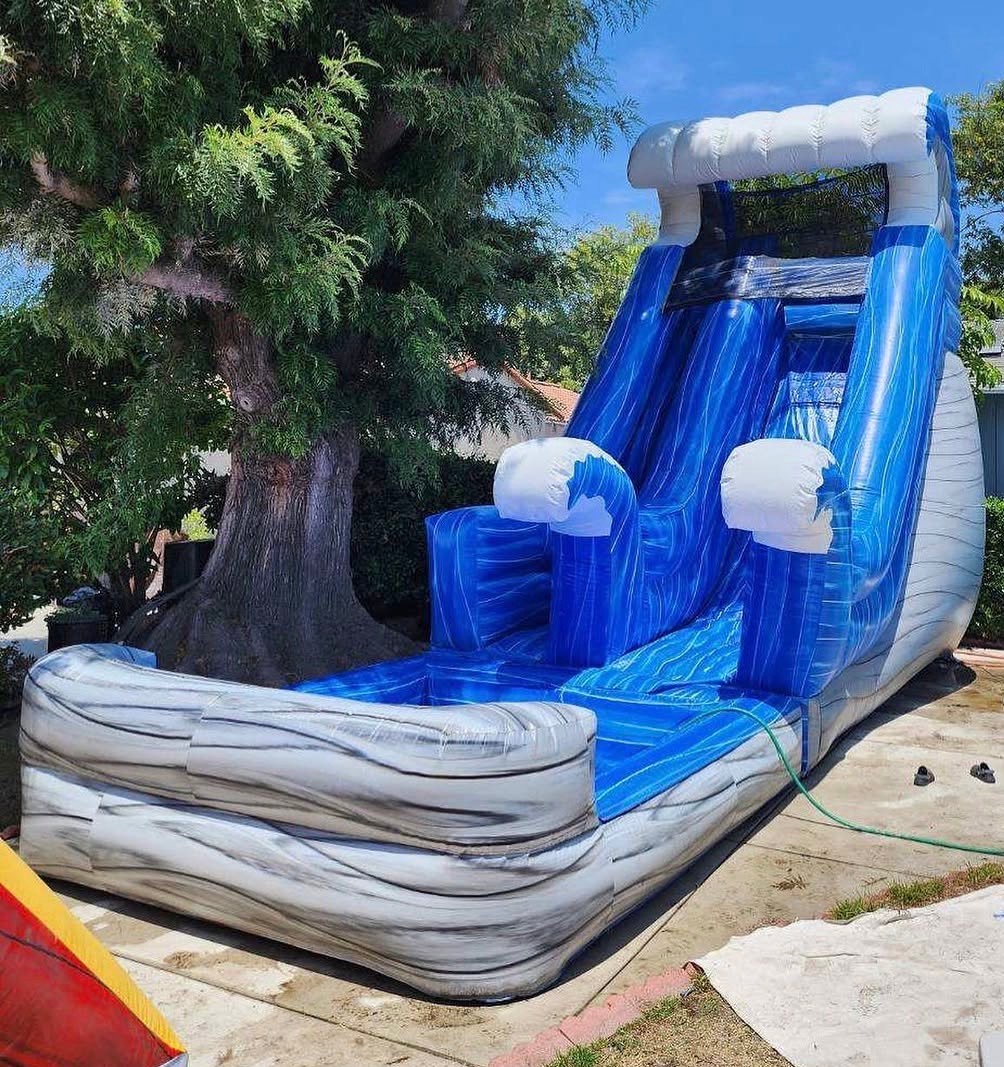
For Arizona specifically, the climate drives unit selection in ways that differ from coastal markets. Summers in the Phoenix metro and Tucson areas are genuinely extreme, with surface temperatures on synthetic turf or concrete reaching levels that make dry bouncers uncomfortable for kids during midday hours. That reality pushes demand toward wet units, combo bouncers with water features, and waterslides for roughly six months of the year. A fleet that carries only dry units will sit idle during peak summer weekends when competitors with wet inventory are fully booked. If you are starting from scratch, plan for at least half your initial units to be wet-dry combos or dedicated waterslides.
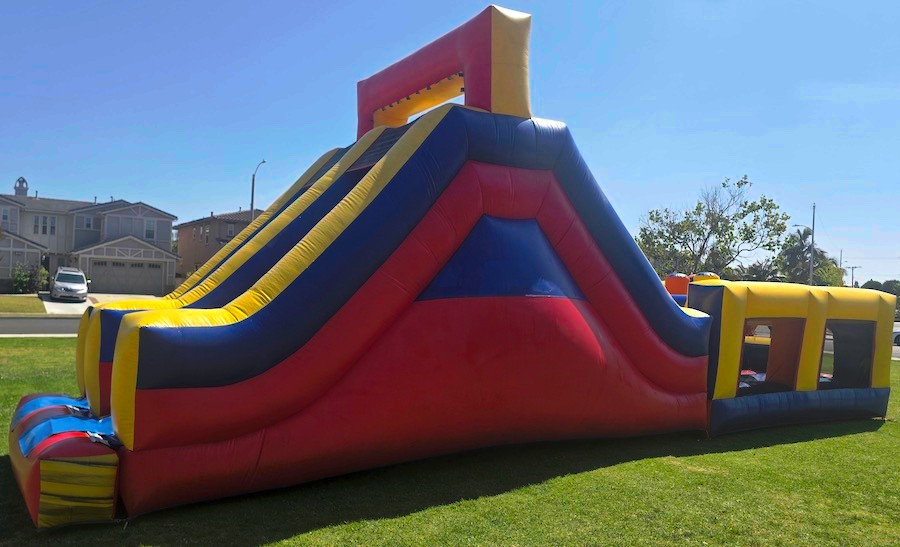
On the dry side, obstacle courses and combo bouncers with basketball hoops hold up well in the fall and spring shoulder seasons, which in AZ are genuinely busy for school events, church festivals, and HOA gatherings. A 30-foot to 40-foot obstacle course is one of the most versatile commercial units you can own because it works for birthday parties, corporate picnics, and school field days without modification. When you are evaluating unit specs, prioritize commercial-grade vinyl (18 oz or heavier) over residential-grade materials. Commercial stitching and reinforced anchor points matter more in AZ than in milder climates because the combination of UV exposure and heat accelerates material degradation on lighter-weight units.
Sizing decisions also affect your logistics costs downstream. A unit that ships in a single pallet is meaningfully cheaper to receive and store than one requiring two freight pallets. Before you finalize any purchase order, ask your vendor for the packed dimensions and weight of each unit. That number will follow you through freight quotes, storage planning, and eventually resale value.
Freight, Delivery, and Receiving Commercial Inflatables in Arizona
Arizona's geography creates some freight realities that operators in coastal states do not deal with as often. Most commercial inflatable manufacturers are located in the southeastern United States or ship from overseas distribution hubs on the West Coast. Either way, AZ operators are typically looking at LTL (less-than-truckload) freight for large unit orders, and LTL rates into the Phoenix or Tucson metro areas have ranged from roughly $300 to $800 per pallet depending on origin, carrier, and fuel surcharges as of 2026. Those numbers shift with carrier rate cycles, so always get a fresh quote before committing to a purchase.
Lead times matter as much as freight costs. Domestic manufacturers typically quote four to eight weeks for commercial units, while overseas suppliers (primarily Chinese manufacturers shipping through West Coast ports) can run ten to sixteen weeks or longer when port congestion or customs delays stack up. If you are building a fleet ahead of a specific season, work backward from your target launch date and add a buffer of at least three weeks beyond the vendor's stated lead time. AZ operators who plan to be ready for spring bookings in March need to be placing orders no later than November of the prior year if they are sourcing overseas.
When your freight arrives, inspect every unit before signing the delivery receipt. Freight damage on commercial inflatables is not uncommon, and your ability to file a claim depends entirely on noting damage on the bill of lading at the time of delivery. Have at least two people on hand for receiving days. Unroll each unit, check seams, inspect blower ports, and photograph anything that looks questionable. A damaged seam that goes unnoticed at delivery becomes your problem, not the carrier's, once you sign a clean receipt.
For AZ operators without a dedicated warehouse, receiving large freight shipments at a residential address creates complications. Many carriers will not deliver LTL freight to residential locations without a liftgate fee, which typically adds $75 to $150 per shipment. If you are operating out of a home base initially, factor that cost into your unit pricing or arrange delivery to a commercial address where you have access.
Storage, Depreciation, and Protecting Your Inventory Year-Round
Storage is where many first-time fleet operators underestimate their costs, and in Arizona the stakes are higher than in most states. Storing commercial inflatables in an unconditioned space during AZ summers is one of the fastest ways to shorten the lifespan of your inventory. Vinyl degrades significantly faster when stored in environments that regularly exceed 110 to 120 degrees Fahrenheit, which is exactly what an unconditioned metal storage unit in the Phoenix metro reaches during July and August. If you are serious about protecting a $3,000 to $8,000 unit investment, climate-controlled storage is not optional. It is a cost of doing business in this market.
Climate-controlled storage units in the Phoenix area run roughly $150 to $350 per month for a 10x20 space, depending on location and facility. A small fleet of five to eight units will likely require a 10x30 or larger space, or multiple units. Some operators transition to small commercial warehouse leases once their fleet reaches ten or more units, which can bring the per-square-foot cost down while also giving them space for a work area to clean, repair, and inspect inventory between rentals.
Depreciation is a real number in your business model, not just an accounting concept. Commercial inflatables from reputable manufacturers typically carry a useful life of five to eight years with proper care, though heavy-use units in a hot climate may realistically depreciate faster. A unit purchased for $5,000 that lasts six years before requiring major repair or replacement is depreciating at roughly $833 per year before you account for maintenance costs. Build that number into your rental pricing from day one. Operators who price only to cover their immediate costs often find themselves unable to replace aging inventory without taking on debt.
Maintenance between rentals extends unit life significantly. Thorough drying before storage is the single most important habit you can build, because mold and mildew in AZ's monsoon season can destroy a unit faster than UV exposure. Inspect blowers after every rental, keep spare blower motors on hand, and patch small punctures immediately rather than letting them grow. A well-maintained unit that reaches resale age still has value to a buyer entering the market, while a neglected unit often has none.
ROI Benchmarks: Buying vs. Renting Inflatables for Your Business
The core question for any fleet operator is how many rentals a unit needs to generate before it pays for itself, and how long that realistically takes in the AZ market. A standard combo bouncer purchased for $2,500 to $3,500 from a commercial vendor, rented at $200 to $300 per day in the Phoenix or Tucson market, reaches breakeven somewhere between nine and eighteen rentals depending on your pricing and operating costs. At two to three rentals per weekend during peak season (roughly October through May in AZ, with a summer wet-unit surge), a single unit can realistically generate $8,000 to $15,000 in annual revenue before expenses.
That revenue number sounds attractive until you subtract storage, insurance, cleaning supplies, fuel for delivery, and the time cost of setup and pickup. Operators who run tight numbers typically find that net margins on individual units run 40 to 60 percent once all variable costs are accounted for, which means a $3,000 unit generating $10,000 in annual revenue nets $4,000 to $6,000 after expenses. That is a strong return on a physical asset, but it requires consistent booking volume to achieve.
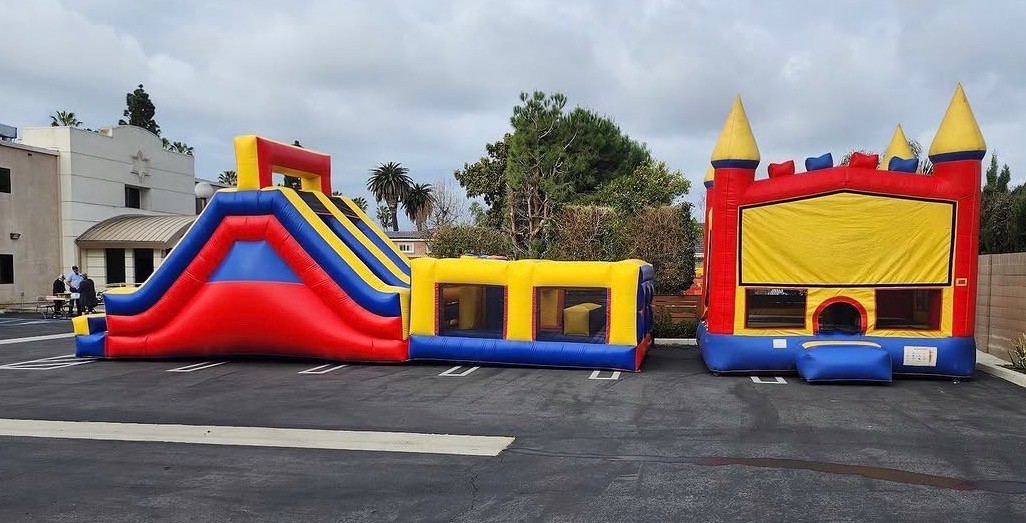
The buying-versus-renting question comes up most often for operators considering whether to add a specialty unit (like a large obstacle course or a themed bouncer) that may not rent frequently enough to justify ownership. The honest answer is that specialty units with narrow appeal often underperform in a small fleet. If a unit sits unused for three or four weekends per month, the storage cost and depreciation eat into returns quickly. A fleet of versatile, broadly appealing units almost always outperforms a collection of specialty pieces for operators in their first two to three years. You can see how this plays out in practice by reviewing the inflatable rental checklist for OC parties with 50 guests as a reference for what high-demand event formats actually require from rental inventory.
For operators considering whether to rent units from another company to fulfill overflow bookings rather than purchasing additional inventory, the math usually favors buying once you are turning away more than four to six bookings per month. Renting from a competitor to fulfill your own customer's booking typically costs 50 to 70 percent of your retail rate, leaving you with thin margins and no asset to show for it.
Warranties, Vendor Support, and Wholesale Sourcing for Fleet Buyers
The commercial inflatable manufacturing landscape has a wide quality range, and the warranty terms a vendor offers are one of the clearest signals of where their products fall on that spectrum. Reputable commercial manufacturers typically offer one to three year warranties on seams and structural components, with blower motors often covered separately for six to twelve months. Be skeptical of vendors who offer vague warranty language like "satisfaction guaranteed" without specifying what is covered, for how long, and what the claims process looks like.
Wholesale sourcing for fleet buyers generally falls into three categories: domestic manufacturers, overseas manufacturers with US distribution, and used equipment resellers. Domestic manufacturers offer faster lead times, easier warranty claims, and products built to US safety standards, but their prices are typically 30 to 60 percent higher than comparable overseas units. Overseas manufacturers (primarily based in China, with brands like Blast Zone and others distributed through US warehouses) offer lower entry costs but require more due diligence on material specs and safety certifications. Used equipment from established rental companies can be a cost-effective way to expand a fleet quickly, but inspect units in person before purchasing and ask for maintenance records.
When evaluating any vendor relationship, ask specifically about their support process for warranty claims. A vendor who requires you to ship a 200-pound unit back to their facility at your expense for a warranty inspection is offering a warranty that is difficult to use in practice. The best vendor relationships for fleet operators include phone or video support for diagnosing issues, local repair referrals, and replacement parts availability for blowers and anchor hardware.
Building relationships with two or three vendors rather than relying on a single source also protects your business when a manufacturer has production delays or discontinues a product line. Diversifying your sourcing gives you options when you need to replace a unit quickly or add inventory ahead of a busy season.
If you are launching or scaling a rental operation and want guidance on what inventory makes sense for your market and event mix, the team at Jump High Rentals is happy to talk through what they have seen work in the Southern California and broader Southwest market. You can also browse the rentals catalog to get a sense of the unit types that drive consistent booking volume, or reach out through the contact page to start a conversation about sourcing and fleet planning. For additional reading on inflatable operations and event logistics, the guides library covers a wide range of practical topics for rental operators at every stage.