
Why California's Climate Creates Unique Storage Challenges for Inflatables
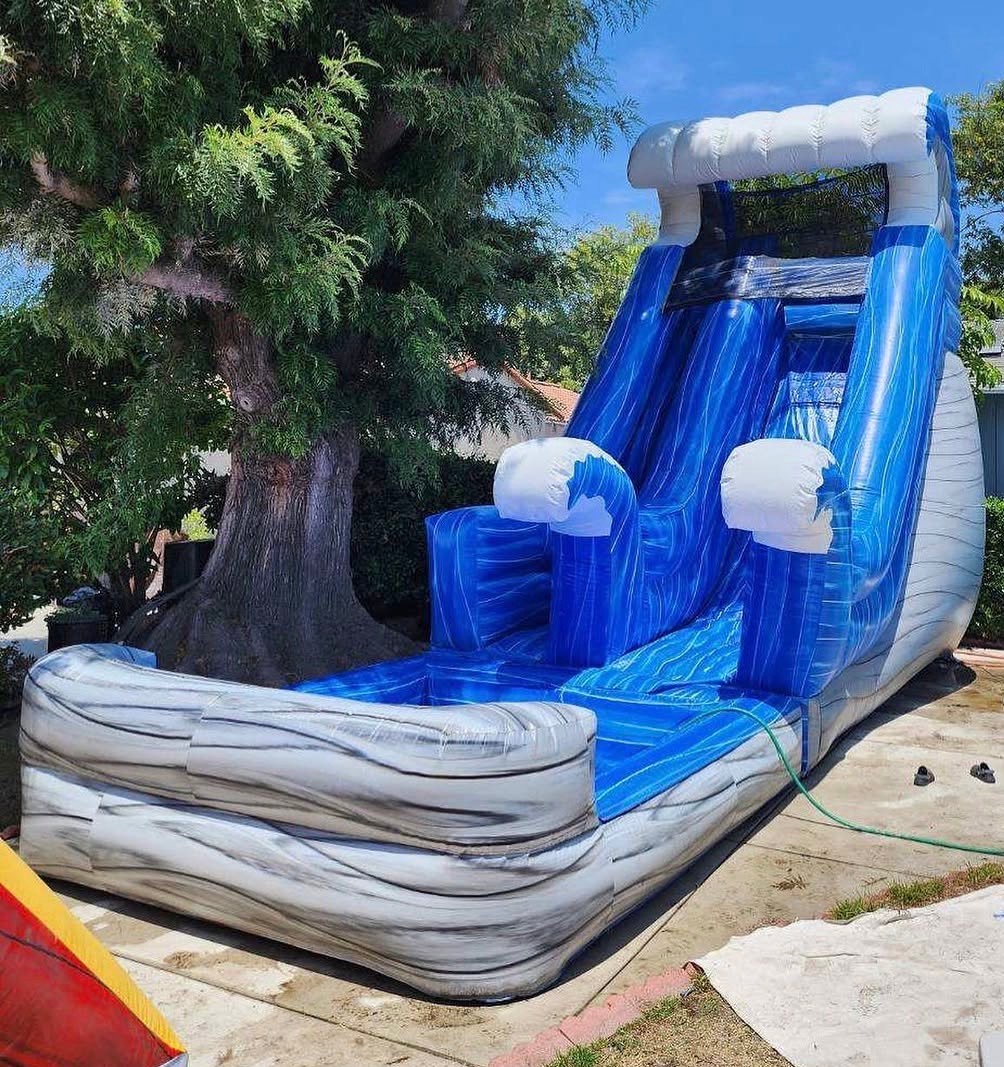
California's outdoor conditions are genuinely tough on commercial inflatables, and the challenges go beyond simple heat. UV radiation at California latitudes is intense enough to degrade PVC and vinyl surfaces within a single season if units are left exposed without protection. Add coastal humidity from areas like Huntington Beach and Newport Beach, and you have a combination that accelerates mold growth inside folds and along seam lines. Inland operators in places like Yorba Linda or Fullerton face the opposite extreme: dry heat that causes vinyl to stiffen, crack at stress points, and lose the flexibility it needs to survive repeated inflation cycles.
The practical consequence is that California operators cannot rely on storage habits borrowed from cooler, drier climates. A unit stored in an unventilated garage in Anaheim during July can reach internal temperatures well above 120 degrees Fahrenheit, which softens adhesive bonds and warps anchor D-rings if they are left under tension. Coastal operators who store damp units in sealed bags or bins risk finding mold colonies along interior baffles within two to three weeks, even during mild weather.
Understanding your specific microclimate matters more than following generic inflatable storage advice. An operator running rentals across Orange County may need different storage protocols for a unit that spent a weekend at a Laguna Hills backyard party versus one that ran all day at a Fullerton school carnival in direct sun. The starting condition of the unit when it comes off the truck determines how much work the storage process actually requires.
How to Clean and Dry Commercial Inflatables Before Storage
Cleaning before storage is the single highest-return maintenance habit a California operator can build. A unit that goes into storage with dirt, sunscreen residue, or moisture trapped in seams will come out in worse condition than when it went in, every time. The cleaning process does not need to be complicated, but it does need to be thorough and consistent after every rental.
Start with a mild soap solution and a soft-bristle brush or microfiber cloth. Work across all interior bounce surfaces, walls, and slide lanes, paying extra attention to the corners and seam lines where debris collects. Rinse thoroughly so no soap film remains, since dried soap residue can attract mold just as readily as organic dirt. For units that handled a water slide rental or wet combo event, interior drainage is critical before any folding begins.
Drying is where most operators cut corners, and it is the step that causes the most long-term damage. In California's summer heat, surface drying happens fast, which creates a false sense that the unit is ready to fold. Interior chambers and baffles hold moisture much longer than exterior surfaces. The safest approach is to inflate the unit fully after cleaning, allow it to run for 20 to 30 minutes in a shaded area with good airflow, then deflate and check interior surfaces by hand before folding. If any section feels cool or damp to the touch, re-inflate and continue drying.
For units that have been in coastal environments, a light wipe-down with a diluted white vinegar solution after the soap wash can help neutralize salt residue that accelerates seam corrosion. This is a practical step that many experienced operators in the Orange County area have added to their post-rental routine. You can read more about how professional cleaning protocols work in Jump High's guide on how inflatables are cleaned and sanitized in OC.
Folding, Rolling, and Storing Large Inflatables Without Causing Damage
The way you fold a commercial inflatable determines where stress fractures and seam failures will eventually appear. Repeated folding along the same crease lines creates weak points that fail under inflation pressure, often at the worst possible moment during a rental. The goal is to vary fold lines slightly with each storage cycle so no single area bears repeated mechanical stress.
For large units like obstacle courses or dual-lane waterslides, a two-person fold is not optional. One person managing a 40-foot obstacle course alone will inevitably drag sections across the ground or allow sharp folds that compress anchor hardware into the vinyl. Assign roles before you start: one person manages the blower end and folds inward, the other manages the exit and keeps tension even. Rolling rather than folding is generally better for long units because it distributes stress more evenly and creates a tighter, more manageable package for transport.
Avoid storing inflatables directly on concrete floors without a barrier. Concrete wicks moisture upward and creates abrasion points on the bottom surface of the unit. A simple layer of moving blankets or purpose-made inflatable storage mats solves this problem inexpensively. In California storage facilities where temperature swings between day and night are significant, a breathable storage bag is preferable to a sealed plastic tarp, which traps condensation against the vinyl overnight.
Hardware deserves its own attention during the folding process. Anchor stakes, D-rings, and blower attachment collars should be positioned so they are not pressing against vinyl surfaces during storage. A stake or metal grommet left under tension inside a folded unit can punch through the material over several weeks, creating a repair bill that far exceeds the cost of a few minutes of careful packing.
Routine Maintenance Checks That Extend Inflatable Lifespan
A consistent inspection schedule is what separates operators who get eight or more years from a commercial unit from those who replace units every three to four years. The inspection does not need to be exhaustive before every rental, but a structured monthly check combined with a post-rental visual scan catches most problems before they become expensive.
Monthly, inflate the unit fully and walk the entire perimeter and interior while it is pressurized. Listen for air leaks by moving slowly and listening for hissing, and run your hand along seam lines to feel for escaping air. Check all anchor points for fraying webbing, bent D-rings, or cracked stitching. Inspect the blower collar and any zipper closures for wear, since these are high-stress areas that fail before the main body of the unit.
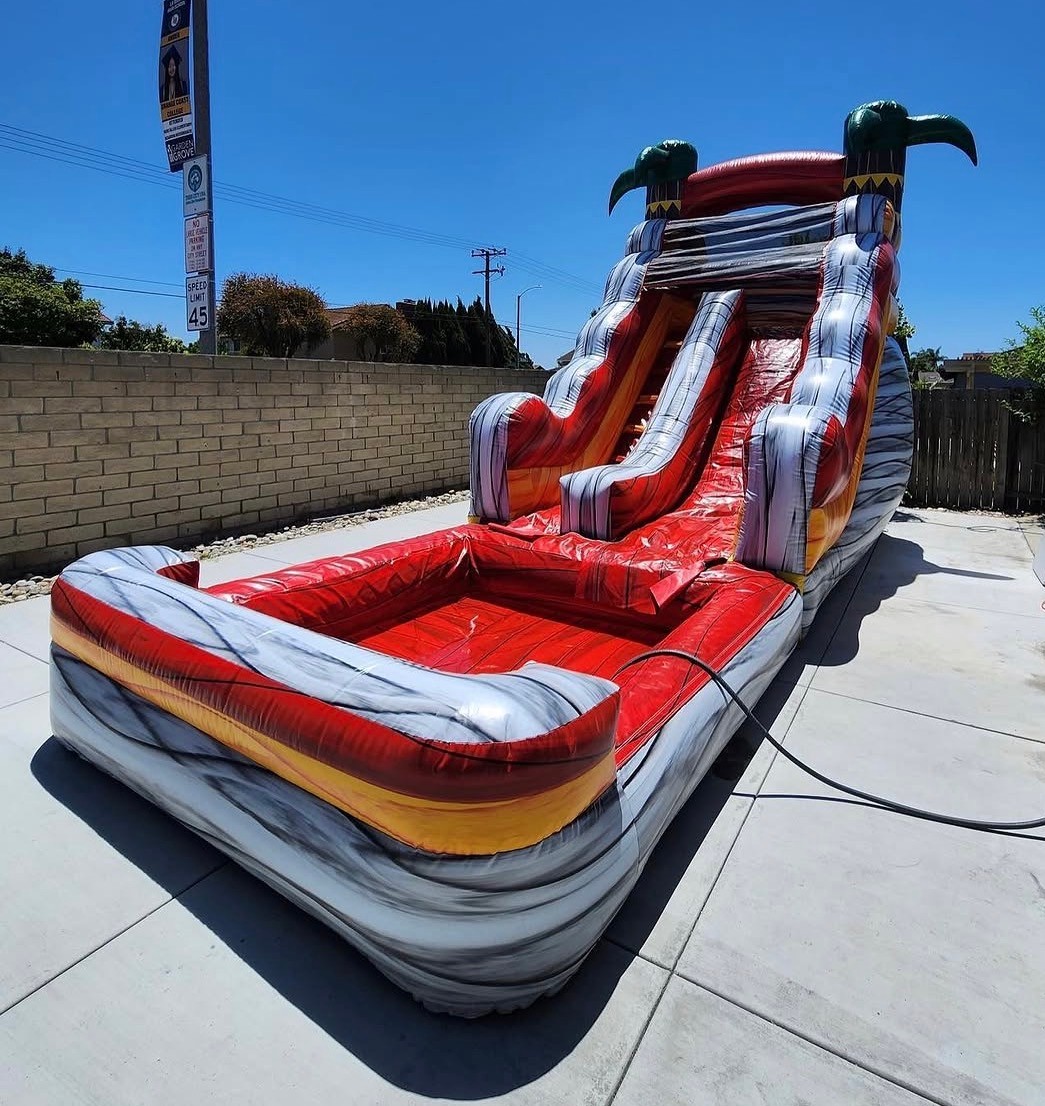
After each rental, do a quick visual scan of the slide surface, bounce floor, and entry/exit points. These areas take the most abuse and show wear first. Small surface scuffs are cosmetic and do not affect safety, but a developing seam separation or a tear longer than two inches in a structural panel needs attention before the next rental. Catching these issues early means a patch repair rather than a panel replacement.
Blower maintenance is often overlooked but directly affects unit longevity. A blower that is undersized or running hot causes the inflatable to cycle between over-pressurized and under-pressurized states, which stresses seams. Check blower motor vents for debris blockage monthly, and verify that the blower's CFM rating still matches the unit's inflation requirements, especially if you have added extensions or accessories since the original purchase. The power and extension cord guide for OC inflatables covers electrical supply considerations that also affect blower performance.
When to Repair vs. Retire a Commercial Unit
Knowing when to repair and when to retire a unit is one of the most financially significant decisions a California inflatable operator makes. The instinct to keep repairing a familiar unit is understandable, but there is a point where cumulative repair costs and reliability risk exceed the cost of replacement.
A useful framework is to track repair spending as a percentage of the unit's current replacement cost. When annual repair costs reach 25 to 30 percent of what a comparable new unit would cost, the math typically favors replacement. This threshold shifts depending on how much rental revenue the unit generates: a high-demand obstacle course that runs 40 weekends per year can justify more maintenance investment than a specialty unit that rents 10 times annually.
Structural failures are a different category from cosmetic wear. A seam separation along a load-bearing baffle, a compromised anchor point, or a blower collar that no longer seals properly are not patch-and-continue situations. These are safety-relevant failures that require professional repair before the unit returns to service, and if the repair cost approaches or exceeds the unit's residual value, retirement is the responsible choice.
California operators should also factor UV degradation into retirement decisions. Vinyl that has become brittle, chalky, or visibly faded is losing tensile strength even where it appears intact. A unit that looks cosmetically tired but structurally sound in a visual inspection may still be approaching the end of its safe service life. If you are evaluating a used commercial unit for purchase, Jump High's guide on how to inspect a commercial bounce house before you buy walks through the specific indicators that separate a good used unit from one that is near retirement.
For operators who are scaling their California fleet and want to understand what well-maintained commercial inflatables look like in real-world rental use, browsing Jump High's rental inventory gives a practical reference point. If you have questions about specific units or want to talk through what a maintained fleet looks like at the operational level, the Jump High contact page is the right place to start that conversation.