
Why OC Summer Heat Changes Your Inflatable Setup Plan
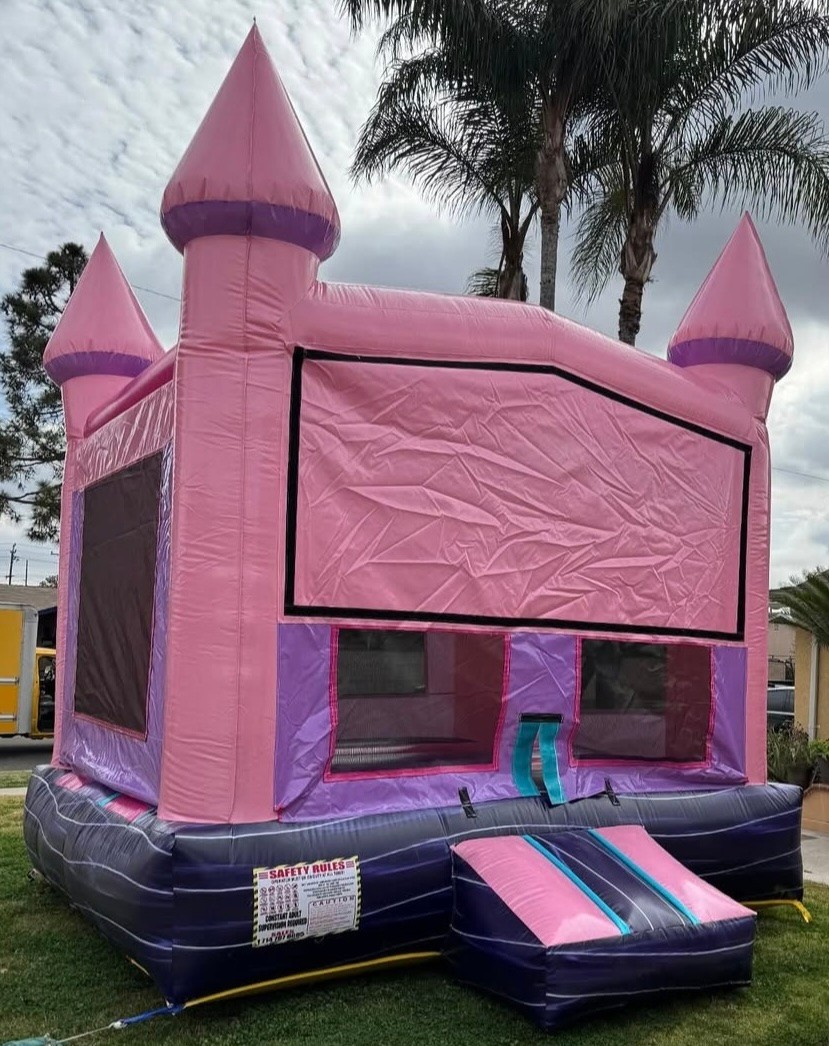
Planning a bounce house party in Orange County during June, July, or August feels exciting right up until the afternoon sun turns your backyard into a radiant oven. That shift in temperature changes more than your guests' comfort. It affects how long kids can safely jump, which surface works best for your inflatable, and whether your original setup spot still makes sense at party time.
Orange County summers are reliably warm and sunny, which is exactly why so many families love hosting outdoor celebrations here. Inland cities like Yorba Linda, Anaheim Hills, and Chino Hills can see afternoon highs push well past 95 degrees on summer weekends, while coastal areas like Newport Beach and Laguna Niguel tend to stay cooler but still heat up by midday. The difference matters when you're deciding where to place a bounce house and when to start the party.
Vinyl inflatables absorb heat from direct sun, and the exterior surface of a bounce house sitting in full afternoon sunlight can become noticeably warm to the touch. That doesn't mean summer parties are off the table. It means the setup location, start time, and shade situation deserve as much thought as the guest list. Families who plan around the heat rather than ignoring it consistently have smoother, more comfortable events. The good news is that a few simple decisions made before delivery day make a big difference.
If you're still figuring out which inflatable fits your space and guest count, the Jump High Rentals guide on picking the right bounce house size is a helpful starting point before you think through the heat logistics below.
Shade, Timing, and Surface: The Three Things That Matter Most
These three factors do more to protect your guests' comfort than any single piece of equipment, and they're all within your control before the delivery truck arrives.
Start earlier than you think you need to. A 10 a.m. or 11 a.m. start time keeps the peak jumping hours in the late morning, before afternoon heat builds. If your party runs from 10 a.m. to 2 p.m., kids get their best energy out during the coolest window of the day. Parties that start at 1 p.m. or later in July often find the inflatable uncomfortably warm by the time everyone arrives and settles in. If an afternoon start is unavoidable, plan for shorter jump rotations and more frequent breaks in a shaded area.
Shade is your most important setup variable. Walk your yard at the time of day your party will actually run, not in the morning when you're scouting. Watch where the sun falls across your lawn or patio. A spot that looks shaded at 9 a.m. may be in full sun by noon. If your yard has a covered patio, a large tree canopy, or a side of the house that stays shaded in the afternoon, that's where the inflatable belongs. A pop-up canopy or shade sail positioned near the inflatable entrance gives kids a cool place to rest between turns and reduces the time they spend standing in direct sun waiting.
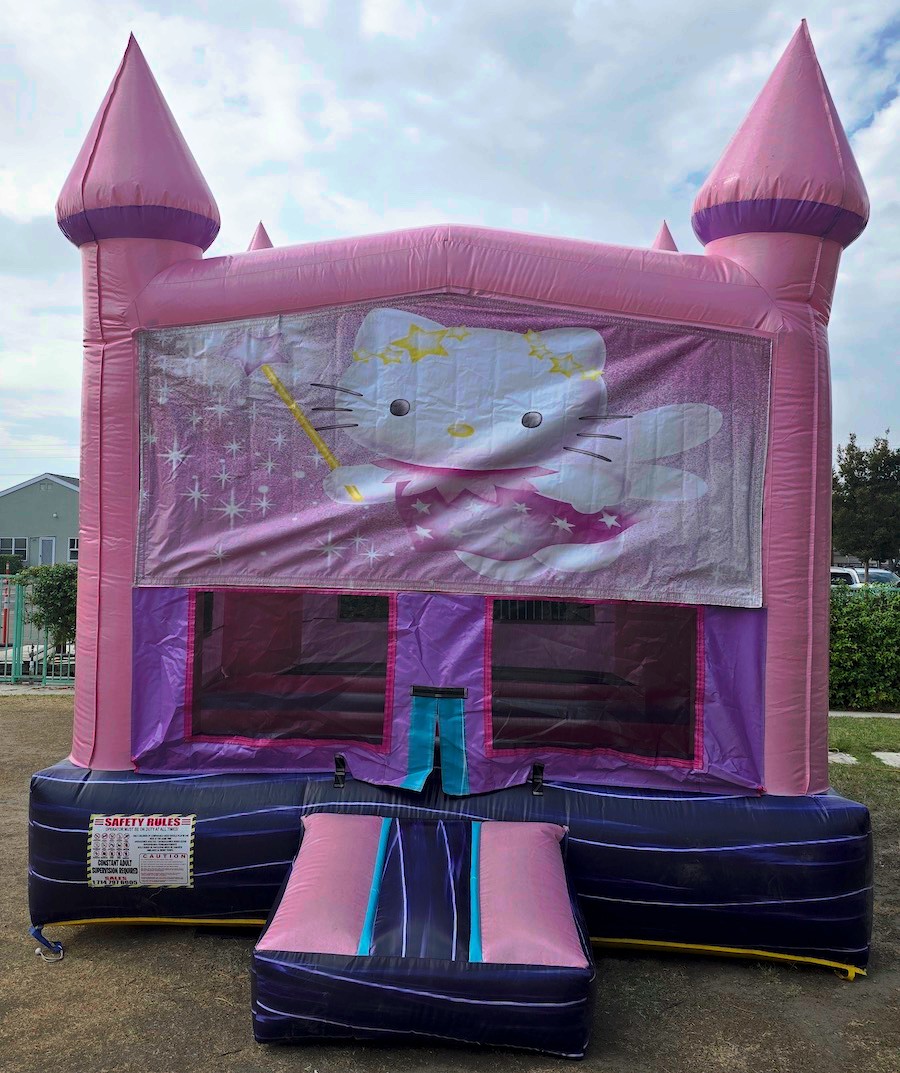
Surface choice affects both safety and heat. Grass is the preferred surface for most inflatable setups because it stays cooler than concrete or pavers in direct sun, provides natural cushioning around the unit, and holds stakes securely. If your yard has artificial turf, that surface can hold heat more than natural grass, so shade becomes even more important. Concrete and paver setups are workable with the right anchoring approach, but they radiate heat upward and can make the surrounding area feel hotter for kids who are barefoot. The Jump High guide on concrete versus grass inflatable setups in OC walks through what each surface requires so you can plan accordingly.
One more thing worth mentioning: wind. Orange County can experience warm Santa Ana conditions in late summer and early fall that push wind speeds higher than expected. Inflatables should not be operated in sustained high winds, and a responsible rental partner will give you clear guidance on when to deflate and move kids off the unit. Keeping an eye on the forecast in the days before your event helps you avoid surprises. The Jump High guide on wind speed limits and inflatable safety covers what to watch for.
Supervision and Play Rotation Tips for Hot-Weather Parties
Supervision is always important at inflatable events, but summer heat adds an extra layer of responsibility. Kids who are hot and tired lose focus faster, take more risks, and may push boundaries they would normally respect. One designated adult actively watching the inflatable at all times is the baseline. That person's job is to monitor entry and exit, watch for crowding, and step in when play gets too rough or a child looks overheated.
Rotating kids through the inflatable in smaller groups is one of the most practical things you can do at a summer party. Instead of letting everyone jump at once until they're exhausted, set up a loose rotation where groups take turns, with breaks in between. During breaks, kids move to a shaded area with water and a snack. This keeps the inflatable from getting overcrowded, reduces the risk of collisions, and gives every child a chance to cool down before going back in.
Separating age groups matters more in the heat than it does on a cool fall afternoon. Younger children tire faster and are more vulnerable to heat discomfort, so mixing toddlers and older kids in the same jump session creates both a safety and a comfort problem. If your guest list includes a wide age range, consider giving younger kids their own time slot earlier in the party when temperatures are lower. The Jump High guide on supervising kids on inflatables has more detail on how to structure this well.
Hydration is simple but easy to overlook when you're managing a dozen other party details. Set up a water station near the inflatable exit so kids naturally grab a drink when they step off. Encourage parents and helpers to prompt kids to drink regularly, not just when they ask. Kids playing hard in the sun often don't notice thirst until they're already uncomfortable.
What to Check Before Kids Start Jumping
A quick walk-around before the first child steps inside takes only a few minutes and catches most of the issues that cause problems later. When the Jump High team finishes setup, take a moment to look at a few things yourself.
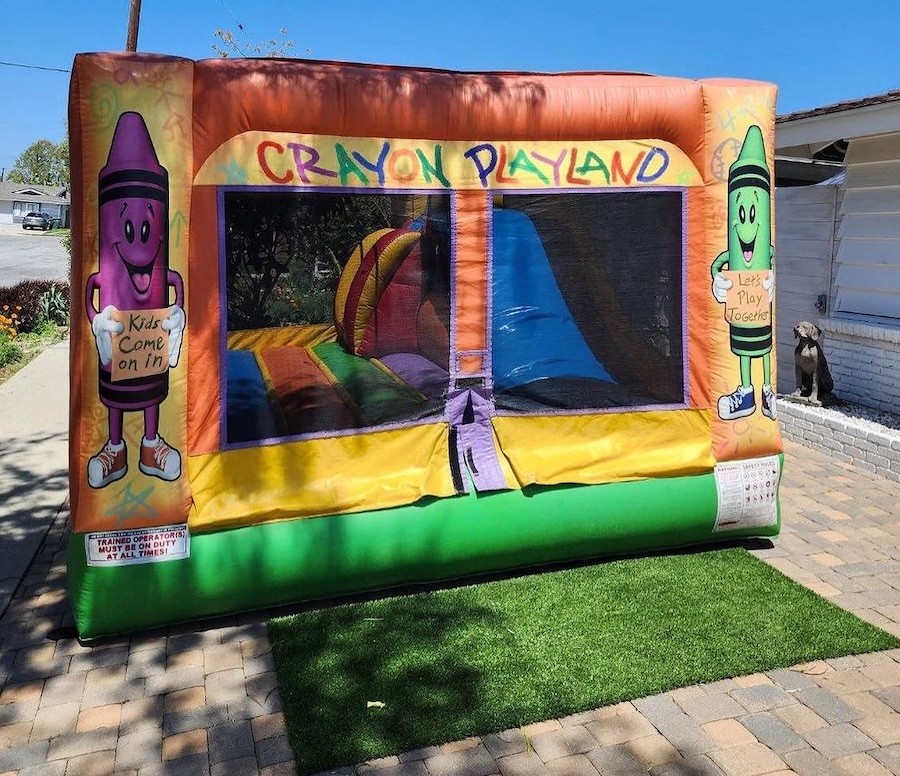
Check that the blower is running steadily and the inflatable is fully inflated with no soft spots or sagging sections. Look at the seams and walls for any visible tears or areas that look stressed. Confirm that anchor stakes or sandbags are in place and that the unit isn't shifting on its surface. Make sure the entrance and exit are clear of obstacles and that there's enough open space around the perimeter for kids to exit safely without stepping onto hard edges or tripping over equipment.
Inside the unit, look for any debris that may have blown in during setup, and check that the jump surface feels firm and level underfoot. In hot weather, also take a moment to feel the interior walls. If the unit has been sitting in direct sun before the party starts, the vinyl may be warm. Running the blower for a few extra minutes before kids enter can help circulate air through the interior and bring the temperature down slightly.
Common rules to share with guests before jumping begins include no flips, no climbing on the walls, no rough play or wrestling, and no shoes inside the unit. These rules matter more in summer because kids are more likely to be wearing slippery socks or bare feet, and because heat-related fatigue can make them less careful than usual. Posting a simple sign near the entrance or having a parent volunteer remind kids of the rules at the start of each rotation keeps expectations clear without putting the burden entirely on one person.
For a more complete pre-party checklist, the Jump High guide on preparing your backyard before the inflatable arrives covers the full setup walkthrough from access path to power source.
How to Book a Summer Inflatable Rental Without the Stress
Orange County summer weekends fill up faster than most families expect. Graduation season in late May and early June, Fourth of July weekend, and the stretch of summer birthdays from mid-June through August create consistent demand that leaves late bookers with limited options. For 2026, the safest approach is to book your summer date as early as possible, ideally six to eight weeks out if you have a specific weekend in mind.
When you reach out to Jump High, it helps to have a few details ready: your party date and approximate start time, the surface type in your yard (grass, concrete, artificial turf, or pavers), a rough measurement of your available setup space, and your expected guest count. These details help the team recommend the right unit for your conditions rather than just the most popular one. A waterslide that works beautifully in a large Irvine backyard may not be the right fit for a narrower Fullerton side yard, and getting that match right before delivery day saves everyone time.
If you're considering a waterslide or combo unit for a summer party, the Jump High guide on bounce house and waterslide combo rentals for OC summer is worth reading before you decide. Water inflatables are a natural fit for hot days, and they tend to book out quickly once summer break begins.
You can browse the full summer rental lineup at jumphighrental.com/rentals and reach the team directly through the contact page to check availability for your date. If you have questions about setup requirements, surface types, or what to expect on delivery day, the FAQ covers the most common ones in plain language. Summer parties in Orange County are worth every bit of planning effort. A little preparation around shade, timing, and supervision turns a hot afternoon into a genuinely great day for every kid in the yard.