
Commercial Inflatable Inventory Planning for TX Rental
Building a commercial inflatable fleet in Texas is one of those business decisions that looks straightforward from the outside and gets complicated fast once you start pricing units, mapping freight routes, and figuring out where to store everything between weekends. Whether you are launching your first rental operation or adding units to an existing fleet, the choices you make in 2026 will shape your revenue ceiling and your overhead for years. This guide is written for operators, not backyard party parents. It covers the unit selection logic, freight realities, warranty questions, storage math, and inventory scaling principles that actually matter when you are spending commercial dollars on commercial equipment.
How to Choose Units That Actually Earn in the TX Market
Texas is a big state with genuinely different demand pockets. A fleet built for suburban Dallas birthday parties will look different from one serving San Antonio school carnivals or Houston corporate picnics. Before you place a single purchase order, spend time mapping your actual service radius and the event types you plan to target. That mapping exercise will tell you more about which units to buy than any manufacturer catalog will.
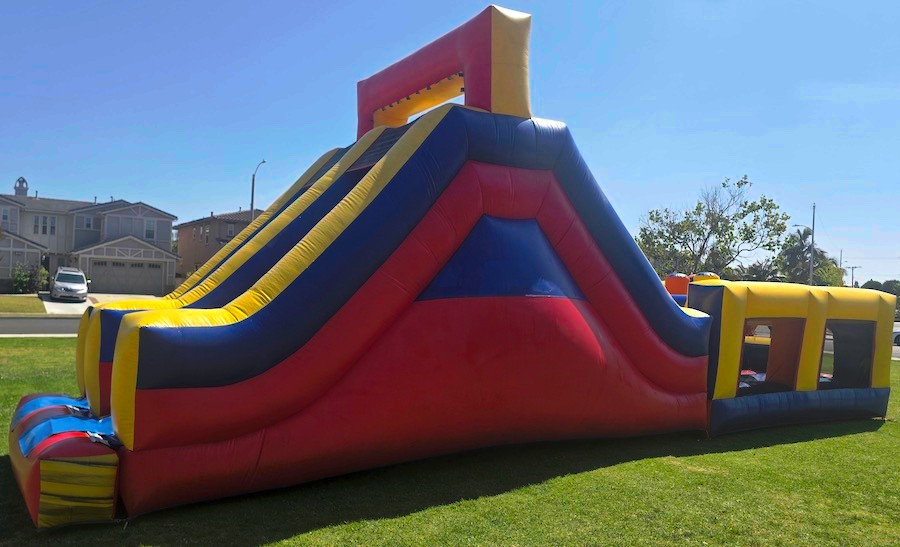
The units that tend to generate the most consistent rental revenue in warm-climate markets like Texas are standard bounce houses in the 13-by-13 and 15-by-15 footprint range, combo units that combine a bounce chamber with a slide, and waterslides that can run wet or dry depending on the season. Combo units are particularly strong performers because they satisfy multiple age groups and give customers a sense of getting more value from a single rental. Obstacle courses earn well at school events, church carnivals, and corporate picnics, but they require more setup time and more storage space, so factor that into your cost model before loading up on them.
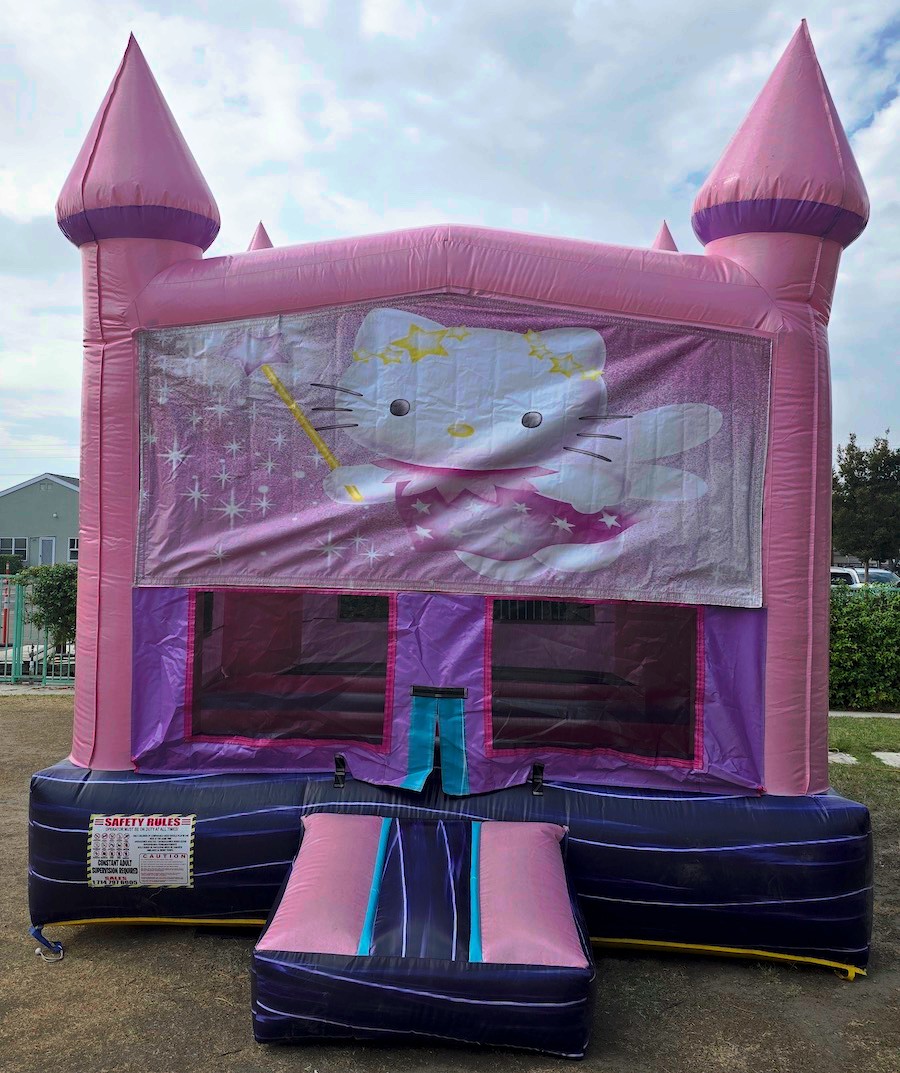
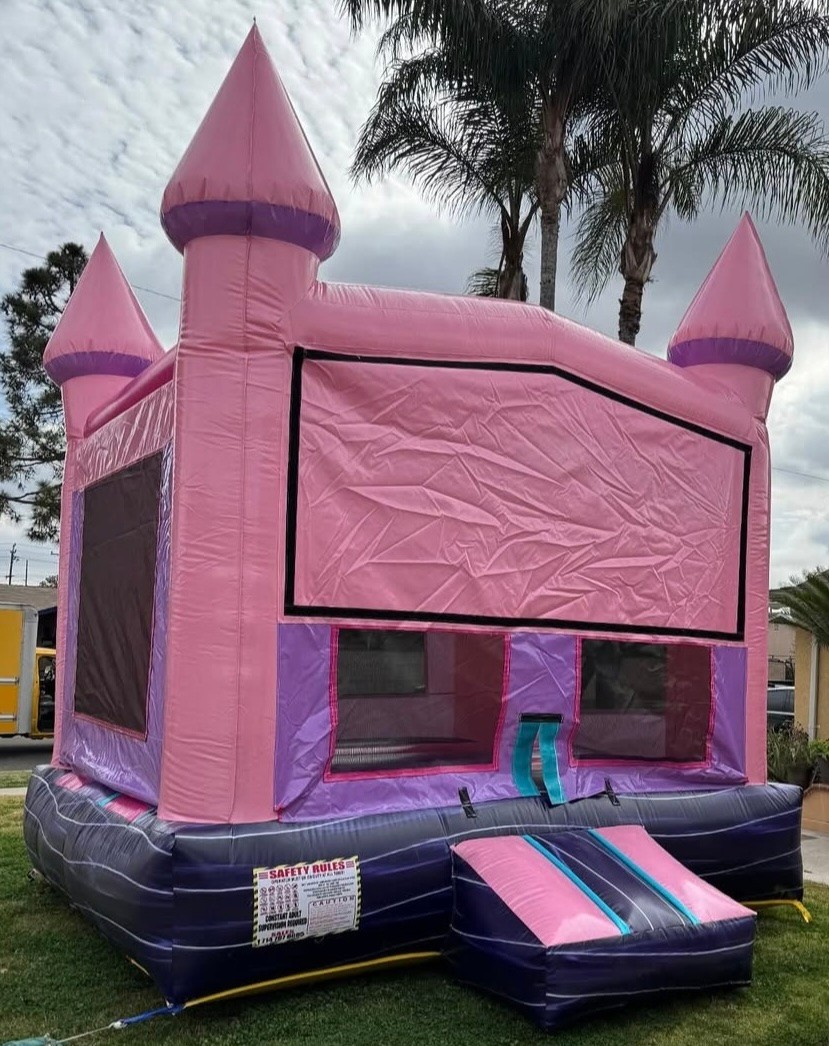
Themed units (princess castles, superhero designs, tropical slides) can command a small price premium and photograph well for social media, but they also carry a risk: themes go out of style. A neutral-color or primary-color unit will rent steadily for five to seven years. A licensed-character unit may face demand softness if that character loses cultural relevance. If you want themed inventory, keep it as a minority of your fleet rather than the core.
Capacity ratings matter more than most new operators realize. A unit rated for eight kids simultaneously will create bottlenecks at events with twenty or thirty children, which leads to unhappy customers and negative reviews. When you are evaluating units, look at the interior bounce area dimensions, not just the overall footprint. A 15-by-15 unit with thick walls and a small interior is not the same product as one with a true 13-by-13 bounce chamber. Ask manufacturers for interior play area measurements specifically.
Commercial-grade vinyl weight is another specification worth scrutinizing. Most reputable manufacturers use 18-ounce or heavier vinyl for the main bounce surfaces. Lighter vinyl (14-ounce or below) is common in residential or semi-commercial units and will not hold up to the weekly setup-and-teardown cycle that a rental business demands. Stitching quality, D-ring anchor points, and blower compatibility are all worth asking about before you commit to a vendor.
Freight, Delivery, and Receiving Commercial Inflatables in Texas
Freight is where a lot of new operators get surprised. Commercial inflatables ship as large, heavy pallets or crated units, and the logistics chain from a manufacturer (often based in the southeastern United States or overseas) to your Texas warehouse involves more variables than a standard parcel delivery.
Domestic manufacturers typically ship via LTL (less-than-truckload) freight carriers. LTL rates fluctuate with fuel surcharges, and in 2026 those surcharges have remained a meaningful line item on freight invoices. When you request a quote from a manufacturer, ask for the freight estimate to your specific zip code, not a general range. Texas is large enough that freight to El Paso will cost meaningfully more than freight to Dallas or Houston, and those differences compound when you are buying multiple units at once.
Lead times from domestic manufacturers currently run four to ten weeks depending on the unit type, customization level, and production backlog. Overseas manufacturers (primarily based in China) can offer lower per-unit costs but introduce longer lead times (often twelve to sixteen weeks), port congestion risk, customs clearance delays, and quality control challenges that are harder to manage remotely. If you are building your first fleet and need units by a specific season start date, domestic sourcing with a confirmed lead time is usually the safer path even if the per-unit cost is higher.
When your units arrive, inspect every item before signing the delivery receipt. Freight damage to inflatables is not uncommon, and signing without inspection makes damage claims significantly harder to pursue. Check seams, anchor points, blower ports, and vinyl surfaces. Photograph anything that looks questionable. A reputable manufacturer will have a documented freight damage claim process, and knowing that process before your units ship is worth a conversation with your vendor.
Warranties, Vendor Support, and What to Ask Before You Buy
Warranty terms vary widely across inflatable manufacturers, and the differences matter more than most buyers initially appreciate. A one-year warranty on materials and workmanship is a baseline. Better vendors offer two to three years on structural seams and vinyl, with separate terms for blowers and hardware. Ask specifically what voids the warranty: improper anchoring, use on surfaces the manufacturer did not approve, or exceeding the rated capacity are common exclusions.
Beyond the warranty document itself, ask about the vendor's repair support process. If a seam fails six months into ownership, can you send the unit back for repair, or are you expected to patch it yourself? Does the manufacturer sell repair kits and replacement parts? Is there a customer support line staffed by people who actually know the product? These questions separate vendors who treat commercial buyers as long-term partners from those who are primarily interested in the initial sale.
References from other operators are worth pursuing. Ask the manufacturer for contact information for two or three existing customers in your region. A vendor confident in their product quality will not hesitate to provide references. If they deflect or offer only written testimonials, treat that as a signal worth noting.
Blower warranties deserve their own conversation. Blowers are consumable components that take significant wear in a rental operation. Understand whether the blower is covered under the main unit warranty or carries a separate (and often shorter) term. Stocking one or two spare blowers from the start is a practical move that keeps you operational when a blower fails on a Friday afternoon before a Saturday event.
Storage, Depreciation, and Keeping Your Fleet Rental-Ready
Storage is an overhead cost that new operators consistently underestimate. A commercial bounce house, rolled and packed, takes up roughly the footprint of a large refrigerator but needs to be stored in a climate-controlled or at least temperature-stable environment. Texas summers push ambient temperatures in uninsulated storage units well above the threshold that accelerates vinyl degradation. If you are renting a storage unit, prioritize climate control even if it costs more per square foot.
A fleet of ten units, including combo units and slides, will require somewhere between 800 and 1,200 square feet of storage space when you account for the units themselves, blowers, tarps, stakes, extension cords, and the vehicle or trailer used for delivery. Plan your storage footprint before you buy your fifth or sixth unit, not after.
Depreciation planning is part of running a financially healthy rental operation. Commercial inflatables have a useful life of roughly five to seven years with proper maintenance, though heavily used units may need significant repair or replacement sooner. For tax and financial planning purposes, consult an accountant familiar with equipment-based businesses. What you can control operationally is the maintenance routine that extends unit life: thorough cleaning and drying before storage, seam inspections after every rental, prompt repair of small tears before they become large ones, and proper rolling technique to avoid stress on seams.
Cleaning is not optional and not trivial. Units that go into storage damp develop mold and mildew that can permanently damage vinyl and create health concerns for the children using them. Build a post-rental cleaning and drying protocol into your standard operating procedure from day one. The ASTM International F24 committee standards for amusement rides and devices provide a useful reference framework for maintenance and inspection practices that commercial operators can adapt to their inflatable fleet.
Building an Inventory Plan That Scales Without Overbuying
The most common mistake new TX operators make is buying too many units too quickly. A fleet of twelve units sounds impressive, but if your market can only support six rentals on a peak Saturday, you are paying storage, insurance, and depreciation on six units that are not generating revenue. Start with a fleet sized to your realistic demand, then add units as your booking calendar fills consistently.
A practical starting point for a new operator targeting residential birthday parties and small community events is three to five units: two standard bounce houses in different size ranges, one combo unit, and one waterslide if your market has warm-season demand (Texas certainly does). That mix covers the most common rental requests without overcommitting capital. As you track which units book first and which sit idle, you will have real data to guide your next purchase.
Pricing your rentals to cover unit cost, freight, storage, maintenance, and a reasonable profit margin requires honest math. A unit that costs $3,000 landed (including freight) and rents for $200 per day needs fifteen rentals to recover its purchase cost alone, before you account for ongoing expenses. Most operators target cost recovery within the first rental season for standard units, which means booking frequency matters as much as per-rental price.
Demand patterns in Texas tend to follow the school calendar and the weather. Spring (March through May) and fall (September through November) are typically strong seasons for outdoor events. Summer is strong for waterslides but can be challenging for dry inflatables in extreme heat. Understanding your local demand curve helps you time inventory additions so new units arrive ready for a busy season rather than sitting in storage through a slow one.
If you want a real-world reference for how a well-maintained commercial fleet translates into a working rental catalog, browsing Jump High Rentals' full inventory gives you a practical look at the unit types, size ranges, and product mix that serve Orange County's active party rental market. Seeing how a professional operation structures its offerings, from standard bounce houses to combo units and waterslides, can sharpen your thinking about which unit categories to prioritize before you commit to wholesale purchases. You can also explore the Jump High guides library for operational perspectives on setup logistics, surface requirements, and event-day management that apply whether you are renting units or building a fleet of your own.
Texas operators building a commercial inflatable business in 2026 have a real opportunity. The state's population growth, active outdoor event culture, and year-round warm climate create consistent demand for quality rental equipment. The operators who succeed are the ones who buy deliberately, maintain rigorously, and scale based on data rather than enthusiasm. Start with the right units, understand your freight and storage costs before you commit, ask hard questions of your vendors, and let your booking calendar tell you when it is time to grow.