
Bounce House Surface Prep: Clear Before Delivery
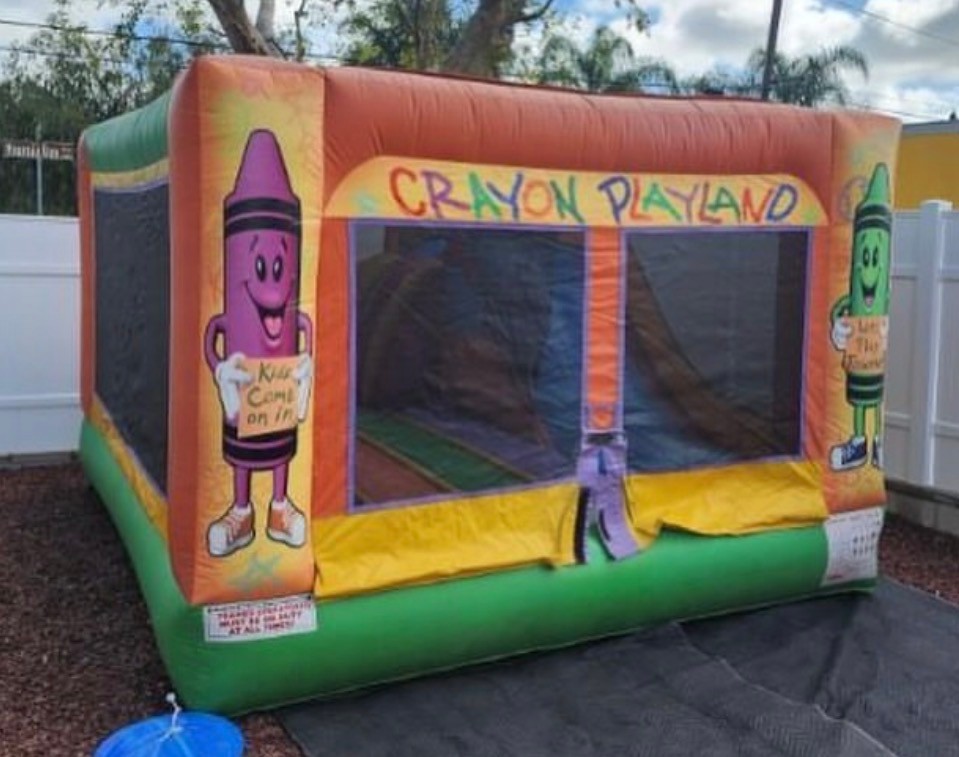
Booking a bounce house is the exciting part. Preparing the yard for delivery day is the part that actually determines how smoothly the party starts. When the Jump High Rentals crew pulls up to your Orange County home or event space, a clear and hazard-free setup area means faster installation, a more stable inflatable, and a safer experience for every child who climbs inside.
This guide walks you through exactly what to clear, check, and confirm before delivery day so nothing slows down the fun.
Why Surface Prep Matters Before the Crew Arrives
A bounce house looks simple from the outside, but the setup process involves more than unrolling vinyl and plugging in a blower. The crew needs to position the unit correctly, anchor it to the ground, connect the blower to a power source, and confirm that the surrounding area is free of anything that could interfere with the inflatable during use.
When the setup area is not ready, a few things can happen. The crew may need to stop and wait while you move furniture or locate a hose. They may need to reposition the unit after discovering a hidden sprinkler head or an uneven patch of ground. In some cases, a hazard that goes unnoticed during setup can become a problem once kids are bouncing.
None of that is difficult to prevent. A short walkthrough the day before delivery, and again the morning of the event, is usually all it takes. The sections below break down each category of prep so you know exactly what to look for.
One of the most common assumptions families make is that a clean-looking lawn is a ready lawn. A freshly mowed yard can still hide sprinkler heads just below the grass line, exposed irrigation tubing along the fence, or a soft low spot that makes the inflatable floor uneven. Surface prep is less about appearances and more about what is actually under and around the unit once it is staked down and inflated.
Ground Hazards to Clear Before Delivery Day
The ground beneath and around the inflatable is the most important area to address. Even a lawn that looks clean can hide hazards that damage the unit or create a safety concern.
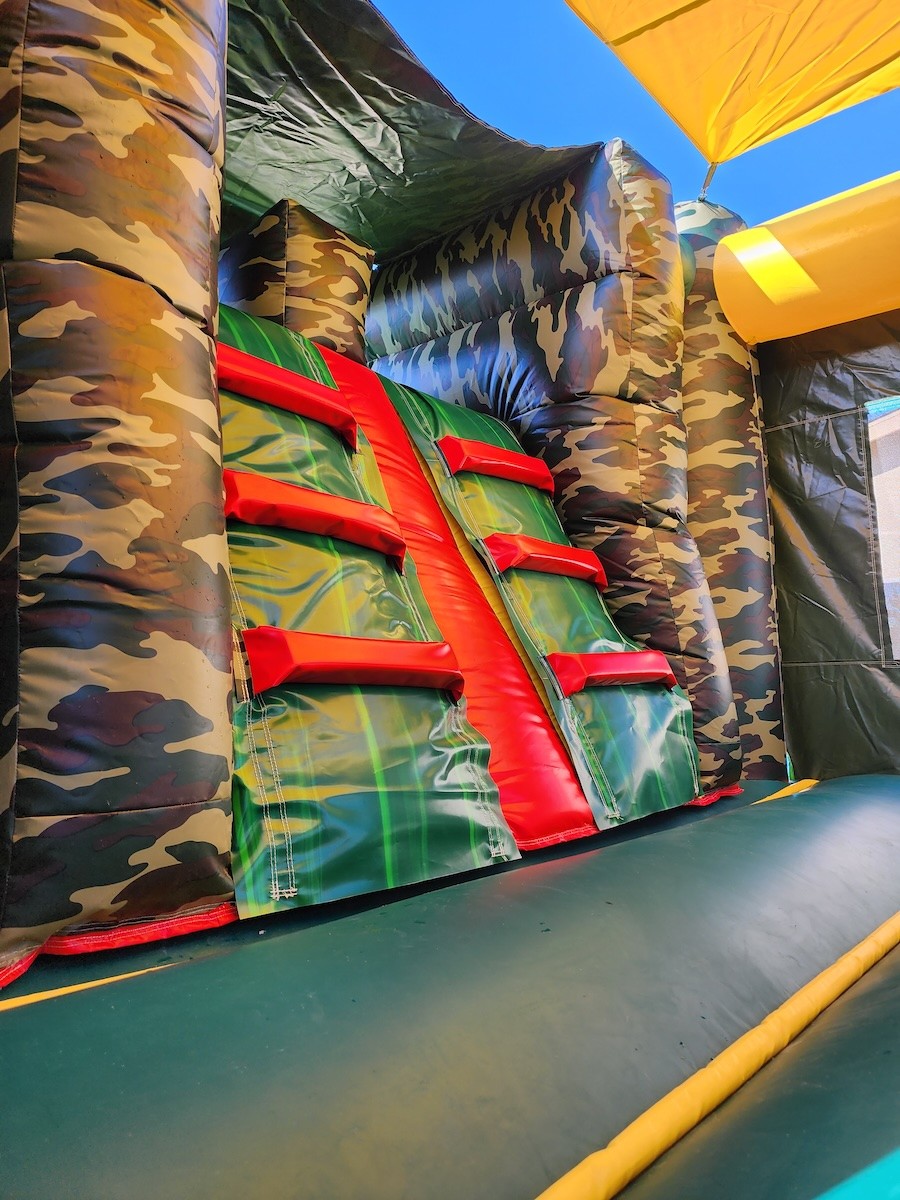
Remove loose debris from the entire setup zone. Walk the area and pick up rocks, branches, pinecones, broken toys, glass, and any other hard or sharp objects. These items can puncture the inflatable floor or create uneven pressure points under the unit.
Clear pet waste. This is one of the most commonly overlooked steps. Pet waste on or near the setup area creates a hygiene issue and can transfer onto the inflatable surface where children are playing. Do a thorough check of the full zone, not just the center of the lawn.
Flag or mark sprinkler heads. Sprinkler heads that sit flush with the lawn are easy to miss during setup. If a stake or anchor is driven near one, it can crack the head or damage the irrigation line underneath. Walk the area and mark any heads you find so the crew can work around them.
Check for exposed roots, edging, and drainage features. Raised tree roots, metal landscape edging, drainage grates, and decorative stakes can all interfere with anchoring or create a tripping hazard near the inflatable entrance. Move what you can and point out anything fixed to the crew when they arrive.
Confirm the ground is reasonably level. Inflatables are more stable and safer on level surfaces. A slight natural slope is usually manageable, but a significant grade or a soft, uneven patch can complicate installation. If you are unsure about your yard, mention it when you book so the team can plan accordingly.
Keep children and pets out of the setup zone until the crew is finished. Delivery and anchoring go faster when the space stays clear, and it reduces the chance of someone stepping into the work area while equipment is being positioned.
Overhead and Side-Yard Clearance Checklist
Ground prep gets most of the attention, but overhead and lateral clearance matters just as much. An inflatable that contacts a tree branch, a low wire, or a roof edge during use creates a real hazard.
Check for tree limbs above and beside the setup zone. Low-hanging branches can scrape the top of the inflatable or drop debris onto children during the event. If a branch is close, move the unit to a clearer spot rather than trying to trim on the day of the party.
Look for wires, cables, and roof edges. Utility lines, cable runs along the house, and roof overhangs can all come into contact with a tall inflatable or a waterslide. Give the unit enough clearance on all sides so nothing overhead can interfere during use.
Move patio furniture, umbrellas, and decorations. Chairs, tables, string lights, and hanging decorations near the setup zone should be relocated before the crew arrives. These items can block access, get caught in the blower area, or become a collision hazard for kids exiting the inflatable.
Clear the side yard or gate path. The crew needs a clear path from the street or driveway to the setup area. If your access runs through a side yard or a gate, confirm that path is wide enough for equipment and free of bikes, garden tools, hoses, and other items that would slow things down. Measuring your gate width before booking is a good habit, especially for larger units like obstacle courses or waterslides.
Utilities, Irrigation, and Power Access
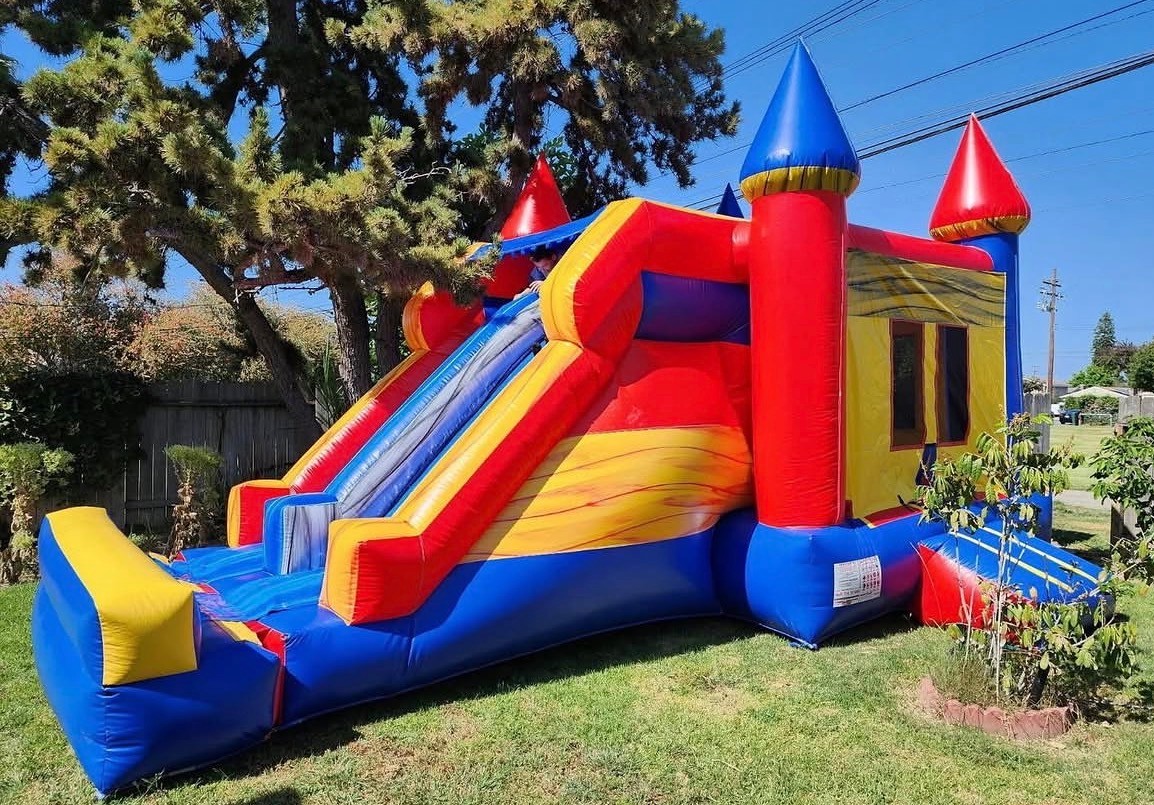
A bounce house blower runs on standard electrical power, and some setups involve a water connection for waterslides. Getting these details sorted before delivery day prevents delays and keeps the crew from having to problem-solve on the spot.
Locate your nearest outdoor outlet. Know where your outdoor electrical outlets are and confirm they are working before the crew arrives. A standard bounce house blower typically needs a dedicated circuit, so avoid running other high-draw appliances on the same line during the rental period. Your rental confirmation will include any specific power requirements.
Turn off your irrigation system. Sprinklers that activate during setup or during the event can create a slipping hazard, soak the anchoring area, and disrupt the party in ways that are hard to fix mid-event. Turn off your irrigation schedule for the full day and confirm it will not run during the rental window.
Plan your hose placement for waterslides. If you are renting a waterslide, know where your outdoor hose bib is and confirm the hose can reach the setup area without crossing a high-traffic path. A hose running across a walkway is a tripping hazard. Route it along a fence line or the edge of the yard where possible.
Know where your extension cord will run. If the blower needs to reach an outlet that is not directly adjacent to the setup area, have a heavy-duty outdoor extension cord ready. Ask the Jump High Rentals team about cord length and gauge requirements when you confirm your booking so you have the right equipment on hand.
Your Day-Before Walkthrough Routine
The most effective prep habit is a two-pass walkthrough: once the day before delivery, and once the morning of the event. The day-before pass gives you time to handle anything that takes effort, like moving heavy furniture, addressing a low branch, or testing an outlet that has not been used in a while. The morning-of pass catches anything you missed or that changed overnight.
Here is a simple routine to follow:
- Walk the full setup zone from corner to corner. Look down for debris, sprinkler heads, roots, and uneven ground. Look up for branches, wires, and roof edges.
- Walk the delivery path from the gate or driveway to the setup area and confirm it is clear end to end.
- Check your irrigation schedule and turn it off for the day.
- Locate your outdoor outlet, test it, and confirm the circuit is available.
- If you are renting a waterslide, confirm your hose reaches the area and plan the routing so it stays out of foot traffic.
- Move any patio furniture, toys, or decorations that are within or adjacent to the setup zone.
If your event is at a school, church, or HOA common area in Orange County, designate one contact person who knows the exact setup zone. That person should be on-site when the crew arrives so there is no confusion about where the inflatable should go. Last-minute repositioning adds time and can affect how the unit is anchored.
When in doubt, call ahead. The Jump High Rentals team is happy to answer site-specific questions before delivery day. A quick conversation about your yard layout, gate width, or power access can prevent the kind of surprises that slow down setup and delay the party.
A little preparation goes a long way. Clear the ground, check overhead, plan your utilities, and do a quick walkthrough the day before. When the crew arrives, they can focus on getting the inflatable up and ready so your kids can start bouncing right on schedule.
Ready to book? Visit Jump High Rentals online or give us a call to reserve your inflatable and get any setup questions answered before delivery day.