
What Crating and Blanket Wrap Mean for Inflatable Shipments
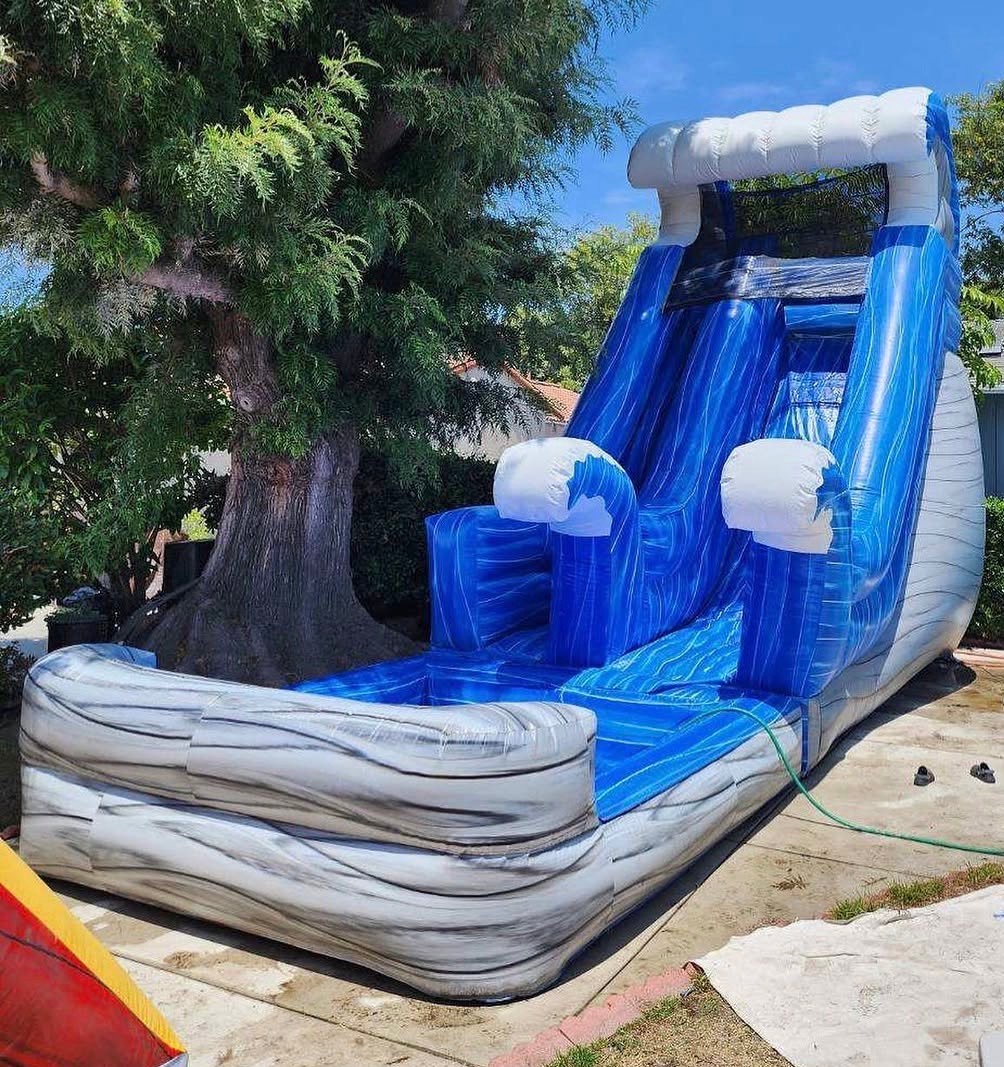
When you order commercial-grade bounce houses, obstacle courses, or waterslides for a Colorado rental fleet, the freight method your manufacturer or distributor uses is not a minor detail. It shapes how your units arrive, how quickly you can inspect and deploy them, and what your total landed cost looks like before you ever collect a booking fee. Two methods dominate the specialized freight market for large inflatables: crating and blanket wrap. Understanding what each one actually involves helps you ask the right questions before you sign a purchase agreement.
Crating means your inflatable is packed inside a rigid wooden or plywood enclosure built specifically around the unit. The crate acts as a structural shell that protects the inflatable from compression, puncture, and shifting during transit. Carriers can stack other freight around a crate without direct contact with the inflatable itself, which matters on a long-haul route from a California or Midwest manufacturer to a Colorado distribution point. Crates are common for single high-value units, units with rigid frame components, or orders where the manufacturer wants to minimize any claim exposure.
Blanket wrap, sometimes called pad wrap, is a method where trained freight handlers fold and wrap your inflatable in thick moving blankets or quilted pads, then secure the bundle with straps inside a dedicated truck or trailer. There is no rigid outer shell. The protection comes entirely from the padding material, the skill of the handlers, and the care taken during loading and unloading. Blanket wrap is widely used for large, awkward items that do not fit neatly into standard boxes or crates, and it is the method most specialized inflatable freight carriers prefer for multi-unit shipments.
Both methods can deliver your units safely. The difference is in cost, transit flexibility, and the level of protection each provides for specific unit types and order sizes.
Cost Differences and What Drives Them for CO Deliveries
Freight pricing for commercial inflatables to Colorado depends on several variables: the weight and cubic footage of your order, the origin point, the carrier type, and the packaging method itself. Crating adds material and labor costs on the front end. A single custom crate for a large obstacle course or dual-lane waterslide can add anywhere from a few hundred dollars to over a thousand dollars per unit depending on dimensions and the manufacturer's crating policy. If you are ordering three or four units at once, those crating fees stack quickly.
Blanket wrap shipments typically move on specialized LTL (less-than-truckload) carriers or dedicated transport services rather than standard freight networks. The per-shipment cost is often lower than crating when you factor out the packaging materials, but blanket wrap carriers charge for the service itself, and rates have shifted meaningfully in recent years as fuel surcharges and driver availability have fluctuated. For a multi-unit order shipping from a Southern California manufacturer to a Colorado Springs or Denver-area warehouse, blanket wrap freight quotes in 2026 commonly range from roughly $400 to $900 per unit depending on size and route, though your actual quote will depend on current carrier pricing and the specific origin and destination zip codes.
One cost factor buyers sometimes overlook is the destination surcharge for Colorado deliveries. Carriers serving mountain-state routes may apply fuel or distance adjustments that do not appear on standard freight calculators. Always request a door-to-door quote that includes any residential or limited-access delivery fees if your storage facility is not a commercial dock. If you are receiving a large order at a self-storage unit or a residential property, confirm with the carrier whether a liftgate or inside delivery fee applies, because those charges can add $75 to $200 or more per stop.
Crating also affects your return freight options. If a unit needs to go back to the manufacturer for a warranty repair, a crate that survived the inbound trip can sometimes be reused, which saves money. Blanket wrap shipments generally do not leave reusable packaging behind.
Which Method Fits Your Unit Type and Order Size
The right freight method depends heavily on what you are buying and how many units are in the order. For a single large obstacle course or a premium dual-lane waterslide, crating offers a level of structural protection that blanket wrap cannot fully replicate. Rigid blower ports, metal D-ring anchor points, and sewn seams near entry tunnels are all vulnerable to compression damage if a unit is not properly supported during transit. A well-built crate eliminates most of that risk.
For standard bounce houses and combo units without rigid frame components, blanket wrap is often the more practical choice, especially for multi-unit orders. A skilled blanket wrap carrier can load four or five mid-size bounce houses in a single truck run far more efficiently than the same units crated individually. The reduced packaging overhead makes blanket wrap the preferred method for fleet startups that are ordering several units at once to seed their inventory. You can browse the Jump High Rentals commercial inventory to get a sense of unit sizes and configurations before discussing freight options with your supplier.
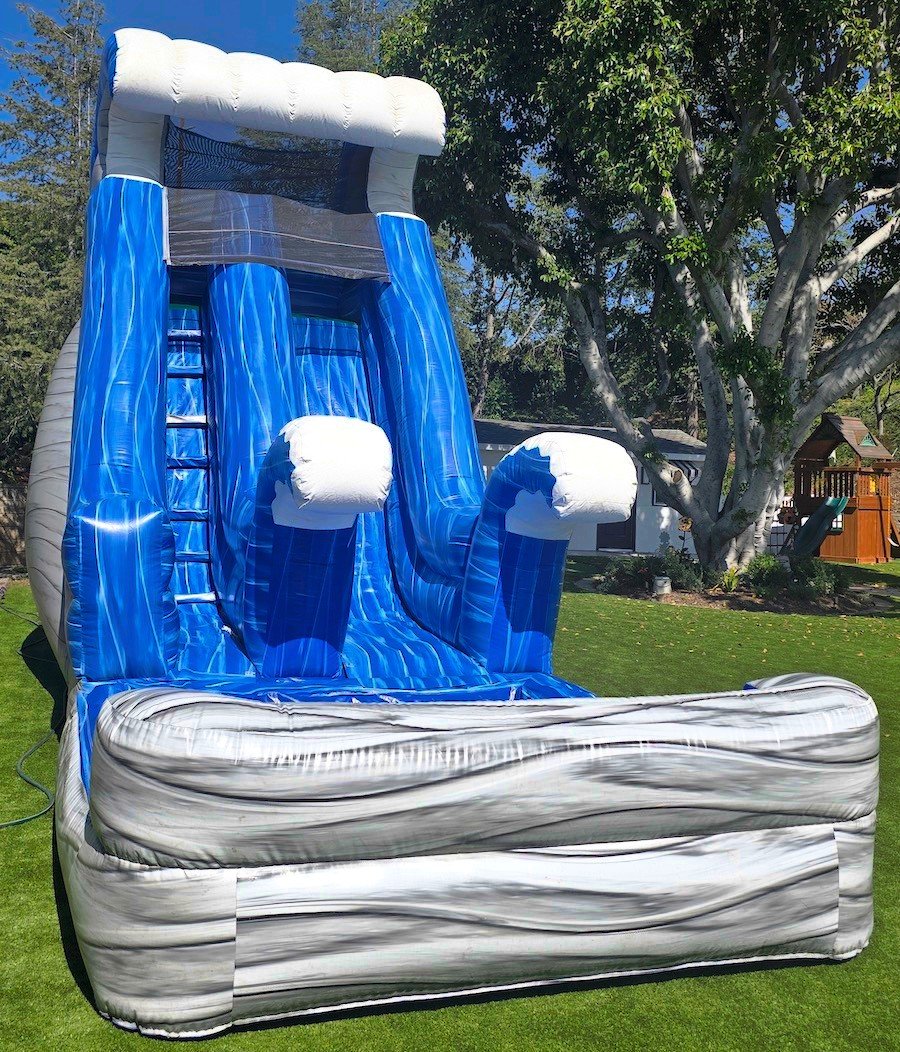
Waterslides present a specific challenge because of their length. A 20-foot or taller inflatable waterslide, folded and rolled, creates a bundle that is both heavy and awkward. Some manufacturers crate the slide section and blanket wrap the pool or splash pad component separately, then ship both on the same truck. Ask your vendor explicitly how they handle waterslide freight before assuming one method covers the entire unit.
Order size also matters for route planning. A single-unit order may not fill a blanket wrap truck, which means your unit could share space with other customers' freight. That is generally fine with a reputable specialized carrier, but it does mean your delivery window may be wider. A full-truck order gives you more control over timing and handling.
Protecting Your Investment: Damage Claims and Vendor Coordination
No freight method eliminates damage risk entirely, and Colorado's geography adds a layer of complexity. Routes through mountain passes or high-altitude segments can expose shipments to temperature swings, road vibration, and longer transit times than a flat-state delivery. Knowing how to protect yourself before and after delivery is as important as choosing the right packaging method.
Before your shipment leaves the manufacturer, confirm that your purchase agreement specifies who is responsible for freight damage. Some manufacturers ship FOB origin, which means the risk of loss transfers to you the moment the carrier picks up the unit. Others ship FOB destination, keeping responsibility with the seller until the unit arrives at your door. This distinction matters enormously if a unit arrives with a torn seam or a damaged blower housing. The Jump High Rentals FAQ covers general questions about inflatable condition and setup, and the same principles apply when you are receiving commercial units as a buyer rather than a renter.
When your delivery arrives, inspect every unit before signing the delivery receipt. For crated shipments, check the exterior of the crate for impact damage, crushed corners, or broken boards before the driver leaves. For blanket wrap deliveries, unroll enough of the unit to confirm there are no visible tears, punctures, or deformation at stress points. Note any visible damage on the delivery receipt with specific descriptions, not just a general "subject to inspection" notation. Carriers and manufacturers both take specific written notations far more seriously than vague reservations.
Photograph everything. Time-stamped photos of the unit as it comes off the truck, still in its packaging, create a clear record that damage occurred during transit rather than after delivery. If you discover concealed damage after the driver has left, most carriers require you to file a concealed damage claim within a short window, often three to five business days, so act quickly.
Coordinate with your vendor on carrier selection whenever possible. Manufacturers who ship inflatables regularly often have preferred carriers with established handling protocols for large fabric goods. Using a carrier your vendor has worked with before reduces the chance of mishandling and makes the claims process smoother if something does go wrong.
Planning Your First Fleet Delivery to Colorado
Receiving your first commercial inflatable shipment is an operational milestone, and a little preparation goes a long way toward making it smooth. Start by confirming your receiving location meets the carrier's access requirements. A standard LTL or blanket wrap truck needs a clear approach, enough turning radius to back in, and ideally a loading dock or level surface where the driver can safely offload large, heavy bundles. If your storage space is a self-storage facility, call ahead to confirm the facility allows commercial deliveries and that the aisle width accommodates a full-size freight truck.
Plan for enough hands on delivery day. A large obstacle course or waterslide bundle can weigh 300 to 600 pounds or more when packed, and even with a liftgate, you will need help moving units from the truck to your storage area. Having two or three people available prevents rushed handling that can cause damage right at the finish line.
Once units are in storage, inflate and inspect each one fully before your first rental booking. This gives you time to identify any manufacturing defects or transit damage that was not visible during the initial inspection, and it lets you confirm that blowers, seams, and anchor points are all functioning correctly. The Jump High Rentals guides section includes practical inflatable setup and safety content that translates well to a fleet owner's pre-deployment checklist.
Finally, keep your freight documentation, photos, and vendor correspondence organized in a single folder for each unit. If a warranty claim comes up six months into service, having a clear chain of records from purchase through delivery makes the process far less stressful. Commercial inflatables are a meaningful capital investment, and treating the freight and receiving process with the same care you give to booking and operations protects that investment from day one. If you have questions about specific unit specs or want to talk through freight logistics before placing an order, the Jump High team is easy to reach and happy to help you think through the details.