
Which Units Belong in an Oregon Starter Fleet
The right starter fleet earns revenue quickly, fits a range of event types, and does not tie up capital in units that sit idle for months. For Oregon operators, that means prioritizing versatility over novelty in your first purchasing cycle.
A standard 13x13 or 15x15 bounce house is the backbone of almost every starter fleet. These units book for backyard birthdays, school field days, church carnivals, and HOA events without requiring specialized setup knowledge from your crew. They fit through standard gate openings, inflate in under ten minutes, and appeal to the widest age range of any inflatable category. If you are buying only one unit to start, this is it.
The second unit worth adding early is a combo bounce house with an attached slide. Combos command a higher rental price than a standalone bounce house (often 30 to 50 percent more per booking), and they give customers a reason to choose your inventory over a competitor offering only basic jumpers. A 15x15 or 18x15 combo with a wet/dry slide option extends your usable season in Oregon because the same unit works dry in spring and wet during the warmer summer months.
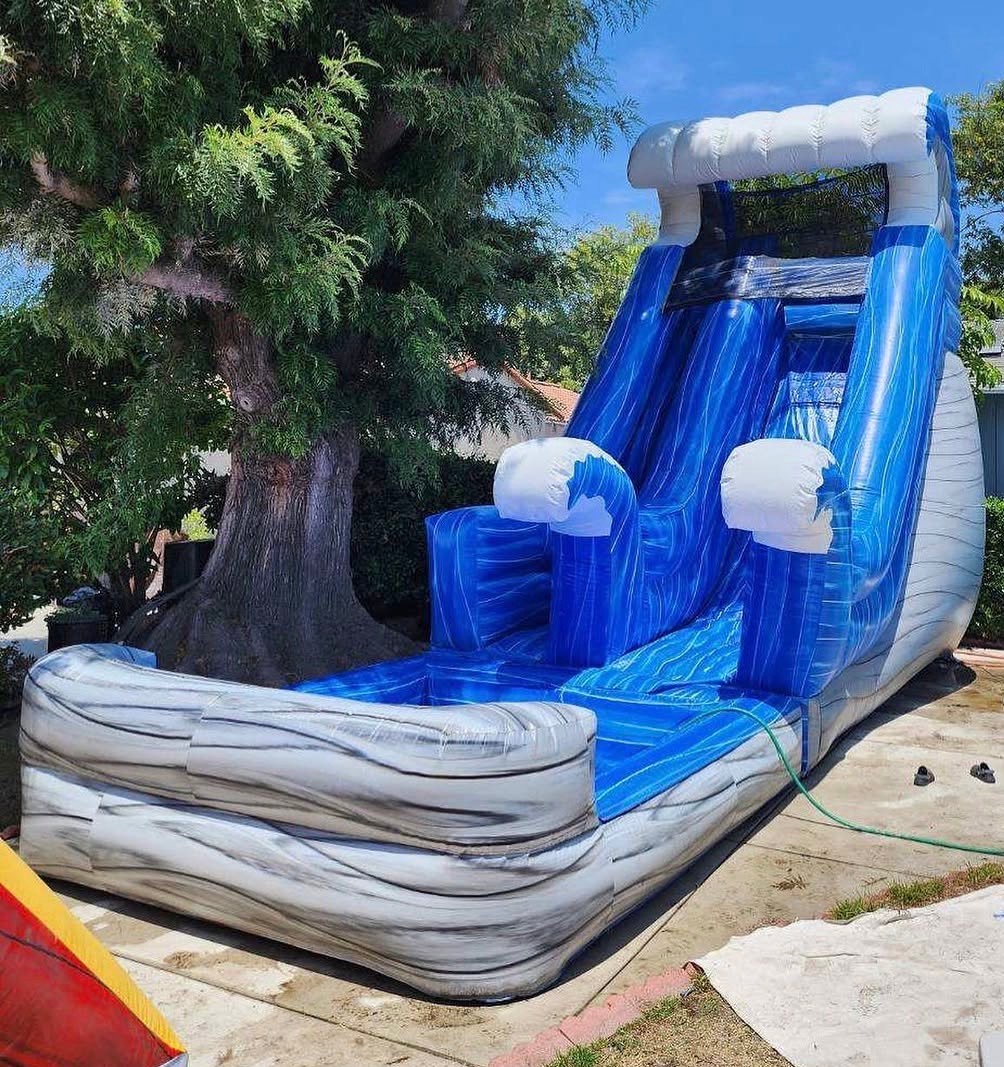
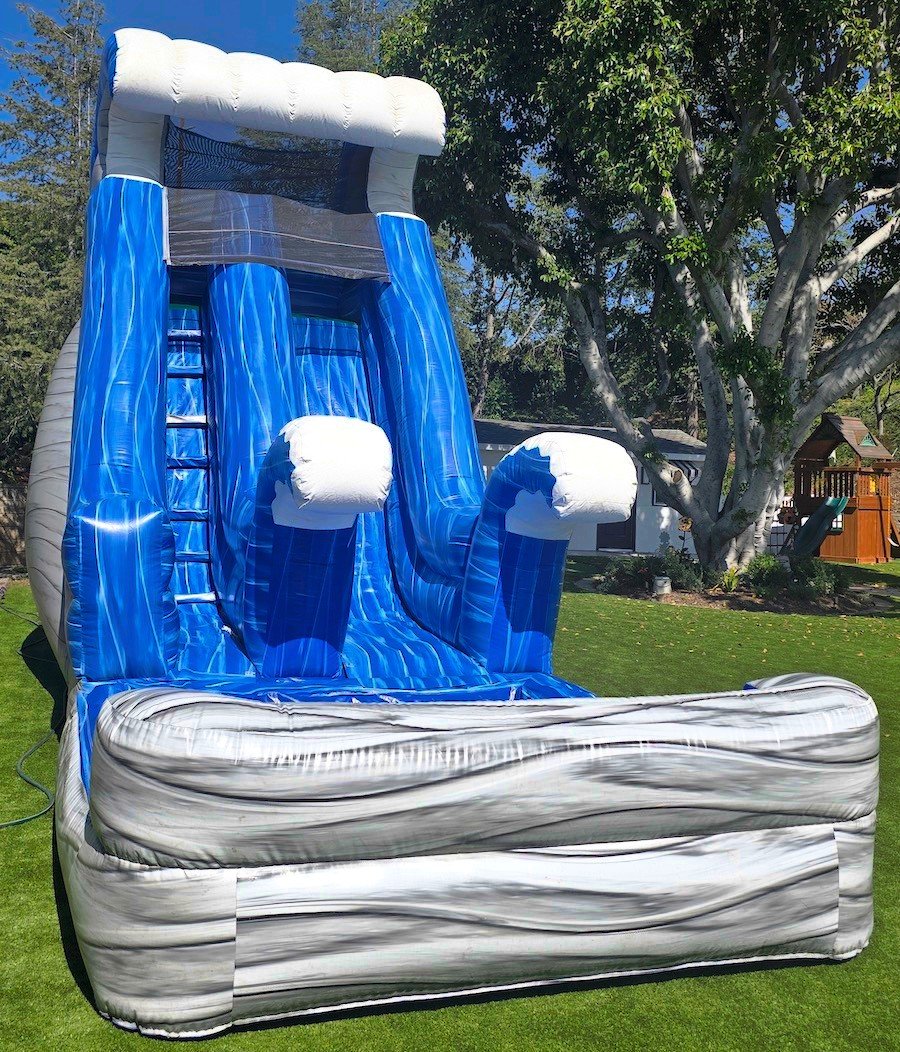
A single-lane or dual-lane waterslide rounds out a practical three-unit starter fleet. Oregon summers are shorter than Southern California, but July and August demand for waterslides in the Willamette Valley and coastal communities is real. A 20-foot waterslide priced at $250 to $350 per rental day can recover its purchase cost in a single busy season if you are booking consistently on weekends.
What to hold off on: obstacle courses and interactive games are tempting because they look impressive in photos, but they require more transport space, longer setup times, and larger event footprints. Save those for your second or third purchasing cycle once you understand your local market's event size patterns. You can browse Jump High's rental catalog to see how different unit types are presented and sized for real-world events, which is useful reference material when evaluating specs from commercial suppliers.
Freight and Delivery Costs for Commercial Inflatables Shipped to OR
Freight is the cost that surprises most first-time fleet buyers, and Oregon's geography makes it a meaningful line item. Most commercial inflatable manufacturers are located in China, with U.S. distribution hubs concentrated in California, Texas, and the Southeast. Shipping a commercial bounce house from a California distributor to Portland or Eugene typically runs $150 to $350 per unit via LTL (less-than-truckload) freight, depending on weight, dimensions, and current carrier rates.
If you are ordering multiple units at once, consolidated freight saves money. A pallet of three to four deflated bounce houses can ship together for significantly less per unit than three separate shipments. Ask your vendor specifically about pallet pricing and whether they have preferred carrier relationships with companies that serve the Pacific Northwest regularly.
For units shipped directly from overseas manufacturers, ocean freight plus domestic drayage adds complexity. A 40-foot container of inflatables from a Chinese manufacturer might land at the Port of Long Beach and then require trucking to your Oregon address. Total landed cost (ocean freight, port fees, customs clearance, and final-mile delivery) can add $800 to $2,000 or more to your order depending on container share versus full container load. Many Oregon operators find it simpler to source from established U.S.-based distributors for their first fleet purchase, even if per-unit cost is slightly higher, because the logistics are more predictable.
Crating matters too. Commercial inflatables shipped without proper crating can arrive with blower damage or seam stress from shifting during transit. Confirm with your vendor whether units ship in wooden crates, reinforced cardboard, or custom bags, and ask whether freight damage claims are handled by the vendor or left to you to pursue with the carrier.
Unit Specs, Sizing, and Commercial Grade Standards to Know
Commercial grade inflatables are built to a different standard than residential units, and the difference shows up in material weight, stitching density, and blower specifications. For Oregon operators buying units that will see repeated weekly rentals, understanding these specs protects your investment.
PVC material weight is measured in grams per square meter (GSM) or ounces per square yard. Commercial bounce houses typically use 18-ounce (roughly 610 GSM) PVC as a baseline. Heavier material (21-ounce or above) adds durability and is worth the premium for high-traffic units like waterslides and combo units that take more physical stress. Lighter material (13 to 15 ounce) is common in residential inflatables and will not hold up to the rental cycle you are planning.
Blower specifications matter for Oregon's variable weather. A 1.5 HP continuous-duty blower is standard for units up to about 15x15. Larger combos and waterslides often require a 2 HP blower. Confirm that replacement blowers are available from your vendor or a domestic supplier, because a failed blower on a busy Saturday is a real operational problem.
Stitching and seam construction separate long-lasting commercial units from units that fail early. Look for quadruple-stitched seams on high-stress areas (jump surfaces, slide channels, and anchor points). Mesh panels on walls improve airflow and visibility, which matters for supervision and for keeping kids cooler during warmer events. For a deeper look at how surface type affects setup decisions, the concrete vs. grass setup guide covers anchoring and surface considerations that apply regardless of your state.
Sizing for Oregon events: most residential backyards and community park spaces accommodate a 15x15 bounce house with a 3-foot clearance buffer on each side. Combo units often run 18 to 25 feet in length, so confirm your typical delivery sites can handle the footprint before committing to a larger unit as your primary inventory.
ROI Benchmarks and Seasonal Demand Patterns for OR Operators
Oregon's rental season concentrates heavily between May and September, with peak demand in July and August. A realistic planning assumption for a new operator is 20 to 30 booked weekend days per year in your first season, scaling upward as you build reviews and repeat customers. Some operators in the Portland metro area and Salem corridor report 35 to 45 booked days annually by their second year.
At a rental rate of $200 to $275 per day for a standard bounce house and $300 to $400 per day for a combo unit, a single bounce house generating 25 bookings per year produces $5,000 to $6,875 in gross revenue. A commercial-grade bounce house purchased from a reputable U.S. distributor typically costs $1,800 to $3,500 depending on size and features. That puts simple payback at one to two seasons under realistic booking assumptions, before accounting for operating costs like fuel, labor, and maintenance.
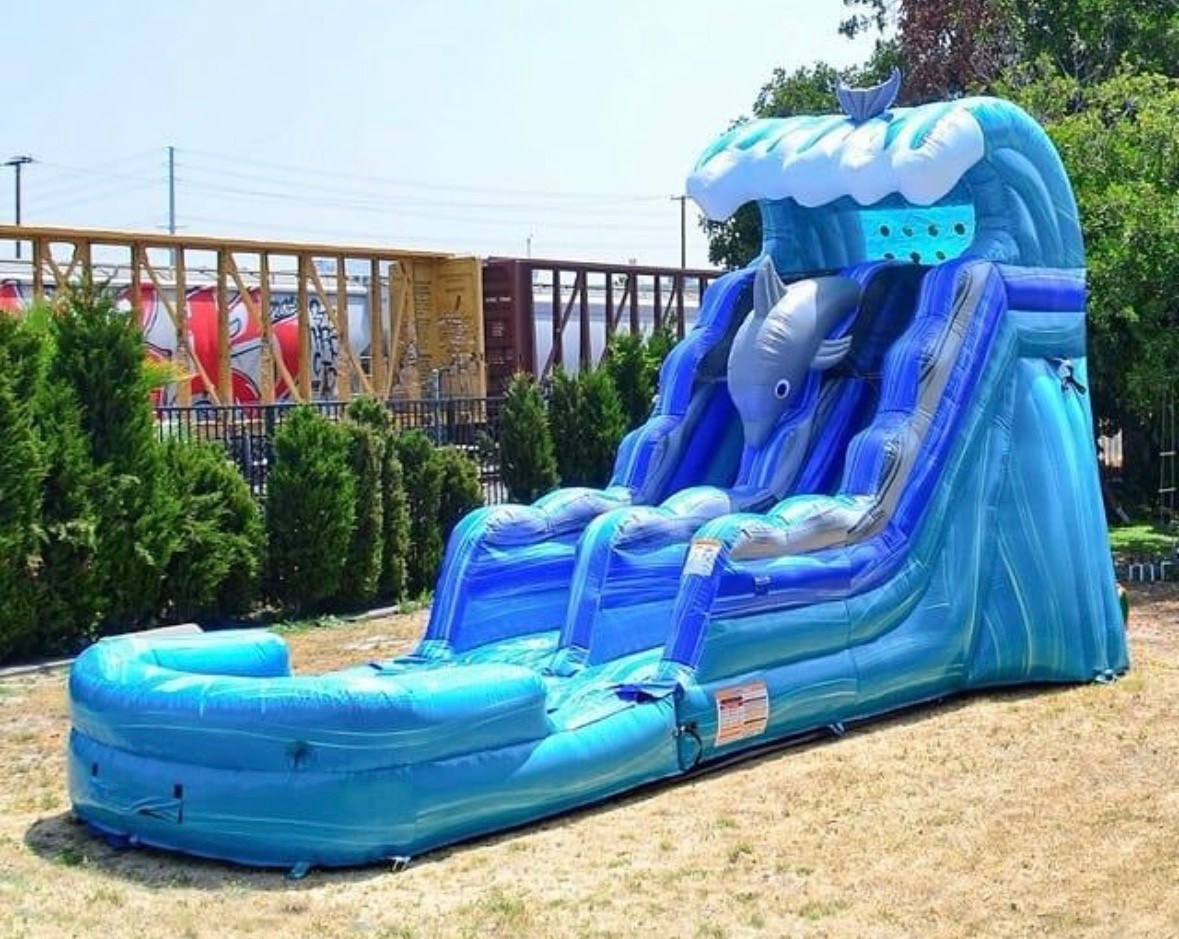
Waterslides have a narrower seasonal window in Oregon (roughly June through August), but rental rates are higher ($250 to $400 per day is common) and demand spikes sharply during heat events, which have become more frequent in the Pacific Northwest. A waterslide that books 15 to 20 days in a short summer season can still generate $4,000 to $8,000 in gross revenue.
School and community events add bookings outside the peak summer window. Oregon school field days often run in May and June, and fall church carnivals extend the season into October. Building relationships with schools, churches, and HOAs early gives you a pipeline of institutional bookings that smooth out the revenue curve. The HOA block party rental guide offers useful framing for how to approach community event clients, even though it is written for a California audience.
Warranties, Vendor Support, and Storage Planning for Your Fleet
Warranty terms vary widely among commercial inflatable manufacturers and distributors, and the differences matter more than most first-time buyers realize. A standard commercial warranty covers manufacturing defects in materials and stitching for one to three years. What it typically does not cover: damage from improper anchoring, UV degradation from extended outdoor exposure, blower motor failure after a set number of hours, and wear from exceeding recommended capacity limits.
Before purchasing, ask your vendor three specific questions. First, is warranty service handled domestically or do you ship units back to China for repair? Domestic repair support is worth a price premium. Second, does the vendor stock replacement parts (blowers, patches, anchor straps) and can they ship to Oregon within a reasonable timeframe? Third, what is the claims process if a unit arrives damaged from freight?
Vendor support beyond the warranty also matters. Vendors who provide setup manuals, training videos, and responsive customer service help you solve operational problems faster. New operators often underestimate how much time goes into learning proper inflation, anchoring, and deflation procedures for each unit type.
Storage planning is a practical concern that Oregon's climate makes more specific. Inflatables stored in damp conditions develop mold and mildew on interior surfaces, which is both a hygiene problem and a customer complaint waiting to happen. A climate-controlled storage unit or a dry, well-ventilated warehouse space is worth the monthly cost. Deflate units completely, allow them to dry thoroughly after any wet use, and store them in their carry bags or on ventilated shelving rather than stacked directly on concrete floors.
For operators in the Portland area, storage unit costs run roughly $100 to $250 per month for a 10x20 space, which comfortably holds three to five deflated inflatables with blowers and accessories. Factor this into your first-year operating budget alongside fuel, insurance (consult your own provider for coverage specifics), and marketing costs.
If you are evaluating how a real rental operation presents its fleet and handles logistics, browsing Jump High's guides library gives you a practical window into how established operators think about unit selection, delivery, and customer communication. When you are ready to talk through sourcing questions or want a reference point on how specific unit types perform in real events, the Jump High contact page is a good starting point.