
Why CA HOAs Regulate Bounce House Rentals
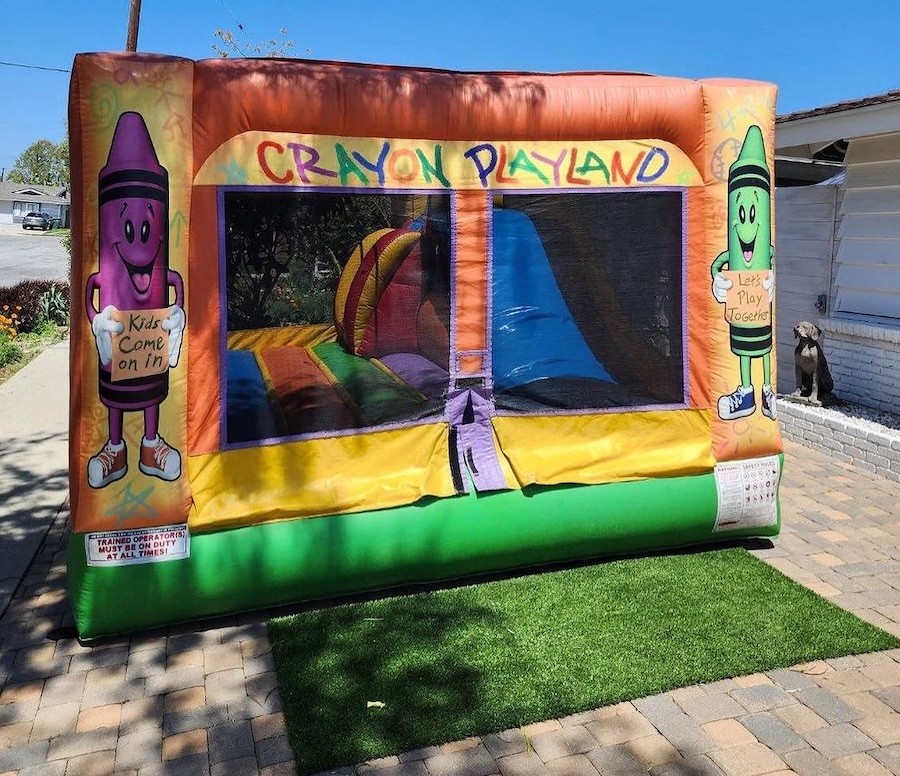
If you live in an HOA-governed neighborhood anywhere in California, you already know that community rules cover more than just paint colors and fence heights. Bounce houses fall into a category that many boards treat as temporary structures or special equipment, which means they often require advance notice or formal approval before setup day.
The reason HOAs pay attention to inflatables comes down to a few practical concerns. Shared common areas, narrow side yards, and closely spaced homes mean that a large inflatable can affect neighbors' sightlines, parking access, or even noise levels. Boards also want to confirm that any vendor operating in the community carries appropriate commercial liability coverage, since an incident on association property can create complications for the entire community.
California law gives HOAs fairly broad authority to regulate what happens on and around residential lots, and that authority has continued to evolve. As of 2026, California HOA governance is shaped by the Davis-Stirling Common Interest Development Act, which outlines the rights of both associations and homeowners. Knowing the framework going in makes the conversation much easier.
The good news is that most CA HOAs are not trying to prevent you from throwing a great birthday party. They simply want to know what is happening, when, and who is responsible. Once you give them that information in a clear and organized way, approval is often straightforward.
What to Check in Your CC&Rs Before You Book
Before you contact your HOA board or management company, spend fifteen minutes reviewing your community's Covenants, Conditions, and Restrictions (CC&Rs). This document is the rulebook for your neighborhood, and it is where bounce house policies are most likely to live, if they exist at all.
Look for sections that reference temporary structures, special events, commercial vehicles, or equipment on residential property. Some CC&Rs specifically mention inflatables or party equipment. Others use broader language about "temporary installations" or "equipment brought onto the property by outside vendors." Either way, those are the sections that apply to your rental.
Pay attention to any rules about delivery vehicles. A bounce house delivery truck is larger than a standard passenger vehicle, and some communities have restrictions on commercial vehicles entering through the main gate or parking on residential streets for extended periods. Knowing this in advance lets you share accurate delivery details with Jump High so the crew can plan the best access route. You can find more about what delivery day looks like in our guide on what to expect on delivery day for OC inflatable rentals.
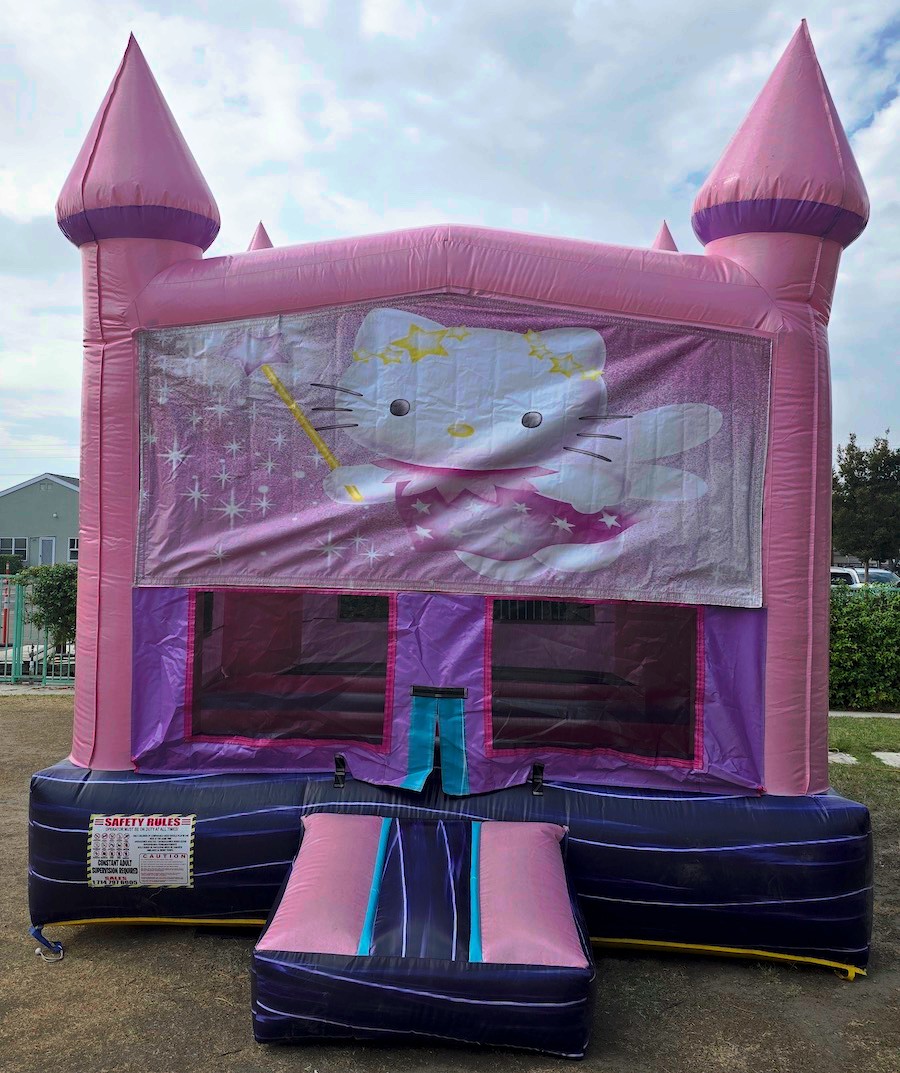
If your CC&Rs are silent on the topic of inflatables, that is actually useful information too. It means you are likely working with a general "prior approval" clause for events or modifications, which gives you a clear path forward through the standard request process. Document what you find either way, because you may need to reference specific sections when you submit your request.
Documents Your HOA Will Likely Request
Once you know what your CC&Rs say, you can start gathering the paperwork that most HOA boards want to see before they sign off. Having these documents ready before you submit your request speeds up the process considerably and signals to the board that you are a prepared, responsible homeowner.
The most commonly requested item is proof of liability insurance from the rental vendor. Reputable inflatable rental companies carry commercial general liability coverage, and Jump High can provide a certificate of insurance to support your HOA request. This document shows the board that the vendor is insured and that coverage is in place for the duration of the rental.
Beyond insurance, many boards want to see the physical dimensions of the unit you plan to rent. This helps them confirm that the inflatable fits within your property boundaries and does not encroach on common areas, easements, or neighboring lots. When you browse Jump High's rental lineup, each unit includes setup dimensions so you can pull exact measurements to include in your submission.
Some HOAs also ask for a brief description of the setup process, including how the unit is anchored and how long the crew will be on site. Jump High's team uses ground stakes on grass and sandbag anchors on hard surfaces, and setup typically takes between thirty and sixty minutes depending on the unit. Having that information written out in plain language reassures boards that the process is professional and low-impact.
A few communities, particularly larger master-planned HOAs in areas like Irvine or Mission Viejo, may also request a site plan sketch showing where the inflatable will be placed relative to the property lines. A simple hand-drawn diagram with measurements is usually sufficient. If you are coordinating a larger neighborhood event rather than a private backyard party, our HOA block party bounce house rentals guide covers additional considerations for common-area setups.
How to Submit Your HOA Request Without Delays
Timing is everything when it comes to HOA approval. Most boards meet monthly, and if your request misses the submission deadline for one meeting, you could be waiting four to six weeks for the next one. Submit your request as early as possible, ideally four to six weeks before your event date.
Start by contacting your HOA management company or board secretary to ask about the correct submission process. Some communities use an online portal. Others require a written letter or a completed Architectural Review Committee (ARC) form. Ask specifically whether a bounce house rental requires a formal ARC review or whether it falls under a simpler event notification process. The answer will determine how much lead time you actually need.
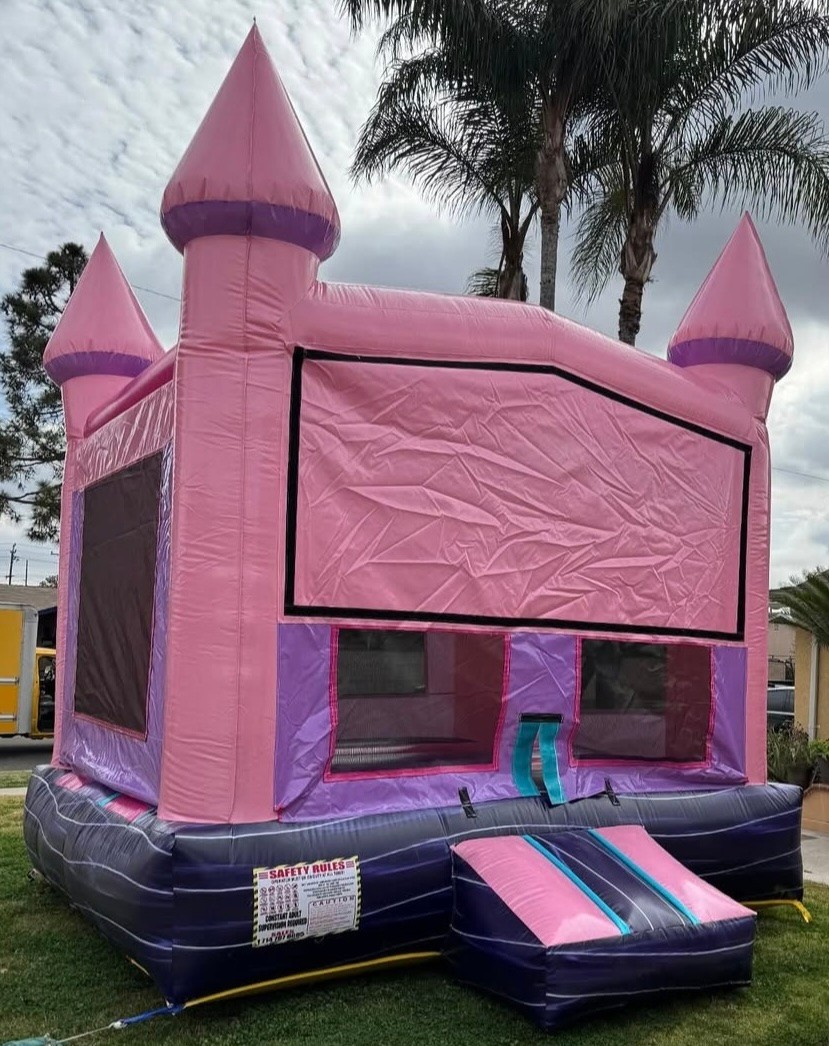
When you write your request, keep it concise and factual. Include your name, address, event date, rental duration, the name and contact information of the rental company, the unit dimensions, and a brief note about how the inflatable will be anchored. Attach the certificate of insurance and any other supporting documents you have gathered. A well-organized submission is much easier for a volunteer board to review quickly.
If your HOA has a management company, call them directly after submitting to confirm receipt. A quick follow-up call shows that you are engaged and gives you a chance to answer any preliminary questions before the formal review. It also creates a paper trail that can be helpful if there are any delays.
One practical note: never book your rental date as final until you have written confirmation from your HOA. Jump High's team can hold a tentative date while you wait for approval, and our FAQ page covers how booking and deposits work so you understand your options during that window.
What Happens After HOA Approval: Setup Day Basics
Once you have written approval in hand, the rest of the planning process becomes much more straightforward. Share a copy of the approval letter with Jump High when you finalize your booking. This helps the delivery crew know that access has been cleared and that there are no last-minute surprises at the gate.
On setup day, the Jump High crew will arrive during your scheduled delivery window, assess the setup area, and position the inflatable according to the dimensions you confirmed with your HOA. If your community has a gated entrance, make sure the gate code or access instructions are included in your booking notes so the crew can enter without delay. A few minutes of preparation on your end saves everyone time on the morning of the party.
Keep your HOA approval letter accessible on the day of the event. In larger communities, a security guard or property manager may ask to see documentation, especially if the delivery truck draws attention. Having the letter on your phone or printed out means you can address any questions quickly and get back to enjoying the party.
After the event, Jump High handles full breakdown and pickup, so there is nothing left behind for you or your HOA to deal with. The area is left clean and clear, which matters for maintaining a good relationship with your board for future events. If you are already thinking about next year's party or a neighborhood block party, our HOA community event inflatable rental guide walks through how to coordinate larger-scale setups with your association.
Getting HOA approval for a bounce house rental in California does not have to feel like a bureaucratic obstacle. With the right documents, a clear timeline, and a rental partner who can back you up with professional paperwork, most homeowners find the process much simpler than they expected. Ready to book once your HOA gives the green light? Browse Jump High's inflatable lineup and get your delivery details ready to share with your board, or reach out directly if you have questions about what documentation we can provide to support your request.