
Choosing between a combo bounce house and a standalone unit is one of the first decisions you will make when planning a party rental in Orange County. Both options are fun, both keep kids active, and both come with delivery and setup included when you book through Jump High Rentals. The difference comes down to what your specific event actually needs, and getting that match right makes the whole day smoother.
This guide walks through the key differences, helps you factor in your space and guest list, and gives you honest pricing expectations so you can book with confidence.
What Makes a Combo Bounce House Different From a Standalone
A standalone bounce house does exactly what the name says. It gives kids a dedicated jumping space, usually with colorful walls, mesh windows for visibility, and a single entry point. The focus is pure bouncing, which makes it a great fit when that is all you need.
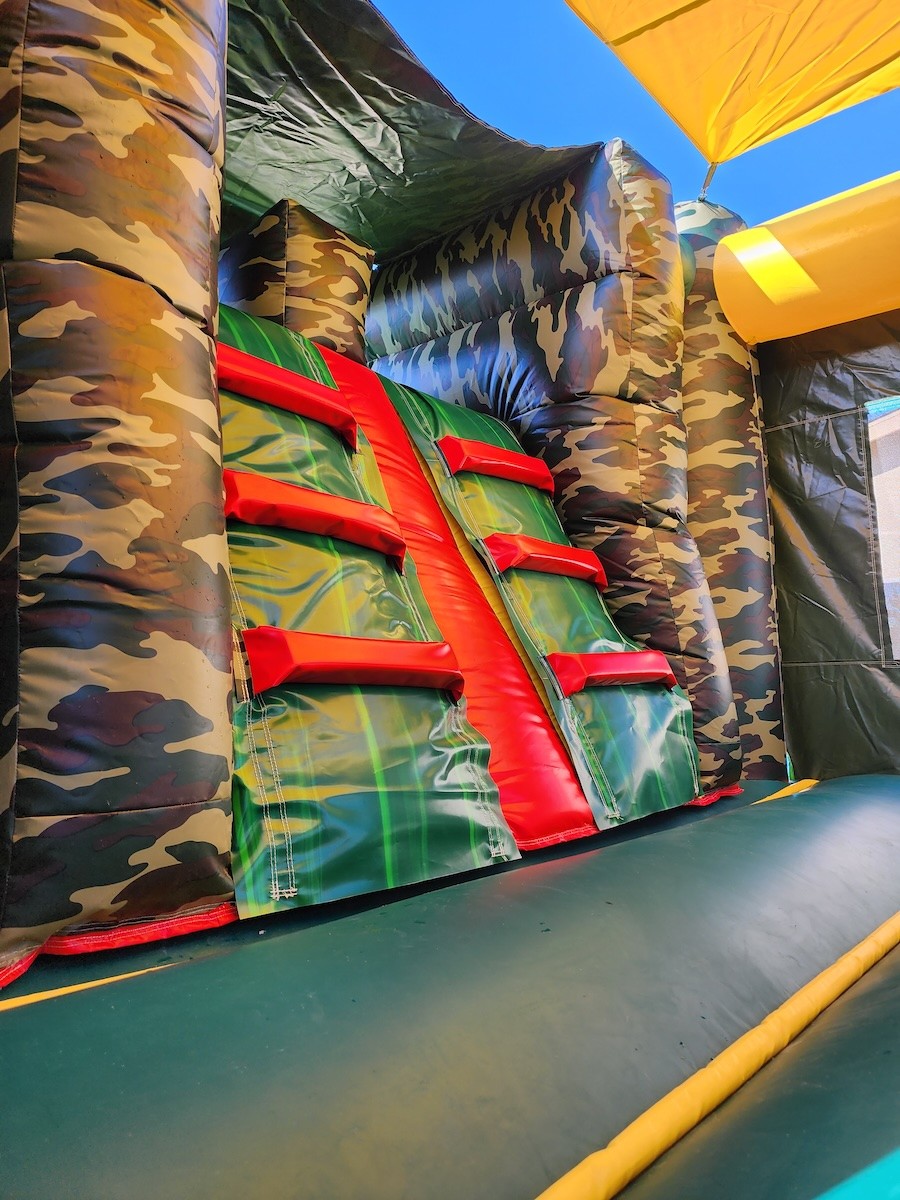
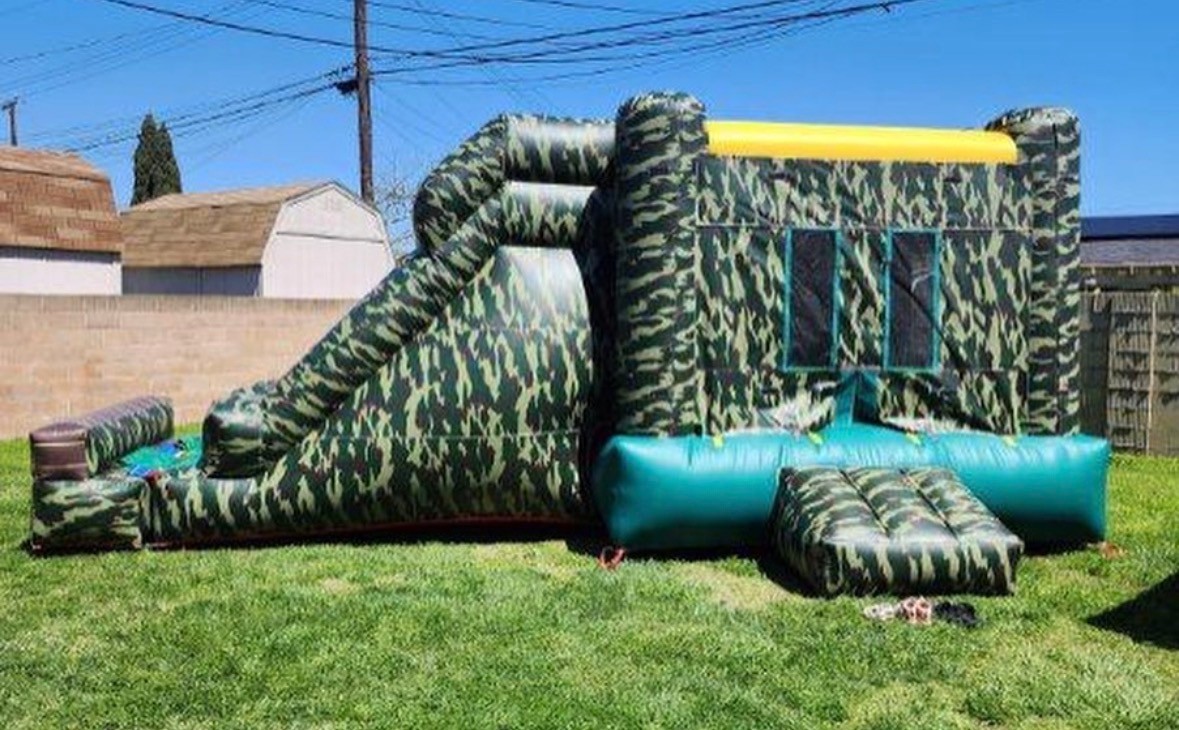
A combo bounce house adds features to that same jumping area. Depending on the unit, you might get a slide built into one side, a climbing wall, a basketball hoop inside the jump zone, or a short obstacle section. Some combos combine two or three of those features in one inflatable. The result is a single rental that offers multiple ways to play.
Neither type is automatically better. A combo is simply more feature-rich. If your party needs more than bouncing, a combo delivers that variety without requiring you to rent two separate pieces of equipment. If your party is smaller or your guests are very young, a standalone unit may be the cleaner, simpler choice.
A few things that stay the same across both types:
- Delivery, setup, and pickup are included with Jump High Rentals bookings
- Both require a flat, clear setup area with enough clearance around the unit
- Both need a nearby power source for the blower
- Weight and age limits apply to both, and those limits should guide your booking decision
How Space, Age Range, and Guest Count Shape Your Choice
Your backyard or event venue is the first filter. Standalone bounce houses tend to have a smaller footprint, which makes them easier to place in tighter yards or side yards with limited clearance. Combo units are larger because the added features, especially a slide, extend the overall length of the inflatable. Before you choose, measure your available space and leave room on all sides for safe access and anchor stakes.
Age range matters just as much as space. Standalone units are a natural fit for parties where most guests are toddlers or early elementary age. Younger children often prefer simple, open bouncing without the added stimulation of climbers or slides. Combo units tend to shine when your guest list spans a wider age range, say five-year-olds through preteens, because the variety keeps older kids engaged while younger ones can still use the jump area.
Guest count is the third factor. For a smaller birthday party with ten to fifteen kids, a standalone unit usually handles the flow well. For a larger school event, church gathering, or HOA community party where you might have thirty or more kids rotating through, a combo unit gives kids more to do and can reduce bottlenecks since children naturally spread across different features.
A simple way to think about it: if your party is smaller, younger, or more relaxed, lean toward standalone. If your party is bigger, spans a wider age range, or you want kids entertained for several hours, lean toward a combo.
Pricing Expectations for Orange County Rentals in 2026
Rental pricing in Orange County reflects the size and complexity of each unit. As a general reference for 2026, standalone bounce houses typically run in the range of $159 to $200 per day. Combo bounce houses, because they use more material and take longer to set up, typically fall in the range of $250 to $450 depending on the specific unit and features included.
Those ranges are starting points. The exact price for your rental will depend on the specific unit you choose, your delivery location within Orange County, and any add-ons you include. The best approach is to browse the current lineup at Jump High Rentals and request a quote based on your date and address.
One thing worth noting: a combo unit can actually save money compared to renting two separate attractions. If you were considering a standalone bounce house plus a separate slide or obstacle course, a single combo unit often covers both needs at a lower combined cost. That is worth factoring into your budget conversation.
When a Standalone Unit Is Actually the Smarter Pick
There is a common assumption that more features always mean a better party. That is not always true. A standalone bounce house is often the right call, and here is when it tends to be the better fit.
If your guests are mostly under five years old, a simple jump space is usually more appropriate than a unit with climbers or steep slides. Younger children do best with open, uncomplicated play areas where parents can see them clearly and supervision is straightforward.
If your backyard is on the smaller side, a standalone unit fits more easily and leaves room for tables, chairs, and the rest of your party setup. Trying to squeeze a large combo unit into a tight space creates safety concerns and can make the yard feel cramped.
If your party is a few hours long and your guest count is modest, a standalone unit delivers everything you need without the added cost of a combo. Not every party requires maximum entertainment variety, and there is nothing wrong with keeping it simple.
Budget is a real factor too. If you are working with a tighter number, a standalone unit lets you allocate more of your budget toward food, decorations, or other party elements rather than spending it all on the inflatable.
What to Confirm Before You Book Either Option
Before you finalize your rental, a few practical details will help the day go smoothly.
Measure your setup area carefully. For a standalone unit, you generally need the footprint of the inflatable plus a few feet of clearance on each side. For a combo unit with a slide, account for the full extended length, including the slide run. If you are unsure whether your space works, the Jump High Rentals team can help you figure it out based on the specific unit you are considering.
Check your power access. Both standalone and combo units require a standard electrical outlet to run the blower. If your outlet is far from the setup area, ask about extension cord options when you book.
Confirm the surface. Grass is the most common setup surface for backyard parties and works well for staking. Concrete or asphalt setups are possible in some cases but may require sandbag anchoring instead of stakes. Let the team know your surface type when you book.
If you are planning a park event or a school or church gathering, check whether your venue requires a permit for inflatables. Some Orange County parks do require permits, and approval timelines vary. Event planners should build in extra lead time to handle that process before the rental date.
Finally, ask what is included. With Jump High Rentals, delivery, setup, and pickup are part of the booking. Knowing that ahead of time helps you plan your party timeline without worrying about setup logistics on the day of the event.
When you are ready to compare specific units or want a quick recommendation based on your yard size and guest count, browse the Jump High Rentals lineup or reach out to the team directly. Getting the right unit for your party is the whole point, and a quick conversation can make that decision a lot easier.