
Why One Supervising Adult Is Never Enough for a Busy Party
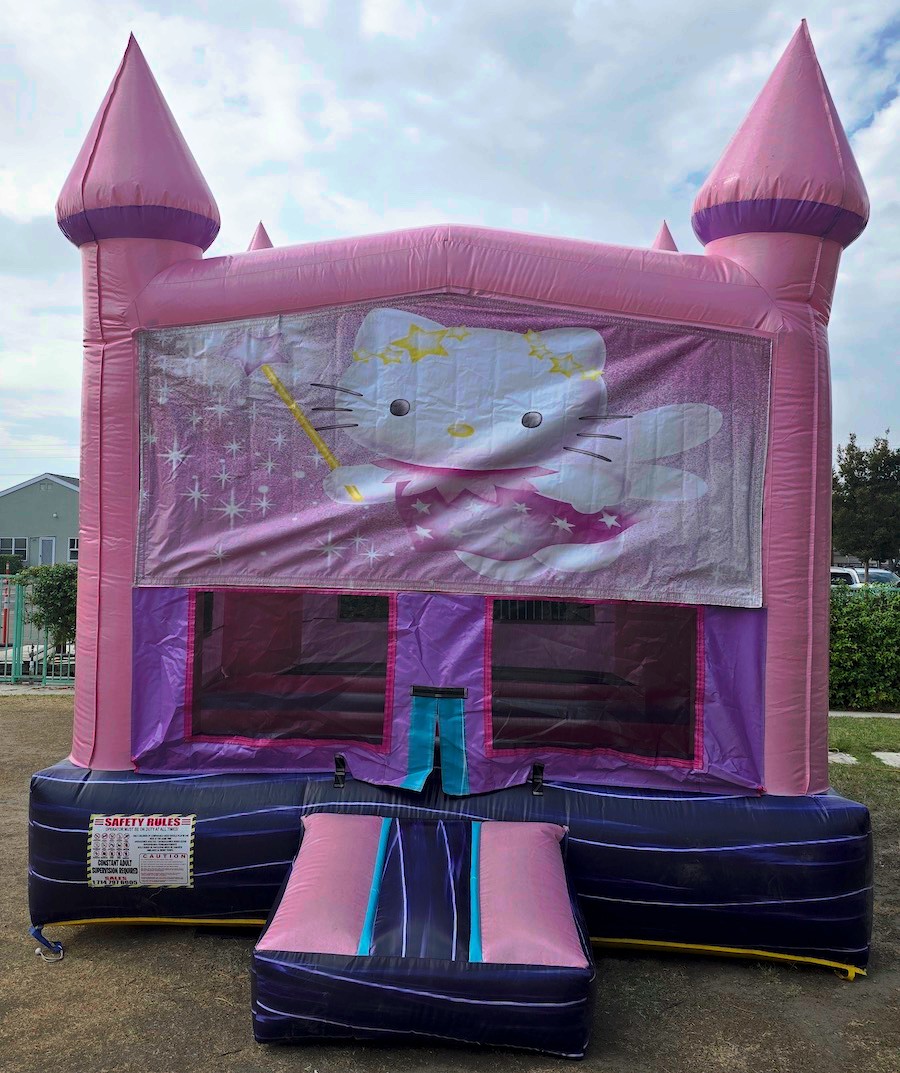
Picture a typical Saturday afternoon in a Laguna Hills backyard: twelve kids are taking turns on a bounce house, three more are waiting at the entrance, and the birthday child's cousins have just arrived with their parents. The host is greeting guests, someone is asking about the cake, and the one adult who was watching the inflatable has stepped away to help with drinks. That gap, even a short one, is exactly when most bounce house incidents happen.
The honest truth about bounce house supervision is that "someone is nearby" is not the same as "someone is watching." A responsible adult assigned to the inflatable needs to be positioned at the entrance, focused on what is happening inside, and ready to step in immediately when play gets rough or a child tries to climb the walls. That is a full-time role for the duration of the rental, not a task you rotate through guests casually.
For a backyard birthday with ten to fifteen kids, plan on at least two adults dedicated to the inflatable: one at the entrance to count children in and out, and one positioned where they can see the interior clearly. If your guest list includes toddlers and older kids who will use the unit at different times, you may need a third adult to manage transitions and keep the waiting area calm. Larger events at schools, churches, or HOA gatherings need even more coverage, because crowd energy rises quickly when there are dozens of children in one space. You can find more guidance on sizing your setup to your guest count in the inflatable rental checklist for OC parties with 50 guests.
The supervising adults at your event should be sober, attentive, and comfortable telling children to stop a behavior immediately. This is not the job for a teenager or a guest who is also trying to socialize. Assign these roles before the party starts, communicate them clearly, and make sure each person knows what they are watching for.
Where to Station Adults and What to Watch For
Positioning matters as much as presence. An adult standing twenty feet away chatting with another parent is not supervising the bounce house, even if they can technically see it. The entrance monitor should stand close enough to physically assist a child who trips getting in or out, and close enough to stop a child from entering when the unit is already at capacity.
The second adult should have a clear sightline into the jumping area. On most standard bounce houses, that means standing to the side or slightly behind the entrance rather than directly in front of it, where the mesh netting can partially block the view. If your unit has a slide attached, that adult should be able to see both the jumping chamber and the top of the slide at the same time.
Here is what your stationed adults should be watching for at all times. Roughhousing and wrestling are the most common causes of collisions, so intervene the moment you see children pushing, tackling, or piling on top of each other. Watch for children trying to climb the walls or netting, which is unsafe on any inflatable unit. Monitor the entrance and exit area closely, because most falls happen when children are getting in or out, not while they are jumping. Keep the entrance clear of children sitting or standing in the doorway, since that creates a collision hazard for anyone jumping toward the front.
Capacity is another thing your entrance monitor needs to track actively. Each inflatable has a posted capacity limit based on the size of the jumping surface and the weight it is designed to handle. That limit is not a suggestion. When the unit reaches capacity, the next child waits outside, even if they are upset about it. You can read more about how capacity limits work in practice at the inflatable capacity limits guide.
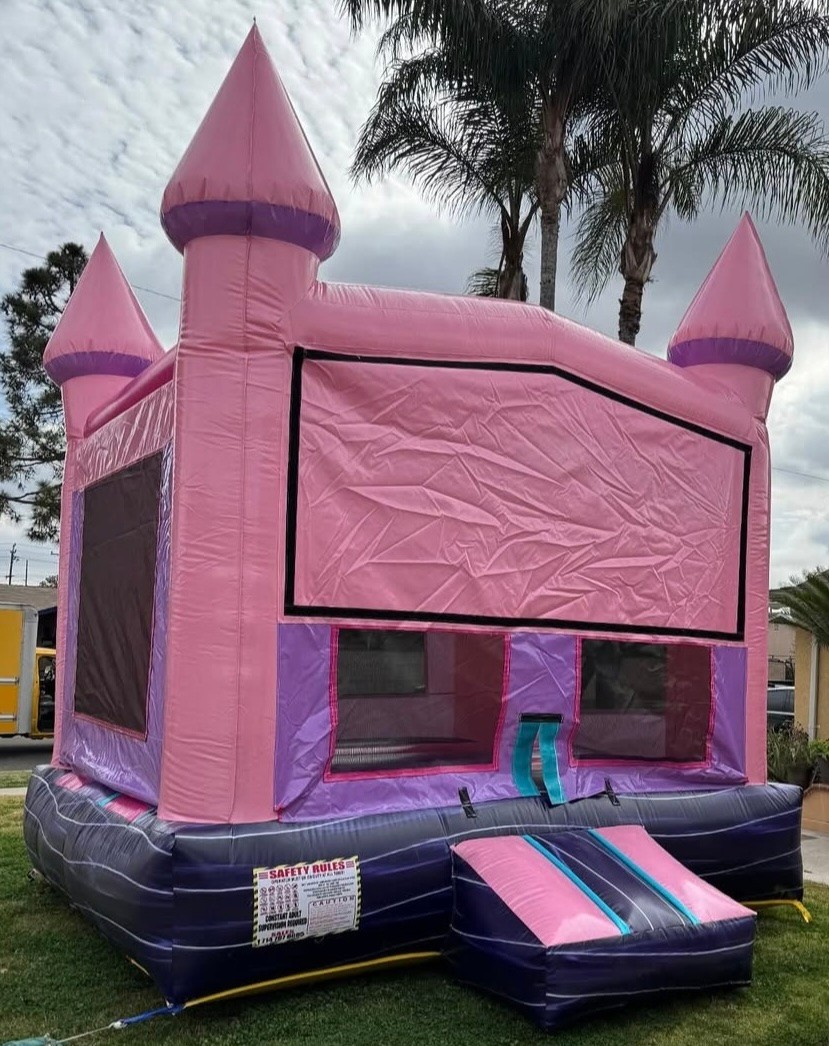
For school, church, and HOA events where you may have rotating groups of children throughout the day, consider using a simple rotation system. Fifteen to twenty minute turns work well for busy events, give every child a fair chance to participate, and make it easier for your monitors to reset the entrance between groups.
Age Separation Rules That Prevent Most Bounce House Injuries
One of the most effective things you can do to reduce injury risk at a mixed-age party is to keep age groups separate inside the inflatable. A five-year-old and a ten-year-old jumping together in the same chamber creates a significant size and weight mismatch. When the older child lands hard, the rebound force can knock a smaller child off balance in ways that are difficult to predict and impossible to catch in time.
The practical approach for a backyard birthday is to designate separate jump times for different age groups. If your party includes toddlers (ages two to four), give them their own time slot before the older kids take over. Keep that toddler session short, keep the capacity low, and make sure the adult monitor is positioned to assist with getting in and out, since younger children often struggle with the entrance step.
For parties where ages are truly mixed and separate sessions are not realistic, consider whether a second inflatable unit designed for younger children makes more sense than trying to manage one unit for everyone. The bounce house rentals for toddlers in OC guide covers which unit styles work best for the youngest guests. Keeping age groups separated is not about being overly cautious. It is simply the most reliable way to prevent the collision injuries that account for a large share of bounce house incidents at family events.
When older children (ages nine and up) are using the unit, supervision focus shifts slightly. Older kids are more likely to attempt flips, roughhouse intentionally, or dare each other into unsafe behavior. Your monitor needs to be comfortable using a firm, clear voice to stop that behavior immediately, and they need to follow through consistently. One warning, then out of the unit for a cooling-off period, is a reasonable and enforceable rule.
The Short Rules List Every Guest Parent Should Hear
The best safety rules are the ones that are short enough to remember and clear enough that any adult at the party can repeat them. Before the first child steps inside, your entrance monitor should go over the rules out loud with the group. Posting a written list near the entrance is helpful as a reminder, but a verbal walkthrough at the start sets the tone for the whole event.
The core rules for any bounce house rental are consistent across unit types and age groups. No shoes, socks only inside the unit. No food, drinks, or gum inside. No flips or somersaults. No climbing the walls or netting. No pushing, wrestling, or rough play. No sharp objects, jewelry, or glasses inside the jumping area. One child at a time on the slide if your unit includes one.
Keep the list to six or eight rules maximum. If the list is too long, it becomes background noise. If it is too short, you may miss something important. The bounce house rules to share with your guests guide has a printable-friendly version you can adapt for your party.
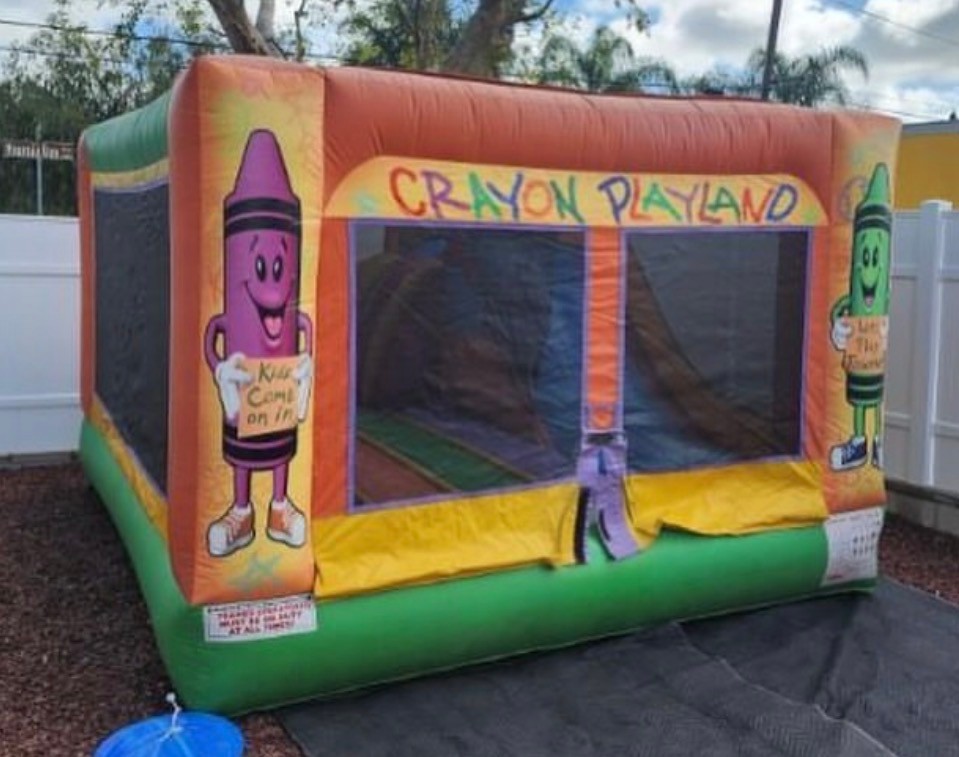
When you communicate these rules to guest parents, frame it as a quick heads-up rather than a lecture. Something like, "We are doing short turns and keeping the little ones separate from the big kids, and we have two adults watching the entrance the whole time," gives other parents confidence that the event is organized. It also makes it easier for them to reinforce the rules with their own children without feeling like they are overstepping.
For school, church, and HOA events, consider briefing your volunteer monitors together before guests arrive. Give each monitor a specific role (entrance counter, interior watcher, or transition manager) and make sure everyone knows who to flag if a child is hurt or if the unit needs to be paused. A quick five-minute briefing before the event opens prevents a lot of confusion once the crowd arrives.
Weather, Wind, and When to Call It for the Day
Orange County's weather is generally forgiving for outdoor parties, but it is not immune to the conditions that make inflatable use unsafe. Wind is the most common weather factor that OC hosts underestimate, particularly in hillside neighborhoods, coastal areas, and inland valleys where afternoon gusts can pick up quickly.
Most commercial inflatables are designed to operate safely in winds up to around 15 to 20 miles per hour, depending on the unit size and anchoring method. Above that threshold, the unit can shift, the entrance can become unstable, and the risk of the inflatable tipping or deflating suddenly increases. Your supervising adults should be watching for sustained wind, not just occasional gusts, and they should be prepared to stop use and ask children to exit calmly if conditions change. The wind speed limits and inflatable safety guide explains what to watch for and how to respond.
Lightning is a non-negotiable stop. If there is any lightning in the area, all children should exit the inflatable immediately and move to a covered indoor space. Do not wait to see if the storm passes while children are still inside or near the unit.
Rain makes the jumping surface slippery and should prompt an immediate pause in use. Even a light drizzle changes the traction inside a bounce house significantly, and wet vinyl is much harder for children to land on safely. If rain begins during your party, have a plan ready for where children will go and what activity will fill the time while you wait for conditions to improve. The what to do if it rains on your OC inflatable rental day guide has practical backup ideas for OC families.
Heat is also worth planning around, especially for summer parties in inland OC cities like Yorba Linda, Anaheim Hills, and Chino Hills, where afternoon temperatures can climb well above 90 degrees. A hot inflatable surface is uncomfortable and can become a burn risk for bare skin. Scheduling jump time in the morning or early afternoon, providing shade near the entrance, and keeping cold water available for children between turns are all practical steps that make a real difference on a warm day.
The goal of all of this preparation is not to make the party feel like a safety drill. It is to give you and your guests the confidence to relax and enjoy the event because you know the system is working. When supervision is organized, rules are clear, and weather is being monitored, a bounce house party is exactly what it is supposed to be: one of the most fun things you can do in an Orange County backyard.
If you are ready to find the right inflatable for your guest count and backyard size, browse the full Jump High Rentals catalog or visit the FAQ page for answers to common setup and delivery questions. The team is also happy to help you match the unit to your space and plan for a smooth event day. Reach out through the contact page and let us know what you are planning.