
Commercial Inflatable Depreciation Schedule
If you operate an inflatable rental business in Arizona, your bounce houses and waterslides are not just equipment. They are depreciable business assets, and how you account for them on paper can have a meaningful impact on your cash flow, reinvestment timing, and long-term fleet strategy. Understanding the basics of depreciation for commercial inflatables helps you plan smarter purchases, time your fleet refreshes, and make informed conversations with your accountant far more productive.
This guide is written for AZ fleet owners who want a practical framework for thinking about inflatable asset lifecycles, not a tax filing manual. Always work with a qualified tax professional for advice specific to your business situation.
What "Useful Life" Means for Commercial Inflatables
In accounting and tax contexts, "useful life" refers to the period over which a business asset is expected to generate value before it needs to be replaced or retired. For commercial inflatables, this is not simply a matter of when a unit looks worn. It encompasses structural integrity, blower performance, seam durability, and whether the unit still meets the safety standards your customers and venues expect.
Most commercial-grade inflatables, when properly maintained and stored, have a practical useful life somewhere between five and ten years. That range is wide for a reason. A standard bounce house rented on weekends for backyard birthday parties will age very differently than a large obstacle course deployed at school carnivals, church festivals, and HOA events every week of the busy season. The IRS does not publish a specific asset class exclusively for inflatable party equipment, so most fleet owners and their accountants classify commercial inflatables under the broader category of tangible personal property used in a trade or business. Under the Modified Accelerated Cost Recovery System (MACRS), this typically places them in a five-year or seven-year recovery period depending on how your accountant classifies the asset. The IRS Publication 946 covers MACRS property classes and recovery periods in detail and is worth reviewing alongside your tax professional.
The key takeaway for planning purposes is that your accounting useful life and your operational useful life are related but not identical. A unit might be fully depreciated on your books in five years but still generating rental revenue in year seven. Conversely, a heavily used unit in the Arizona heat might need significant repair or replacement before it reaches its accounting recovery period. Building your fleet strategy around both timelines gives you a more complete picture.
Depreciation Methods Fleet Owners Typically Consider
There are two primary depreciation approaches that come up most often in conversations about commercial inflatable fleets: Section 179 expensing and MACRS straight-line or accelerated depreciation.
Section 179 of the Internal Revenue Code allows businesses to deduct the full purchase price of qualifying equipment in the year it is placed in service, rather than spreading the deduction across multiple years. For a fleet owner purchasing several units at once, this can create a significant first-year deduction that offsets taxable income from rental revenue. The deduction limit adjusts annually, so confirm the current cap with your tax professional before making purchasing decisions based on it. There are also phase-out thresholds for businesses that place large amounts of equipment in service in a single year, which matters if you are scaling a fleet aggressively.
MACRS, by contrast, spreads the deduction over the asset's recovery period using either straight-line or declining-balance methods. The 200 percent declining-balance method front-loads deductions in the early years of an asset's life, which can be useful for matching higher depreciation expenses against the years when a new unit generates the most rental revenue and requires the least maintenance spending. Bonus depreciation, which has been available in various forms in recent years, can further accelerate deductions beyond what Section 179 alone provides. Again, the rules around bonus depreciation percentages change with federal legislation, so current guidance from your accountant is essential.
For Arizona fleet owners specifically, it is worth noting that Arizona has historically conformed to many federal depreciation rules, but state conformity is not automatic and can lag behind federal changes. Your accountant should confirm AZ state treatment for the tax year in question before you finalize your depreciation strategy.
How Unit Type and Frequency of Use Affect Asset Life
Not all inflatables depreciate at the same rate in practice, even if they share the same accounting recovery period. The type of unit and how often it is deployed are the two biggest variables that determine when a piece of equipment actually needs to be retired or replaced.
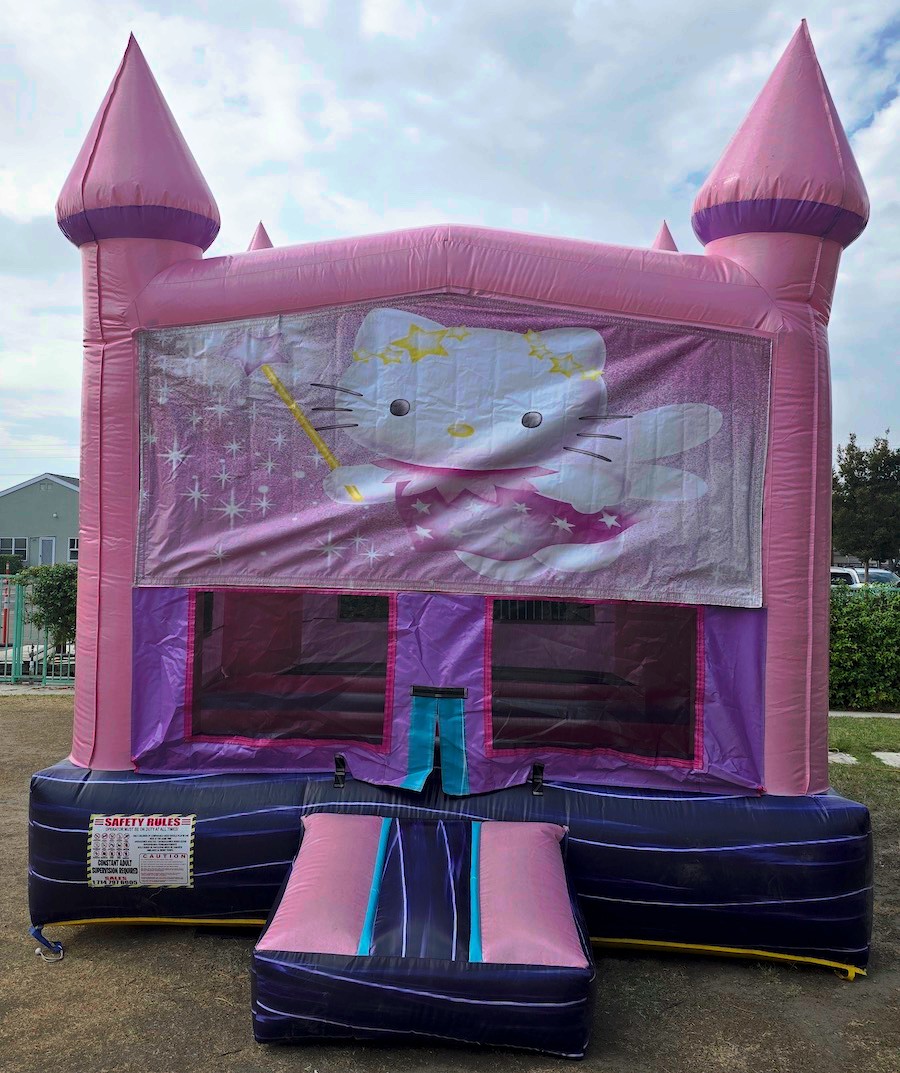
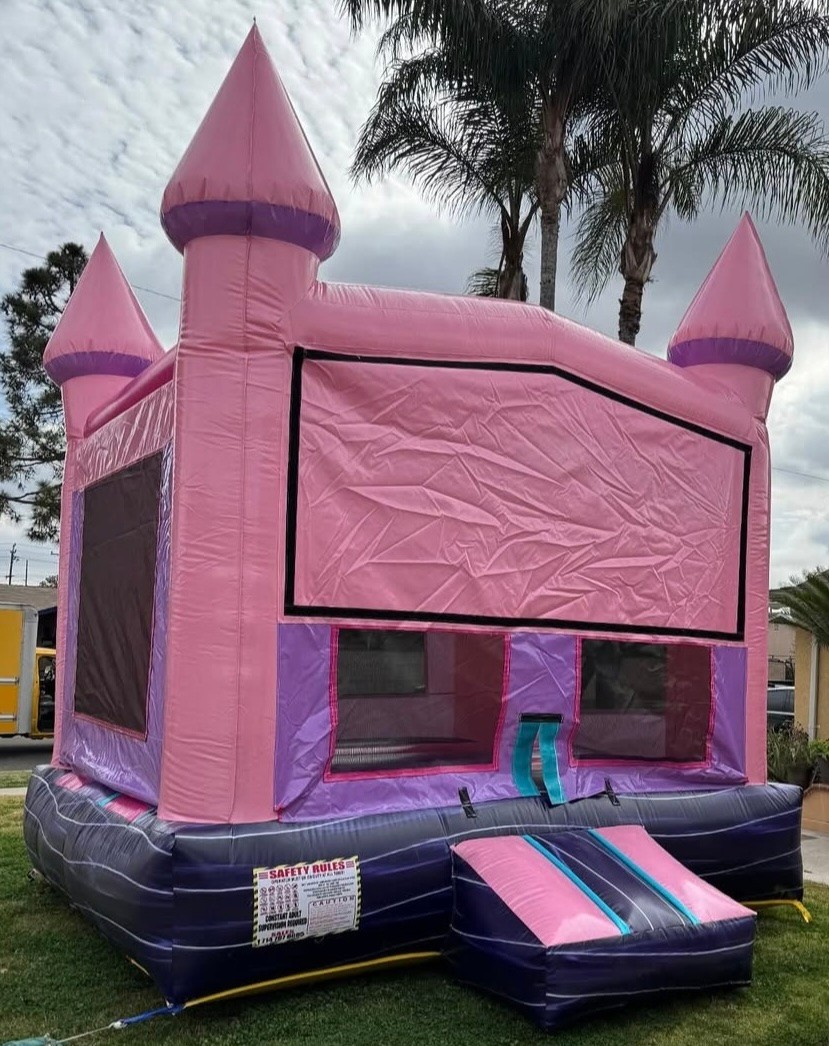
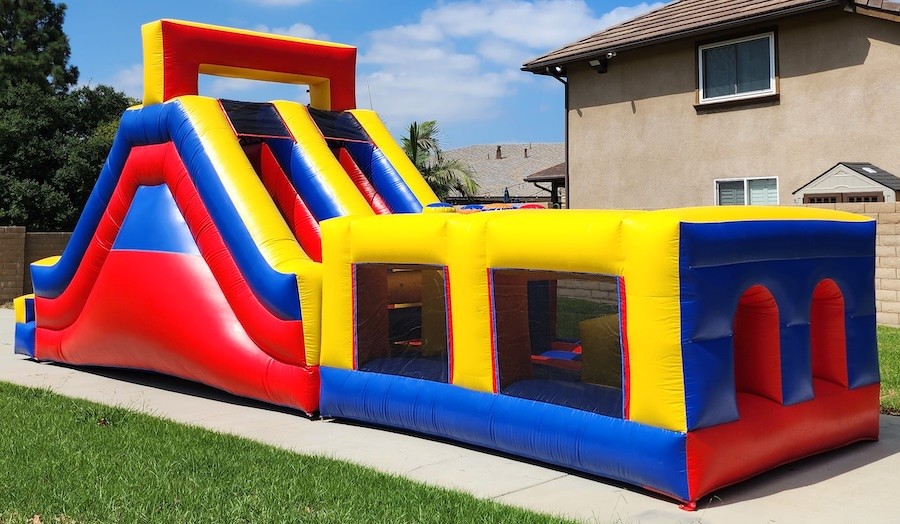
A standard 13-by-13 bounce house rented primarily for backyard birthday parties, with perhaps 80 to 100 rental days per year, will typically hold up well for seven to ten years with proper care. The stress on seams, floors, and blower connections is moderate, and the unit spends most of its time in storage between events. Compare that to a 50-foot obstacle course that goes out to school carnivals, corporate picnics, and community festivals three or four times per week during peak season. That unit might accumulate the equivalent wear of several years of lighter use in a single busy summer. For planning purposes, many experienced fleet operators assign a shorter practical life to high-frequency, high-traffic units and a longer one to units that see lighter, more controlled use.
Combo units, which combine a bounce area with a slide and sometimes a climbing wall, fall somewhere in the middle. They are popular because they serve a wider range of events, but the additional features mean more seams, more attachment points, and more components that can wear independently. Waterslide units add the complication of water exposure, which accelerates wear on stitching and vinyl if the unit is not dried and stored correctly after every use.
For fleet planning, it helps to track actual rental days per unit rather than relying solely on calendar years. A unit that has completed 300 rental days has experienced very different wear than one that has completed 150, even if both were purchased in the same year. This kind of usage tracking also gives you better data when you are negotiating warranty claims or evaluating whether a repair investment makes sense relative to the unit's remaining useful life.
Storage, Climate, and AZ Heat: Factors That Accelerate Wear
Arizona's climate creates specific challenges for commercial inflatable operators that fleet owners in cooler, more temperate states do not face to the same degree. Heat is the primary concern. Prolonged exposure to high temperatures degrades the PVC and vinyl materials used in most commercial inflatables, causing them to become brittle, lose flexibility, and develop stress cracks at seams and fold points over time. Storing units in an uncooled warehouse or trailer during an Arizona summer, where interior temperatures can exceed 130 degrees Fahrenheit, meaningfully shortens the practical life of the material.
Climate-controlled storage is not always practical for every fleet operator, particularly those just starting out, but even partial mitigation helps. Keeping units out of direct sunlight, using reflective covers on storage containers, and ensuring adequate airflow can reduce thermal stress between rental seasons. Some operators in the Phoenix and Tucson markets factor the cost of climate-controlled storage directly into their unit acquisition and operating cost models, treating it as a necessary expense to protect asset life rather than an optional upgrade.
UV exposure compounds the heat problem. Arizona's intense sun fades colors, weakens surface coatings, and accelerates the breakdown of the outer vinyl layer. Units that spend time set up outdoors during long summer events are exposed to both heat and UV simultaneously. Using manufacturer-recommended UV protectant sprays and limiting unnecessary outdoor setup time during the hottest parts of the day are practical steps that extend material life.
Dust and debris are also more significant concerns in Arizona than in many other markets. Fine particulate matter works its way into blower intakes, seams, and storage folds, creating abrasion points that gradually weaken material over hundreds of rental cycles. Thorough cleaning and inspection after every rental, combined with proper folding and storage techniques, are the most reliable ways to prevent premature wear from environmental factors. The ASTM F24 Committee on Amusement Rides and Devices publishes safety and maintenance standards for inflatable amusement devices that provide a useful framework for establishing your own inspection and care protocols.
Building a Fleet Refresh Schedule Around Depreciation Milestones
The most practical use of depreciation planning for an AZ fleet owner is not just tax optimization. It is building a reinvestment schedule that keeps your fleet competitive, safe, and revenue-generating without creating cash flow crises when multiple units need replacement at the same time.
A staggered acquisition strategy helps here. If you purchase all of your units in the same year, they will all reach the end of their practical useful life at roughly the same time, creating a large capital outlay in a single season. Spreading purchases across two or three years means your fleet refresh cycle is also spread out, with one or two units rotating out and being replaced each year rather than an entire fleet at once.
Depreciation milestones can serve as natural decision points. When a unit reaches the end of its MACRS recovery period and is fully depreciated on your books, that is a good time to conduct a thorough condition assessment. If the unit is still generating reliable rental revenue with minimal repair costs, continuing to operate it is essentially pure margin contribution since the capital cost has already been recovered through depreciation. If the unit is showing significant wear, requiring frequent repairs, or starting to look dated compared to newer themed options in the market, the depreciation milestone is a logical trigger for replacement.
Warranty terms from your inflatable manufacturer are another input to this planning. Most commercial inflatables carry warranties ranging from one to three years on materials and stitching, with blowers often covered separately. Understanding what is covered and for how long helps you anticipate when out-of-pocket repair costs are likely to increase, which in turn informs your replacement timing. When evaluating wholesale or commercial unit purchases, ask vendors specifically about warranty coverage, parts availability, and whether replacement blowers and repair materials are stocked domestically to avoid long lead times.
If you are building or expanding a fleet in Arizona and want to explore commercial inflatable options with the unit specs, sizing details, and pricing information that support long-term fleet planning, the team at Jump High Rentals is happy to discuss bulk pricing and inventory options. You can also browse the rentals catalog to get a sense of the unit types and configurations available, and visit the guides section for additional resources on fleet operations and event planning in the Southwest market.
This article is for general educational purposes only and does not constitute tax, legal, or financial advice. Depreciation rules, deduction limits, and state conformity provisions change regularly. Consult a qualified tax professional for guidance specific to your business and filing situation.