
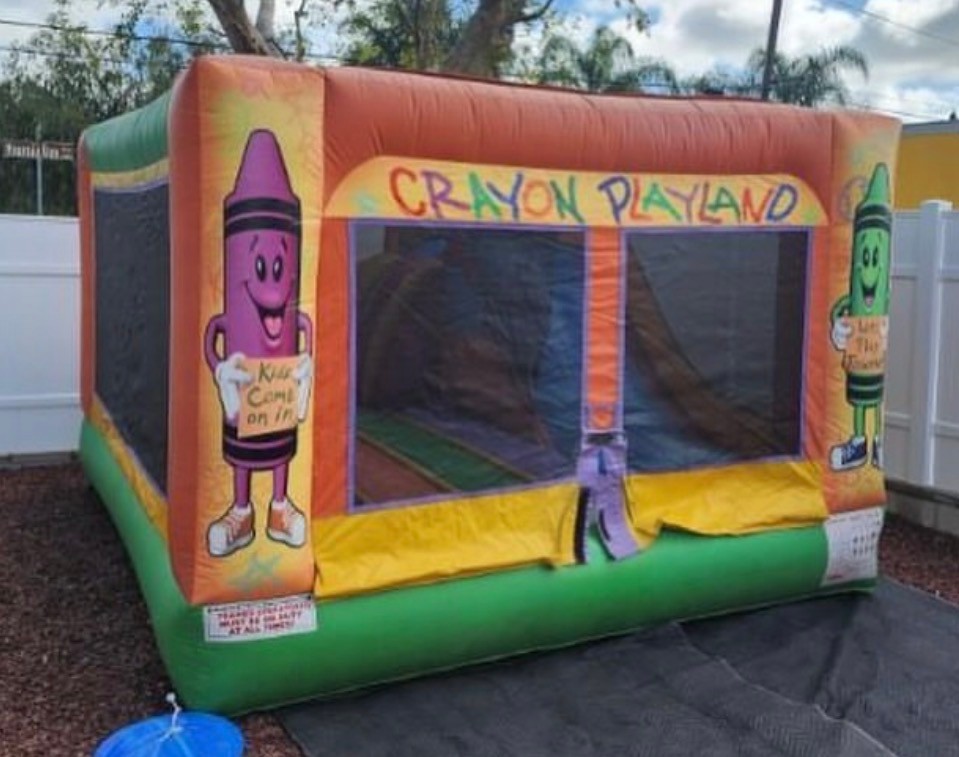
Orange County summers are genuinely beautiful, but they come with real heat. Afternoon temperatures in inland cities like Anaheim, Orange, and Yorba Linda regularly climb past 90°F from June through September, and coastal areas that feel mild in the morning can still warm up fast once the sun is high. When you add an inflatable bounce house to that equation, with kids jumping hard in direct sunlight, the heat load on young bodies rises quickly.
The good news is that you do not have to choose between canceling the inflatable and hoping for the best. With some deliberate scheduling, a little shade planning, and a simple rotation system, a bounce house can absolutely be part of a safe and enjoyable summer party in Orange County. This guide walks you through each piece of that plan so you can feel confident heading into your event.
Why OC Summer Heat Deserves Extra Planning Before Your Party
Southern California heat is not the same as a warm day in a milder climate. Orange County sits in a region where dry heat, strong sun angles, and occasional Santa Ana wind conditions can combine to make outdoor temperatures feel more intense than the thermometer suggests. For children who are running, jumping, and playing hard, that intensity matters.
Kids are more vulnerable to heat stress than adults for a few reasons. Their bodies generate more heat relative to their size during physical activity, they sweat less efficiently, and they are often too focused on having fun to notice early warning signs of overheating. A bounce house in full afternoon sun can also trap and radiate heat from its vinyl surface, raising the temperature inside the unit above the ambient air temperature outside.
None of this means bounce houses are unsafe in summer. It means they require the same thoughtful planning you would give any outdoor activity in warm weather. Parents who go into the party with a clear schedule, a shade plan, and a rotation system in place are the ones who end the day with happy, healthy kids and great memories.
The Best Times to Schedule Bounce House Use on a Hot Day
Timing is the single most effective tool you have for managing heat at a summer party. The hottest window of the day in Orange County typically runs from about 11 AM to 3 PM, when the sun is at its highest angle and surfaces have had time to absorb and radiate heat. Scheduling your bounce house use outside that window makes a significant difference.
If your party starts in the morning, plan for the inflatable to be the first big activity. Getting kids on the bounce house before 10 AM means cooler air temperatures, less intense sun, and surfaces that have not yet had hours to heat up. Morning parties also tend to wrap up naturally before the hottest part of the day begins.
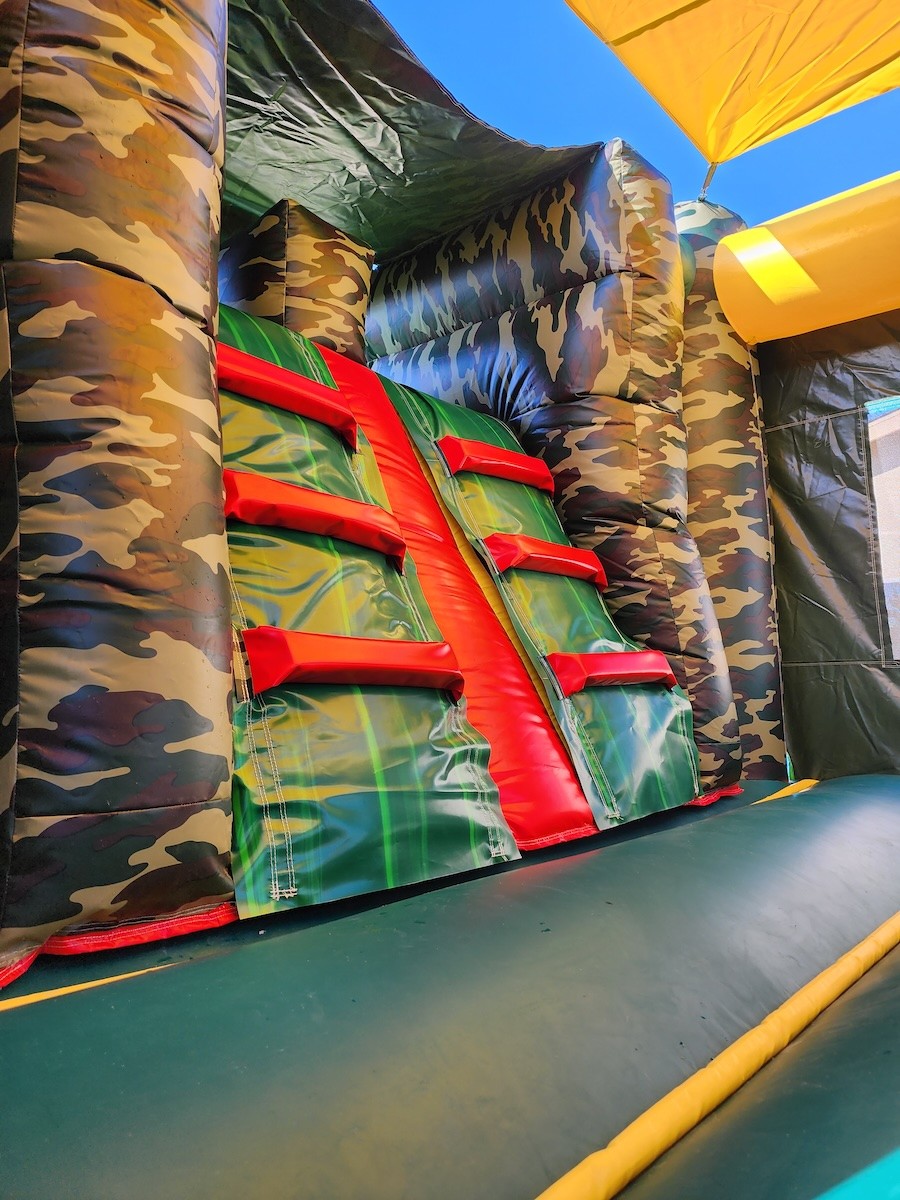
For afternoon or early evening parties, the strategy flips. Save the bounce house for after 4 PM when the sun angle drops and temperatures begin to ease. Many families in Orange County find that a 4 PM to 7 PM party window works beautifully in summer because the heat is fading, kids are energized, and the inflatable can run through the cooler evening hours.
If your event runs through the midday heat window and you cannot avoid it, plan for the inflatable to be paused during peak hours. Set up a shaded rest area with snacks and games, let the bounce house sit idle from roughly 11 AM to 2 PM, and then reopen it as temperatures drop. Kids will actually appreciate the break, and parents will feel better about the safety of the activity.
Shade, Surface, and Setup: Reducing Heat Before Kids Arrive
Where you place the bounce house in your yard matters almost as much as when you use it. A unit sitting in full afternoon sun will be noticeably hotter than the same unit positioned under a tree canopy or next to a shaded wall. When you are thinking through your yard layout before delivery day, look for the spots that receive shade during the hours your party will be running.
Natural shade from mature trees or the shadow of a house or fence is the best option. If your yard does not have natural shade in the right spot, a pop-up canopy or shade sail positioned near the bounce house can reduce direct sun exposure meaningfully. You do not need to cover the entire unit, but blocking the angle of the sun during peak hours helps keep the vinyl cooler and the interior more comfortable.
Surface choice also plays a role. Grass stays cooler than concrete or asphalt because it does not absorb and re-radiate heat the same way hard surfaces do. If your bounce house will be set up on a lawn, consider lightly watering the grass the evening before or the morning of the party. That moisture creates a small evaporative cooling effect that can make the surrounding area feel a few degrees more comfortable during setup and early use.
A few other setup details worth thinking through before the party:
- Position the bounce house entrance facing away from the strongest sun angle if possible.
- Set up a shaded rest zone nearby with chairs, a cooler of drinks, and cool wet towels.
- Place a portable misting fan or two at the perimeter of the rest area, not aimed directly at the inflatable, to help cool kids down between turns.
- Keep a spray bottle filled with cool water near the entrance for quick cool-downs as kids exit.
When you book with Jump High Rentals, it is worth mentioning your yard layout and the time of day your party will run. The team can talk through placement options that work with your space and help you think through whether your setup is a good fit for a summer rental.
Rotation and Water Breaks: Keeping Kids Cool During Play
Even with good timing and shade, active kids in a bounce house will generate body heat. A rotation system is the most practical way to manage that. The goal is to keep any individual child from jumping continuously long enough to overheat, while still keeping the energy and fun of the activity going throughout the party.
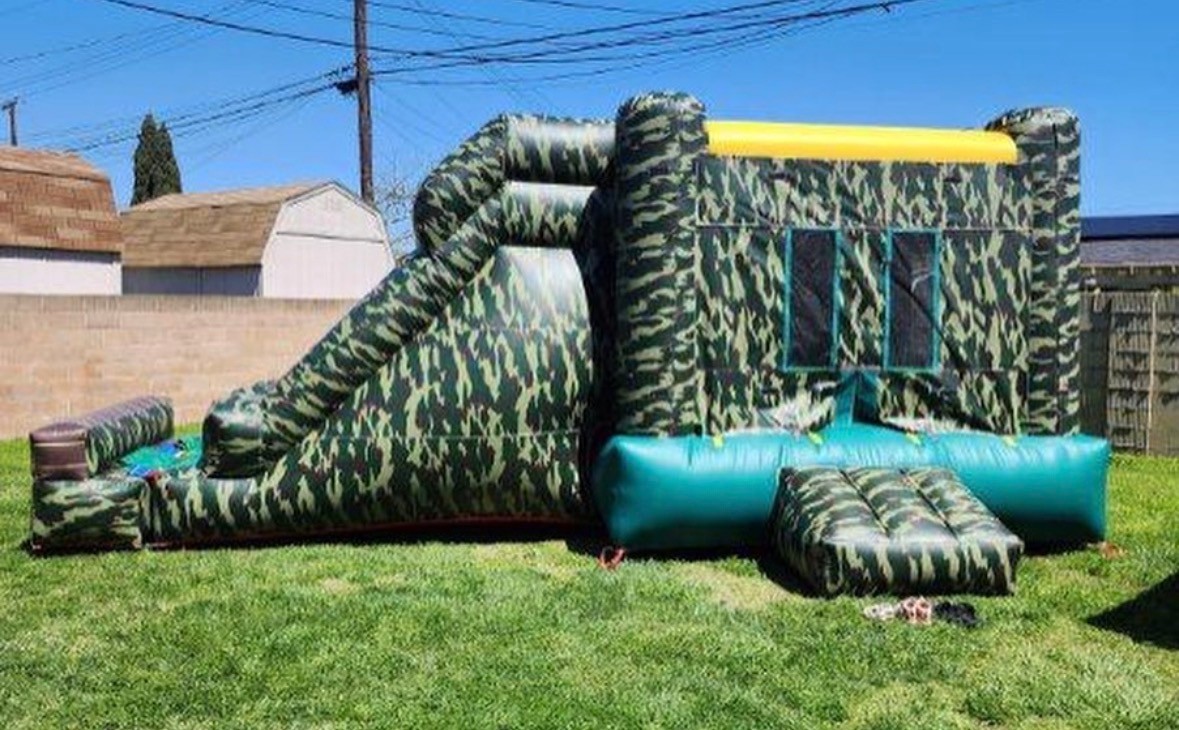
A 15 to 20 minute rotation works well for most groups. Kids jump for a set period, then rotate out to the shaded rest area for a break before coming back in. For younger children or on particularly hot days, shorter rotations of 10 to 12 minutes are a reasonable adjustment. You can use a simple timer on your phone and make the rotation feel like part of the game rather than a rule being enforced.
Hydration should be built into every rotation break. Individual water bottles are easier to manage than a shared cooler at a kids' party, and they make it simpler to encourage each child to actually drink rather than just passing through the rest area. Avoid sugary drinks during active play since they do not hydrate as effectively as water. If the party runs long, a light snack with water content, such as watermelon or cucumber slices, can help with hydration in a way kids genuinely enjoy.
Designating one adult specifically to manage rotation and watch for overheating signs is a practical move for larger parties. When one person is responsible for timing and monitoring, it does not fall through the cracks while other adults are managing food, guests, or younger siblings.
Signs to Watch For and When to Call a Break
Even with good planning, it is important for adults to stay observant throughout the party. Heat affects kids differently depending on their age, size, how much they have had to drink, and how hard they are playing. Knowing what to watch for means you can respond early, before a child becomes seriously uncomfortable.
Signs that a child may need to stop and cool down include flushed or red skin, unusual fatigue or sluggishness, complaints of headache or dizziness, and irritability that seems out of proportion to what is happening. A child who was bouncing enthusiastically and suddenly wants to sit down or seems unsteady should be moved to a cool, shaded area right away and given water.
If a child shows any of those signs, stop their play immediately, move them to shade, offer cool water, and apply a cool wet towel to the back of the neck or wrists. If symptoms do not improve quickly or if a child seems confused, stops sweating despite the heat, or loses consciousness, call 911 and follow emergency guidance. This article is not medical advice, and any serious concern about a child's health during your event should be treated as a medical situation.
For most well-managed summer parties, these precautions are about awareness rather than expectation. Parents who plan ahead, build in breaks, and keep an eye on the kids throughout the event are setting up a party that is both fun and genuinely safe.
When you are ready to book your summer rental, reach out to Jump High Rentals to talk through your yard layout, your party timing, and which inflatable makes the most sense for your space. A little conversation before delivery day goes a long way toward making the whole event run smoothly.