
What Happens When the Delivery Crew Arrives
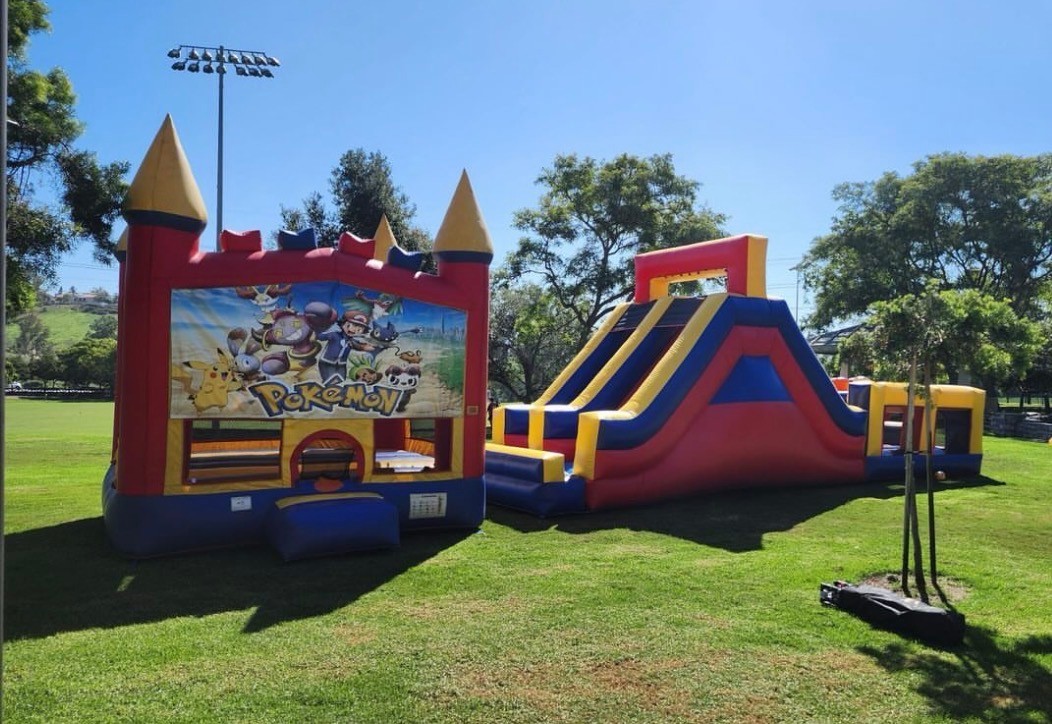
If you have never rented an inflatable before, it is easy to picture the process as something simple: a truck pulls up, someone unloads a big colorful bag, and the bounce house magically appears in your backyard. The reality is a little more involved, and understanding what actually happens helps you prepare your space, your schedule, and your guests for a smooth event day.
When the Jump High Rentals crew arrives at your Orange County home or venue, the first thing they do is walk the setup area with you. This is not a formality. The crew checks the ground for rocks, sprinkler heads, tree roots, and anything else that could sit under the vinyl and cause problems once the unit is inflated. They also look up, confirming that overhead clearance is clear of low branches, power lines, or patio covers that could interfere with the inflatable's height. For a backyard birthday in a neighborhood like Yorba Linda or Mission Viejo, that walkthrough often takes just a few minutes, but it sets the foundation for everything that follows.
After the site check, the crew carries the rolled or folded inflatable to the setup spot. Larger units, especially obstacle courses and tall waterslides, are heavier than most people expect, and the crew handles all of that lifting and positioning. You do not need to move furniture, clear a path through the house, or recruit neighbors to help. The crew brings the equipment and the muscle. Your job at this stage is simply to be available to confirm the placement spot and point them toward the nearest power outlet.
Once the unit is positioned, the crew lays it flat and begins connecting the blower. The blower is the motor that keeps the inflatable pressurized throughout your rental. It runs continuously during use, which is why a reliable power source nearby matters so much. The crew will also seal any air drain ports on the inflatable before inflation begins, a step that keeps the structure firm and safe once kids are inside.
How the Inflatable Gets Anchored and Inflated
Anchoring is one of the most important parts of the setup process, and it is also one of the least visible to guests. Once the inflatable is in position and connected to the blower, the crew secures it to the ground using stakes, sandbags, or anchor straps depending on the surface type. On grass or dirt, long metal stakes are driven into the ground through anchor loops built into the base of the unit. On concrete, asphalt, or pavers, sandbags or weighted straps take the place of stakes, since driving into a hard surface is not an option.
The goal of anchoring is to keep the inflatable from shifting or lifting during use. Even on a calm Southern California afternoon, a fully inflated bounce house or waterslide can catch wind, and proper anchoring is what keeps it in place. Jump High's crew follows anchoring practices consistent with industry safety standards, including guidelines developed by organizations like the ASTM F24 committee, which sets benchmarks for inflatable amusement devices in the United States. For parents, the practical takeaway is simple: the crew does not just inflate and walk away. They make sure the unit is secure before anyone climbs in.
Inflation itself takes anywhere from a few minutes to about fifteen minutes depending on the size of the unit. A standard bounce house fills quickly. A large combo unit with a climbing wall and slide, or a multi-lane obstacle course, takes longer. The crew monitors the inflation and checks the structure for firmness before giving the all-clear for use. If you have booked a waterslide or combo unit for a summer party, the crew will also connect the water supply line at this stage and confirm the flow before stepping back.
Power, Space, and Surface: What to Prepare in Advance
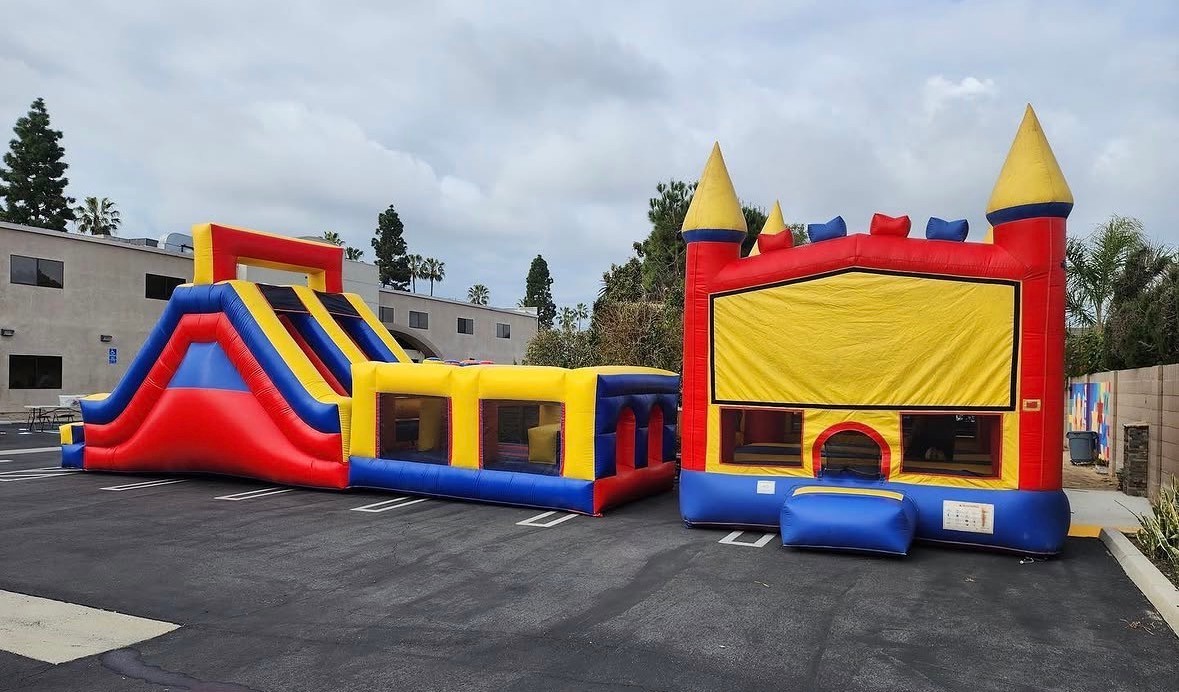
The setup crew handles the heavy work, but there are a few things you can do before they arrive that make a real difference. The most important is confirming your power situation. Standard inflatables require a working electrical outlet within roughly 100 feet of the setup location. If your backyard outlet is farther away, or if you are hosting at a park or church with limited power access, a generator may be needed. Jump High can walk you through options when you book, and the power and extension cord guide on the guides page covers the specifics in more detail.
Space is the other big variable. Every inflatable has a footprint that includes not just the unit itself but the clearance needed around it for safe use and anchoring. Before your delivery day, measure the area where you plan to set up and compare it to the dimensions listed for your rental. Many Orange County backyards have side-yard access gates, patio furniture, or landscaping features that can affect where the unit fits. If your yard has a slope, that matters too, since inflatables need a reasonably level surface to sit safely. The sloped backyard guide is a helpful read if your yard is not perfectly flat.
Surface type affects anchoring method, as mentioned above, but it also affects how the crew prepares the ground. On grass, the crew may lay a tarp or ground cover under the vinyl to protect both the inflatable and your lawn. On concrete or pavers, they confirm the surface is clean and clear of debris before positioning the unit. If you are hosting at a park or community space, check whether the venue requires a permit or has specific rules about staking into the ground. Events at Irvine parks, for example, often involve permit requirements that affect setup logistics. The Irvine park permit guide covers what to expect for those venues.
One more thing worth doing before the crew arrives: clear the path from your gate or driveway to the setup area. The crew will carry equipment through whatever access point is available, and a clear path saves time and prevents accidental damage to plants or furniture along the way.
How Takedown Works at the End of Your Rental
Takedown is essentially the setup process in reverse, and the crew handles all of it. When your rental window ends, the crew returns to the site, asks guests to exit the inflatable, and begins the shutdown sequence. First, the blower is powered off. As the motor stops, the inflatable begins to deflate on its own. The crew helps guide the deflation by opening air drain ports and gently pressing air out of the vinyl as it collapses.
Once the unit is fully deflated, the crew folds and rolls it according to a specific pattern that protects the vinyl and makes transport easier. Stakes or sandbags are removed and collected. The water supply line is disconnected on wet units. The crew does a final check of the area to make sure nothing is left behind, including stakes, straps, or any accessories that came with the rental.
The full takedown process for a standard bounce house typically takes twenty to thirty minutes. Larger units like obstacle courses or tall waterslides may take a bit longer. Either way, you do not need to be involved in the physical work. Your role is to make sure the area is accessible when the crew arrives and that guests have cleared the inflatable before shutdown begins.
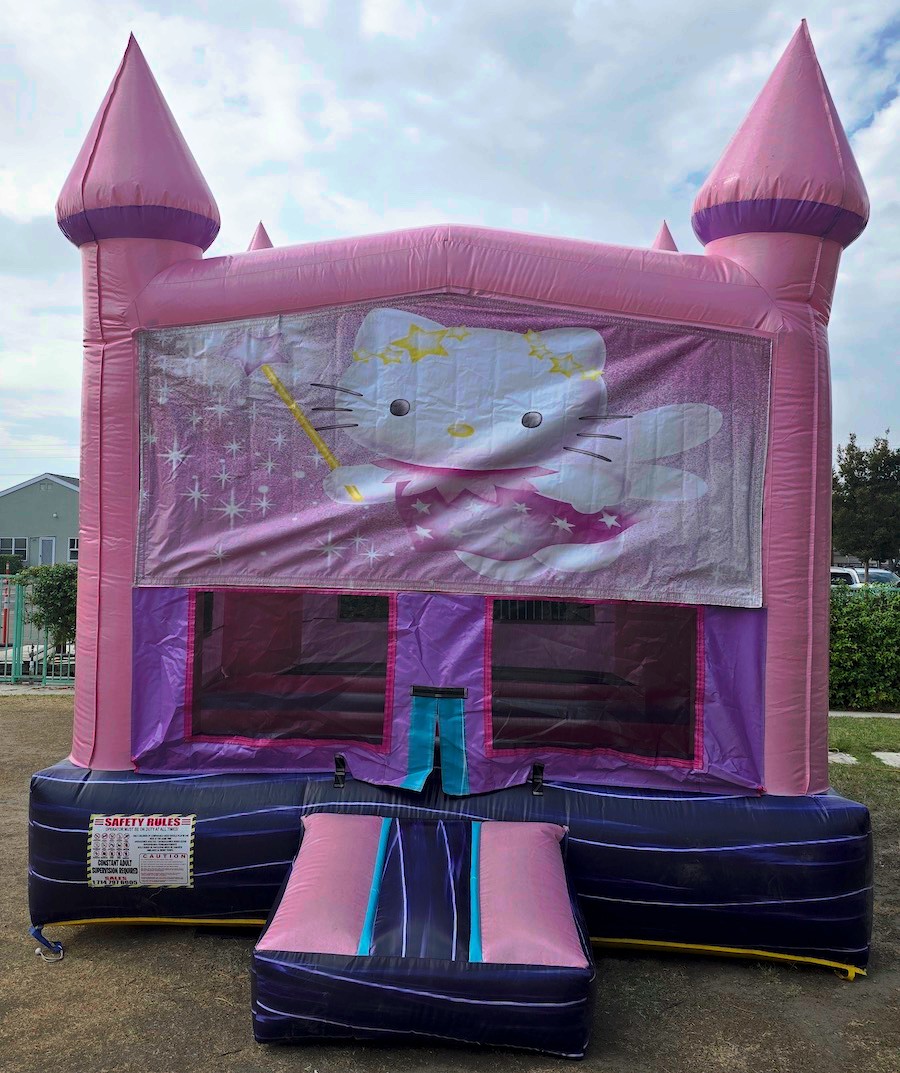
One practical note: if your party runs long and guests are still using the inflatable when the crew arrives, let the crew know as soon as possible. Most rental agreements include a specific pickup window, and the crew's schedule for the rest of the day depends on staying close to that window. Communicating early is always easier than a last-minute scramble.
Questions to Ask Before Your Setup Day
Going into delivery day with a few key questions already answered makes the whole experience smoother. When you book with Jump High, the team is happy to walk through setup details in advance, and the FAQ page covers many of the most common questions. A few worth confirming before your event include the following.
Ask about the arrival window. Delivery crews work a schedule that accounts for multiple events in a day, and knowing your estimated arrival time helps you plan when to have the setup area cleared and ready. Ask whether the crew needs you present during setup or if a responsible adult can meet them. Ask about the surface type at your venue and whether any special anchoring equipment is needed. If you are hosting at a park, school, or HOA common area, ask whether the company carries the documentation that venue coordinators typically request.
Also ask about what happens if something unexpected comes up on setup day, such as a power issue, a surface problem, or weather that affects the plan. Knowing the company's process for handling those situations gives you confidence that the day will not fall apart over a single complication.
For parents planning a first rental, the most reassuring thing to know is that a professional crew has done this hundreds of times. They have seen tight backyards, tricky gate access, and last-minute surface changes. The more information you share when you book, the better prepared they will be to handle whatever your specific venue presents.
Ready to Book?
Understanding the setup and takedown process is one of the best ways to feel confident going into your rental. When you know what the crew does and what you need to prepare, delivery day becomes one less thing to worry about and more of a moment to look forward to.
Browse the full selection of bounce houses, waterslides, combo units, and obstacle courses on the Jump High rentals page, and reach out through the contact page to confirm your date, discuss your setup area, and get any remaining questions answered before your event. The crew is ready to handle the hard part so you can focus on the party.