
Commercial Inflatable Freight Shipping Guide for WY Buyers
If you're building a bounce house rental fleet in Wyoming, the purchase price on a commercial-grade inflatable is only part of the equation. Freight costs, carrier availability, and delivery logistics can add hundreds of dollars per unit to your landed cost, and in a state with long distances between population centers and limited LTL (less-than-truckload) service options, those numbers deserve serious attention before you place an order.
This guide walks you through what Wyoming buyers need to know: from reading a freight quote to inspecting a delivery, choosing specs that keep shipping costs manageable, and planning your first-season inventory around realistic storage and logistics constraints. Use Jump High's rental catalog as a practical reference for unit sizing and real-world specs before you commit to a wholesale purchase.
Why Freight Costs Hit Harder for WY Inflatable Buyers
Wyoming's geography works against you in a few specific ways when you're sourcing commercial inflatables. Most major inflatable manufacturers and wholesale distributors are located in coastal states or ship from ports in California, Texas, or Florida. From those origin points, Wyoming is a long haul with limited direct carrier options, especially if your business is based in a smaller market like Riverton, Cody, or Torrington rather than Cheyenne or Casper.
LTL freight, which is how most commercial inflatables ship, is priced by weight, dimensions, and freight class. Wyoming's rural zip codes often carry residential delivery surcharges, limited-access fees, or extended delivery area charges that don't appear on the initial quote. A unit quoted at $350 to ship from a California warehouse might land closer to $550 or $600 once those surcharges are applied. That gap is real money when you're buying three to five units to start a fleet.
Fuel surcharges compound the problem. Carriers adjust these weekly or monthly, and a quote you received in March may not reflect what you'll pay when the shipment actually moves in May. Always ask vendors to lock in the freight quote or clarify how long it's valid. Some wholesale inflatable suppliers build freight into their pricing; others quote it separately. Knowing which model you're working with prevents surprises at checkout.
The remoteness factor also affects transit time. A shipment from a Southeast manufacturer to a Wyoming address can take seven to fourteen business days by standard LTL. If you're planning to open your rental season around Memorial Day weekend, ordering in late April is too late. Build at least three to four weeks of lead time into your inventory planning, and add a buffer week for inspection and any minor repairs before units go out on their first rental.
How to Read a Commercial Inflatable Freight Quote
A freight quote for commercial inflatables will typically include several line items that aren't always self-explanatory. Understanding what you're looking at helps you compare vendors accurately and negotiate where there's room to do so.
The base rate is calculated from the freight class, which for commercial inflatables usually falls between Class 85 and Class 150 depending on density. Lighter, bulkier units (think large obstacle courses or wide combo units) tend to land in higher freight classes and cost more to ship per pound than denser, compact units. Ask your vendor what freight class they use when quoting, and verify it matches the actual dimensions and weight of the packed unit.
Dimensional weight (also called DIM weight) is another factor. Carriers charge based on whichever is greater: actual weight or dimensional weight. A commercial waterslide packed into a large crate might weigh 280 pounds but have a DIM weight of 400 pounds based on its cubic footage. You pay for the higher number. This is one reason why how a vendor packs and crates their units matters beyond just protection from damage.
Accessory fees to watch for include liftgate service (required if your delivery address doesn't have a loading dock, which is most residential or small-business locations), inside delivery, and notification calls. Liftgate alone typically adds $75 to $150. If you're receiving at a storage unit or small warehouse without a dock, budget for it.
When comparing quotes from multiple vendors, ask each one to provide a fully landed cost estimate to your specific zip code, including all surcharges. A vendor with a lower unit price but higher freight costs may not be the better deal. The guides hub has additional context on commercial inflatable specs and sizing that can help you evaluate what you're actually buying before the freight conversation even starts.
Crating, Packaging, and Damage Claims on Delivery
Commercial inflatables are large, heavy, and expensive. How a vendor packages them for freight directly affects whether they arrive in rentable condition. This section matters more than most buyers realize until they've had a bad delivery experience.
Quality wholesale vendors ship commercial inflatables on pallets with corner protection, shrink wrap, and often a cardboard or wooden crate around the blower and any metal hardware. Blowers are particularly vulnerable: a loose blower bouncing around inside a soft bag during a cross-country LTL haul can arrive with cracked housings or damaged impellers. Ask vendors specifically how blowers are packed and whether they're separated from the inflatable body during shipping.
When your delivery arrives, inspect it before the driver leaves. This is not optional. If you sign a clean delivery receipt and later discover damage, filing a successful freight claim becomes significantly harder. Walk around the pallet or crate and look for punctures, crushed corners, moisture damage, or evidence that the shipment was dropped or impacted. If you see anything suspicious, note it on the delivery receipt in writing before signing. Photograph everything.
If damage is found after the driver has left, you typically have a short window (often three to five business days) to file a concealed damage claim with the carrier. Document the damage thoroughly with photos and contact both the carrier and the vendor immediately. Most reputable commercial inflatable suppliers will work with you on claims, but the process moves faster when you have clear documentation from delivery day.
Crating costs are sometimes passed through to the buyer as a line item. A basic pallet with shrink wrap might add $30 to $60 per unit. A full wooden crate for a large waterslide or obstacle course can add $150 to $300. Factor this into your landed cost calculation, and consider it money well spent compared to the cost of repairing or replacing a damaged unit before it's ever been used.
Sizing and Spec Decisions That Affect Shipping Costs
The units you choose for your Wyoming fleet affect not just what you can offer customers, but what you'll pay to get them there. Larger units cost more to ship, take up more storage space, and require more setup time on delivery day. Smaller, more compact units are cheaper to freight and easier to manage with a small crew, but they may limit your ability to serve larger events or charge premium rates.
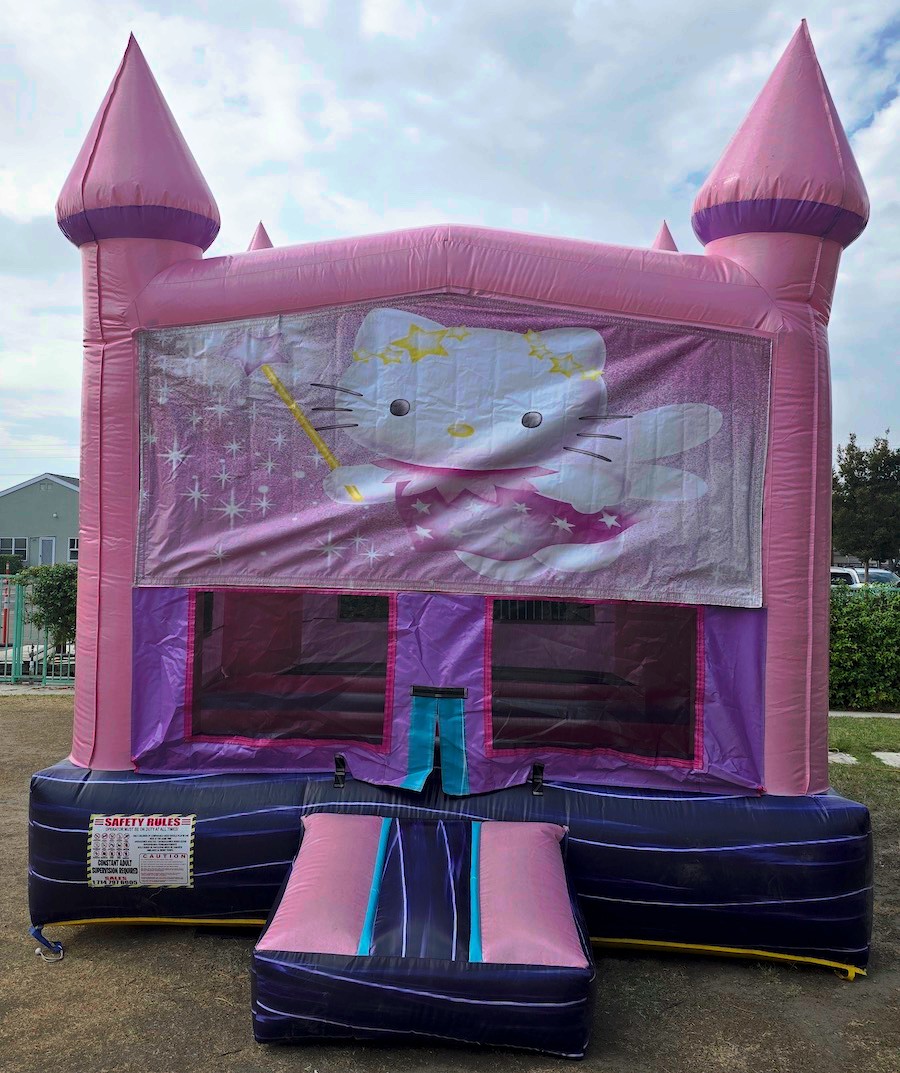
A standard 13-by-13-foot bounce house packs down to a relatively manageable size and ships at a lower freight class than a 40-foot obstacle course or a tall commercial waterslide. For a Wyoming startup building its first fleet, starting with mid-size combo units (bounce house with a slide attached, typically 15 by 15 feet or 18 by 18 feet) often makes more sense than going straight to specialty large-format units. You get versatility for different event sizes without the freight penalty of the biggest units.
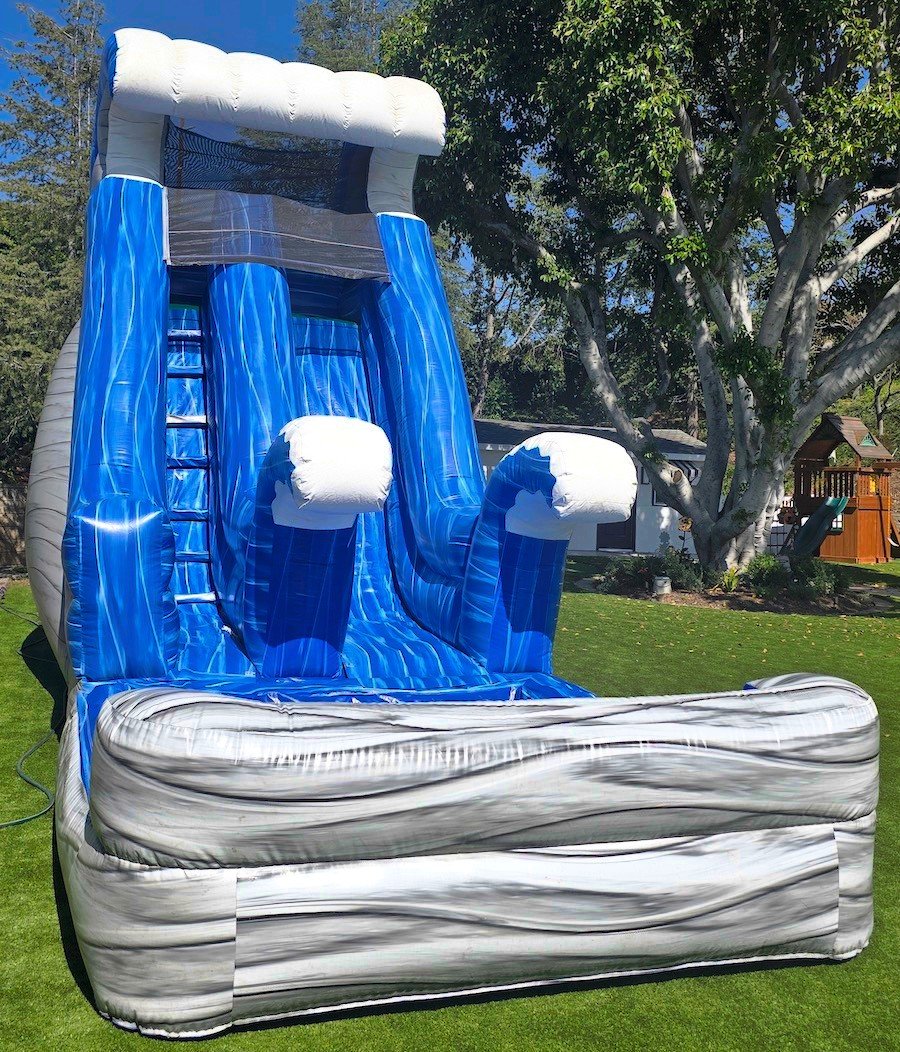
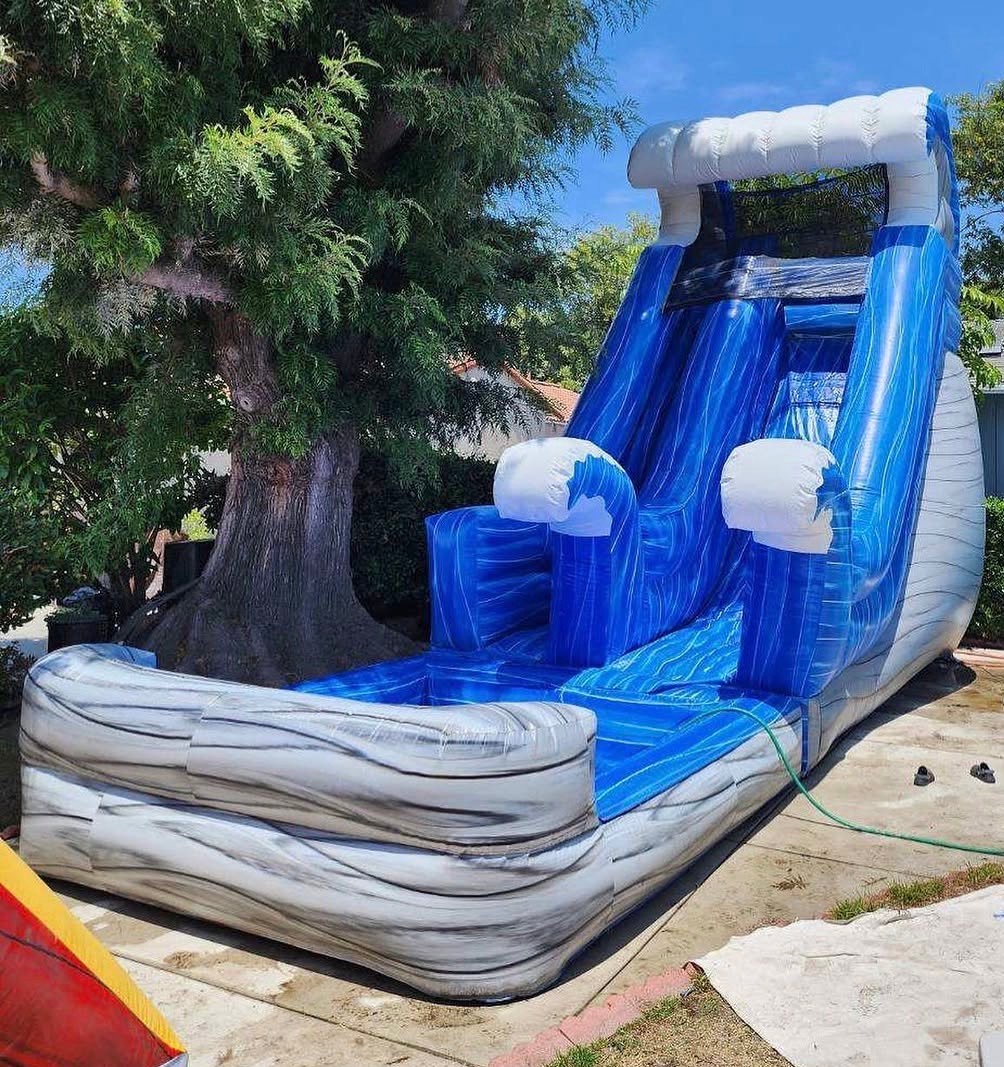
Waterslides deserve special attention in the freight calculation. Tall slides with long run-outs can have packed dimensions that push them into higher freight classes and may require specialized handling. If waterslides are part of your first-season plan, get freight quotes on specific models before committing, not just a general estimate. The difference between a 15-foot slide and a 20-foot slide in shipping cost can be significant.
Blower specs also affect shipping weight. Commercial blowers in the 1.5 HP to 2 HP range are standard for most bounce houses and combo units. Larger units may require 1.5 HP dual-blower setups or 3 HP blowers, which add weight and require more careful packing. Verify blower requirements with the vendor and confirm that the blower ships with the unit rather than separately, which can create two freight charges.
For context on how real rental units are sized and configured for different event types, browsing a working rental catalog like the one at Jump High Rentals gives you a practical frame of reference before you finalize your wholesale order.
Planning Your WY Storage and First-Season Inventory
Wyoming's rental season has a narrower window than coastal markets. Outdoor inflatable demand peaks between late May and early September, with some shoulder activity around school events and fall festivals. That means your inventory needs to be in place, inspected, and ready before the season opens, and it needs to be properly stored for six or more months of the year.
Storage requirements for commercial inflatables are straightforward but non-negotiable. Units must be stored dry, away from rodents, and in temperatures that don't allow prolonged freezing of the vinyl material. A climate-controlled storage unit or a dry warehouse bay is ideal. Budget for storage costs as part of your annual operating overhead, not as an afterthought.
For a first-season Wyoming fleet, three to five units is a reasonable starting point. A mix of two standard bounce houses, one combo unit, and one waterslide covers most of the event types you'll encounter: backyard birthdays, school field days, church picnics, and small community events. This range also keeps your initial freight spend manageable while you learn your local market's demand patterns.
Ordering all units in a single shipment, if your vendor allows it, can reduce per-unit freight costs through consolidation. Some wholesale suppliers offer freight discounts on multi-unit orders. Ask specifically whether consolidating your order onto one pallet or one truck reduces your total shipping cost, and get that in writing before you finalize the purchase.
Your FAQ page and contact options are good starting points if you want to talk through how a working Orange County rental fleet approaches unit selection and sizing. Seeing how an established operator structures their inventory can save a Wyoming startup from costly first-season mistakes, whether that's over-ordering large-format units or under-investing in the combo units that drive the most bookings.
Freight is a cost of doing business in Wyoming's inflatable rental market, but it doesn't have to be a surprise. Get landed cost quotes, inspect every delivery, choose specs that balance versatility with shipping efficiency, and plan your storage before the units arrive. That's how you protect your investment from the first pallet to the first booking.