
Why HOAs Care About Bounce House Rentals
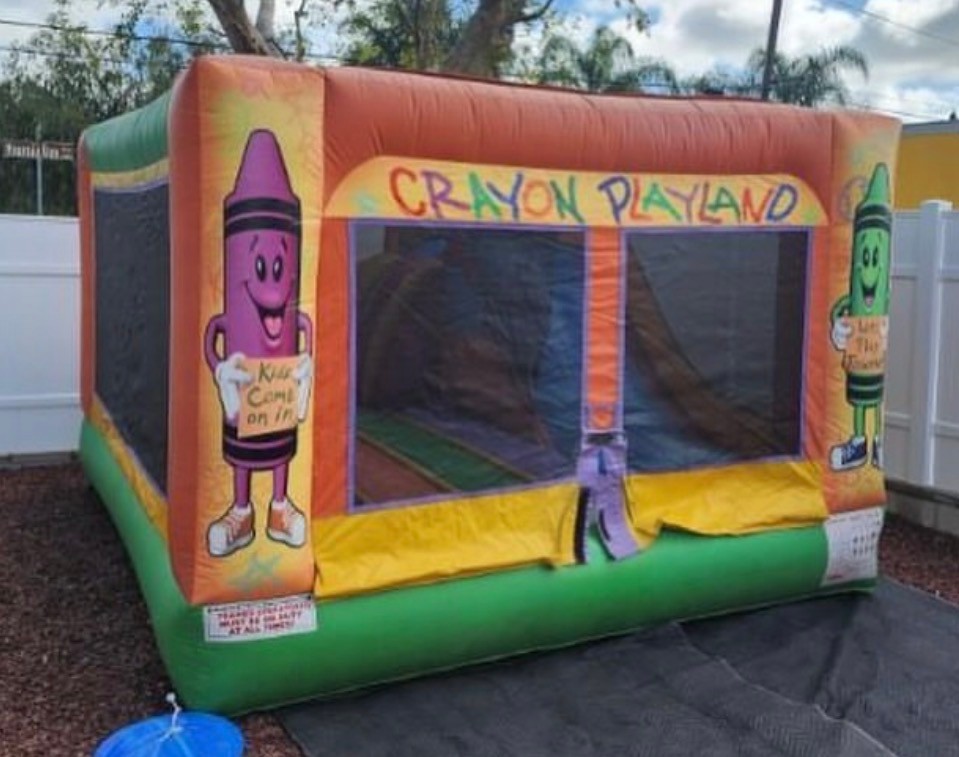
If you live in an HOA-governed community in California, you already know that your board keeps a close eye on anything that changes the look or feel of the neighborhood, even temporarily. A bounce house parked in your front yard or backyard for an afternoon falls squarely into that category. Understanding why your HOA pays attention to this helps you walk into that conversation prepared rather than defensive.
The most common HOA concerns come down to a handful of practical issues. Noise is a big one, especially in communities with shared walls or close-together lots. A blower motor running for four to six hours is not silent, and kids having a great time are even louder. Parking is another pressure point, because a delivery truck needs room to maneuver, and your guests need somewhere to park without blocking neighbors. Then there is the question of shared spaces: if you are planning to set up in a common area rather than your private yard, the board has a direct stake in what happens there.
Some HOAs in California also have specific rules about commercial vendors entering the community, which a rental delivery counts as. Others have quiet-hour ordinances or rules about structures that exceed a certain height. None of this means you cannot have a bounce house. It means you need to show up to the conversation knowing what questions are likely to come up, and with answers ready.
What Information to Gather Before You Contact Your HOA
Before you send a single email to your board, spend a few minutes pulling together the details that will make your request easy to evaluate. HOA boards respond much better to a clear, specific request than to a vague "I want to rent a bounce house for my kid's birthday." The more concrete you are, the faster you are likely to get a response.
Start with your CC&Rs (the community's Covenants, Conditions, and Restrictions) and any supplemental rules your HOA has distributed. Look for language about temporary structures, commercial deliveries, noise, and events. You may find that bounce houses are explicitly addressed, or you may find nothing at all, which is actually useful information too. If your community has an online portal, check there first before calling the management office.
Next, gather the specifics of your rental. You will want to know the inflatable's dimensions (length, width, and height), the approximate weight when inflated, how it is anchored (stakes in grass, sandbags on hard surfaces, or a combination), and how long the blower motor runs. You will also want to know the delivery window and pickup time, the size of the delivery vehicle, and whether the rental company carries liability insurance. Jump High Rentals provides all of this information upfront, which makes the HOA conversation significantly easier because you are not guessing.
If you are setting up in your private backyard, confirm that the access path (a side gate, for example) is wide enough for the inflatable to pass through. Our sloped backyard setup guide and backyard preparation checklist can help you think through the physical setup before you even talk to your board.
What to Actually Tell (and Send) Your HOA Board
Once you have your information together, a short written request is almost always more effective than a phone call. Boards often need to document approvals, and a written request gives them something to respond to formally. Keep it simple and factual.
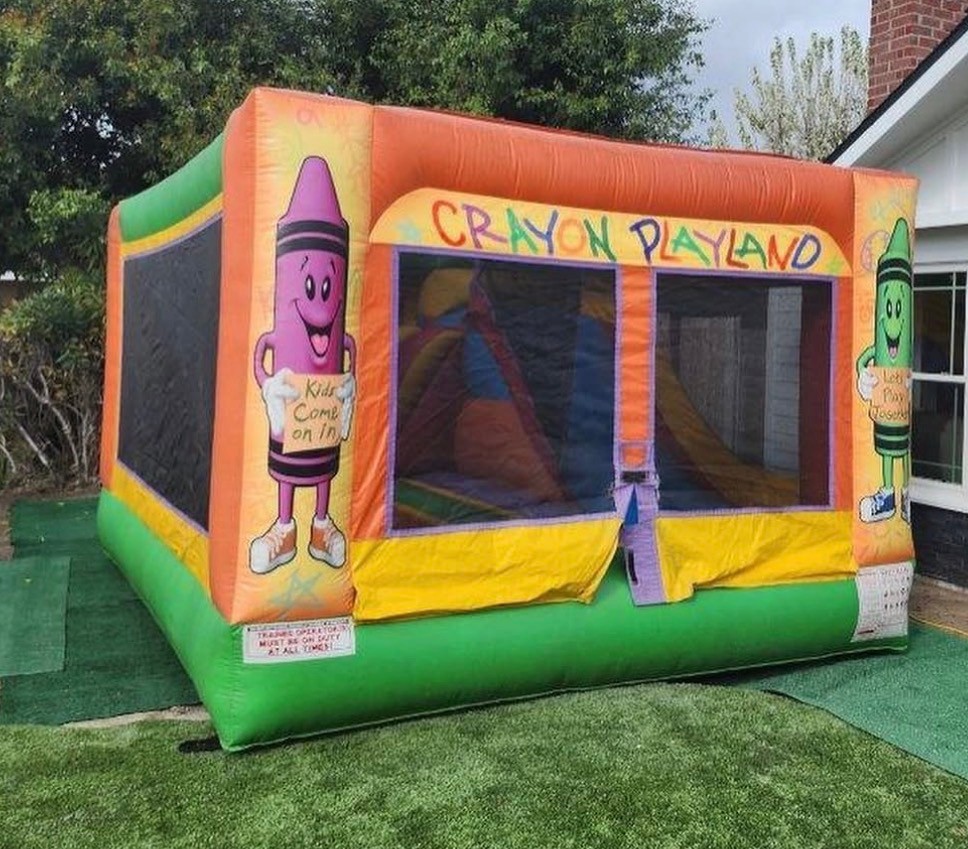
Your message should include the date and time of the event, the location of the setup (your private yard, a specific address, or a named common area), the dimensions and type of inflatable, how it will be anchored, the rental company's name, the delivery window, and the approximate number of guests you expect. If your rental company provides a certificate of insurance or a vendor information sheet, attach it. That single document answers several board questions at once.
You do not need to write a formal legal brief. A friendly, matter-of-fact email that covers the basics is usually enough. Something like: "We are planning a birthday party on [date] from [time] to [time] at our home. We are renting a bounce house from Jump High Rentals. The unit is [dimensions], will be set up in our backyard, and the delivery truck will arrive around [time]. The rental company carries liability insurance. Please let me know if you need any additional information or if there is an approval process I should follow."
If your HOA requires a formal request form or a board vote, ask about the timeline early. Some boards meet monthly, and if your party is three weeks away, you may need to move quickly. For larger events in common areas, also check whether your city or county requires a separate permit. Our guide to inflatable rentals for Irvine park permit events walks through what that process can look like in one OC city, and the general steps apply across many CA municipalities.
Common HOA Concerns and How to Address Them
Even a well-written request can generate follow-up questions. Knowing the most common ones in advance lets you respond quickly and keep the process moving.
Noise is the concern that comes up most often. The honest answer is that an inflatable blower motor produces a steady hum, roughly comparable to a window air conditioner. If your party is during daytime hours and you are wrapping up before evening quiet hours, that is usually a reasonable point to make. Offering to share your party end time and confirming you will follow community quiet-hour rules goes a long way.
Damage to common areas or shared landscaping is another frequent question. If you are setting up in your own yard, clarify that clearly. If you are in a common area, be specific about how the inflatable will be anchored without damaging turf or hardscape. Our bounce house anchoring guide explains the difference between grass stakes and sandbag anchoring, which is useful information to share with a board that is worried about lawn damage.
Some boards ask about capacity and supervision. Sharing the inflatable's posted capacity limit (which Jump High communicates clearly for every unit, as explained in our inflatable capacity limits guide) shows that you are thinking about safety, not just fun. Mentioning that you will have adults supervising the unit at all times also helps.
Parking and traffic concerns are worth addressing proactively. Let your board know approximately how many guests you expect, whether street parking is available, and that the delivery truck will be in and out within a set window rather than parked all day. If your community has a guest parking policy, confirm you are following it.
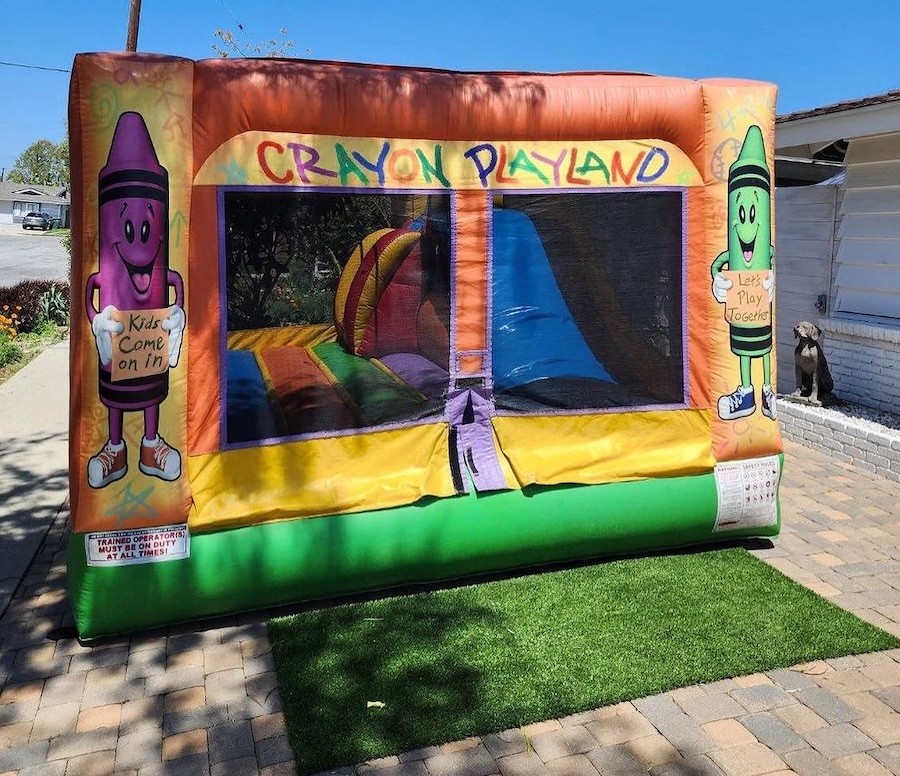
Finally, some HOAs ask whether the rental company is licensed and insured to operate in California. This is a fair question, and it is one Jump High Rentals is prepared to answer. Having the vendor's insurance information ready before the board asks for it signals that you have done your homework.
How Your Rental Company Can Help You Prepare
A good rental company does more than drop off an inflatable and drive away. When you are navigating an HOA approval, having a detail-ready vendor in your corner makes a real difference.
Jump High Rentals provides clear setup specifications for every unit in our rental catalog, including dimensions, anchoring method, power requirements, and weight. If your HOA board asks for a vendor information sheet or proof of insurance, we can help you get what you need. Our FAQ page covers many of the questions boards tend to ask, and our team is available to answer specific questions before you book.
It also helps to choose a unit that fits your space without requiring special accommodations. If your backyard has a narrow gate or a slope, knowing that before you book means you can select the right inflatable the first time. Our power and extension cord guide is another resource worth reviewing, because HOAs sometimes ask about electrical setup, and knowing where your power source is and how it will be managed is a detail boards appreciate.
If you are planning a larger neighborhood event rather than a private backyard party, our HOA block party guide covers the additional coordination steps that come with common-area setups, including how to work with your board rather than around them.
The goal of all of this is a party that goes smoothly from the moment you send your HOA request to the moment the delivery crew picks up the inflatable at the end of the day. Most HOA boards are not trying to prevent you from celebrating. They want to know that you have thought things through, that the vendor is professional, and that the neighborhood will not be disrupted. When you show up with clear information and a cooperative attitude, most of those conversations go better than you might expect.
Ready to book once your HOA gives the green light? Browse Jump High's inflatable lineup and get in touch for a transparent quote with all the setup details your board may ask for.
SEO metadata