
Wet-Dry Combo vs Dedicated Waterslide for TX Fleets
Texas fleet buyers heading into peak season face a question that directly affects utilization rates, storage costs, and revenue per square foot of trailer space: should you stock wet-dry combo units, dedicated waterslides, or a carefully balanced mix of both? The answer depends on your market geography, your customer base, and how you think about depreciation across a unit's working life. This guide walks through the practical differences so you can make a confident inventory decision before summer demand peaks.
What Separates a Wet-Dry Combo from a Dedicated Waterslide
The core distinction comes down to versatility versus performance. A wet-dry combo unit is engineered to operate in both modes. The slide lane is designed with a sealed or semi-sealed channel that accepts a garden hose connection for wet use, and the same unit can run dry when a customer wants a bounce-and-slide experience without water. The bounce chamber is typically integrated into the base, giving you two revenue-generating features in one footprint.
A dedicated waterslide, by contrast, is built entirely around the wet experience. The lane geometry, the splash pool at the base, and the climb structure are all optimized for speed, water flow, and rider throughput. Manufacturers invest more material into the slide lane itself, which often means a taller, longer, or more dramatic ride profile than you can achieve in a combo unit of comparable price. The tradeoff is that a dedicated slide has essentially no dry-season utility unless you are willing to rent it as a dry slide, which most operators avoid because the splash pool and lane design look awkward without water and can create a safety concern if riders expect a slick surface that isn't there.
For TX fleet buyers, this distinction matters most when you are mapping unit purchases to your actual booking calendar. A combo unit earns revenue in April when a school carnival wants a bounce-and-slide but the weather is still mild. A dedicated waterslide earns its keep in June, July, and August when every backyard party in the Dallas suburbs or the Houston metro wants the biggest, wettest slide on the lot. Neither unit is universally superior. The question is which one fills more rental days across your full operating year.
Understanding inflatable capacity limits is also relevant here, because combo units and dedicated slides carry different rider throughput rates that affect how you pitch each unit to event planners booking larger crowds.
Texas Seasonal Demand and How It Shapes Your Unit Mix
Texas has one of the longest viable outdoor inflatable seasons in the country. Spring events begin as early as late February in South Texas and the Gulf Coast corridor, and fall bookings can run through October in the Dallas-Fort Worth and Austin markets. That extended window is good news for fleet utilization, but it also means your unit mix needs to serve a wider range of weather conditions than a fleet operating in, say, the upper Midwest.
The wet-season peak in Texas is concentrated in a roughly 14-week window from late May through late August. During those weeks, dedicated waterslides and combo units with wet capability will be your highest-demand inventory. Corporate picnics, HOA pool parties, church summer camps, and backyard birthday parties all compete for the same units on the same weekends. If you are operating in a market like San Antonio, Austin, or the Houston suburbs, having at least two to three dedicated waterslides in your fleet means you can serve multiple simultaneous bookings without turning away revenue.
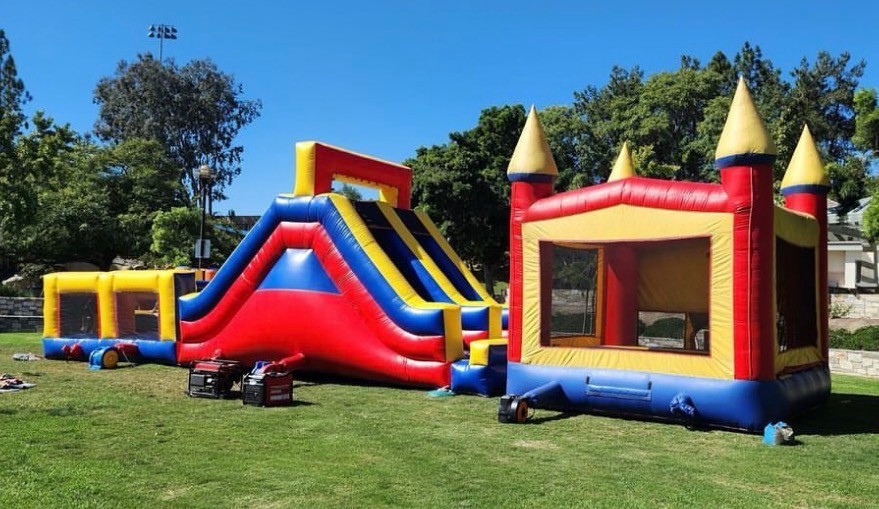
Outside that peak window, combo units carry their weight in ways that dedicated slides cannot. A combo unit booked for a fall festival, a school field day, or a spring carnival generates revenue that a dedicated waterslide sitting in storage does not. Fleet operators who have built their TX inventory around a roughly 60/40 split (combo units to dedicated slides) tend to report steadier year-round utilization than those who went heavy on dedicated slides chasing summer peak revenue.
One practical note for Texas operators: heat affects inflatable materials differently than in cooler climates. Units spending long hours in direct Texas sun accumulate UV stress faster than manufacturer depreciation schedules sometimes account for. Choosing units with UV-stabilized vinyl and reinforced seam construction is worth the per-unit premium when you are operating in markets like Lubbock, Midland, or El Paso where summer sun exposure is intense. You can find more on how heat affects inflatable performance in our guide on how heat affects inflatable rentals at OC summer parties, which covers the same material science principles that apply to TX fleet units.
Specs, Footprint, and Freight Costs to Factor In
Purchasing decisions for fleet buyers are never just about the unit price. Freight costs, storage footprint, and setup crew time all factor into the true cost of adding a unit to your inventory.
Dedicated waterslides tend to be the largest units by packed dimensions. A commercial-grade waterslide in the 18-to-22-foot height range will typically pack down to a rolled bundle weighing between 350 and 550 pounds, with a blower and stakes adding another 60 to 80 pounds. Freight on a unit like this, shipped from a manufacturer in the Southeast or from a California distribution point, can run anywhere from $300 to $700 depending on carrier rates, distance, and whether you are receiving at a residential address versus a commercial dock. Buying two or three units in a single freight shipment almost always reduces your per-unit shipping cost meaningfully, so coordinating a seasonal inventory order rather than buying units one at a time is worth the planning effort.
Wet-dry combo units are generally more compact when packed. A standard 15-foot combo with an integrated bounce chamber and a 10-to-12-foot slide lane will pack to roughly 200 to 350 pounds, making it easier to load two units on a single pallet or fit more inventory into a standard cargo trailer. Setup time is also typically shorter for combo units, which matters when your crew is running multiple deliveries on a busy Saturday.
Storage footprint is a real cost that fleet buyers sometimes underestimate at the purchasing stage. A dedicated waterslide that sits in storage for 20 weeks of the year is occupying warehouse space that could hold two combo units generating year-round bookings. If you are paying for climate-controlled or covered storage (which is advisable in Texas to protect vinyl from heat and humidity), the carrying cost of a low-utilization unit adds up across a season.
Blower compatibility is another spec to confirm before purchasing. Most commercial waterslides in the 18-to-22-foot range require a 1.5 HP or 2 HP continuous-duty blower. Combo units in the 13-to-15-foot range typically run on a 1 HP blower. If your fleet is standardized around a particular blower size, adding a unit that requires a different spec means either purchasing additional blowers or managing a mixed blower inventory, both of which add operational complexity.
ROI, Depreciation, and Warranty Considerations for Each Unit Type
A commercial-grade dedicated waterslide from a reputable manufacturer typically carries a purchase price in the $2,500 to $5,500 range depending on height, lane length, and feature set. Combo units in the commercial tier generally run $1,800 to $3,500. These are broad ranges, and pricing shifts with material quality, manufacturer, and market conditions, so treat them as planning benchmarks rather than firm quotes.
Depreciation for inflatable units is driven more by rental cycles and maintenance quality than by calendar time. A well-maintained dedicated waterslide that is cleaned after every rental, stored properly, and repaired promptly at seam stress points can realistically generate 150 to 250 rental cycles before requiring major refurbishment. A combo unit used in both wet and dry modes accumulates wear differently, because the bounce chamber absorbs impact stress that a dedicated slide does not experience. Tracking rental cycles per unit (not just revenue) gives you a cleaner picture of when a unit is approaching end-of-productive-life.
Warranty terms vary significantly between manufacturers. Look for warranties that cover seam separation and material defects for at least one year, with some manufacturers offering two-year coverage on commercial units. Be clear on what voids the warranty: most manufacturers exclude damage from improper anchoring, use on abrasive surfaces, or operation in wind conditions above their rated threshold. Keeping setup and takedown logs for each unit is a simple practice that protects your warranty claims and also gives you useful data on which units are accumulating the most stress.
For TX fleet buyers, the ROI calculation on a dedicated waterslide is most favorable when you can project at least 25 to 35 rental days per summer season at a competitive daily rate. If your market can support $350 to $500 per day for a premium dedicated slide during peak weeks, a unit in the $4,000 purchase range can realistically pay for itself within two to three summer seasons, assuming reasonable maintenance costs and no major repairs.
Building a Balanced TX Fleet: Sourcing and Inventory Planning
The most resilient TX fleets are built around a core of versatile combo units supplemented by a smaller number of high-demand dedicated waterslides for peak season. A fleet of ten units might reasonably include six combo units and four dedicated waterslides, with the combo units carrying the shoulder-season bookings and the dedicated slides commanding premium pricing during the summer peak.
Sourcing from established commercial inflatable manufacturers with US-based customer support is worth the premium over importing directly from overseas suppliers without a domestic service relationship. Repair parts, replacement panels, and blower compatibility support are all easier to manage when your vendor has a US warehouse and a technical support line. Ask prospective vendors about lead times for replacement parts before you commit to a purchase, because a unit sitting out of service during peak season is a direct revenue loss.
Wholesale pricing is typically available when purchasing two or more units in a single order. Some manufacturers also offer fleet buyer programs with extended payment terms or bundled blower packages. If you are building or expanding a TX fleet ahead of the 2026 summer season, placing your order in the first quarter gives you the best chance of receiving units before the spring booking rush begins.
For broader guidance on fleet planning, inventory scaling, and what to look for in commercial inflatable sourcing, the Jump High Rentals guides library covers a range of topics relevant to both rental operators and fleet buyers. You can also reach the Jump High team directly with questions about unit sizing, sourcing considerations, or how to think through your specific market's demand patterns before committing to a seasonal inventory order.
Whether you are launching a new TX rental operation or adding units to an existing fleet, the combo-versus-dedicated-slide decision is ultimately a utilization question. Map your booking history (or your projected booking calendar if you are starting out), match unit types to the demand windows in your specific Texas market, and build in enough combo versatility to keep your fleet earning revenue across the full operating year, not just the summer peak.