
Why Packed Dimensions Matter More Than Inflated Size
When you're evaluating a commercial inflatable purchase, the inflated footprint tells you whether the unit fits a venue. The packed dimensions tell you what you'll actually pay every month to own it. For Oklahoma fleet operators, that distinction shapes your storage budget from day one.
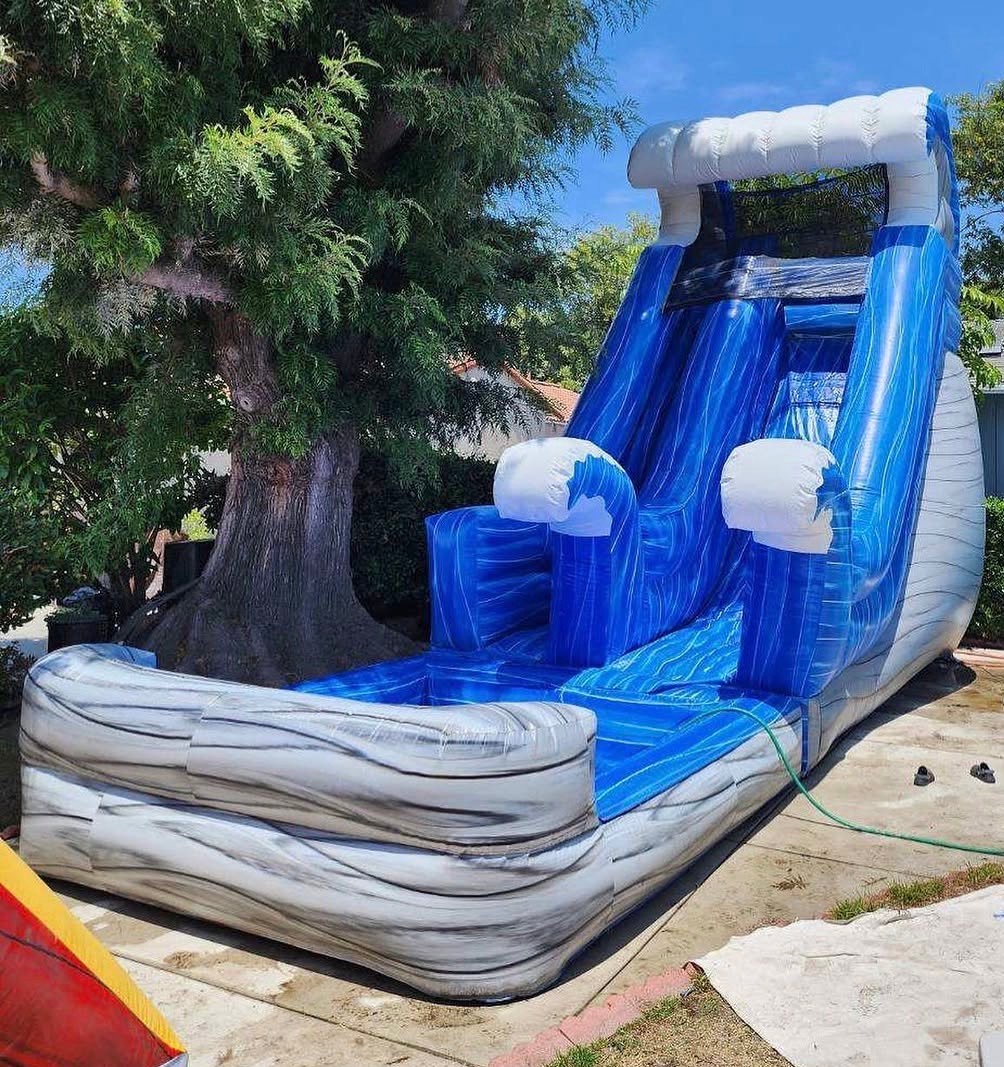
A standard 13-by-13-foot bounce house folds down to a bag roughly 4 feet long and 2 feet in diameter, light enough to stack on a standard pallet or slide into a cargo van. A large combo unit with a slide tower and basketball hoop might inflate to 20 by 20 feet, but it packs into a duffel or bag closer to 5 to 6 feet long and significantly bulkier. That extra packed volume means you need more shelf depth, more floor space per unit, or a larger storage bay overall.
Oklahoma self-storage facilities typically price units by square footage, with 10-by-10 units running roughly $80 to $130 per month in most metro areas and 10-by-20 units ranging from $130 to $200 or more depending on location and climate control. If your packed inflatables stack efficiently, a single 10-by-10 unit might hold three to five standard bounce houses. Add one large combo unit or a dual-lane waterslide to that mix and you may find yourself bumping up to the next bay size, adding $50 to $70 per month in overhead before you've booked a single event.
The practical move is to request packed dimensions from your vendor before you finalize any purchase. Reputable commercial inflatable suppliers list these specs in their product sheets. If a listing only shows inflated dimensions, ask directly. Knowing the folded length, width, and height of each unit lets you plan your storage layout on paper before committing to a lease or a purchase order.
Weight Classes and What They Mean for Storage Pricing
Packed weight affects two separate cost lines: the physical storage setup you need and the freight cost to receive the unit in the first place. Both matter for honest ROI projections.
Commercial inflatables generally fall into a few practical weight ranges. Smaller bounce houses built from 18-ounce PVC typically weigh 200 to 350 pounds when packed. Mid-size combo units with attached slides often land between 400 and 600 pounds. Large obstacle courses and dual-lane waterslides can exceed 700 to 900 pounds, and some commercial-grade units push past 1,000 pounds when fully packed with blowers and stakes included.
For storage, weight determines what kind of shelving or racking you can safely use. Standard warehouse shelving rated for 500 to 800 pounds per shelf works fine for most bounce houses. Heavier combo units and waterslides may require floor-level storage or heavy-duty pallet racking, which adds to your facility setup cost if you're building out a private warehouse rather than renting a commercial bay.
For freight, Oklahoma's central location helps somewhat, but shipping a 900-pound commercial waterslide from a manufacturer on the East or West Coast still runs $300 to $600 or more via LTL freight, depending on the origin point and fuel surcharges at the time of shipment. That cost is a one-time line item, but it belongs in your unit acquisition cost when you calculate break-even rental days. A unit that costs $3,500 to purchase plus $450 in freight needs to be priced and booked accordingly to hit your target margin.
Pairing weight awareness with your storage layout planning also reduces physical risk. Stacking heavy bags on upper shelves creates handling hazards for your crew. Designing your storage space around weight classes from the start, with heavier units at floor level and lighter standard bounce houses on upper racks, keeps your operation safer and more efficient.
Combo Units and Waterslides: Higher Storage Overhead, Higher Revenue Potential
Combo units and commercial waterslides are the units most likely to push your storage costs up, and they're also the units most likely to command premium rental rates. Understanding that trade-off clearly is what separates a profitable fleet from one that grows inventory without growing margin.
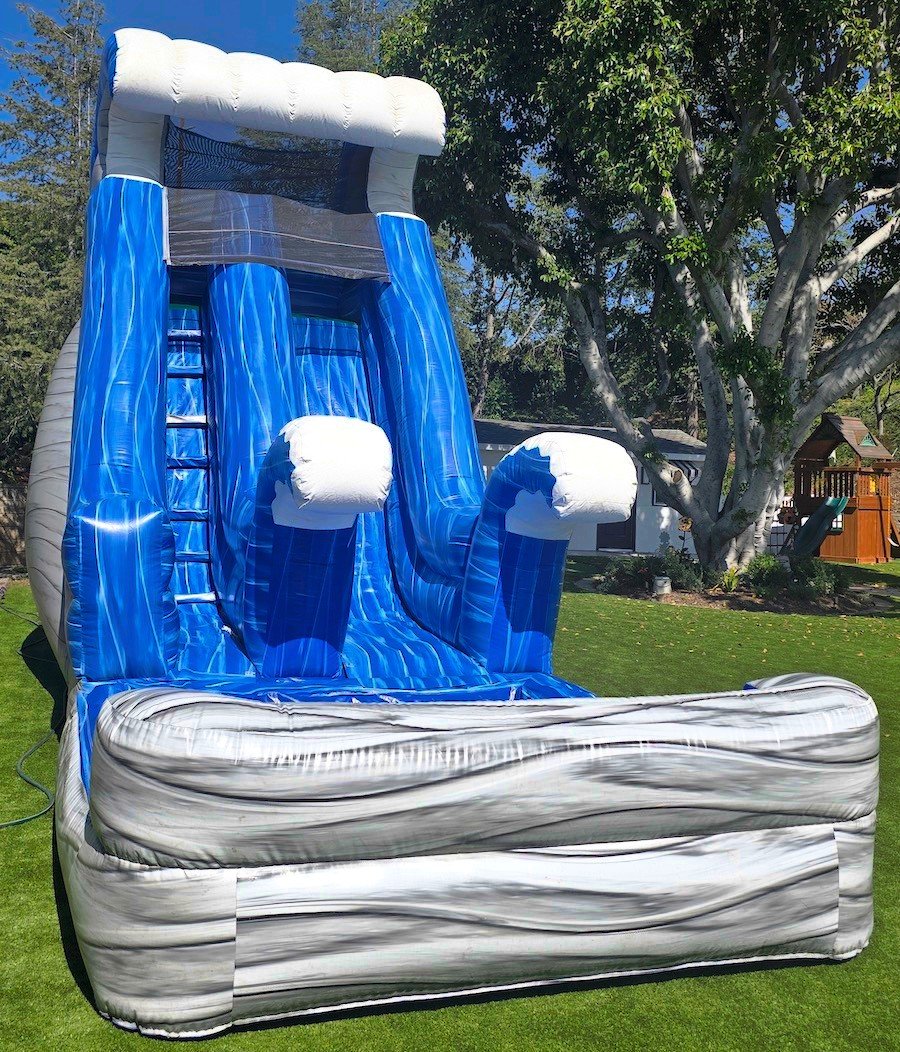
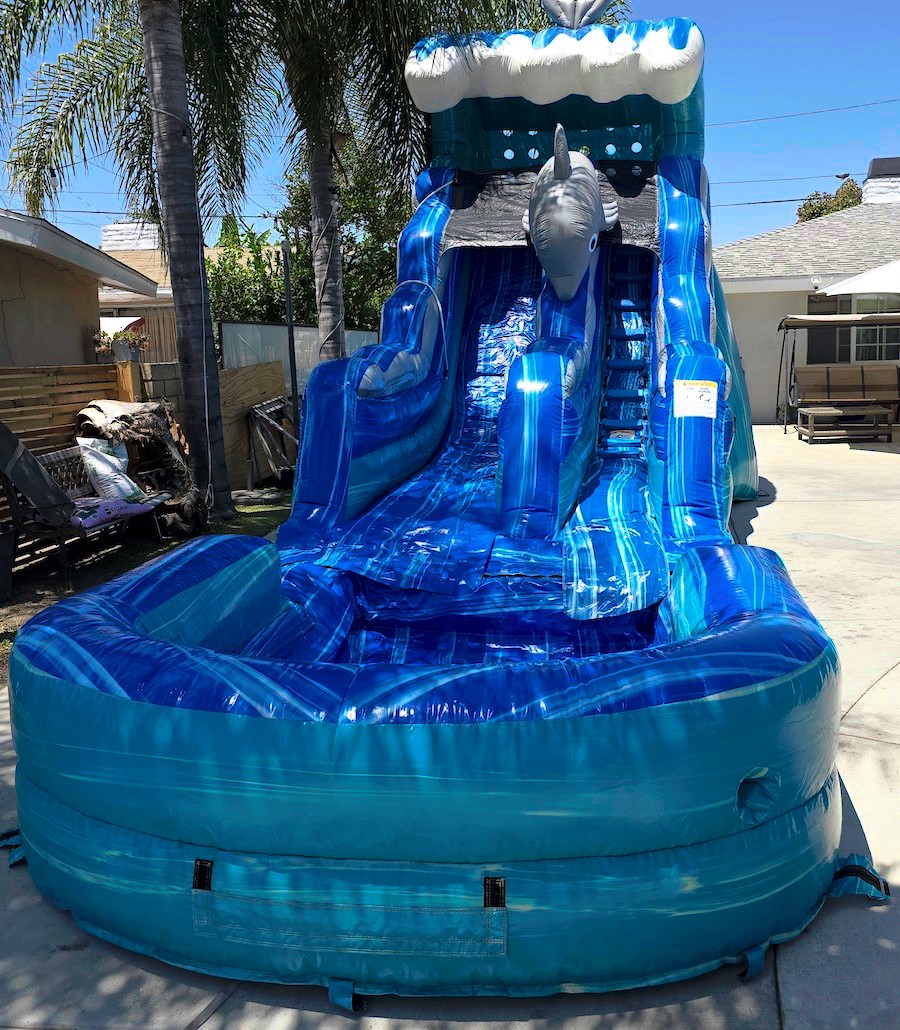
A dual-lane waterslide that packs into a 6-foot bag and weighs 850 pounds might rent for $450 to $700 per day in a competitive Oklahoma market, compared to $150 to $250 for a standard bounce house. If you're booking that waterslide 12 to 15 days per month during peak summer season, the revenue differential is substantial. The question is whether your storage overhead, maintenance costs, and freight investment pencil out across the full year, including the slower fall and winter months when waterslide demand drops.
One useful framework is to calculate your cost-per-square-foot of storage for each unit type. If a large waterslide occupies 12 square feet of your storage bay floor and you're paying $1.20 per square foot per month for that space, the unit costs you about $14 per month to store. That's a negligible line item against its revenue potential. The real cost driver is when you're storing several large units simultaneously during off-peak months, paying for floor space that isn't generating bookings.
For Oklahoma operators, the seasonal demand curve matters. Summer months from May through August drive the bulk of waterslide and combo unit bookings. Planning your inventory so that high-overhead units are actively rented during peak season, rather than sitting in storage, is the most direct way to keep your storage cost-to-revenue ratio healthy. You can explore how multi-unit inflatable rentals work for large events to get a sense of how fleet operators think about unit rotation and demand planning.
Organizing a Multi-Unit Fleet to Control Storage Costs in OK
Efficient fleet organization is one of the most underrated cost controls available to a small or mid-size inflatable rental operator. The way you physically arrange and track your inventory directly affects how much storage space you need and how quickly your crew can load and deliver.
Start with a simple zone system in your storage space. Group units by type and size: standard bounce houses together, combo units together, waterslides together. Within each zone, place the most frequently rented units closest to the door or loading area. This reduces the time your crew spends moving other units out of the way to reach the one they need, which matters when you have a 7 a.m. delivery window and three events on the same Saturday.
Label every bag clearly with the unit name, packed dimensions, and weight. A laminated tag attached to the bag handles takes five minutes to make and saves real time during loading. If you're running a fleet of ten or more units, a simple spreadsheet or inventory app that tracks each unit's location in your storage space, its current condition, and its next scheduled rental date will pay for itself quickly in avoided double-bookings and missed maintenance checks.
For Oklahoma operators renting commercial storage space, consider whether a climate-controlled unit is worth the premium. Standard PVC commercial inflatables are generally tolerant of temperature variation, but extreme heat (above 110 degrees Fahrenheit for extended periods) can accelerate seam stress over time. Oklahoma summers regularly push past 100 degrees, so if your storage facility is a metal building without climate control, positioning your units away from exterior walls and off concrete floors with pallets or foam padding is a reasonable precaution. This is practical maintenance planning, not a substitute for reviewing your vendor's specific storage recommendations.
If you're at the stage of evaluating your first commercial purchase or planning to expand an existing fleet, reviewing commercial inflatable storage and maintenance guidance for CA operators offers useful parallels, since the core storage principles apply across markets even when the climate details differ.
Factoring Storage Into Your Commercial Inflatable ROI
Storage cost is one of the fixed overhead lines that fleet owners most commonly underestimate when projecting ROI on a new unit purchase. It's not dramatic on a per-unit basis, but it compounds across a full fleet and across a full year.
A practical approach is to assign a monthly storage cost to each unit based on the floor space it occupies. If your total storage lease costs $300 per month and you're storing ten units, each unit carries a $30 monthly storage burden as a baseline. Units that occupy more floor space should carry a proportionally higher allocation. This gives you a cleaner picture of each unit's true monthly cost, separate from maintenance, insurance, and depreciation.
From there, calculate the minimum number of rental days per month each unit needs to cover its fixed costs before generating profit. A standard bounce house with a $30 storage allocation, a $15 monthly maintenance reserve, and a $20 depreciation estimate needs to generate at least $65 per month before it contributes to your bottom line. At a rental rate of $175 per day, that's less than one booking per month to break even on fixed costs. A large waterslide with higher storage, maintenance, and depreciation allocations might need two to three bookings per month to reach the same threshold.
This kind of unit-level cost accounting is what separates operators who scale profitably from those who add inventory and wonder why margins aren't improving. If you're working through these projections and want to understand how unit specs and pricing interact, the Jump High Rentals FAQ covers common questions about unit sizing and rental logistics that can inform your planning.
For operators ready to look at specific units, packed dimensions, and freight details for Oklahoma delivery, the Jump High Rentals contact page is the right starting point. The team can walk you through unit specs and help you build a realistic cost model before you commit to a purchase. You can also browse the full rentals catalog to get a sense of the unit types and sizes that drive the strongest demand in markets similar to Oklahoma's.
Storage costs won't make or break a well-run inflatable rental business on their own, but ignoring them in your ROI model will quietly erode margins over time. Building them in from the start, unit by unit and square foot by square foot, keeps your projections honest and your fleet growth sustainable.