
Why Surface Type Is Only Part of the Setup Question
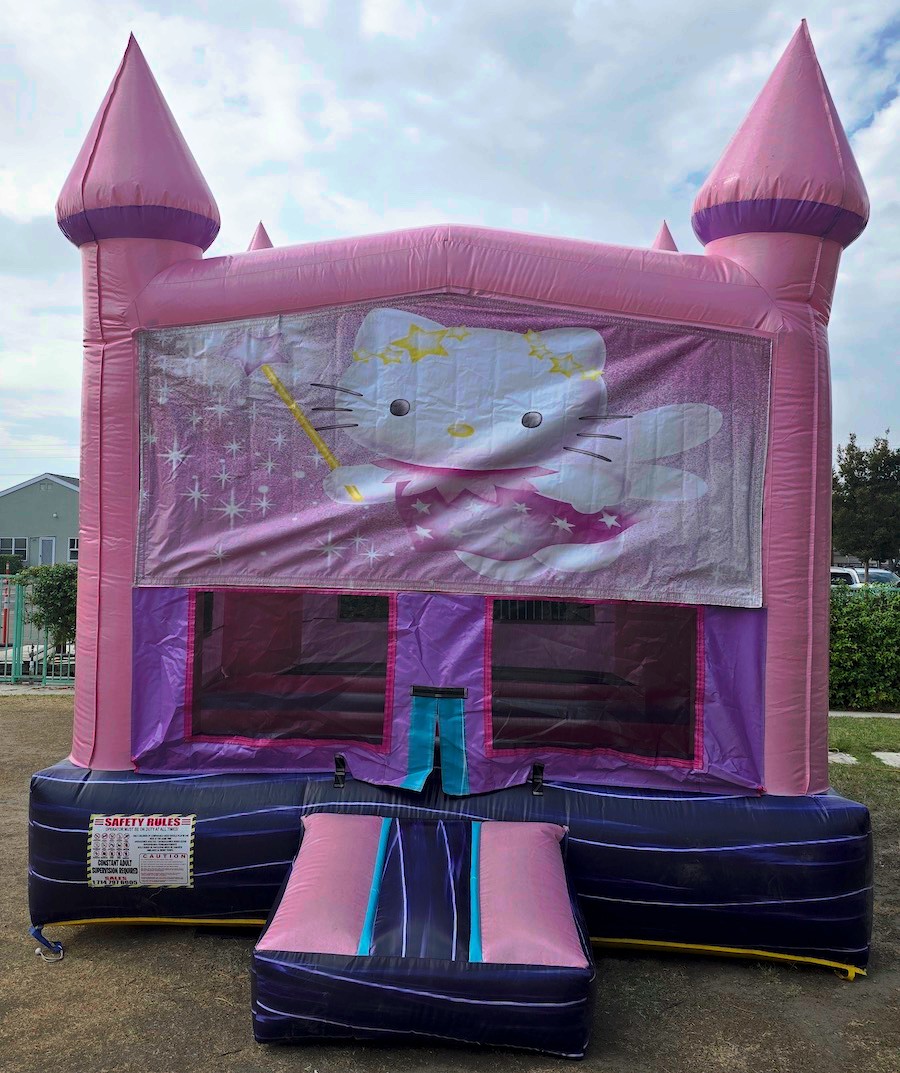
When Orange County parents start planning a backyard bounce house party, one of the first questions that comes up is simple: "Do I have the right kind of yard for this?" Many parents assume grass is always the safe, obvious choice and that a concrete patio or driveway automatically creates problems. The reality is a little more nuanced, and understanding it will save you stress on delivery day.
Surface type matters, but it is rarely the deciding factor on its own. What matters most is whether the ground is flat, whether there is enough clear space around the inflatable, and whether the rental company knows what they are working with before they arrive. A perfectly level concrete driveway can be a better setup surface than a sloped, sprinkler-filled lawn. A lush grass yard with a steep grade or soft wet patches can create more complications than a smooth patio pad. The goal of this guide is to help you think through your specific space clearly so you can describe it accurately when you book your rental and so the crew arrives prepared.
Orange County backyards come in every configuration imaginable. Homes in Yorba Linda and Anaheim Hills often have generous sloped lots. Coastal communities like Huntington Beach and Newport Beach tend to have tighter footprints with patio-heavy layouts. Inland neighborhoods in Tustin, Orange, and Irvine frequently mix grass sections with concrete side yards and paver patios. None of those setups is automatically disqualifying. Each one just requires a clear conversation before delivery day.
Setting Up on Grass: What Works and What to Watch For
Grass is the surface most people picture when they imagine a bounce house in a backyard, and for good reason. Natural grass allows for ground staking, which is the standard anchoring method for most inflatables. Stakes driven into firm soil create a secure hold that keeps the unit from shifting during use. When the lawn is level, firm, and free of obstacles, setup tends to go smoothly and quickly.
That said, not all grass is created equal. A few common yard conditions can complicate a grass setup in ways that first-time renters do not always anticipate. Soft or waterlogged ground is one of the most frequent issues. If your lawn was recently irrigated or if Orange County has had a stretch of rainy weather, the soil may not hold stakes as firmly as it should. Wet grass can also create slippery conditions around the perimeter of the inflatable where kids are climbing in and out.
Sprinkler heads are another thing to flag before delivery. Many OC backyards have pop-up sprinkler systems distributed across the lawn, and a stake driven into or near a sprinkler line can cause real problems. Walk your yard before the crew arrives and note where the heads are located. If you have a guide to preparing your backyard before the inflatable arrives, that is a good reference for this kind of pre-delivery walkthrough.
Uneven terrain is the other major grass-related concern. A gentle slope that looks minor from your back door can translate into a noticeable lean once a large inflatable is in place. The flattest section of your yard is almost always the right choice, even if it means placing the bounce house somewhere less convenient. If your yard has a significant grade, the guide on sloped backyards and what to check before booking covers that situation in more detail.
Setting Up on Concrete or Pavement: When It Is a Safe Option
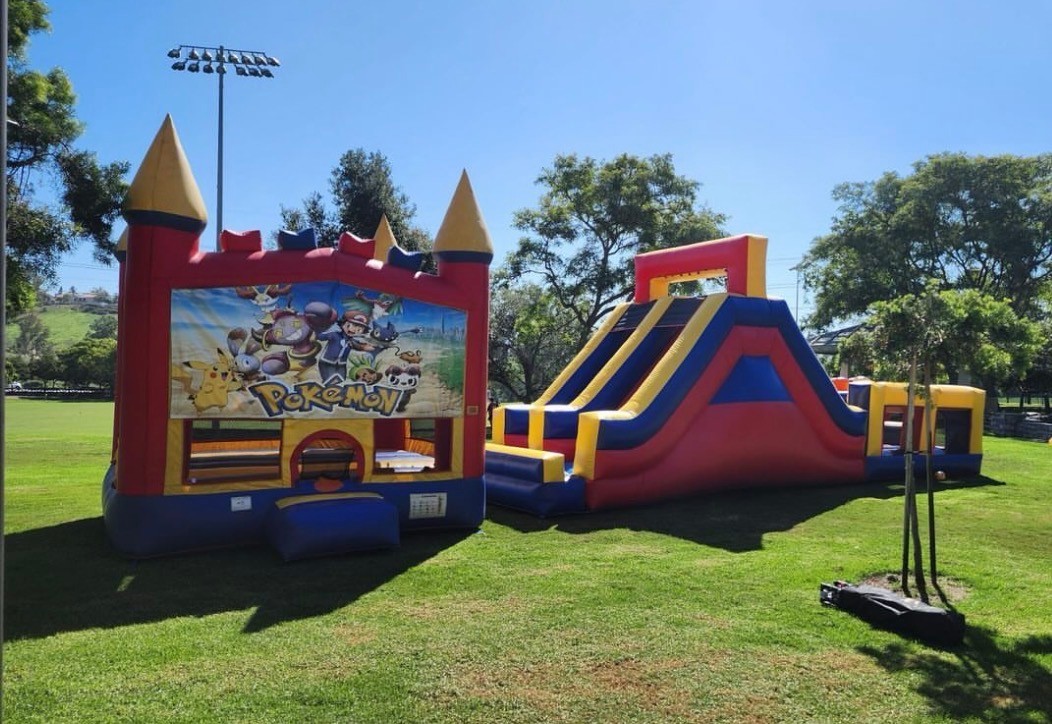
Concrete and pavement setups are more common than many parents expect, and they work well when the surface is level and the rental company comes prepared with the right anchoring equipment. The key difference from grass is that stakes cannot go into a hard surface, so the inflatable is secured using sandbags or weighted anchors placed at the tie-down points instead. This is a standard practice, not a workaround, and it is used regularly for driveway parties, patio setups, and community events on asphalt.
If your setup area is a concrete driveway or a patio pad, a few things are worth confirming in advance. First, the surface should be genuinely flat. Driveways often have a slight pitch toward the street for drainage, and that slope needs to be evaluated the same way a grassy slope would be. A very gradual slope may be manageable depending on the unit size, but the rental company needs to know about it before they load the truck. Second, the area should be free of cracks, raised edges, or debris that could damage the inflatable's underside. Most rental companies place a protective tarp or mat beneath the unit on hard surfaces to reduce abrasion and protect both the inflatable and the ground.
Overhead clearance is also more likely to be a concern on a patio or driveway than on an open lawn. Patio covers, pergolas, awnings, and low-hanging tree branches all need to be accounted for. The inflatable needs clear vertical space above it, and the blower unit needs to be positioned where it will not be blocked or tripped over. If your patio has a cover, measure the clearance height and share that with your rental company when you reach out through the contact page.
One thing concrete does have going for it is consistency. Unlike grass, a concrete surface does not change character after a rainstorm or a morning of irrigation. If the surface was flat and clean when you measured it, it will be flat and clean when the crew arrives. That predictability is actually a practical advantage for parties where timing matters.
For more detail on how anchoring works across different hard surfaces, the guide on bounce house setup on pavers and hardscape in CA is a helpful companion read.
What to Tell Your Rental Company Before Delivery Day
The single most useful thing you can do as a parent host is give your rental company an accurate picture of your setup space before delivery day. This is not about passing a test. It is about making sure the crew shows up with the right anchoring gear, the right protective materials, and a realistic plan for getting the inflatable from the truck to the setup spot.
Here is what to communicate when you reach out. Start with the surface type: grass, concrete, pavers, artificial turf, or a combination. Then describe the flatness as honestly as you can. If there is a noticeable slope, mention it. If the lawn is soft or recently watered, mention that too. Share the approximate dimensions of your available space, including how much clearance exists on all four sides of where the inflatable will sit. Inflatables need open space beyond their footprint, not just the footprint itself, so side clearance matters.
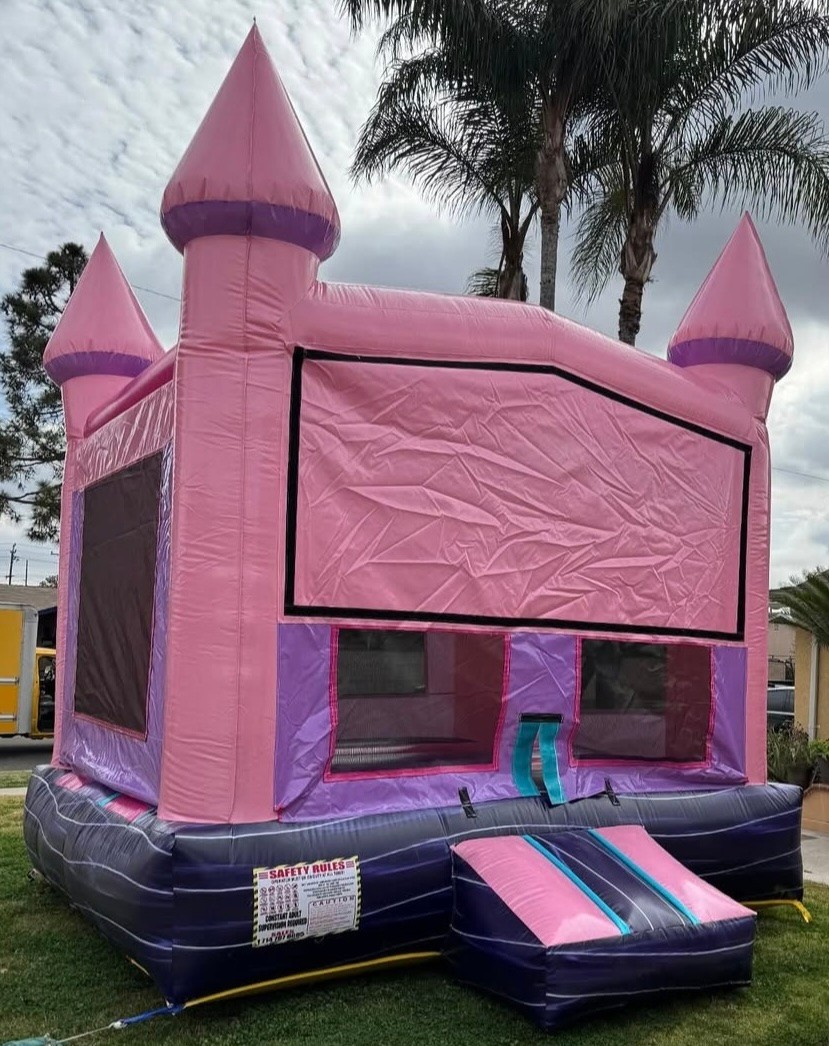
Tell the company about access to the setup area. Is there a gate the crew will need to pass through? If so, how wide is it? Many standard bounce houses require a gate opening of at least four feet, and larger units need more. A narrow side yard or a locked gate that requires a key can slow setup significantly if the crew is not prepared for it. You can browse unit dimensions in the rentals catalog to get a sense of how different inflatables compare in footprint before you finalize your space plan.
Also mention any overhead obstructions, nearby structures, or utility lines. Trees with low branches, patio covers, and fences that are close to the setup zone all affect where the inflatable can safely be positioned. The more specific you are, the smoother delivery goes.
Yard Checklist: How to Know Your Space Is Ready
Once you have chosen your surface and communicated the details to your rental company, a quick walkthrough of the setup area in the day or two before the party will help you catch anything that might slow things down on delivery morning.
Walk the full footprint of where the inflatable will sit and clear it completely. Remove any toys, garden tools, potted plants, furniture, rocks, or sticks. On a grass surface, check for sprinkler heads and flag them if they are close to the setup zone. On concrete, look for loose gravel, debris, or anything that could get trapped under the tarp. Check that the path from the street or driveway to the setup area is clear enough for the crew to carry equipment through without obstacles.
Confirm that a power outlet is accessible within reach of the blower unit. Most inflatables run on a standard household outlet, but the distance matters. If the outlet is far from the setup area, you may need an appropriate extension cord. The power and extension cord guide for OC inflatables covers what to look for there.
Check the weather forecast for the day of the party. Even a well-anchored inflatable on a perfect surface should not be used in rain or high winds. Most inflatables have wind speed limits in the range of 15 to 20 miles per hour, and exceeding those limits is a safety concern regardless of how well the unit is anchored. If you want to understand how wind conditions factor into inflatable safety, the guide on wind speed limits and inflatable safety for OC parties is worth a read before your event.
Finally, think about where kids will enter and exit the inflatable and make sure that zone is clear and easy to supervise. A little pre-party planning around the layout of your yard goes a long way toward keeping the day running smoothly.
If you are ready to talk through your specific yard setup, the team at Jump High Rentals is happy to help you figure out what will work best. Reach out through the contact page with your surface details, dimensions, and any questions, and browse the full rentals catalog to find the right unit size for your space and guest count. Getting those details right before booking is the best way to make sure delivery day goes exactly as planned.