
Inflatable Freight Delivery to CA: Crating, Costs, and Lead Times
Buying commercial inflatables for a rental fleet is a significant capital decision, and the purchase itself is only the beginning. Getting those units from a manufacturer's dock to your CA warehouse in good condition, on schedule, and without surprise charges is where a lot of new fleet operators run into trouble. Crating failures, port delays, and misunderstood freight terms can turn a well-priced order into a costly headache before a single unit ever inflates. This guide covers what you need to know about crating standards, realistic freight costs, and lead time planning so your inventory arrives ready to rent.
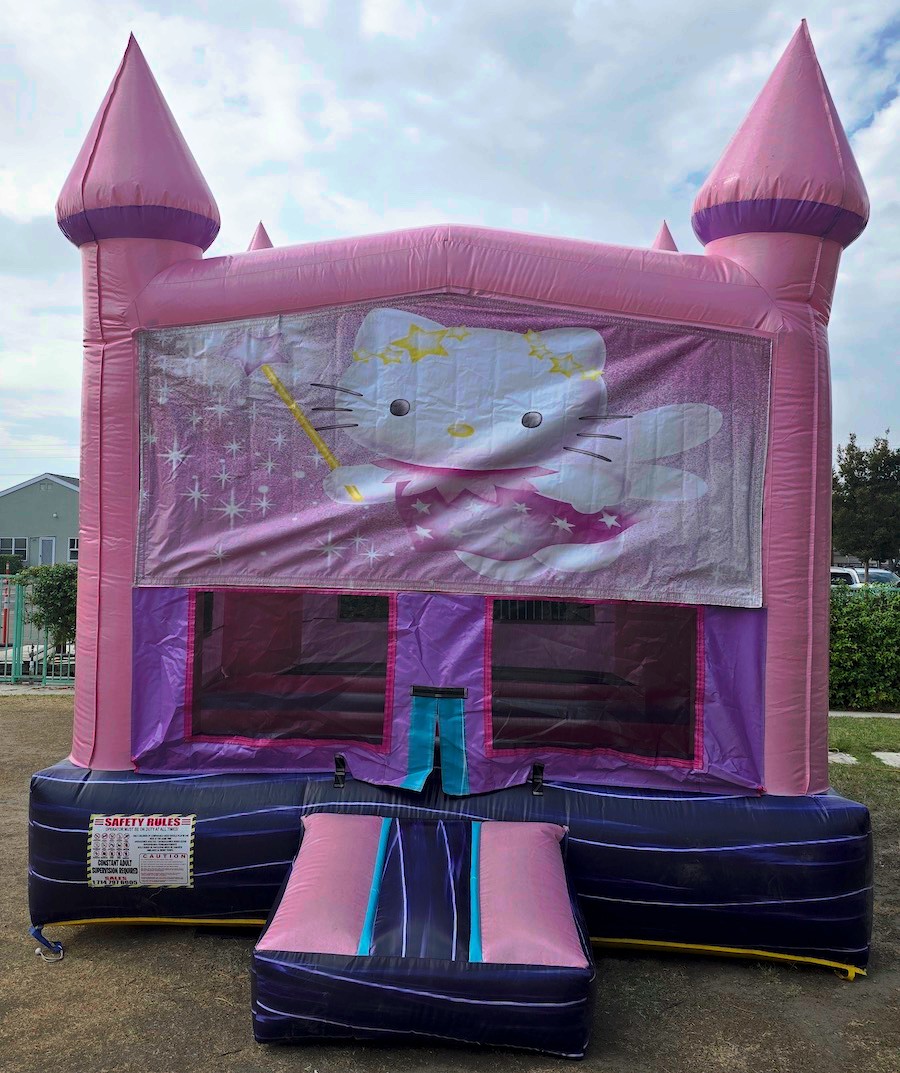
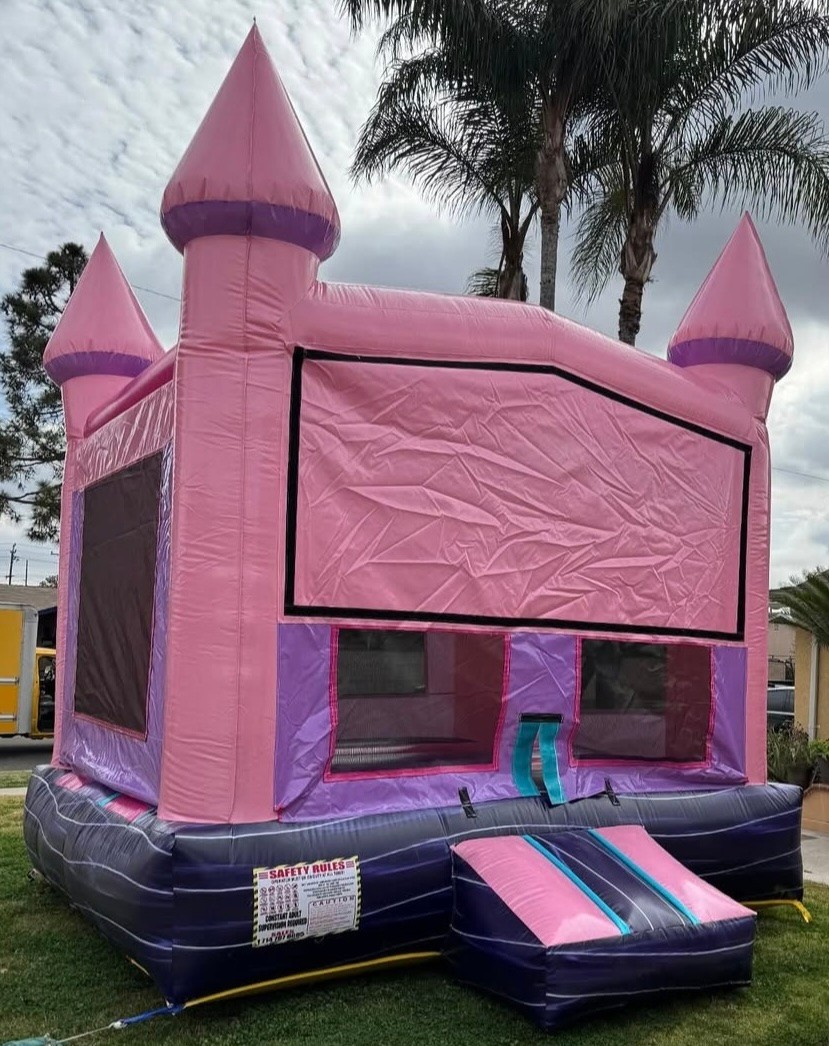
If you want a reference point for what well-maintained commercial units look like in the field, browsing Jump High's rental catalog gives you a practical sense of unit sizing, construction quality, and the variety a working OC fleet actually carries.
Why Crating Standards Matter for Commercial Inflatables
Commercial inflatables are large, awkward, and surprisingly vulnerable during freight transit. A bounce house or obstacle course that ships without proper crating can arrive with torn seams, punctured vinyl, bent blower mounts, or damaged anchor points. Any of those defects can ground a unit before it earns a single rental day, and warranty claims on freight damage are notoriously difficult to pursue after the fact.
The core issue is that most freight carriers treat inflatables as general cargo unless the shipper specifies otherwise. General cargo handling means forklift tines, stacking, and rough loading dock treatment. A properly crated inflatable shipment uses a wooden crate or reinforced pallet system built to keep the unit stable, protect corners and seams, and prevent compression damage from stacked freight.
For domestic shipments, manufacturers who specialize in commercial inflatables typically roll and bag units before placing them in a plywood crate or on a banded pallet with foam corner protection. The finished package should be rigid enough to survive forklift handling and stable enough that other freight cannot shift onto it during transit. Ask your supplier specifically what their standard crating method looks like and whether they have photos of a packed unit before you commit to an order.
For overseas shipments, particularly from manufacturers in China who supply a large share of the commercial inflatable market, crating standards vary widely by factory. Some factories produce excellent export packaging with moisture barriers, foam padding, and labeled crates that meet international freight requirements. Others pack units loosely in cardboard or thin wooden frames that are not built for ocean container transit. Before placing an overseas order, request photos of the actual export packaging, not just the product photos. If the factory cannot provide them, that is a meaningful signal about their freight experience.
One practical step many experienced buyers take is hiring a third-party inspection service at the origin factory to verify packaging before the container is sealed. This adds a modest cost upfront but can prevent a far more expensive problem on the receiving end. The National Association of Amusement Ride Safety Officials publishes guidance on inflatable construction standards that can also inform what to look for during a pre-shipment inspection.
Freight Cost Factors When Shipping Inflatables to CA
Freight costs for commercial inflatables depend on several variables, and the final number is rarely what the initial quote suggests. Understanding the cost drivers helps you budget accurately and avoid sticker shock when the invoice arrives.
Dimensional weight is the first factor. Carriers calculate freight charges based on whichever is greater: actual weight or dimensional weight (the space the shipment occupies). A large bounce house crate might weigh 300 pounds but occupy enough cubic footage to bill at 600 pounds or more. Always ask for a dimensional weight calculation before accepting a freight quote.
For domestic LTL (less-than-truckload) shipments from manufacturers in states like Texas, Florida, or the Midwest, you can expect freight costs to CA to range from roughly $400 to $1,200 per unit depending on size, crating method, and carrier. Full truckload shipments for larger orders bring the per-unit cost down considerably. These ranges shift with fuel surcharges and carrier capacity, so treat any figure here as a planning estimate rather than a firm number. Request current quotes from at least two carriers before finalizing your order logistics.
For overseas shipments, the cost structure is more complex. Ocean freight from Chinese ports to the Port of Los Angeles or Long Beach is typically quoted per container (20-foot or 40-foot). A 40-foot container can hold a meaningful quantity of inflatables depending on unit size, which makes container sharing (LCL, or less-than-container-load) a common option for smaller orders. LCL freight adds consolidation fees and typically increases transit time. Beyond ocean freight, you will also budget for customs brokerage fees, port handling charges, drayage from the port to your warehouse, and any applicable import duties. For inflatables classified under standard HTS codes, import duties have historically ranged from 0 to 25 percent depending on trade policy at the time of import. Confirm current duty rates with a licensed customs broker before finalizing your overseas order budget.
Liftgate service is another line item that catches new buyers off guard. If your CA warehouse does not have a loading dock, you will need a liftgate truck for delivery. Most carriers charge an additional $75 to $150 for liftgate service, and some require advance notice. Confirm your delivery site requirements when booking freight.
Lead Times: Domestic vs. Overseas Inflatable Shipments
Lead time planning is one of the most important and most underestimated parts of building a rental fleet. Missing your launch date because inventory is stuck in transit is a real risk, and it is entirely avoidable with realistic scheduling.
Domestic manufacturers typically quote production lead times of two to six weeks for standard units, with freight transit to CA adding three to seven business days via LTL. Custom units with specific color schemes, themes, or size modifications can push production time to eight to twelve weeks. If you are ordering for a specific seasonal launch, such as a summer waterslide inventory build, work backward from your first rental date and add a two-week buffer for inspection, cleaning, and any minor repairs before units go into service.
Overseas shipments require a significantly longer planning horizon. Production at a Chinese factory typically runs four to eight weeks for standard orders, longer for custom work or during peak manufacturing periods around Chinese New Year (late January through mid-February). Ocean transit from Chinese ports to Los Angeles or Long Beach runs approximately fourteen to twenty-one days under normal conditions. Port processing, customs clearance, and drayage to your warehouse add another five to ten business days in most scenarios. A realistic total lead time for an overseas order is ten to sixteen weeks from deposit to warehouse delivery, and that assumes no production delays, port congestion, or customs holds.
Port congestion at Los Angeles and Long Beach has historically caused significant delays, particularly during peak import seasons in late summer and fall. Monitoring port conditions through resources like the Port of Los Angeles vessel schedule can help you anticipate delays and adjust your timeline accordingly.
The practical implication is straightforward. If you are planning to launch a rental fleet in CA for summer 2026, overseas orders should be placed no later than late winter to allow adequate buffer. Domestic orders have more flexibility but still require lead time planning, especially for popular unit types that manufacturers may have on backorder.
Receiving and Inspecting Your Delivery in CA
How you handle the receiving process directly affects your ability to file freight claims if damage occurred in transit. This is a step where many new fleet operators are underprepared, and the consequences can be costly.
When a freight shipment arrives, inspect the exterior of every crate or pallet before signing the delivery receipt. Look for visible damage to the crating, broken bands, moisture staining, or any sign that the package was dropped or crushed. If you see damage, note it specifically on the delivery receipt before the driver leaves. A general notation like "subject to inspection" is less useful than a specific description of what you observed. Signing a clean receipt for a visibly damaged shipment significantly weakens any freight claim you might need to file.
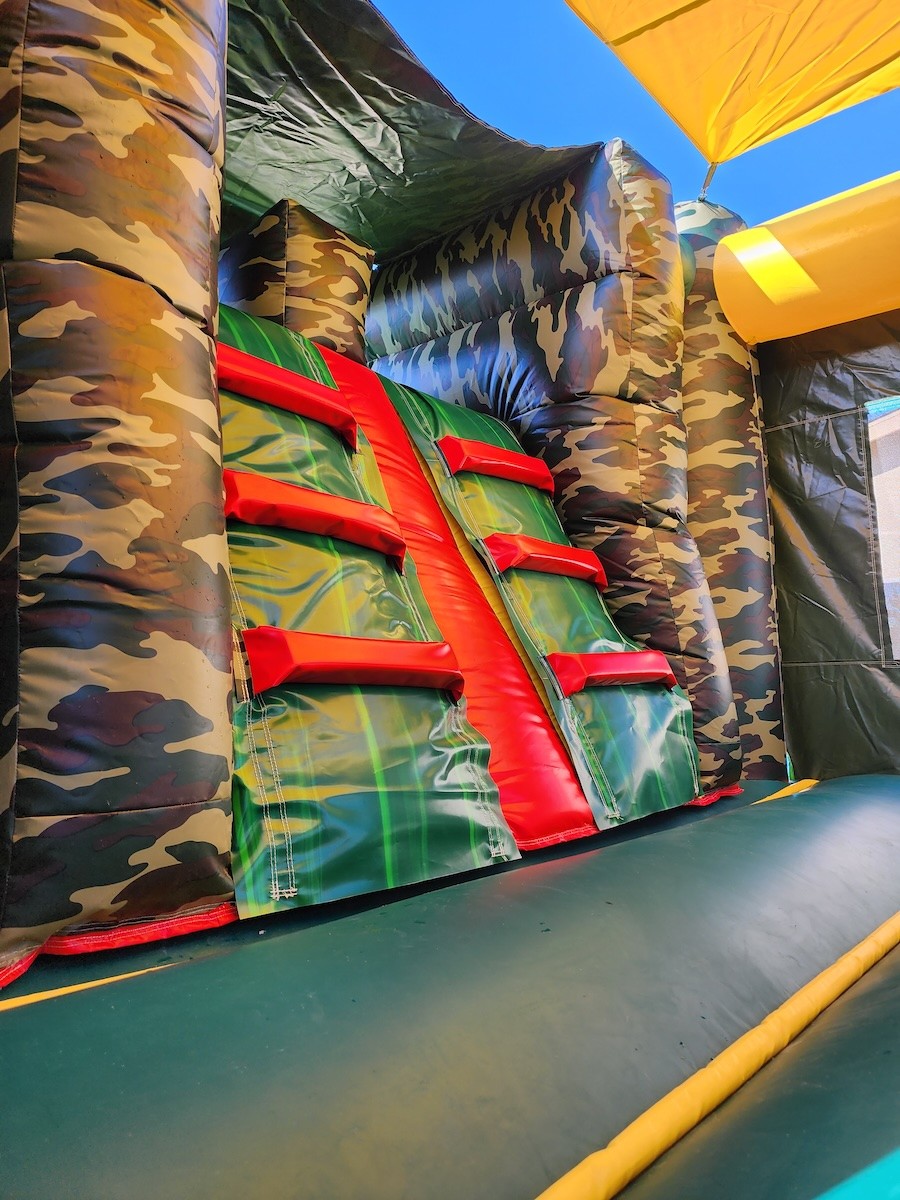
Once crates are opened, inspect each unit systematically. Check seams along the base, walls, and roof panels for any tearing or separation. Inflate each unit with its blower and walk the perimeter while it is under pressure to listen for air leaks. Check anchor D-rings and stake loops for any deformation. Document everything with photos and video before moving units into storage.
For overseas shipments, also verify that the units match the specifications on your purchase order, including dimensions, weight ratings, and any safety certifications your state or local jurisdiction requires. California does not have a single statewide inflatable inspection mandate that applies uniformly to all rental operators, but many cities and counties require proof of compliance with ASTM F2374 or similar standards for permitted events. Confirming that your units meet those standards at the point of receiving is far easier than trying to resolve it after you have already booked rentals.
Storage and Fleet Readiness After Delivery
Getting inventory into your CA warehouse is the finish line for the freight process, but it is the starting line for fleet operations. How you store and prepare units after delivery affects both their longevity and your ability to deploy them quickly.
Commercial inflatables should be stored clean, dry, and fully deflated in a climate-controlled or at minimum temperature-stable environment. CA's inland warehouse areas can see significant heat in summer, and prolonged exposure to high temperatures accelerates vinyl degradation. If your storage space is not climate-controlled, prioritize ventilation and avoid stacking units in direct sunlight exposure near windows or roll-up doors.
Roll units loosely rather than folding them tightly along the same crease lines each time. Repeated tight folding at the same points creates stress lines in the vinyl that eventually crack or delaminate. Many experienced operators use large mesh bags or breathable storage covers rather than sealed plastic bags, which can trap moisture and promote mildew.
Before a unit goes into active rental rotation, run a full inflation test, check all safety netting and entrance flaps, verify blower connections, and confirm that all anchor stakes and straps are present and undamaged. A unit that passes receiving inspection but sits in storage for weeks before its first rental should be re-inspected before deployment, since handling during storage can introduce issues that were not present on arrival.
For fleet operators who are still in the early stages of building inventory, reviewing what a well-rounded OC rental fleet looks like in practice can sharpen your own sourcing decisions. The Jump High rentals page shows the unit types and size range that serve Orange County events reliably, and the guides section covers operational topics that apply whether you are renting units or building a fleet to rent from. If you have sourcing questions or want to understand how specific unit types perform in the CA market, the contact page is a straightforward way to start that conversation.