
Obstacle Course Inflatable Lifespan for UT Fleets
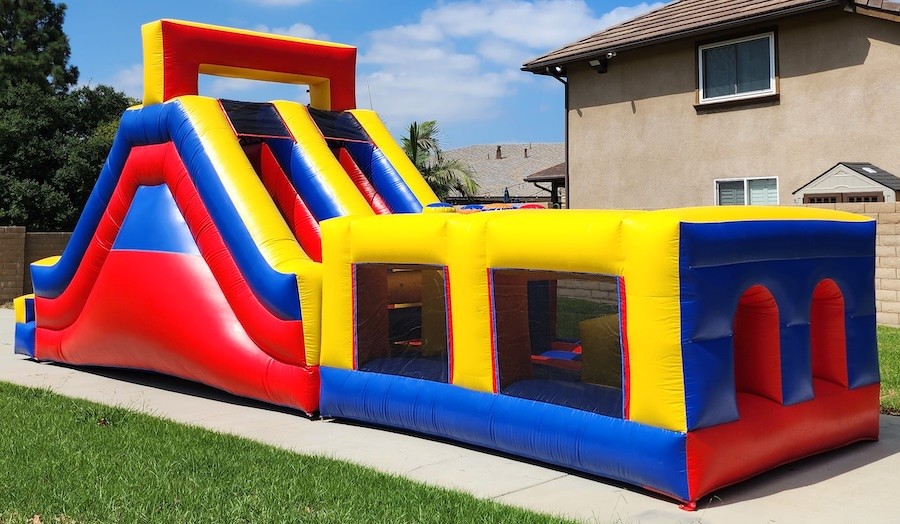
Obstacle course inflatables are the workhorses of any serious rental fleet. They draw the biggest crowds at school carnivals, church events, and community festivals, and they command some of the highest per-rental revenue of any unit in your inventory. But they also take more punishment than a standard bounce house. Kids climb, crawl, slide, and collide with every surface, and in a busy Utah rental season, a single obstacle course unit might see dozens of events before you get a chance to inspect it thoroughly. Understanding realistic lifespan expectations, what maintenance actually costs, and how to protect your investment from day one is the difference between a unit that pays for itself twice over and one that drains your margins with constant repairs.
This guide is written for Utah fleet owners and buyers who are evaluating obstacle course units for purchase, planning inventory additions, or trying to get more life out of units already in rotation. You will find practical guidance on lifespan benchmarks, routine upkeep, repair decisions, storage considerations specific to Utah's climate, and what to look for in warranty and vendor support before you sign a purchase order.
How Long Obstacle Course Inflatables Actually Last in Active UT Fleets
The honest answer is that lifespan varies significantly depending on material quality, rental frequency, and how well a unit is maintained between events. A commercial-grade obstacle course built from 18-ounce PVC or reinforced Oxford fabric and used in a well-managed fleet typically lasts between five and eight years of active rental service. Some operators push units past the ten-year mark with diligent care, while others see significant degradation in three years if maintenance is inconsistent or storage conditions are poor.
For Utah fleets specifically, the rental season tends to be concentrated. Hot, dry summers drive high demand from May through September, and that compression means your obstacle courses may see more events per month during peak season than fleets in milder climates. High UV exposure at Utah's elevation accelerates vinyl degradation faster than coastal markets, so a unit that might last seven years in a lower-elevation, lower-UV environment could show surface chalking, seam stress, or color fade closer to the five-year mark if it spends long summer days fully inflated outdoors without shade.
Material weight matters enormously when you are buying for commercial use. Lighter consumer-grade vinyl (around 13 ounces) is not built for repeated commercial rentals and will fail seams and stress points within one to two seasons of heavy use. When sourcing obstacle course units for a UT fleet, prioritize manufacturers that specify 18-ounce or heavier commercial PVC, double-stitched seams, and reinforced entry and exit points. Those are the areas that absorb the most friction and stress during actual use. You can browse Jump High's rental catalog to see the types of commercial-grade units that hold up in active rotation, and the FAQ page covers common questions about unit specs and durability.
Routine Maintenance Tasks That Extend Unit Life
The fleet owners who get the most years out of their obstacle courses are not necessarily the ones who bought the most expensive units. They are the ones who treat post-event inspection and cleaning as non-negotiable parts of every rental cycle. Skipping these steps, even occasionally, allows small problems to compound into expensive repairs.
After every rental, the unit should be fully inflated for a visual inspection before deflation and packing. Walk every surface and look for small punctures, stress marks at seams, and any areas where stitching has begun to separate. Catching a one-inch tear before it becomes a six-inch tear is the difference between a five-dollar patch and a professional repair bill. Debris trapped inside obstacle course tunnels and climb sections is a common source of abrasion damage, so a thorough interior sweep matters as much as the exterior check.
Cleaning should happen before storage, not just before the next rental. Dirt, grass, and moisture left on vinyl during storage create conditions for mildew growth and can cause vinyl surfaces to bond together during long storage periods. Use a mild, non-abrasive cleaner appropriate for PVC, rinse thoroughly, and allow the unit to dry completely before rolling or folding. In Utah's dry climate, drying time is generally shorter than in humid markets, which is an advantage, but it also means UV-damaged vinyl can become brittle faster if it is not cleaned and stored properly.
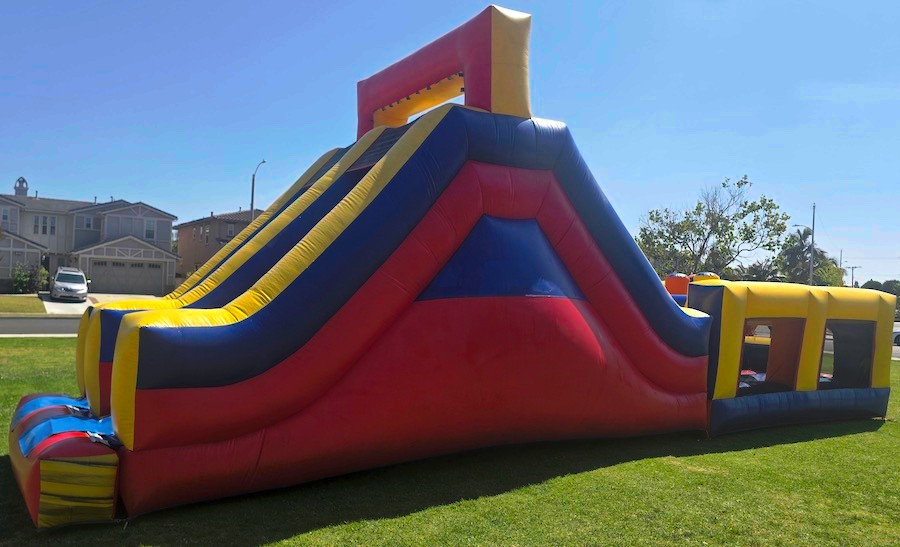
Blower motors deserve their own maintenance schedule. Check motor housings for debris after every event, inspect power cords for wear or fraying, and test blower output periodically to catch declining performance before it affects inflation quality at a rental. A blower that is struggling to maintain pressure is a safety concern and a customer service problem. Keeping a spare blower motor in your shop inventory is a practical step for any fleet running multiple obstacle courses.
Stitching, Blower, and Vinyl Repairs: What to Handle In-House vs. Outsource
One of the most practical decisions a fleet owner makes is knowing which repairs to handle in-house and which to send out. Getting this wrong in either direction costs money. Doing complex repairs in-house without the right equipment produces poor results that fail again quickly. Outsourcing simple repairs that your team could handle adds unnecessary cost and downtime.
In-house repairs that most fleet operators can handle with basic training include small puncture patches on flat vinyl surfaces, minor seam touch-ups with appropriate vinyl adhesive, and blower motor replacements on units with accessible motor housings. Patch kits from your unit's manufacturer are the right starting point. Using mismatched vinyl or off-brand adhesives on commercial units often creates a patch that holds temporarily but fails under the stress of actual use.
Repairs that typically warrant professional attention include long seam separations (anything over six to eight inches), structural damage at climb walls or tunnel entry points, and any repair involving load-bearing anchor points or D-ring attachments. These areas experience concentrated stress during use, and an improperly repaired anchor point is a safety issue, not just a durability issue. Establish a relationship with a commercial inflatable repair service before you need one urgently. Waiting until a unit is down and a rental is at risk puts you in a weak negotiating position.
For Utah fleet operators, the ASTM International standards for inflatable amusement devices provide a useful reference point for understanding what structural integrity expectations apply to commercial units. These standards are not a substitute for manufacturer guidance, but they give you a framework for evaluating whether a repair meets commercial-use expectations.
Storage Conditions in Utah's Climate and Why They Matter
Utah's climate creates specific storage challenges that fleet owners in milder states do not face to the same degree. Summer temperatures in many Utah markets regularly exceed 100 degrees Fahrenheit, and storage facilities without climate control can reach temperatures well above that. Prolonged heat exposure causes PVC vinyl to become pliable and sticky, which leads to surfaces bonding together during storage and creating tears when the unit is unrolled for the next rental.
Winter storage presents the opposite problem. Cold temperatures make vinyl brittle, and unrolling or unfolding a unit that has been stored in a very cold space without allowing it to warm gradually can cause cracking along fold lines. This is especially relevant for Utah fleet operators who store units in unheated warehouse space during the off-season. Allowing units to acclimate to a warmer temperature before deployment is a simple step that prevents avoidable damage.
Ideal storage for obstacle course inflatables is a climate-controlled space that stays between 50 and 80 degrees Fahrenheit year-round. If climate control is not feasible for your entire storage facility, prioritizing it for your highest-value units (obstacle courses typically fall into this category) is a reasonable compromise. Units should be stored loosely rolled or folded rather than tightly compressed, and heavy equipment should never be stacked on top of stored inflatables. Even a few hundred pounds of pressure over several months can permanently deform vinyl and stress seams.
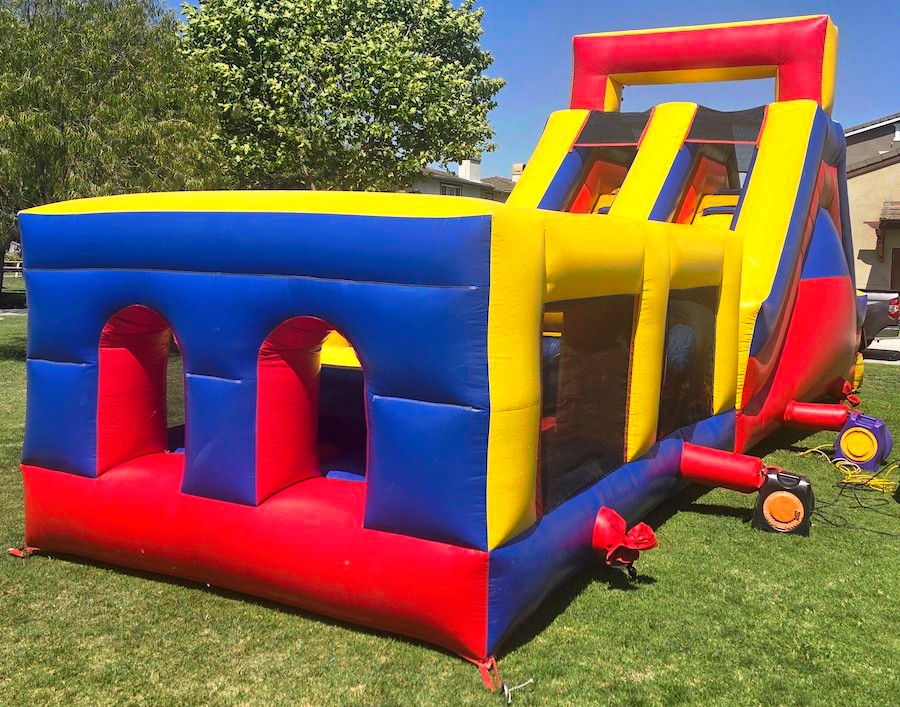
Proper storage also means keeping units off concrete floors where possible. Moisture wicking up from concrete can create mildew conditions even in dry climates, and the abrasive surface can damage vinyl over time. Pallets or foam padding under stored units are inexpensive solutions that extend unit life meaningfully.
Warranty Coverage and Vendor Support for Commercial Obstacle Units
Warranty terms vary widely across manufacturers, and understanding what you are actually buying matters as much as the unit's sticker price. A commercial obstacle course is a significant capital investment, and the warranty is part of that investment's value. Before purchasing, ask specifically about what the warranty covers, what voids it, and how the claims process works in practice.
Most reputable commercial inflatable manufacturers offer warranties ranging from one to three years on materials and seams, with shorter coverage on blower motors and electrical components. Some manufacturers offer extended warranty options for an additional cost. Pay attention to exclusions. Warranties that exclude damage from "normal wear and tear" can be interpreted broadly by manufacturers in ways that leave you without coverage for the most common failure modes. Ask for written clarification on how the manufacturer defines normal wear in a commercial rental context.
Vendor support matters beyond the warranty period. A manufacturer or distributor that provides responsive technical support, stocks replacement parts, and offers repair guidance is worth more over a five-to-eight-year unit lifespan than one that offers a slightly lower purchase price but disappears after the sale. Ask prospective vendors about their parts availability, typical lead times for replacement components, and whether they have experience supporting commercial rental fleets specifically.
Freight and delivery logistics are also part of the vendor support equation for Utah buyers. Obstacle course inflatables are large, heavy units, and freight costs from manufacturers (many of whom are located on the coasts or overseas) can add meaningfully to your total acquisition cost. Confirm freight terms, crating standards, and lead times before committing to a purchase. Damage during freight is more common than buyers expect, and understanding the claims process before a unit arrives damaged saves significant frustration.
If you are building out a fleet or adding obstacle course units to an existing inventory, the Jump High Rentals contact page is a good starting point for discussing commercial unit options, warranty terms, and what delivery to Utah actually involves. The guides section also covers related topics on fleet planning and inventory decisions that are useful context for buyers at any stage of the process.
Obstacle course inflatables reward the fleet owners who treat them as long-term assets rather than consumables. With the right unit specs, consistent maintenance habits, appropriate storage, and a vendor relationship that supports you after the sale, a quality obstacle course can deliver strong returns across many Utah rental seasons.
Metadata