
Why Warranty Terms Matter More Than Unit Price
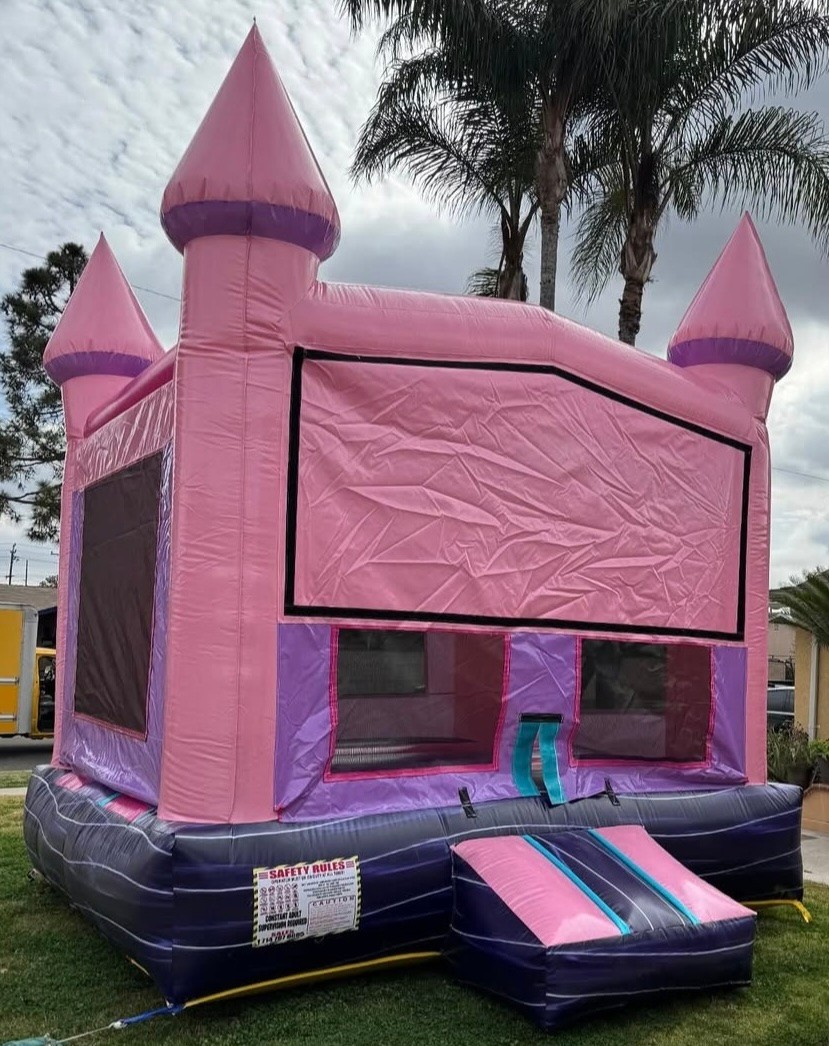
When you're building a commercial inflatable fleet in California, the per-unit price on a vendor quote sheet is the number that gets the most attention. It's easy to understand why. A $2,000 difference between two 15-foot bounce houses feels significant when you're ordering five or ten units at once. But that price gap can disappear entirely the first time a blower motor fails mid-rental season and you discover the vendor's warranty covers parts only if you ship the unit back to a warehouse in another state at your own expense.
Warranty terms are the part of a commercial inflatable purchase that most first-time fleet buyers skim or skip entirely. The fine print rarely comes up during the sales conversation, and vendors don't always volunteer the details. By the time something breaks, you're already committed. For CA rental operators, where summer rental seasons are long, temperatures push equipment hard, and customer expectations are high, a weak warranty isn't just an inconvenience. It's a direct hit to your revenue and your reputation.
The practical reality is that a unit with a slightly higher purchase price and a genuinely strong warranty will almost always deliver better ROI over a two-to-three year ownership window than a cheaper unit backed by vague or restrictive coverage. Understanding exactly what to look for before you sign a purchase order is one of the most valuable skills a new fleet owner can develop.
What a Strong Commercial Inflatable Warranty Actually Covers
Commercial inflatable warranties vary widely, and the language vendors use can sound reassuring without actually committing to much. A strong warranty for a commercial-grade bounce house or combo unit should cover several distinct categories, and you want each one addressed clearly in writing before you commit.
The stitching and seam warranty is the most important structural coverage to evaluate. Heavy commercial use puts constant stress on seams, especially at entry points, slide exits, and anchor attachment areas. Look for a warranty that covers seam failures for at least one year on a commercial unit, with two years being a reasonable expectation from reputable manufacturers. Some vendors offer extended seam coverage on specific product lines, which is worth paying attention to when comparing options.
Vinyl and material coverage addresses the outer shell of the inflatable itself. UV exposure is a real factor for CA operators who run outdoor events from spring through fall. A warranty that excludes UV degradation after a short window is a problem in a state where your units will spend significant time in direct sunlight. Ask specifically whether the warranty covers material integrity under normal outdoor commercial use, and what the vendor defines as "normal."
Blower and motor coverage is often handled separately from the inflatable itself, since blowers are typically sourced from a different manufacturer. Clarify whether the vendor covers blower failures under the same warranty or whether you're dealing with a separate claim process. Some vendors include blowers under a 90-day parts warranty, which is genuinely short for a commercial operation. Others offer one-year coverage on blowers with replacement parts shipped directly. The latter is far more useful when a blower fails on a Friday afternoon before a Saturday event.
Zipper and hardware coverage matters more than most buyers expect. Zippers on access panels and storage compartments take repeated stress, and replacement hardware that isn't sourced correctly can affect the structural integrity of the unit. A warranty that explicitly covers zipper and hardware failures for at least six months signals that the manufacturer stands behind the full unit, not just the parts that are most visible.
Red Flags in Vendor Warranty Language to Watch For
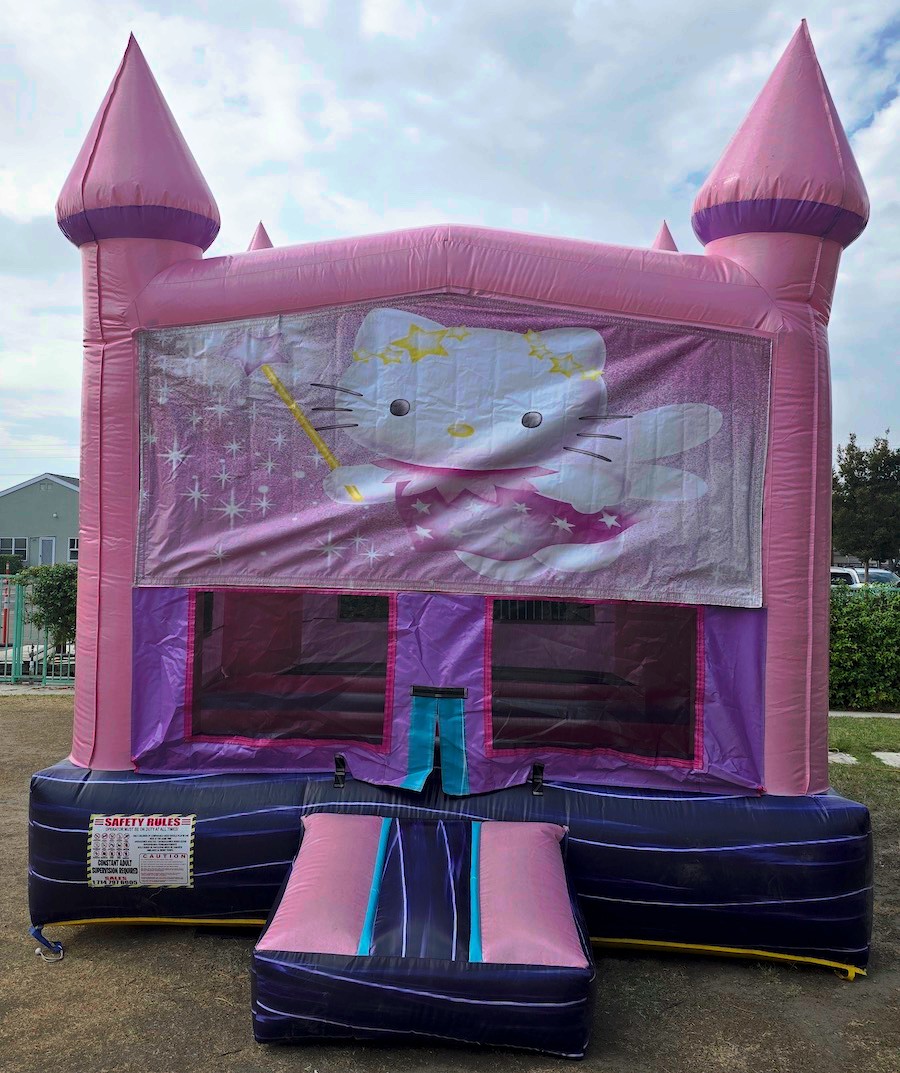
Knowing what a good warranty covers is only half the picture. Recognizing the language that signals a weak or nearly unenforceable warranty is equally important for CA fleet buyers.
"Warranty void if used commercially" is the most obvious red flag, and it appears more often than you'd expect on units marketed to rental operators. Some vendors sell inflatables at price points that attract commercial buyers while including residential-use language in the warranty terms. If you're building a rental fleet, you need a warranty that explicitly acknowledges commercial use as covered and expected.
Vague exclusions for "normal wear and tear" can be used to deny almost any claim if the language isn't defined. A reputable vendor will specify what constitutes normal wear (minor surface scuffing, small cosmetic fading) versus a warrantable defect (seam separation, material failure, blower malfunction). If the warranty document uses broad exclusion language without clear definitions, assume the vendor will interpret those exclusions in their favor when a claim arises.
Return-to-manufacturer requirements at the buyer's expense are a significant operational problem. If your warranty requires you to ship a 400-pound inflatable back to a facility across the country before any repair or replacement is authorized, the practical cost of making a claim often exceeds the value of the repair itself. Look for vendors who offer on-site repair guidance, replacement parts shipped directly to you, or authorized local repair networks.
Short warranty windows on structural components are worth scrutinizing carefully. A 90-day warranty on seams for a unit you plan to operate for three or more years is essentially no warranty at all. Industry-standard coverage from established commercial inflatable manufacturers typically runs one year on structural components, with some offering two years on premium product lines. Anything shorter than one year on seams and material should prompt you to ask why.
Warranty Support, Parts Access, and Vendor Responsiveness
The written warranty terms matter, but so does the vendor's actual ability to support you when something goes wrong. A warranty is only as useful as the company behind it, and for CA fleet operators, vendor responsiveness can be the difference between a one-day repair delay and a week of cancelled bookings.
Parts availability is a practical test of vendor quality that you can evaluate before purchasing. Ask the vendor directly whether replacement blowers, repair patches, anchor stakes, and zipper hardware are available for purchase separately and how quickly they ship. A vendor who stocks replacement components and can ship them within two business days is a meaningfully better partner than one who requires you to wait for a scheduled production run.
Ask about the vendor's repair documentation and support resources. Good commercial inflatable manufacturers provide repair guides, video tutorials, and direct access to a technical support line. If a seam starts to separate mid-season, you want to be able to make a field repair quickly and correctly, not wait for a technician to become available. Vendors who invest in customer support infrastructure are generally the same vendors who stand behind their warranty terms.
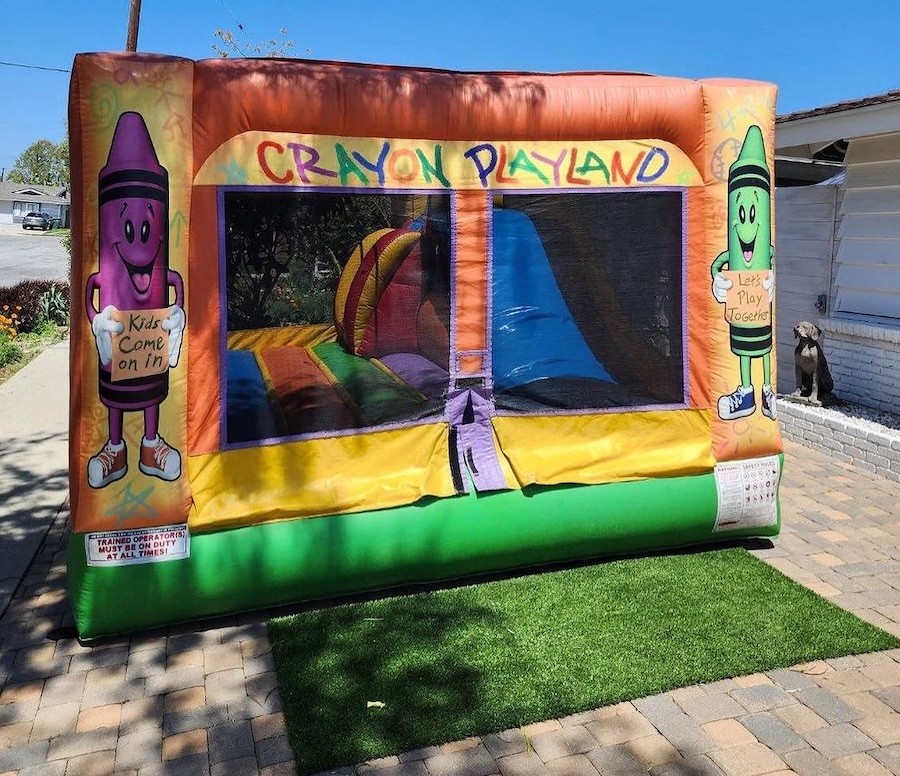
Response time to warranty claims is worth researching through reviews and direct conversation with other fleet operators before you buy. Industry forums and rental operator communities can give you real-world feedback on how specific vendors handle claims. A vendor who is easy to reach during the sales process but difficult to contact after purchase is a pattern that shows up consistently in negative reviews from commercial buyers.
For CA fleet operators specifically, consider whether the vendor has experience working with California-based rental businesses. State-specific factors like extended outdoor season length, heat exposure, and the volume of events during peak summer months can affect how equipment performs and how quickly you'll need warranty support. A vendor familiar with these conditions is better positioned to advise you on the right product lines and to understand your warranty claims in context.
How to Compare Warranty Value When Sourcing CA Fleet Inventory
When you're evaluating multiple vendors side by side, warranty value deserves its own column in your comparison. Reducing the decision to unit price alone leaves out a significant portion of the true cost of ownership over a multi-year rental operation.
A useful framework is to calculate the cost of a single mid-season unit failure without warranty support. Factor in the lost rental revenue for the days the unit is out of service, the cost of a replacement blower or repair materials sourced independently, and any customer goodwill costs if you have to cancel a booking. For most CA rental operators, a single significant failure without warranty coverage costs between $500 and $1,500 in direct and indirect losses. That number reframes a $300 price difference between two vendors very quickly.
Request the full warranty document in writing before finalizing any purchase. Verbal assurances from a sales representative are not enforceable, and the written terms are what govern any future claim. Read the exclusions section as carefully as the coverage section, and flag any language that is vague, broad, or contradicts what you were told verbally.
Compare warranty terms alongside the vendor's reputation for parts availability and claim responsiveness. A two-year warranty from a vendor with a history of slow responses and limited parts stock is worth less in practice than a one-year warranty from a vendor who ships replacement components the next business day and answers support calls reliably.
For fleet buyers who want a reference point for what commercial-quality inflatables look like in active rental use, browsing the Jump High Rentals catalog gives you a practical look at the types of units that hold up through full Orange County rental seasons. For deeper reading on the financial side of fleet ownership, the Jump High guides hub covers related topics including CA fleet startup costs, depreciation, and inventory planning. If you have specific questions about what to expect from commercial-grade equipment, the FAQ page is a good starting point, and you can always reach the team directly through the contact page.
Building a rental fleet in California is a real business investment, and the vendors you choose become long-term partners whether you intend them to or not. Taking the time to evaluate warranty terms with the same rigor you apply to unit price and specs is one of the clearest ways to protect that investment from the first season forward.