
Why Safety Briefings Matter for Commercial Inflatable Operators
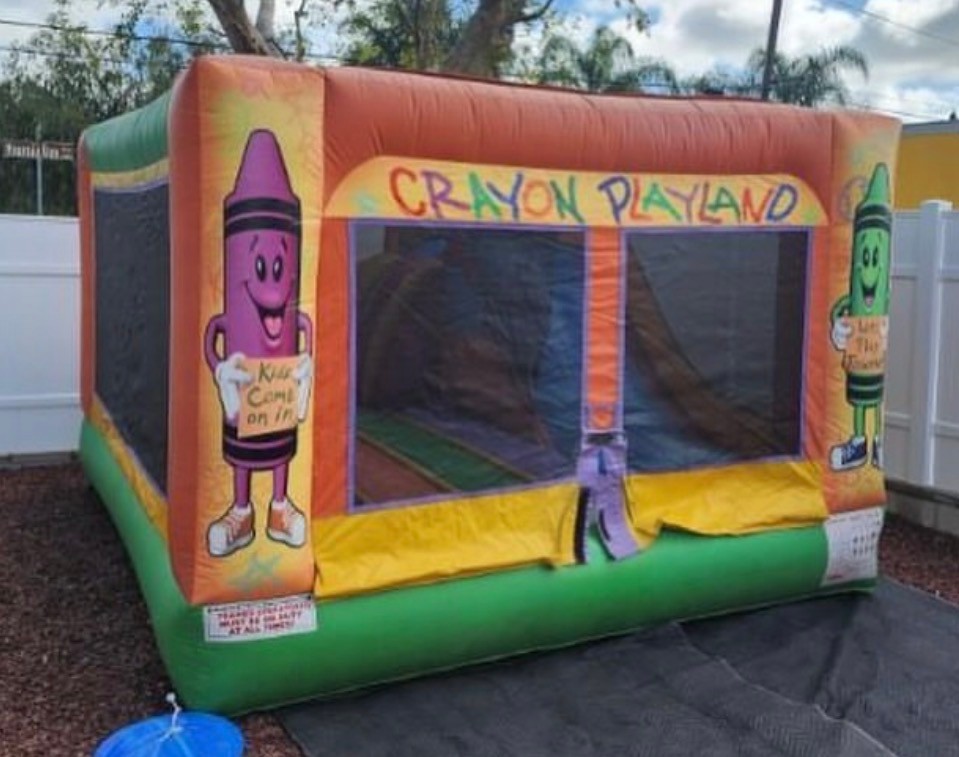
If you run a bounce house rental business, you already know that a damaged unit costs you money in two directions at once: repair costs go up and available inventory goes down. What many fleet operators underestimate is how much of that damage traces back to a single preventable moment, the two minutes before kids climb in when nobody explained the rules.
A pre-use safety briefing is not a formality you hand off to parents while your crew finishes staking the unit. It is an operational checkpoint that directly affects how your equipment performs across hundreds of rental cycles. When kids understand what they are and are not supposed to do inside an inflatable, the physical stress on seams, anchor points, and blower connections drops noticeably. That translates into fewer mid-season repairs, longer intervals between deep cleans, and units that hold their commercial resale value longer.
There is also a client-retention dimension here that fleet owners often overlook. Schools, churches, and HOAs book inflatables repeatedly, and they are watching how your crew behaves on-site. A team that delivers a calm, clear safety briefing before every session signals professionalism. It tells an event coordinator that your company takes the work seriously, which is exactly the message that earns you a spot on next year's vendor list. You can see how that dynamic plays out in institutional settings by reading the church and VBS inflatable rental guide for OC, where repeat bookings depend heavily on how operators present themselves on event day.
The broader industry context supports this framing. The U.S. Consumer Product Safety Commission maintains guidance on inflatable amusement ride safety that reinforces the connection between user behavior and equipment integrity. When your briefing aligns with recognized safety principles, you are not just protecting kids. You are protecting your investment.
The Core Rules Kids Need to Hear Before Every Session
The rules themselves are not complicated, but they need to be delivered clearly and consistently every single time. Inconsistency is where operators lose ground. If your crew skips the briefing at a low-key backyard birthday because the setup ran long, and a seam tears because six kids piled on at once, that repair cost falls on your business regardless of the circumstances.
Here are the core rules that belong in every pre-use briefing, framed in language your staff can adapt for different age groups.
No shoes inside the unit. This one protects both kids and vinyl. Hard soles and cleats accelerate surface wear and can puncture stitching near high-traffic zones. Make it a non-negotiable, and station a shoe collection area near the entrance so compliance is easy.
One direction of travel on slides. Kids naturally want to climb up the slide face, which puts lateral stress on the slide channel that it was not engineered to handle. A clear verbal instruction, reinforced by a staff member positioned near the slide, prevents most of this.
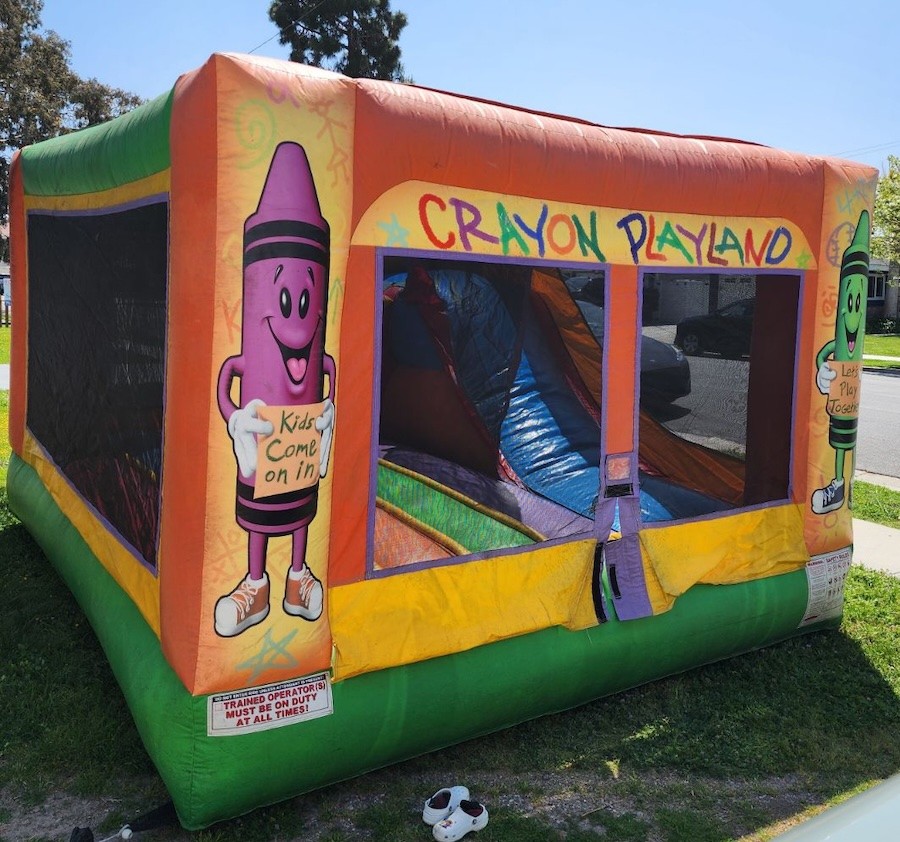
No flipping, wrestling, or rough play. This rule protects kids from collision injuries and protects your unit from the kind of concentrated impact that stresses anchor seams. Frame it positively for younger kids: "Bounce up and down, not into each other."
Stay seated at the top of the slide before going down. This prevents head-first descents and reduces the chance of kids colliding at the bottom. It also keeps the slide channel from taking the full weight of a standing child, which strains the seam where the slide attaches to the main chamber.
No food, drinks, or gum inside. Sticky residue accelerates mold growth inside vinyl folds and makes post-event cleaning significantly harder. A unit that requires an extended deep clean between bookings costs you a rental slot.
Capacity limits apply at all times. This is where your briefing connects directly to your equipment's engineering. Every unit has a posted capacity based on average child weight and chamber volume. Exceeding it does not just create a safety risk. It compresses the blower's workload, stresses the anchor system, and shortens the useful life of the material. The inflatable capacity limits guide explains how those numbers are calculated and why they matter operationally.
How Consistent Rules Protect Your Equipment and Extend Unit Life
Fleet operators who track maintenance costs over time tend to notice a pattern: units that go through events with structured briefings require fewer mid-season repairs than units deployed at events where briefings were skipped or rushed. The mechanism is straightforward. Most avoidable damage to commercial inflatables comes from concentrated, repetitive stress in the same locations, entry points, slide channels, anchor seam zones, and blower connections.
When kids know the rules before they enter, behavior inside the unit distributes more evenly. Bouncing stays centered. Traffic through the entry and exit points flows in one direction. The slide sees proper use. None of this eliminates normal wear, but it meaningfully reduces the accelerated wear that shortens a unit's commercial lifespan ahead of schedule.
Consider a 15-by-15 standard bounce house running 40 rental weekends per season. If rough play causes one seam repair every 12 events versus every 25 events, the difference in annual repair costs compounds quickly across a multi-unit fleet. Consistent briefings are one of the lowest-cost interventions available to you, requiring only staff time and a repeatable script.
There is also a cleaning efficiency angle. Units that come back from events with no food residue, no shoe scuff marks on the interior walls, and no debris in the blower intake take significantly less time to clean and inspect. Faster turnaround means more available rental days per unit per season. For a fleet owner evaluating ROI on each unit, that availability difference matters. The how inflatables are cleaned and sanitized in OC guide walks through what a proper post-event cleaning process looks like and where shortcuts create downstream problems.
Training Staff to Deliver Safety Briefings at Every Event
A safety briefing is only as good as the person delivering it. If your crew treats it as an afterthought, clients will notice, and so will the kids. The goal is a briefing that is short, confident, and consistent across every staff member and every event type.
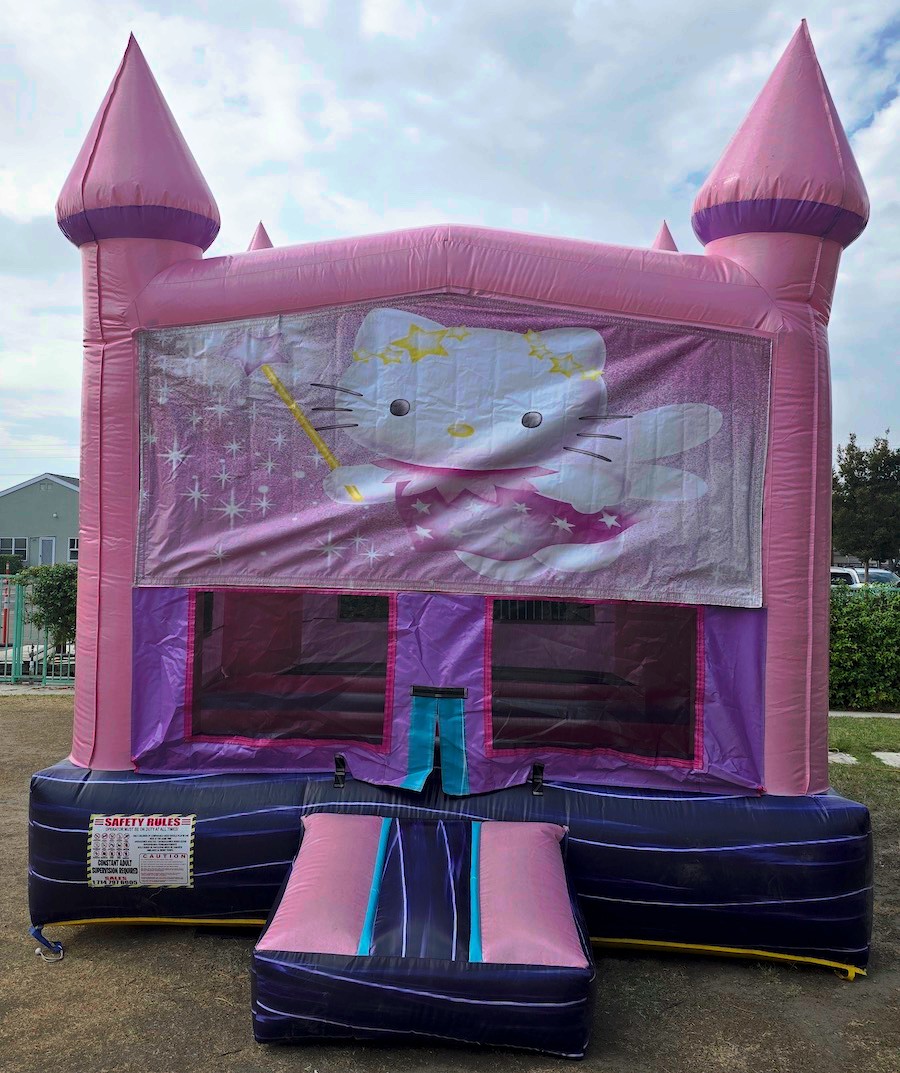
Start by writing a standard script. It does not need to be long, two to three minutes of clear verbal instruction covers the core rules. The script should be simple enough that a new crew member can deliver it comfortably after two practice runs, and specific enough that nothing important gets dropped when the event is busy or the crew is tired.
Role-play the briefing during staff onboarding. Have new hires deliver it to experienced staff before they deliver it to actual guests. This surfaces awkward phrasing, missed rules, and confidence gaps before they show up on a job site. Revisit the script at the start of each busy season so returning staff do not drift into abbreviated versions.
Position matters as much as the words. Your staff member delivering the briefing should be standing near the entrance of the unit, not across the yard. Eye contact with the kids, a calm tone, and a clear finish ("Any questions before you go in?") signal that the rules are real and expected to be followed.
For institutional clients like schools and churches, consider providing a printed one-page briefing summary that the event coordinator can post near the unit. This reinforces your crew's verbal briefing and gives the client something tangible that reflects your professionalism. It is a small detail that institutional buyers remember when they are deciding who to rebook. The church carnival inflatable rental checklist for OC includes examples of the documentation that event coordinators at larger venues typically expect.
Building Safety Protocols Into Your Rental Contract and Checklist
The most durable way to make safety briefings a consistent part of your operation is to build them into your paperwork and pre-event checklist, not just your verbal culture. When a briefing is listed as a required step on your crew's setup checklist, it does not get skipped because someone was in a hurry.
Your rental agreement should include a section that describes the renter's responsibility to supervise participants and enforce the posted rules. This is not a legal document review (consult a qualified attorney for contract language), but from an operational standpoint, having written acknowledgment that rules were communicated creates a shared understanding between your business and the client. It also reinforces to the client that your company takes safety seriously enough to put it in writing.
Your crew checklist should include a specific line item: "Pre-use safety briefing delivered to participants and supervising adults." Checking that box is a two-minute task that protects your equipment, your client relationship, and your reputation. Pair it with a post-event inspection checklist that notes any visible wear or damage immediately after pickup, so you can track whether certain event types or venues correlate with higher wear rates.
For operators building out their fleet or refining their operational systems, the inflatable rental checklist for OC parties with 50 guests and the supervising kids on inflatables practical OC guide both offer frameworks you can adapt for your own event-day documentation.
Safety briefings are one of the simplest systems a rental operator can standardize, and they pay dividends across equipment longevity, client trust, and crew professionalism. If you are building or refining your fleet's operational playbook, browse the full Jump High Rentals guides library for practical resources, or explore the rentals catalog to see the units that anchor a well-run Orange County inflatable business.