
Why HOA Events Need a Different Rental Approach
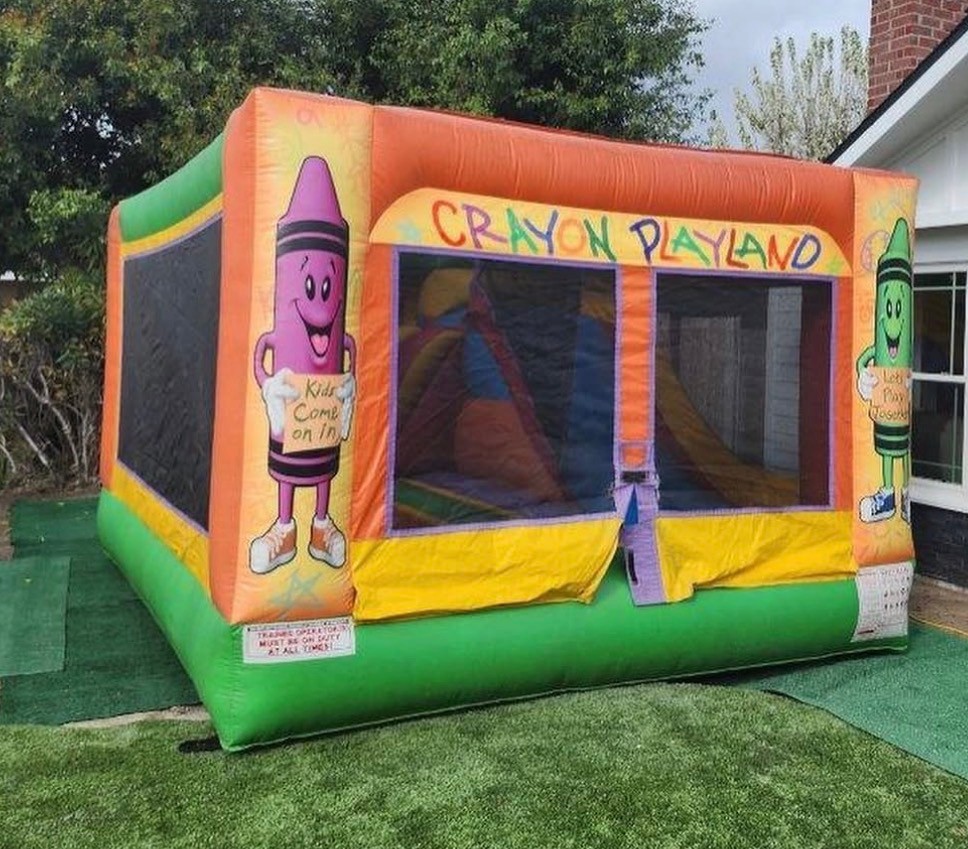
Planning a bounce house rental for a neighborhood block party or resident appreciation event is a genuinely different task than booking one for a backyard birthday. When you are coordinating for an HOA, you are not managing a guest list of twenty kids you already know. You are welcoming an entire community, which might mean fifty families showing up across a four-hour window, a mix of toddlers and teenagers, and a common area that has its own access rules, surface conditions, and noise considerations.
That shift in scale changes almost every decision you make, from which inflatables you choose to how many units you need running at once. It also changes the conversation you need to have with your rental company before you book anything. A vendor who is great at dropping off a single bounce house in a Yorba Linda backyard may not have the logistics experience to coordinate a multi-unit setup in a gated community with a narrow delivery window and a property manager who needs to sign off on placement.
Jump High Rentals works regularly with HOA event planners across Orange County, and the consistent feedback is that the events that go smoothly are the ones where the planner shared venue details early and asked the right questions upfront. If you are organizing a community event this year, this guide walks you through exactly what those questions are and how to think through the answers.
Choosing the Right Inflatables for Community Crowd Sizes
The most common mistake HOA planners make is underestimating throughput. A single standard bounce house, even a large one, can realistically accommodate about six to eight kids at a time safely. If you are expecting 80 to 150 residents to attend over the course of an afternoon, that single unit will create a bottleneck fast, and frustrated kids waiting in long lines is not the community goodwill moment you were hoping for.
For events with 50 or more expected participants, most experienced planners start thinking in terms of multiple units rather than one large one. A practical combination for a mid-size HOA event might be a standard bounce house for younger children, a combo unit with a slide for the middle-age group, and an obstacle course for older kids and teens who want something more competitive. That spread keeps different age groups engaged in separate spaces, reduces crowding at any single unit, and gives parents a clearer sense of where their kids should be.
If your common area has the square footage, a waterslide or wet combo unit adds a lot of energy to a summer event. Orange County summers are warm enough that a water feature becomes the most popular station almost immediately. You can read more about how to think through that decision in the waterslide vs. combo unit guide on the Jump High site.
For very large events, the multi-unit inflatable rentals guide covers how to plan unit placement and rotation for crowds of 100 or more. The core principle is simple: more units running in parallel means shorter wait times and a better experience for everyone.
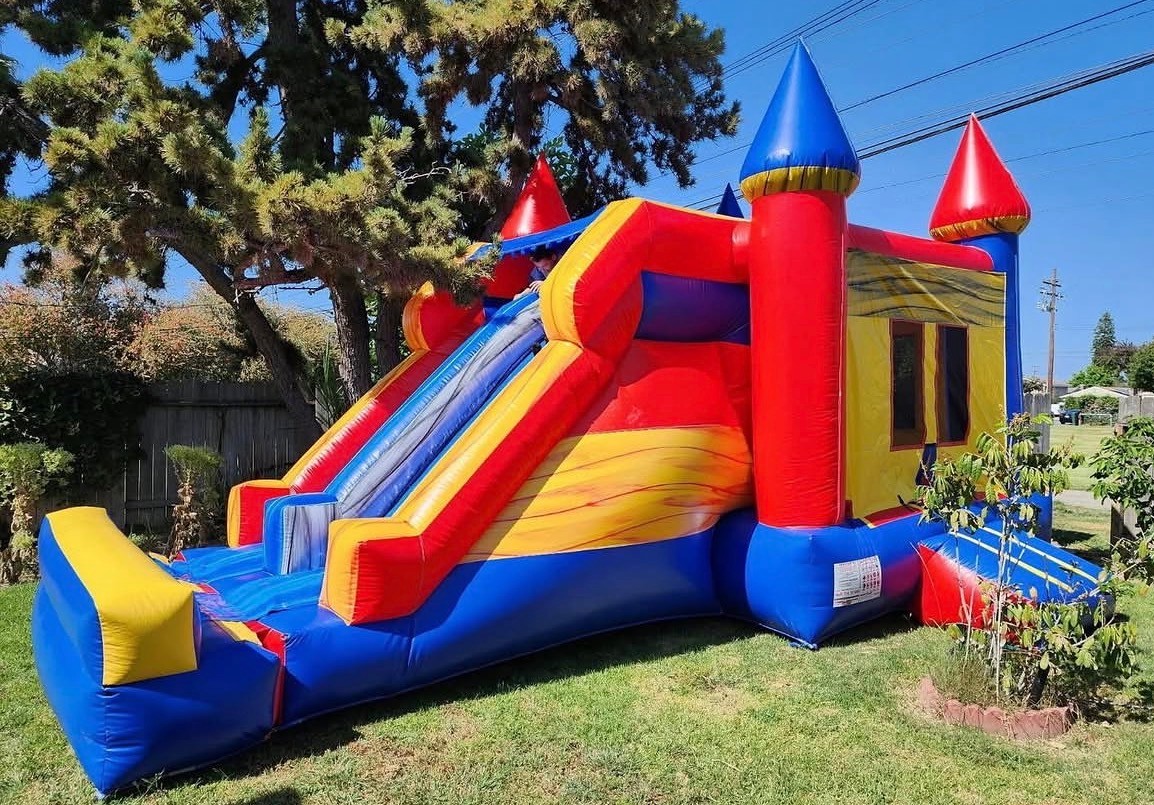
Guest count is not the only variable, though. Age range matters just as much. A community event that draws mostly families with young children calls for a different unit mix than one where you expect a lot of preteens and teens. Obstacle courses and larger combo units tend to hold the attention of older kids far better than a standard bounce house, which they may find too easy. If you are unsure how to match unit types to your expected crowd, sharing your estimated age breakdown with Jump High when you reach out for a quote makes the recommendation process much faster.
Delivery, Setup, and HOA Common Area Logistics
HOA common areas come with logistics that a typical residential driveway does not. Gated entrances, parking restrictions, narrow pathways between buildings, underground irrigation systems, and designated vendor access hours are all real factors that can affect whether setup goes smoothly or turns into a stressful scramble on event morning.
The most important thing you can do before booking is measure your available space and confirm access details with your property manager. Inflatables need clear, flat ground with enough room for the unit itself plus a safety buffer on all sides. A standard bounce house typically needs a footprint of around 15 by 15 feet at minimum, and larger combo units or obstacle courses can require 20 by 40 feet or more. If your common area has trees, light poles, or overhead lines nearby, those need to be factored in as well.
Surface type matters for anchoring. Grass is the easiest surface to work with because stakes can be driven into the ground to secure the unit. Concrete, pavers, or artificial turf require a different anchoring approach using sandbags or weighted anchor systems. If your common area has artificial turf, the anchoring guide for artificial turf setups explains what to expect from that process.
Power access is another HOA-specific consideration. Inflatables run on continuous blower motors that need a dedicated 20-amp circuit within a reasonable distance of the unit. If your common area does not have outdoor outlets nearby, you may need a generator. Jump High can advise on power requirements when you share your venue layout, and the power and extension cord guide covers the basics in plain language.
Delivery timing is worth coordinating carefully. Many HOAs have rules about vendor access hours, and some gated communities require advance notice or a vehicle pass for delivery crews. Letting your rental company know about these requirements when you book, not the day before, gives everyone time to plan around them. Jump High typically needs a setup window of 60 to 90 minutes before your event start time for a standard single-unit delivery, and longer for multi-unit setups.
Safety and Supervision for Mixed-Age Neighborhood Events
Community events bring together kids of very different ages and sizes, which is exactly the situation where clear safety rules matter most. A five-year-old and a twelve-year-old bouncing in the same unit at the same time is a recipe for an accidental collision, and it is the kind of thing that can happen quickly when supervision is not organized.
The practical solution most HOA planners use is age-based rotation windows or designated units for different age groups. If you have multiple inflatables running, assigning one unit to younger children and another to older kids removes most of the size-mismatch risk. Clear signage at each unit helps parents and kids self-sort, and it gives your volunteer monitors something concrete to enforce.
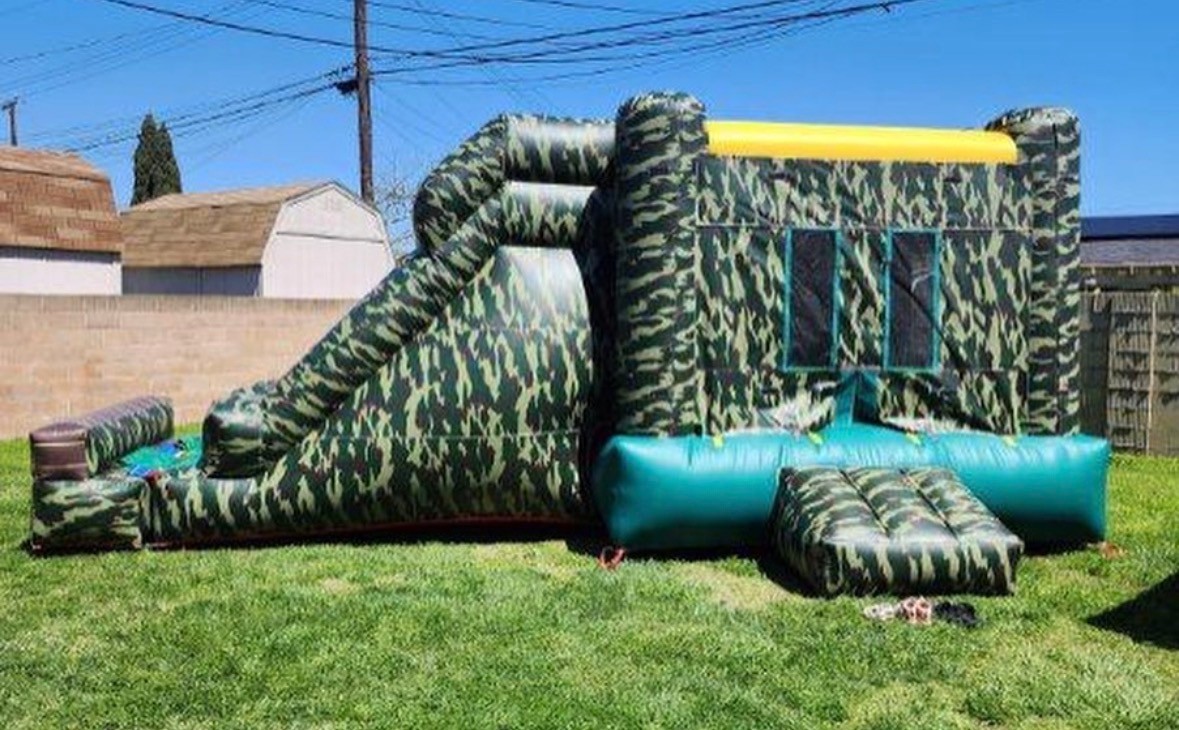
Speaking of monitors: plan for at least one adult supervisor per active inflatable unit. That person's job is to manage the line, enforce capacity limits, and watch for rough play. Volunteer monitors work well for HOA events, but they need a clear briefing before the event starts. The supervision guide for OC inflatable parties has a practical rundown of what monitors should be watching for and how to handle common situations.
Capacity limits are set by the manufacturer and are not suggestions. Each unit has a posted maximum number of riders based on weight and size. Exceeding those limits puts stress on the unit and increases the chance of injury. Jump High's delivery team will walk you through the capacity for each unit during setup, and the inflatable capacity limits guide explains how those numbers are calculated and why they matter.
Wind is a safety factor that catches some planners off guard at outdoor community events. Orange County can see afternoon gusts, particularly in inland areas. Inflatables have wind speed thresholds above which they should be deflated and taken out of use. If you are planning a full-day event, it is worth having a plan for what happens if wind picks up in the afternoon. The wind speed and inflatable safety guide covers the thresholds and what to do if conditions change during your event.
How to Book and What to Expect on Event Day
HOA events benefit from earlier booking than most backyard parties. If you are planning a summer block party or a fall community celebration, reaching out at least four to six weeks in advance gives you the best selection of units and the most flexibility on delivery timing. Popular weekends in Orange County fill up quickly, and multi-unit requests take more coordination than a single booking.
When you contact Jump High, the most useful information to share upfront is your event date, your expected guest count and age range, your venue address and a description of the common area (including surface type and access details), and any HOA-specific requirements like vendor access windows or noise restrictions. That information allows the team to put together a quote that actually fits your situation rather than a generic estimate you will need to revise later.
On event day, the Jump High crew will arrive during your agreed setup window, handle all inflation and anchoring, and walk you through the safety rules for each unit before they leave. Pickup happens after your rental window closes, and the crew handles all deflation and removal. Your job is to have your volunteer monitors in place and your access pathway clear when the truck arrives.
If you are ready to start planning, the contact page is the fastest way to reach the Jump High team with your event details. You can also browse the full rentals catalog to get a sense of unit options before you reach out, and the FAQ covers common questions about deposits, cancellation policies, and what happens if weather becomes a factor on event day.
Community events are worth doing well. The right inflatable setup, planned with enough lead time and the right logistical details in hand, can turn a standard HOA gathering into the kind of afternoon that residents talk about for the rest of the year.