
What Wyoming Buyers Should Evaluate Before Choosing a Vendor
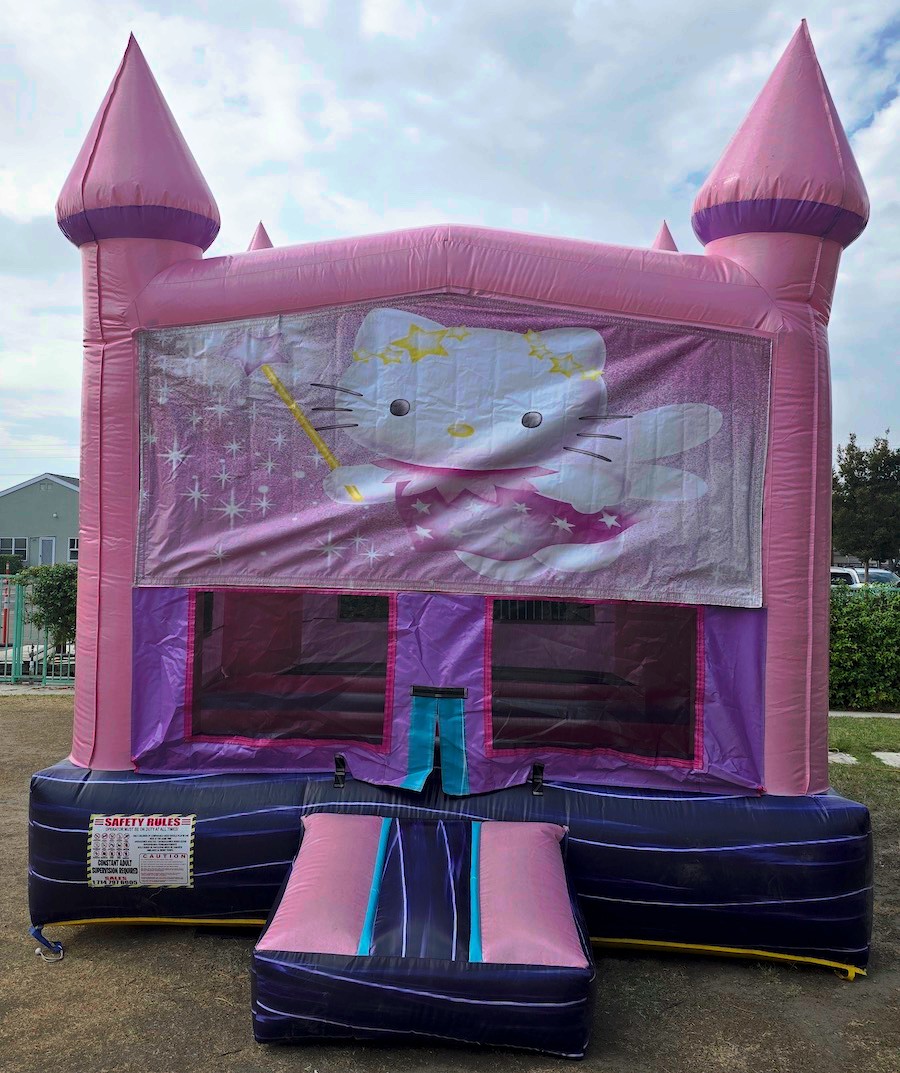
If you're building a bounce house rental fleet in Wyoming, the vendor decision carries more weight than it does for operators in coastal metro markets. You're not just picking a product catalog. You're committing to a freight relationship, a warranty partner, and a support structure that will either hold up or fall apart the first time a blower fails mid-season in Casper or a seam splits during a Cheyenne summer event.
The first thing to evaluate is whether a wholesale vendor actually has experience shipping to WY destinations. Many commercial inflatable manufacturers list nationwide shipping on their websites, but their freight quotes and lead times are calibrated for high-volume lanes to California, Texas, or Florida. Wyoming sits outside those primary corridors, which means longer transit windows, higher per-unit freight costs, and sometimes limited carrier options for oversized freight. Ask vendors directly how many units they've shipped to Wyoming zip codes in the past 12 months. A vendor who can answer that question with specifics is a vendor who has actually done it.
Beyond freight, evaluate the vendor's product line against your local market. Wyoming's rental season is compressed. Most operators see their strongest demand from late May through early September, with some shoulder activity around fall festivals and school events. That short window means every unit in your fleet needs to be deployable and revenue-generating quickly. You don't have the luxury of a slow ramp-up that operators in year-round markets enjoy. Prioritize vendors who carry commercial-grade combo units and obstacle courses that appeal across age groups, since versatility matters more when your active season is short.
Finally, look at minimum order quantities and payment terms before you fall in love with a product line. Some wholesale suppliers require multi-unit minimums that make sense for large fleet operators but create cash flow pressure for a startup building its first five to eight units. Others offer net-30 or net-60 terms that can ease the capital burden during your pre-season inventory build. Understanding these terms upfront prevents surprises that can derail your launch timeline.
Freight, Delivery, and Receiving Inflatables in WY
Freight is where Wyoming buyers feel the most friction, and it's worth spending real time on this before you commit to a vendor. Commercial inflatables ship as oversized freight, typically on pallets or in large poly bags secured to skids. A single combo unit can weigh 200 to 400 pounds depending on size, and a large obstacle course or commercial waterslide can exceed 600 pounds. Those weights, combined with Wyoming's distance from major manufacturing hubs in California and the Southeast, push freight costs meaningfully higher than national averages.
As a rough planning benchmark, expect freight costs for a single commercial-grade bounce house or combo unit to run anywhere from $150 to $400 or more depending on origin point, carrier, and your delivery zip code. Units shipping from California manufacturers to central or eastern Wyoming will generally land at the lower end of that range compared to units originating from the Southeast. Always request a freight quote specific to your address before finalizing a purchase. Published shipping estimates on vendor websites are often based on hub-city destinations and will not reflect your actual cost.
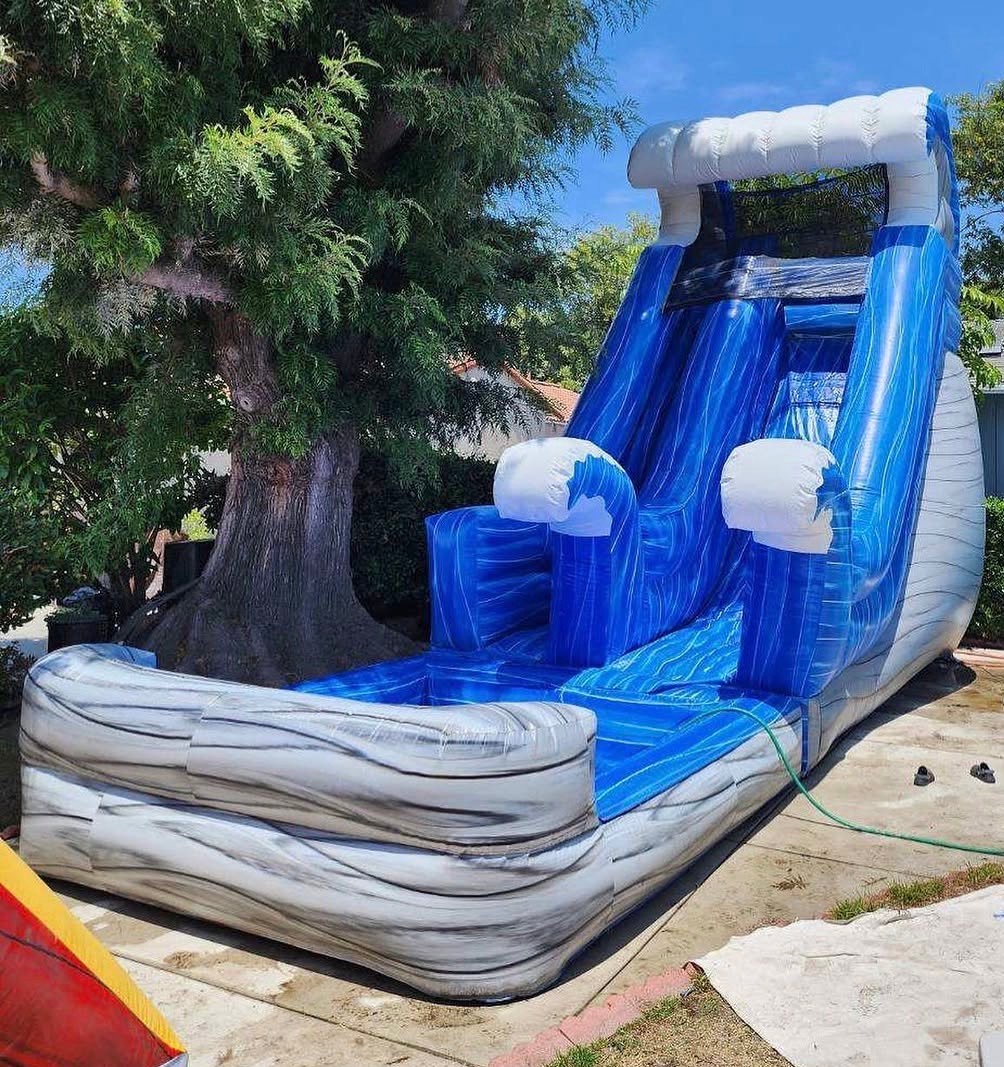
Lead times are equally important to plan around. Most commercial inflatable manufacturers are operating on four to eight week production and shipping windows for standard catalog units, and custom or themed units can run longer. If you're planning to launch or expand your fleet for the Wyoming summer season, orders placed after April may arrive too late for your peak window. Build your procurement calendar backward from your target launch date and add buffer for freight delays, which are more common on longer hauls with carrier transfers.
When your units arrive, inspect everything before signing the delivery receipt. Check for visible damage to packaging, and once you open the units, inflate each one fully and inspect seams, anchor loops, blower ports, and stitching before your first rental. Document any damage with photos immediately. Most vendors require damage claims to be filed within a short window after delivery, sometimes as few as 48 to 72 hours, so prompt inspection protects your warranty rights. For a practical look at how commercial inflatables perform in real rental conditions, browsing Jump High's rental fleet gives you a useful reference point for what well-maintained commercial units look like after regular use.
Unit Specs, Sizing, and Commercial Grade Standards
Not all inflatables sold as "commercial grade" are built to the same standard, and Wyoming buyers need to understand what that label actually means before committing capital. True commercial-grade inflatables are constructed from 18-ounce or heavier PVC or vinyl material, use double-stitched or quadruple-stitched seams at stress points, and include reinforced anchor loops rated for staking in variable ground conditions. Consumer-grade units, which are sometimes marketed with commercial-sounding language, typically use lighter 13-ounce or 14-ounce material and will not hold up to the daily rental cycles and outdoor conditions your fleet will face.
Ask vendors for material weight specifications in writing, not just marketing descriptions. Reputable wholesale suppliers will provide spec sheets that list material weight, blower CFM requirements, weight capacity ratings, and ASTM or CPSC compliance information. Units that lack documentation on these points are a risk worth avoiding, regardless of price.
For sizing, Wyoming operators should think carefully about the mix of unit footprints in their fleet. Residential backyards in smaller Wyoming cities and towns tend to have more usable space than urban California lots, which is an advantage. However, access paths, gate widths, and surface conditions vary significantly across the state. A 15-by-15-foot standard bounce house is the most universally deployable unit and should anchor most starter fleets. Combo units in the 20-by-20-foot range offer more revenue per rental but require more setup space and longer delivery logistics. Obstacle courses, which can run 40 to 60 feet in length, are strong performers for school events and community festivals but need careful site assessment before booking.
Water units deserve a separate note. Wyoming's summer temperatures can drive strong demand for waterslides and combo wet-dry units, but the season for water rentals is genuinely short, often limited to July and early August in higher-elevation markets. Factor that into your inventory mix so you're not carrying expensive wet units that sit idle for most of your season. The waterslide vs. combo unit guide from Jump High's resource library offers useful framing on how operators think through that tradeoff, even if the geography differs.
Warranty Coverage and Vendor Support After the Sale
Warranty terms are where the difference between a strong wholesale vendor and a weak one becomes most visible, usually at the worst possible moment. A commercial inflatable represents a capital investment of $1,500 to $5,000 or more per unit depending on size and complexity. If a seam fails, a blower port tears, or a structural weld separates after 20 rentals, your warranty coverage determines whether that's a minor repair cost or a significant loss.
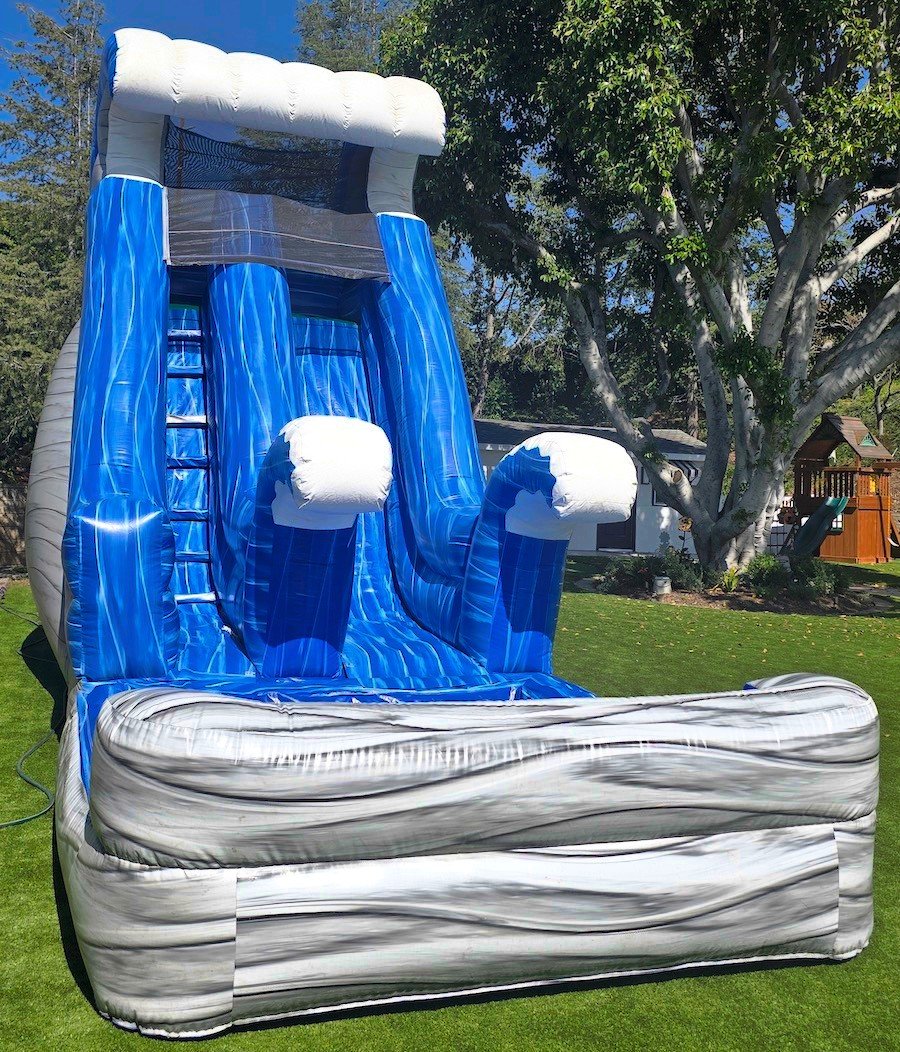
Look for vendors offering at minimum a one-year warranty on materials and workmanship, with clear language about what is and is not covered. Wear items like blowers are often excluded or carry shorter coverage windows, which is standard. What matters more is how the vendor handles structural defects in the vinyl or stitching. Ask specifically whether warranty claims require you to ship the unit back to the manufacturer (expensive and time-consuming from Wyoming) or whether the vendor provides repair materials and instructions for field repairs. The best vendors will send patch kits, replacement blowers, and repair guidance so you can address minor issues without losing rental days.
Vendor responsiveness is harder to evaluate before you buy, but you can get a signal by testing it during the sales process. Call or email with a specific technical question about a unit you're considering. How quickly does the vendor respond? Do they answer with specifics, or do they redirect you to a generic FAQ? A vendor who is slow or vague before the sale will not improve after you've paid. Look for vendors who have U.S.-based customer support, not just an overseas manufacturing contact, since time zone differences and language barriers complicate warranty claims significantly.
ROI Timelines and Inventory Planning for WY Rental Seasons
Wyoming's compressed rental season requires a different ROI framework than operators in year-round markets use. A bounce house rental business in Southern California might project 40 to 45 rental weekends per year. A Wyoming operator in a mid-size market like Laramie or Gillette is more realistically looking at 18 to 25 active rental weekends, concentrated between late May and early September. That shorter window means your per-unit revenue target per season needs to be higher to hit the same annual return.
As a general planning benchmark, a commercial-grade bounce house purchased for $1,800 to $2,500 and rented at $150 to $250 per day needs roughly 10 to 15 rental days to recover its purchase cost, not counting operating expenses like fuel, labor, and insurance. In a 20-weekend Wyoming season, hitting that threshold is achievable in year one if your booking rate is solid. Combo units and obstacle courses carry higher purchase prices but also command higher rental rates, so the per-unit ROI math can work out similarly or better if your market supports the demand.
Inventory planning for a WY startup should prioritize depth over breadth in your first season. Two or three versatile units that you can keep consistently booked will outperform a wider fleet with gaps in your schedule. As you build your booking history and understand your local demand patterns, you can add specialty units like themed bounce houses, waterslides, or large obstacle courses in subsequent seasons. The inflatable rental checklist for large OC events offers a useful lens on how operators think about unit selection for different event sizes, which translates well to community events and school bookings in Wyoming markets.
Storage is a real cost that Wyoming operators sometimes underestimate. Commercial inflatables need to be stored clean, dry, and away from rodents and UV exposure during the off-season. A climate-controlled storage unit or dedicated garage space is worth budgeting for, since moisture damage and UV degradation during storage can shorten a unit's useful life significantly and void warranty coverage.
If you're ready to move from planning to purchasing, reviewing how commercial units perform in active rental conditions is a practical first step. Browse Jump High's rental fleet to see the unit types and sizes that hold up across real events, then reach out through the contact page if you'd like guidance on sourcing or referrals to vetted wholesale partners who have experience shipping to Wyoming buyers. You can also explore the Jump High guides library for additional operational context as you build out your business plan.