
Evaluate Warranty and Vendor Support for Commercial Inflatables
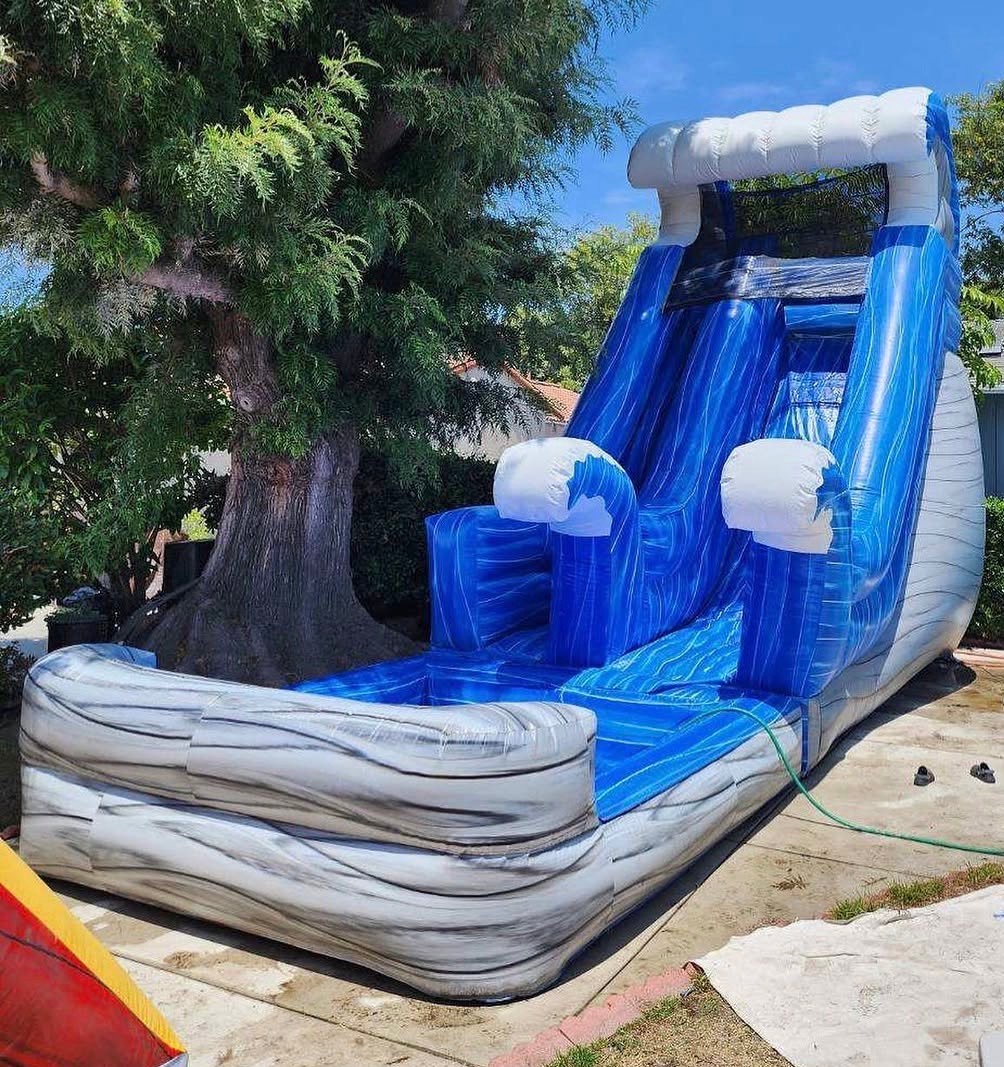
Buying a commercial-grade inflatable is not the same decision as renting one for a weekend. When you commit capital to a bounce house, obstacle course, or waterslide for your rental fleet, you are entering a multi-year business relationship with the manufacturer or distributor who sold it to you. The unit price on the invoice is only the beginning. What happens six months later when a seam separates on a busy Saturday in Tulsa? What happens when the blower motor fails the week before a school carnival booking? The answers to those questions depend almost entirely on the warranty terms you agreed to and the vendor support structure behind the product.
This guide is written for fleet operators, rental business owners, and commercial buyers who want to ask smarter questions before they sign. Whether you are building your first fleet or expanding an existing one in Oklahoma or surrounding markets, understanding how warranty coverage, parts availability, and vendor responsiveness actually work in practice will protect your revenue and your reputation.
What Commercial Inflatable Warranties Actually Cover
Most commercial inflatable warranties are structured around two separate components: the vinyl shell and seams, and the blower motor. These are treated differently because they fail in different ways and at different rates.
Seam coverage is the more critical of the two for most fleet operators. A quality commercial inflatable should carry seam warranty coverage of at least one to two years, with some manufacturers offering longer coverage on double-stitched or heat-welded seams. Read the fine print carefully. Many warranties distinguish between seam failures caused by manufacturing defects and those attributed to improper anchoring, overloading, or weather exposure. If a unit blows over in high winds because a customer failed to stake it properly, that damage almost certainly falls outside warranty coverage. Understanding that boundary before you buy helps you set realistic expectations and write better rental agreements.
Blower motor warranties tend to run shorter, often six months to one year, because motors are considered wear items. Some vendors offer extended blower coverage as an add-on or bundle replacement blowers at a discounted rate for fleet buyers. Ask specifically whether the warranty covers the motor only or also covers the wiring harness and thermal cutoff components, since those secondary parts can fail independently and are sometimes excluded.
Beyond the components themselves, pay attention to what the warranty requires of you. Many manufacturers void coverage if the unit is used on surfaces not specified in the manual, if repairs are made by an unauthorized party, or if the unit is stored improperly. Keeping a simple maintenance log for each unit in your fleet is one of the most practical ways to protect your warranty claims. Document every inspection, every repair, and every event the unit attends. If you ever need to file a claim, that paper trail demonstrates responsible operation.
One more thing to check: whether the warranty is transferable. If you eventually sell a unit to another operator or liquidate part of your fleet, a transferable warranty adds real resale value and can be a meaningful selling point.
How to Evaluate Vendor Support Before You Buy
A warranty is only as good as the company standing behind it. Before you commit to a vendor, spend time evaluating their support infrastructure rather than just their catalog and pricing.
Start by asking how warranty claims are actually processed. Some manufacturers handle claims directly through a dedicated support team. Others route everything through regional distributors, which can add days or weeks to resolution time. Ask for a realistic timeline: from the moment you submit a claim with photos and documentation, how long before you receive a replacement part or a repair authorization? For a fleet operator with bookings on the calendar, a three-week turnaround is a very different problem than a three-day turnaround.
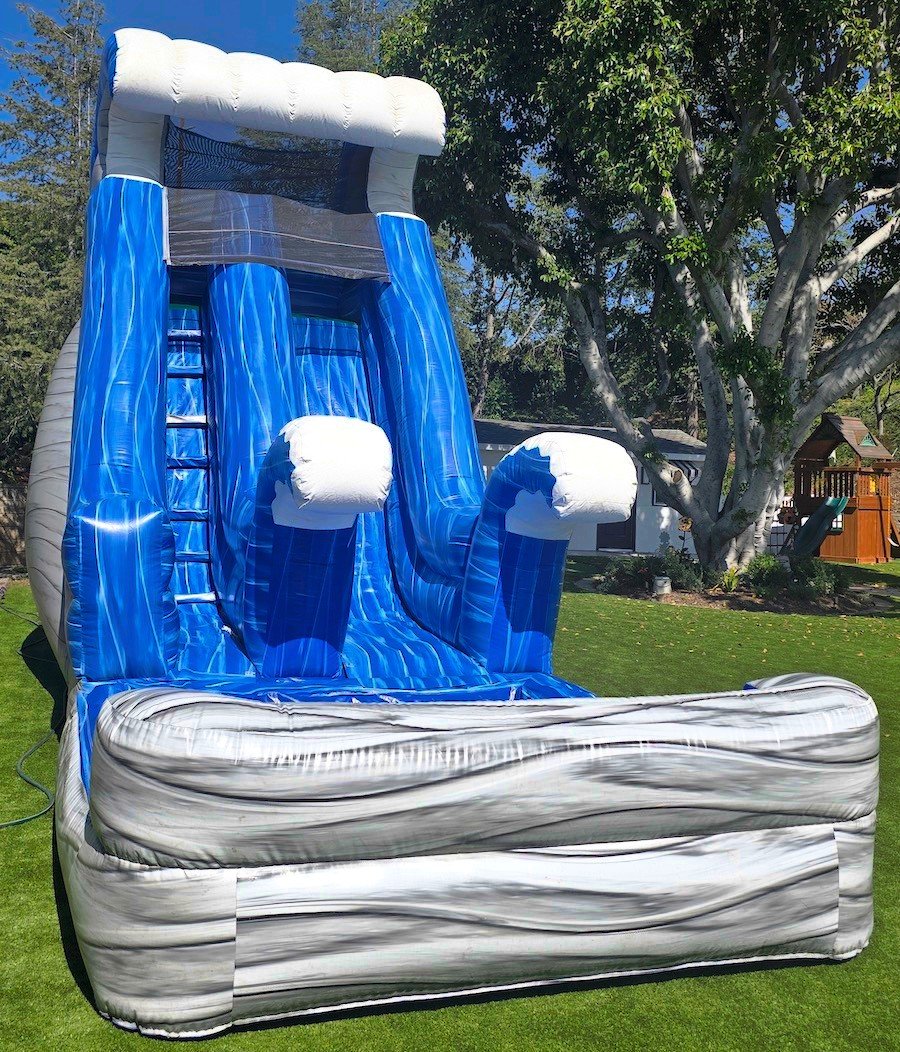
Ask whether the vendor has a dedicated commercial or fleet account representative. Vendors who sell primarily to consumers often lack the infrastructure to support business buyers efficiently. A dedicated rep who understands your booking volume, your seasonal peaks, and your unit mix is genuinely valuable. That person can flag upcoming product changes, alert you to parts that are being discontinued, and sometimes expedite support when you have a time-sensitive situation.
Check the vendor's reputation through industry channels rather than relying solely on their own marketing. Look for operators in online rental business communities who have dealt with that vendor over multiple years. Ask specifically about how the vendor handled problems, not just whether the products performed well. A vendor who resolves issues quickly and fairly is worth more than one who sells a slightly cheaper unit but disappears when something goes wrong.
Finally, ask whether the vendor offers any training resources or documentation for field repairs. Some manufacturers provide detailed repair kits, instructional videos, and technical guides that allow your own staff to handle minor seam repairs or blower swaps without waiting for outside service. That capability can be the difference between a unit sitting idle for a week and getting it back on the schedule within a day.
Freight, Delivery, and What Happens If a Unit Arrives Damaged
Commercial inflatables ship via freight carriers, not standard parcel services. For buyers in Oklahoma, that typically means LTL (less-than-truckload) freight, and the delivery experience can vary significantly depending on the carrier the vendor uses and the distance from the manufacturing or distribution point.
Before your unit ships, confirm whether the vendor uses a preferred carrier or allows you to specify one. If you have an existing freight account with favorable rates or a carrier you trust for damage-free delivery, ask whether you can arrange your own pickup. Some vendors accommodate this; others require you to use their contracted carrier.
The most important step in any freight delivery is the inspection process at the moment of receipt. Do not sign the delivery receipt as clear until you have physically inspected the packaging for damage. If the outer packaging shows any signs of impact, puncture, or crushing, note it on the delivery receipt before the driver leaves. Take dated photographs of the packaging and the unit itself. This documentation is essential for filing a freight damage claim, and without it, both the carrier and the vendor have grounds to deny responsibility.
Ask the vendor in advance what their freight damage policy looks like. Specifically: do they require you to file the claim with the carrier directly, or do they handle it on your behalf? What is the timeline for reporting damage after delivery? Some vendors require damage to be reported within 24 to 48 hours of receipt, and missing that window can forfeit your claim entirely. Knowing the process before the unit arrives means you are prepared to act quickly if something goes wrong.
For Oklahoma buyers, it is also worth asking about delivery timelines during peak season. Spring and early summer are high-demand periods for commercial inflatables nationwide, and lead times from some manufacturers can stretch to several weeks. If you are building out inventory for a summer season, placing orders in late winter gives you buffer time to address any freight issues without disrupting your booking calendar.
Repair Turnaround and Parts Availability for Fleet Operators
Even a well-maintained commercial inflatable will eventually need a repair. Seams wear, vinyl degrades in UV exposure, and blowers cycle through their service life. The question is not whether you will need parts and repairs, but how quickly you can get them.
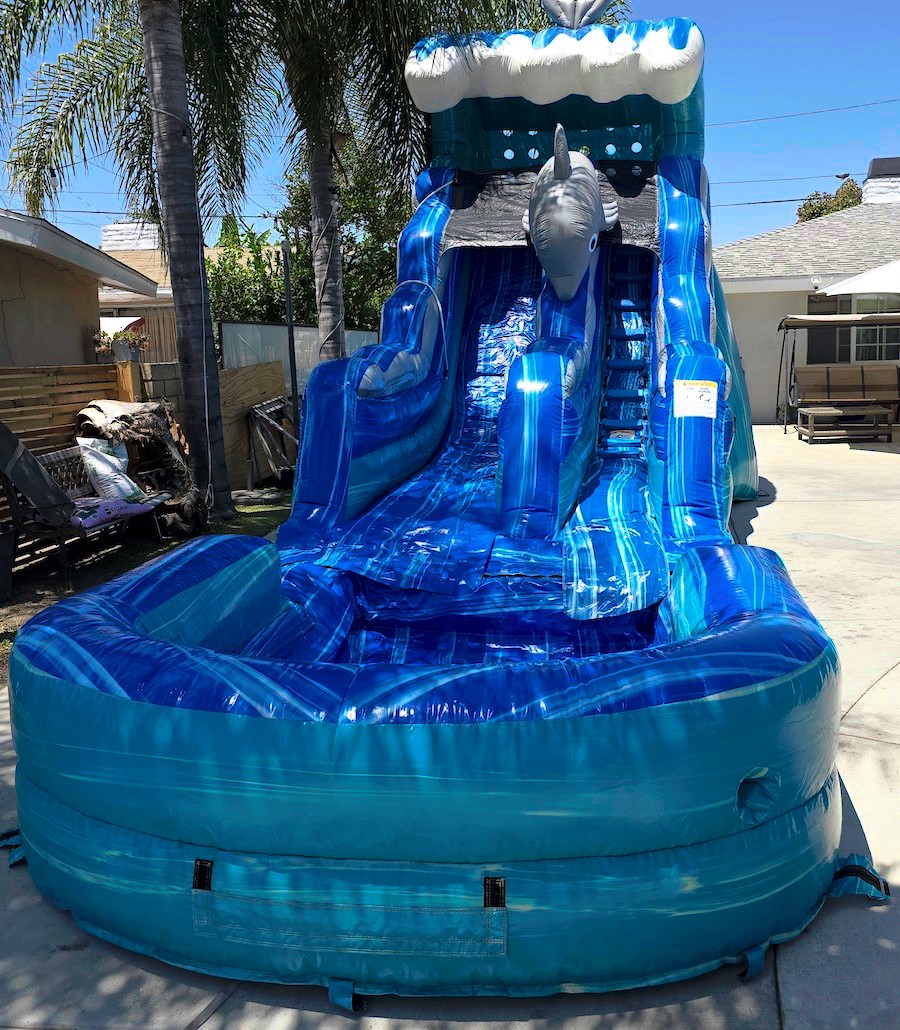
Parts availability is one of the most underrated factors in vendor selection. Ask whether the manufacturer stocks replacement parts domestically or ships them from overseas. Domestic parts availability typically means faster turnaround, which matters enormously when a unit is booked for an event in two weeks. Ask specifically about blower availability, since blowers are the most commonly replaced component and some vendors carry them in stock while others treat them as special-order items.
For fleet operators running multiple units, it is worth asking whether the vendor offers a parts program or a maintenance kit subscription. Some commercial manufacturers sell pre-packaged repair kits that include vinyl patches, adhesive, replacement anchor stakes, and spare blower fuses. Keeping a basic repair kit on hand for each unit type in your fleet allows your staff to handle minor field repairs without waiting for a parts shipment.
Authorized repair networks are another consideration. Some manufacturers maintain a network of certified repair shops that can perform warranty-covered repairs without voiding coverage. If your fleet is based in Oklahoma and the nearest authorized repair facility is several states away, that is a logistical challenge worth understanding before you buy. Ask whether the vendor allows you to use a local vinyl repair specialist for non-warranty work, and whether doing so affects your coverage on other components.
You can get a practical sense of commercial-grade unit quality by reviewing the Jump High Rentals fleet as a reference point. Seeing how commercial units are built and maintained in an active rental operation gives you a useful benchmark when evaluating what vendors are offering you on paper.
Building a Long-Term Vendor Relationship That Protects Your ROI
The most successful fleet operators tend to concentrate their purchasing with a small number of vendors rather than chasing the lowest price across a wide range of suppliers. There are practical reasons for this. A vendor who sees consistent volume from your account is more likely to prioritize your support requests, alert you to upcoming sales or new product releases, and work with you on pricing as your fleet grows.
Start that relationship by being a clear and organized buyer. Know your unit mix before you call. Understand your storage capacity, your delivery vehicle dimensions, and your target booking demographics. A vendor who can see that you have a real business plan is more likely to invest time in helping you build the right inventory rather than simply pushing their highest-margin products.
Revisit your vendor relationships annually. Warranty benchmarks shift as the industry evolves, and a vendor who offered strong coverage two years ago may have changed their terms. Check whether parts that were once stocked domestically have moved to longer lead times. Ask whether any new product lines are coming that might replace units you are currently running.
For fleet planning questions or to talk through how commercial-grade units perform in an active rental operation, the Jump High Rentals contact page is a good starting point. You can also browse the guides library for additional context on inflatable operations, from setup logistics to seasonal planning. If you have specific questions about booking or fleet-adjacent topics, the FAQ covers many of the practical details that come up repeatedly for operators and planners alike.
Commercial inflatable buying rewards patience and preparation. The operators who build durable, profitable fleets are almost always the ones who spent time evaluating vendors before the purchase, not troubleshooting vendor problems after it.