
How Long Do Commercial Obstacle Course Units Actually Last
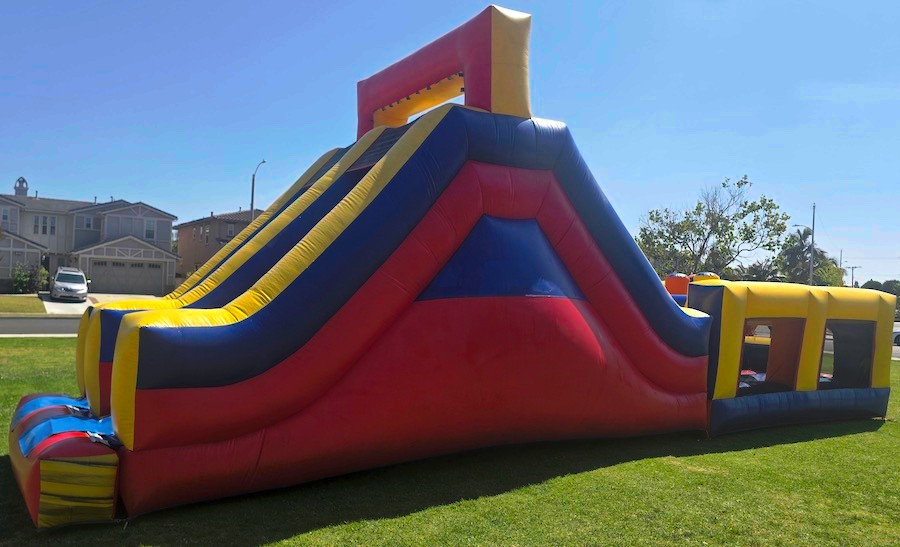
If you're building a rental fleet or expanding an existing one, obstacle course inflatables are one of the most exciting line items you can add. They command higher rental rates, they draw attention at school carnivals and corporate picnics, and they keep kids (and adults) engaged for hours. But they're also the hardest-working units in any fleet, and understanding their realistic lifespan before you buy is one of the most important decisions you'll make as an operator.
Most commercial-grade obstacle course inflatables, when purchased from a reputable manufacturer and maintained consistently, will last somewhere between five and eight years in active rental service. Some operators push units past the ten-year mark with diligent care, while others see premature wear within two or three seasons due to avoidable mistakes. The range is wide, and the difference almost always comes down to purchasing decisions, daily handling habits, and storage practices rather than luck.
The material your unit is made from sets the ceiling on longevity. Commercial obstacle courses built from 18-ounce PVC-coated nylon or heavy-duty Oxford fabric hold up significantly better than lighter consumer-grade materials. When you're evaluating a purchase, ask the manufacturer for the denier rating and the vinyl weight. Units marketed as "commercial" but built on lighter materials will wear faster under the repeated inflation, deflation, and transport cycles that rental use demands. The ASTM International F24 Committee on Amusement Rides and Devices publishes standards that responsible manufacturers reference when engineering inflatable products for commercial use, and it's worth familiarizing yourself with those benchmarks as a buyer.
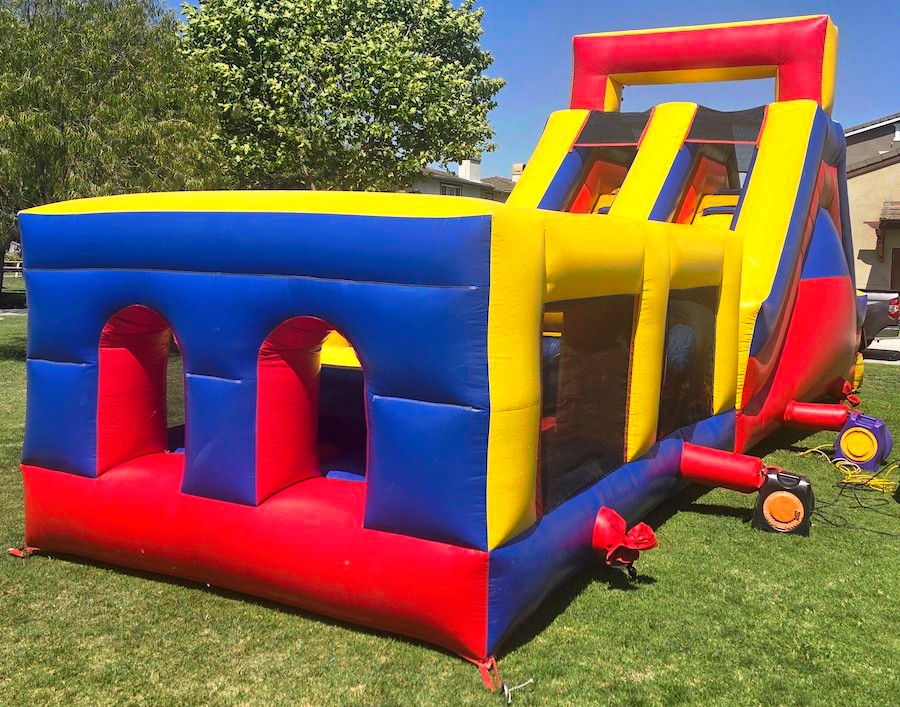
Obstacle courses also carry more stress points than a standard bounce house. The tunnels, pop-up obstacles, climbing walls, and slide exits all experience concentrated friction and impact. Seams in high-traffic zones are the first places to watch. A well-stitched, double-reinforced seam on a quality unit will outlast a cheaper alternative by years, even under identical use conditions.
What Drives Wear Faster Than Normal Use
Understanding what accelerates deterioration helps you set policies that protect your investment from day one. The biggest culprits are not always the obvious ones.
Improper deflation and folding is one of the leading causes of premature seam failure. When a unit is deflated too quickly or folded while still partially inflated, stress concentrates along seam lines and at attachment points. Training your delivery crew to follow a consistent deflation and folding procedure every single time pays dividends over the life of the unit. This is especially relevant in Oregon, where crews may be working in wet or cold conditions that make shortcuts tempting.
Sharp objects and debris cause more damage than most operators expect. Rocks, sticks, and even small toys carried in by participants can puncture or abrade the vinyl surface. A pre-event site inspection, combined with a no-shoes policy enforced at the entrance, dramatically reduces this risk. Some operators add a ground tarp beneath the unit as a buffer against rough or rocky surfaces, which is a low-cost habit that protects an expensive asset.
UV exposure is a slower but serious threat. Oregon's summers bring meaningful sun exposure, and even in overcast conditions, UV radiation degrades vinyl over time. Units left inflated outdoors for extended periods without UV-protective covers or shade structures will fade and weaken faster than units stored or covered between uses. If you're running multi-day events or leaving units deployed overnight, factor UV protection into your setup checklist.
Overloading is another accelerant. Every commercial obstacle course has a published weight and capacity rating. When those limits are exceeded, the stress on seams, anchor points, and blower connections compounds quickly. Clear capacity signage and active supervision at events are not just safety practices. They also protect the structural integrity of your unit across its rental life.
Maintenance Costs to Budget Before You Buy
Operators who underestimate ongoing maintenance costs often find their ROI projections falling short. Building a realistic maintenance budget before you purchase is one of the clearest signs of a mature fleet operation.
Patch kits and vinyl repair materials are a recurring expense. Small punctures and abrasions are inevitable in rental use, and catching them early prevents small repairs from becoming large ones. Budget for a quality vinyl repair kit and plan to inspect every unit after each rental. A thorough post-rental inspection takes fifteen to twenty minutes and can catch a developing issue before it sidelines the unit.
Blower motors are the mechanical heart of any inflatable, and they require attention. Blowers on obstacle course units run longer and harder than those on smaller bounce houses because of the unit's volume. Expect to replace blower motors at least once during the life of a unit, and keep a spare on hand to avoid losing rental revenue during a repair window. Blower replacement costs vary by unit size, but budgeting $150 to $400 per blower is a reasonable starting range for commercial-grade motors.
Cleaning supplies represent a consistent line item. Obstacle courses accumulate dirt, grass stains, and moisture faster than smaller units because of their surface area and the number of contact points. A proper cleaning protocol after each rental, using appropriate vinyl-safe cleaners, prevents mold and mildew from taking hold. In Oregon's wetter climate, this is especially important. Mold growth inside tunnels or on slide surfaces is not just a hygiene issue. It weakens the material and creates liability exposure that no operator wants.
Annual professional inspections are worth considering as your fleet grows. Some operators bring in a third-party inspector to assess seam integrity, anchor point condition, and blower performance before peak season. This is particularly valuable if you're renting to schools, churches, or HOAs that may request documentation of unit condition. For guidance on what a thorough inspection covers, the SIOTO (Safe Inflatable Operators Training Organization) offers operator training and inspection resources that many commercial fleet owners reference.
Storage and Off-Season Practices That Extend Unit Life
Oregon's off-season brings rain, cold, and humidity, and how you store your obstacle course units during slower months will have a direct impact on how many seasons they remain rental-ready.
The single most important storage rule is to store units completely dry. Even a small amount of trapped moisture inside a folded obstacle course can create mold and mildew growth within days in a cool, damp environment. After cleaning, allow the unit to air dry fully, which may take several hours depending on conditions, before folding and storing. Running the blower for an extended period after cleaning helps push moisture out of tunnels and enclosed sections.
Climate-controlled storage is the gold standard. A temperature-stable environment prevents the vinyl from becoming brittle in cold temperatures and avoids the expansion-contraction cycles that stress seams over time. If a fully climate-controlled space isn't available, prioritize keeping units off concrete floors (which transfer cold and moisture) and use pallets or shelving to allow air circulation around the stored unit.
Proper folding technique matters more than most operators realize. Obstacle courses are large and awkward, and the temptation to fold them quickly and move on is real. But consistent, careful folding that avoids sharp creases in the same location every time prevents vinyl fatigue along fold lines. Some manufacturers include folding diagrams with their units. If yours doesn't, ask for guidance or develop a standard procedure with your crew.
Rodent protection is a practical concern in storage facilities. Mice and other pests can cause significant damage to stored inflatables. Keeping your storage area clean, sealed, and monitored is a basic but important step that experienced fleet operators don't overlook.
If you're curious how storage decisions connect to event-day setup, the Jump High Rentals guide on preparing your backyard before an inflatable arrives offers useful context on surface and site conditions that also apply to how units should be handled on delivery.
Warranty Coverage and What to Ask Your Vendor
Warranty terms vary significantly across manufacturers, and understanding what's covered before you buy protects you from expensive surprises. A warranty that looks comprehensive in a sales brochure may have exclusions that matter a great deal in commercial rental use.
The first question to ask is whether the warranty covers commercial rental use explicitly. Many manufacturers offer warranties that apply only to "normal use," and some define normal use in ways that exclude the repeated inflation, deflation, and transport cycles that rental operations demand. Get clarity in writing before you commit to a purchase.
Seam warranties are particularly important for obstacle courses. Because seams are the highest-stress component on these units, a manufacturer that stands behind their seam work with a multi-year warranty is signaling confidence in their construction quality. Ask specifically about seam coverage duration and what the claims process looks like. A warranty that requires you to ship a 40-foot obstacle course back to a factory for evaluation is far less useful than one that supports field repairs or local service.
Blower coverage is another area to probe. Some warranties cover blower motors for one year, others for two, and some exclude blowers entirely. Knowing this upfront lets you budget for replacement costs accurately.
Lead time for warranty service matters for fleet operators. If a unit is out of service for four to six weeks waiting for warranty repair, that's lost rental revenue. Ask vendors about their average turnaround time on warranty claims and whether they offer loaner units or expedited service for commercial customers.
Finally, ask about the vendor's track record with Oregon-based or Pacific Northwest operators specifically. Climate conditions affect unit wear, and a vendor who understands the humidity and temperature patterns of the region will give you more relevant guidance on maintenance intervals and storage recommendations.
For operators who are ready to think through fleet-scale questions or explore what obstacle course units look like in active rental service, the Jump High Rentals catalog is a practical starting point. And if you have specific questions about unit sizing, delivery logistics, or how obstacle courses fit into a broader event lineup, the contact page connects you directly with the team. You can also find answers to common fleet and rental questions in the Jump High FAQ.
Obstacle course inflatables represent a meaningful capital investment, and the operators who get the most out of them are the ones who treat maintenance and storage as part of the business model from day one, not as afterthoughts. With the right unit, the right habits, and a vendor who supports you after the sale, a well-chosen obstacle course can anchor your fleet's revenue for many seasons.