
What to Check Before the Inflatable Is Anchored
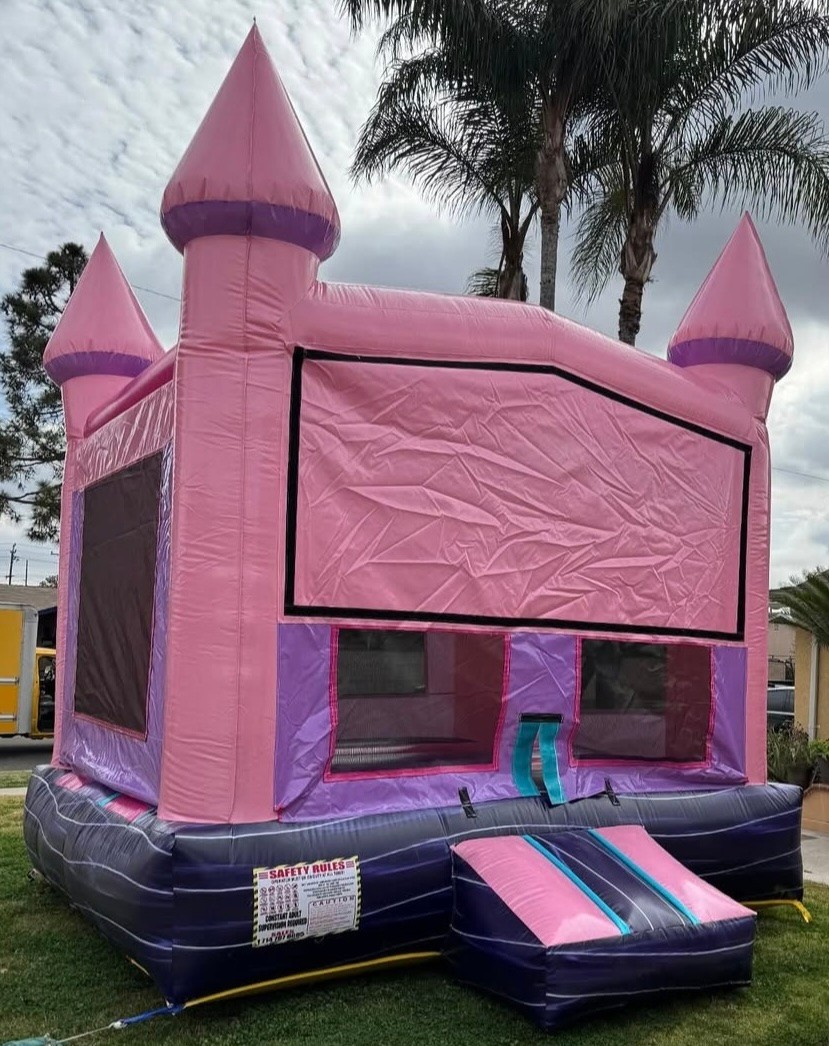
The ten minutes before your rental crew stakes down the bounce house are some of the most important of the whole party. Once the unit is anchored and inflated, your options for repositioning are limited, so a quick walkthrough of your yard beforehand saves a lot of headaches later.
Start by measuring your available space and comparing it to the footprint of the unit you booked. Most standard bounce houses need a few feet of clearance on every side beyond the inflatable itself, so the actual ground area required is larger than the bounce surface alone. If you are unsure about your yard dimensions, the guide on picking the right bounce house size for your backyard walks through how to measure correctly before delivery day.
Walk the intended setup area and look for anything that could cause problems once the unit is inflated. Sprinkler heads, garden stakes, low-hanging branches, and decorative rocks all need to be cleared or flagged before the crew arrives. Check overhead clearance too, because taller combo units and slides need more vertical room than a basic bounce house. If your yard has a slope, read through the setup guide for sloped CA backyards before you finalize your unit choice.
Confirm your power source situation while you are still in planning mode. Blowers run continuously during the rental, and they draw enough current that a long, undersized extension cord can cause real problems. The power and extension cord guide for OC inflatables covers exactly what gauge and length to use so the blower runs safely throughout the party.
Rules Every Adult Supervisor Needs to Know
Having a bounce house at your party is genuinely fun, and the supervision piece does not need to feel like a chore. It does need to be intentional, though. Designating at least one adult as the bounce house monitor before kids arrive is the single most effective thing you can do to prevent minor bumps from turning into bigger problems.
The monitor's job is to manage capacity. Every inflatable has a posted capacity limit, and that number exists because the unit is engineered and tested to that load. Exceeding it increases the chance of collisions and puts more stress on seams and anchor points. The guide on inflatable capacity limits explains how those numbers are calculated and what they mean in practical terms for a backyard birthday.
Age and size mixing is one of the most common sources of avoidable injury at bounce house parties. Younger or smaller kids can get knocked over by older, heavier bouncers even when everyone is playing nicely. A simple rule of keeping similar-sized kids in the unit at the same time goes a long way. If you have a wide age range at your party, consider rotating groups by age rather than letting everyone pile in together.
No shoes, no sharp objects, and no food or drinks inside the unit are rules that apply at every rental, every time. Shoes can scuff and tear the vinyl, and food creates slip hazards on the bounce surface. Share these rules with parents when they arrive so the expectation is set before kids start lining up. The bounce house rules guide has a printable-friendly version you can post near the entrance.
How to Set Up a Safe Bounce Zone in Your Backyard
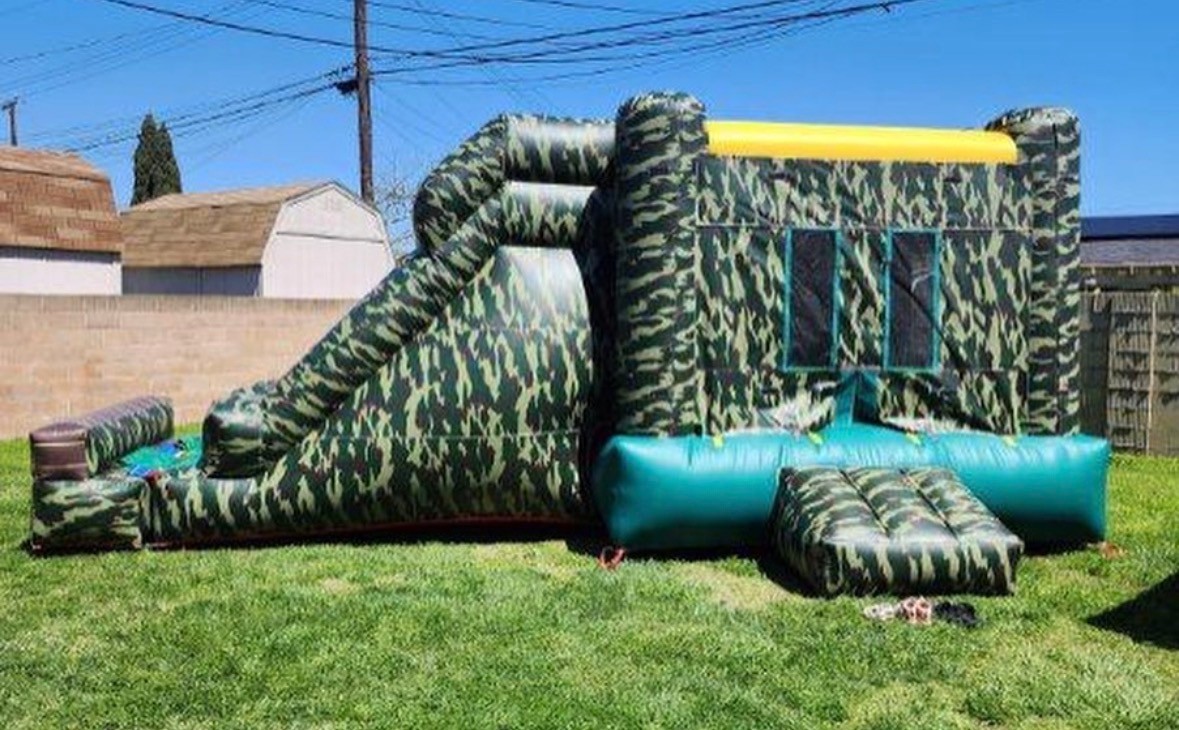
The physical layout of the area around the inflatable matters as much as what happens inside it. Think of the bounce zone as a dedicated activity area with its own boundaries, not just a unit dropped into the middle of your yard.
Keep the entrance and exit clear of foot traffic from the rest of the party. When kids are climbing in and out, they need a clear path that does not intersect with the food table, the gift area, or the main walkway. A little spatial planning before guests arrive prevents the chaotic bottleneck that happens when twenty kids are trying to rotate in and out at once.
Anchor points are non-negotiable. A properly staked inflatable stays put even when kids are bouncing hard and California afternoon winds pick up. Jump High's crew handles anchoring as part of setup, but it is worth understanding what proper anchoring looks like so you can confirm it was done before the party starts. The bounce house anchoring and staking guide covers what to look for. If your yard has artificial turf, the anchoring guide for artificial turf in OC addresses the specific techniques used on that surface.
Wind is a factor that OC parents sometimes underestimate, especially in inland areas and hillside neighborhoods. The guide on wind speed limits and inflatable safety explains the thresholds at which inflatables should be deflated and what to watch for during the party. On a breezy afternoon, having that information ahead of time means you are not making a judgment call under pressure.
Common Safety Mistakes OC Parents Make (and How to Avoid Them)
Most bounce house incidents at backyard parties are preventable, and they tend to follow predictable patterns. Knowing the common ones ahead of time puts you in a much better position than learning them after the fact.
Leaving the unit unattended is the most frequent mistake. It only takes a few minutes for a group of kids to exceed capacity or for a younger child to wander in when older kids are bouncing hard. Even if you trust the kids at your party, continuous adult presence near the unit is the standard that responsible rental companies and safety organizations recommend. The supervision tips guide for OC parents goes deeper on how to structure that supervision without it feeling like you are stuck standing guard all afternoon.
Ignoring the weather forecast is another common gap. Southern California weather is generally forgiving, but summer afternoons can bring unexpected wind gusts, and a vinyl bounce surface in direct sun gets hot faster than most parents expect. The guide on keeping your bounce house cool during OC summer parties has practical steps for managing heat on warm party days.
Skipping the pre-party inspection is a mistake that is easy to avoid. Before kids arrive, walk around the inflated unit and look at the seams, the netting, and the entrance flap. Everything should look intact and properly inflated. If anything looks off, contact your rental company immediately rather than hoping it holds up through the party. A reputable local company will address concerns before the event starts, not after.
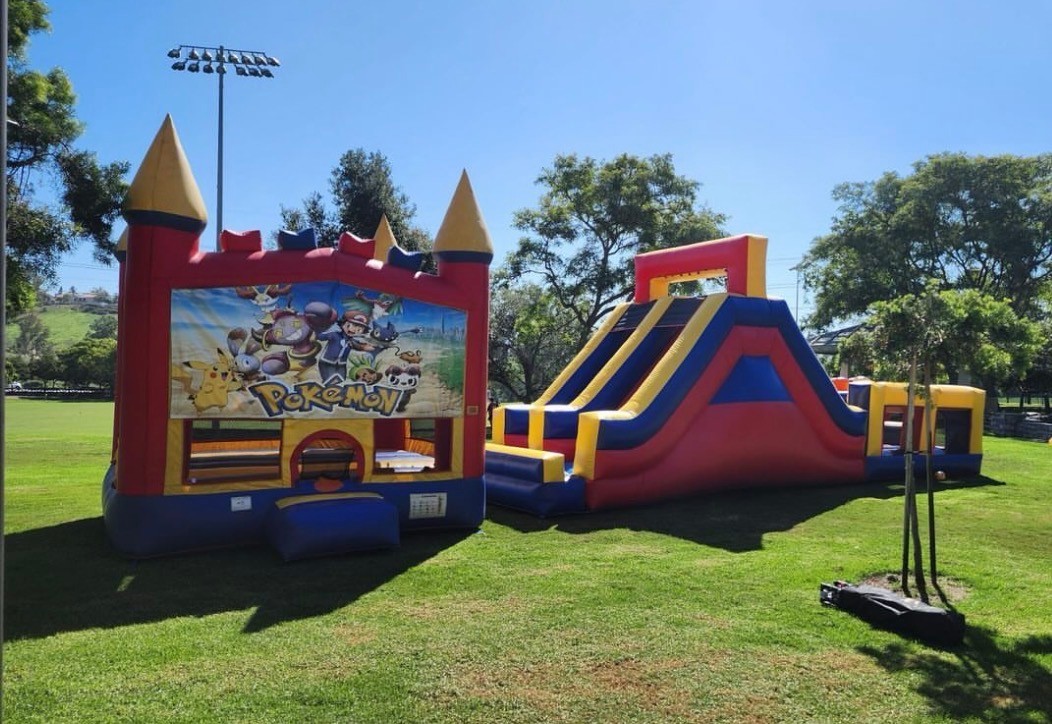
Assuming older kids do not need supervision is a pattern that shows up at parties for kids ages nine and up. Older kids tend to bounce harder and take more risks, which actually makes attentive supervision more important, not less. The guide on bounce house rentals for kids ages 9 to 12 in OC covers unit choices and supervision strategies for that age group specifically.
Questions to Ask Your Rental Company Before Delivery Day
Not all inflatable rental companies operate the same way, and the questions you ask before booking tell you a lot about what to expect on party day. A company that welcomes these questions is one that has thought carefully about how they operate.
Ask how the unit was cleaned and inspected before your rental. Inflatables should be cleaned between every use, and the process should be thorough enough to address both visible dirt and surface sanitization. Jump High's cleaning and sanitization guide explains what that process looks like and why it matters for a backyard full of kids.
Ask whether setup and anchoring are included in the rental price. Some companies drop off equipment and leave the anchoring to you, which creates real safety risk if it is not done correctly. Jump High includes full setup and pickup with every rental, so the unit is properly anchored before the crew leaves your yard.
Ask what happens if something goes wrong during the party. Knowing your rental company's contact process and response time gives you a clear plan if the blower trips a breaker or a seam needs attention. You can reach the Jump High team directly through the contact page and find answers to common questions on the FAQ page.
Ask about the delivery window and what you need to have ready before the crew arrives. Knowing the arrival time, the access path, and the power requirements in advance prevents the scramble that happens when a delivery truck shows up and the gate is locked or the extension cord is the wrong gauge. The guide on what to expect on delivery day walks through the full process so there are no surprises.
For additional context on industry-wide safety practices, the American Academy of Pediatrics guidance on bounce house safety is a useful reference that outlines the types of injuries most commonly associated with inflatable play and the supervision practices that reduce risk.
Ready to Book with Confidence?
Running through this checklist before your party means you have already done the thoughtful work that makes a bounce house rental genuinely fun rather than stressful. Jump High Rentals delivers clean, inspected inflatables across Orange County with full setup and pickup included, so you are not figuring out anchoring or blower connections on your own.
Browse the full selection on the rentals page or reach out through the contact page to check availability for your date. Your job on party day is to enjoy it, and a little preparation now makes that a lot easier.